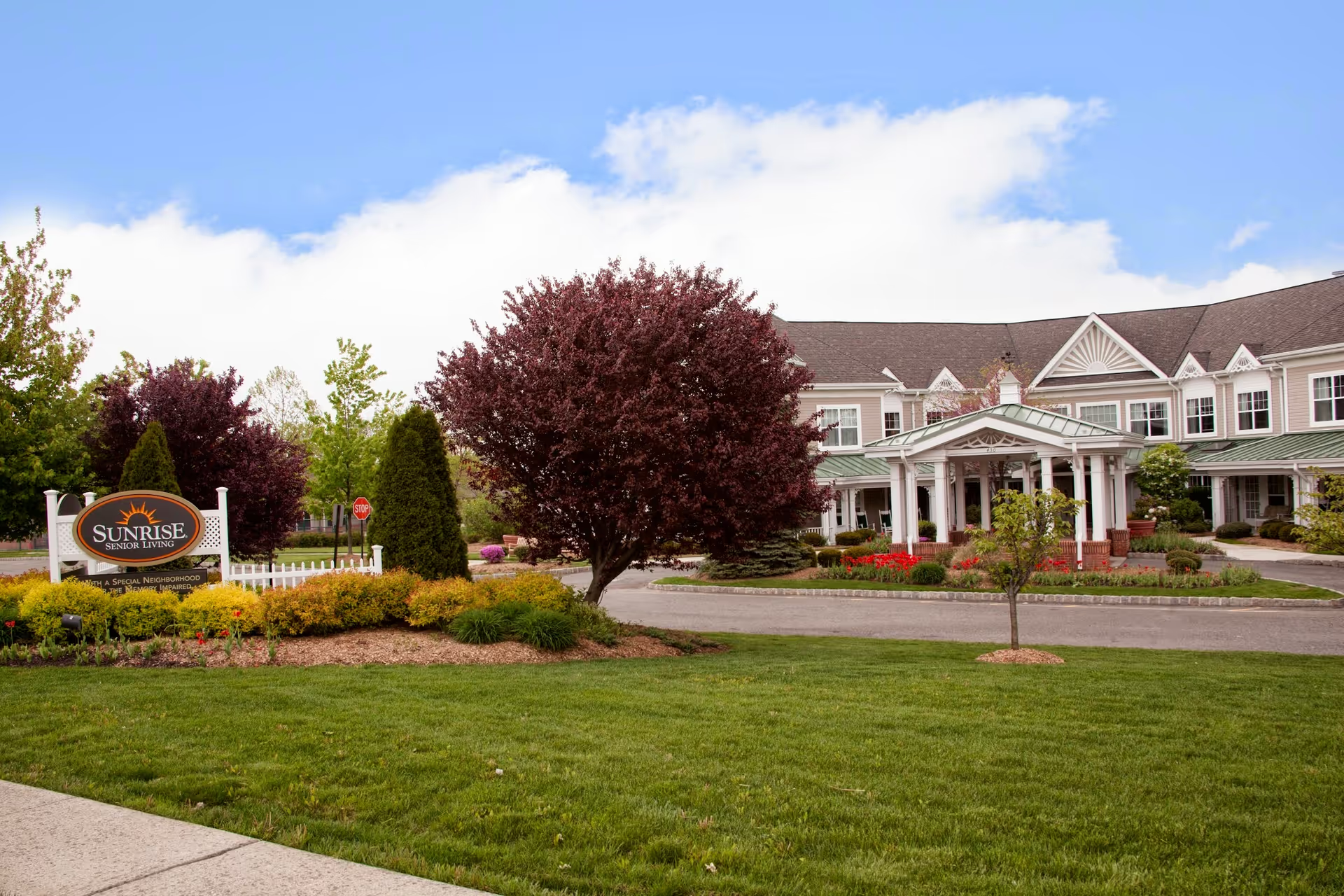
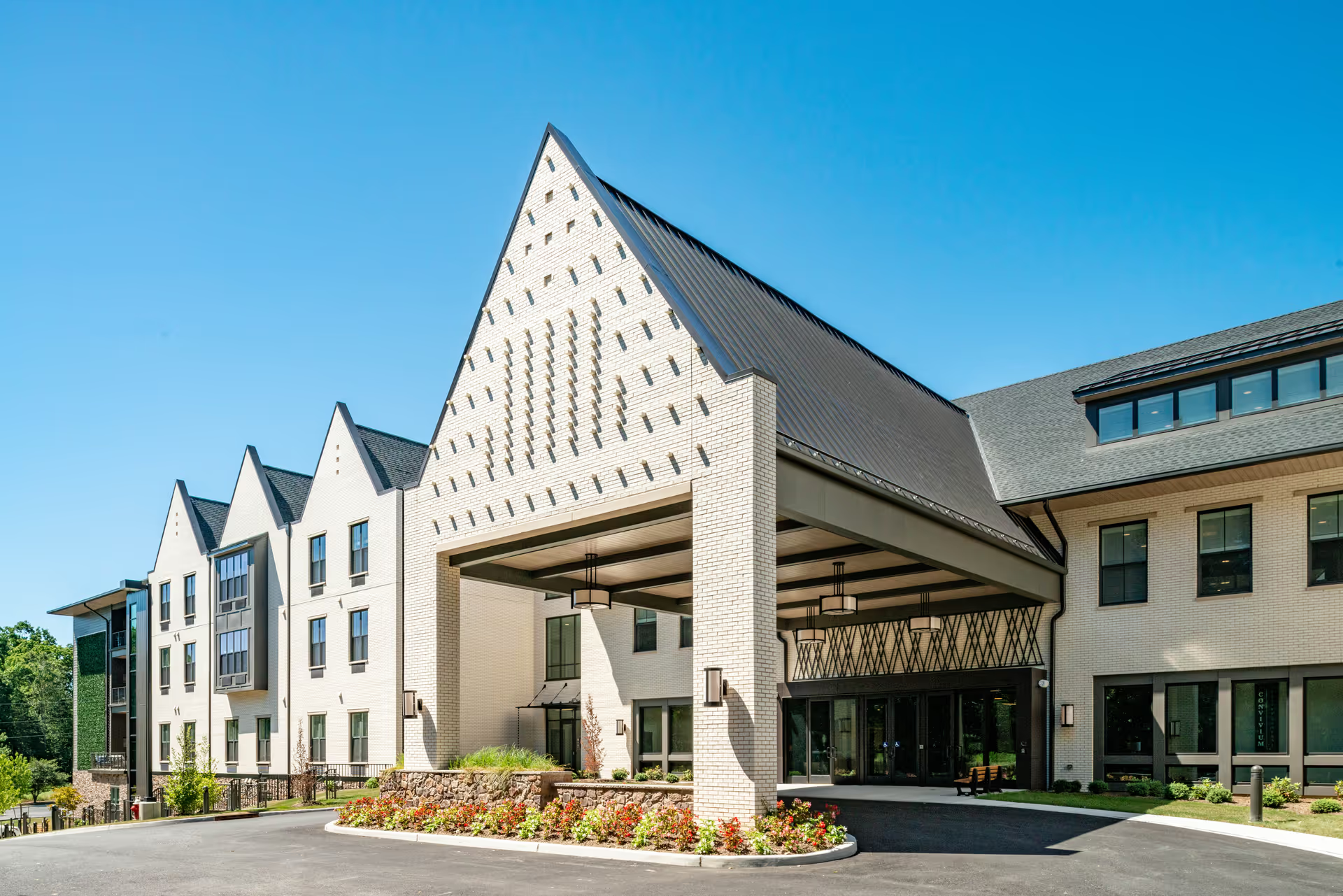
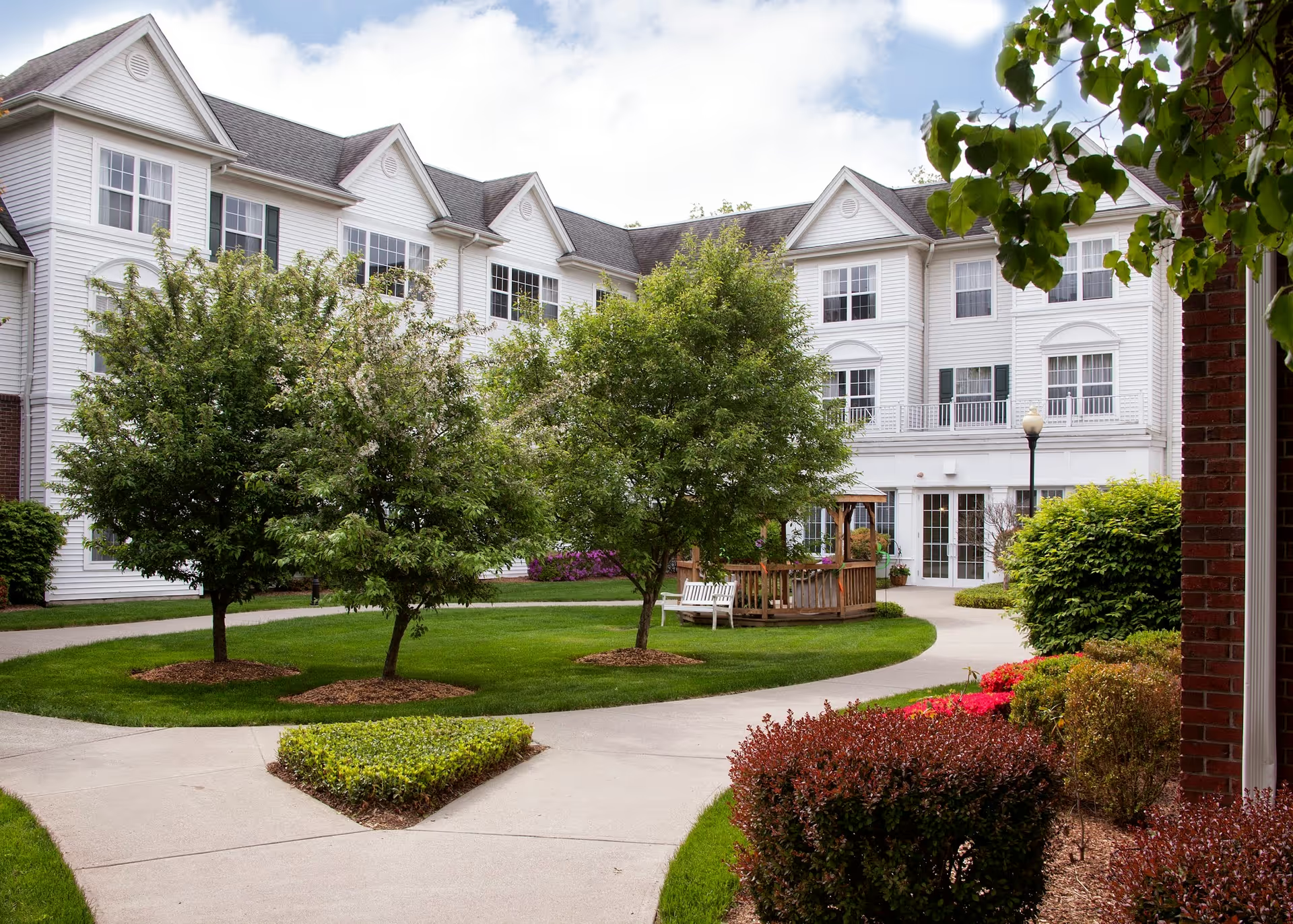
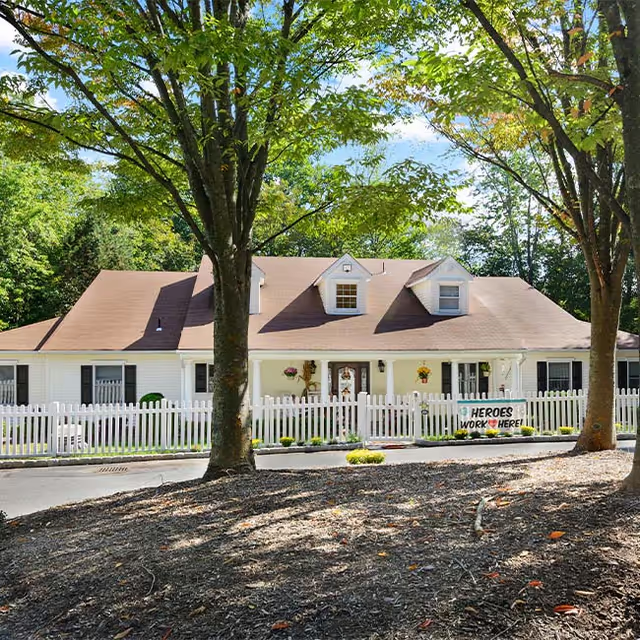
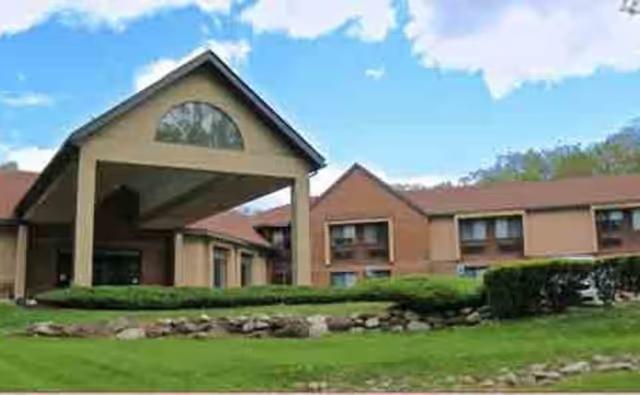
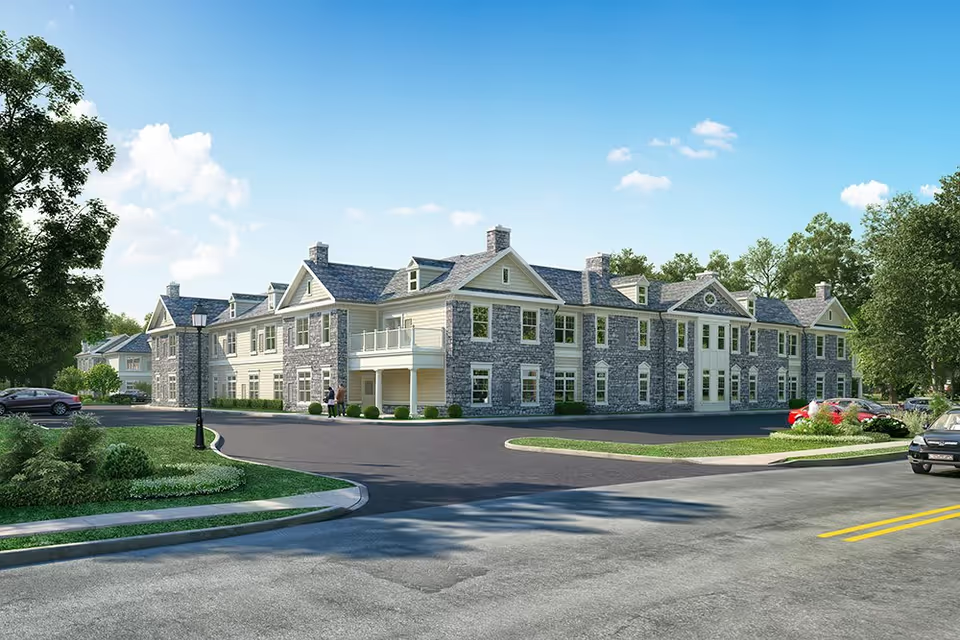
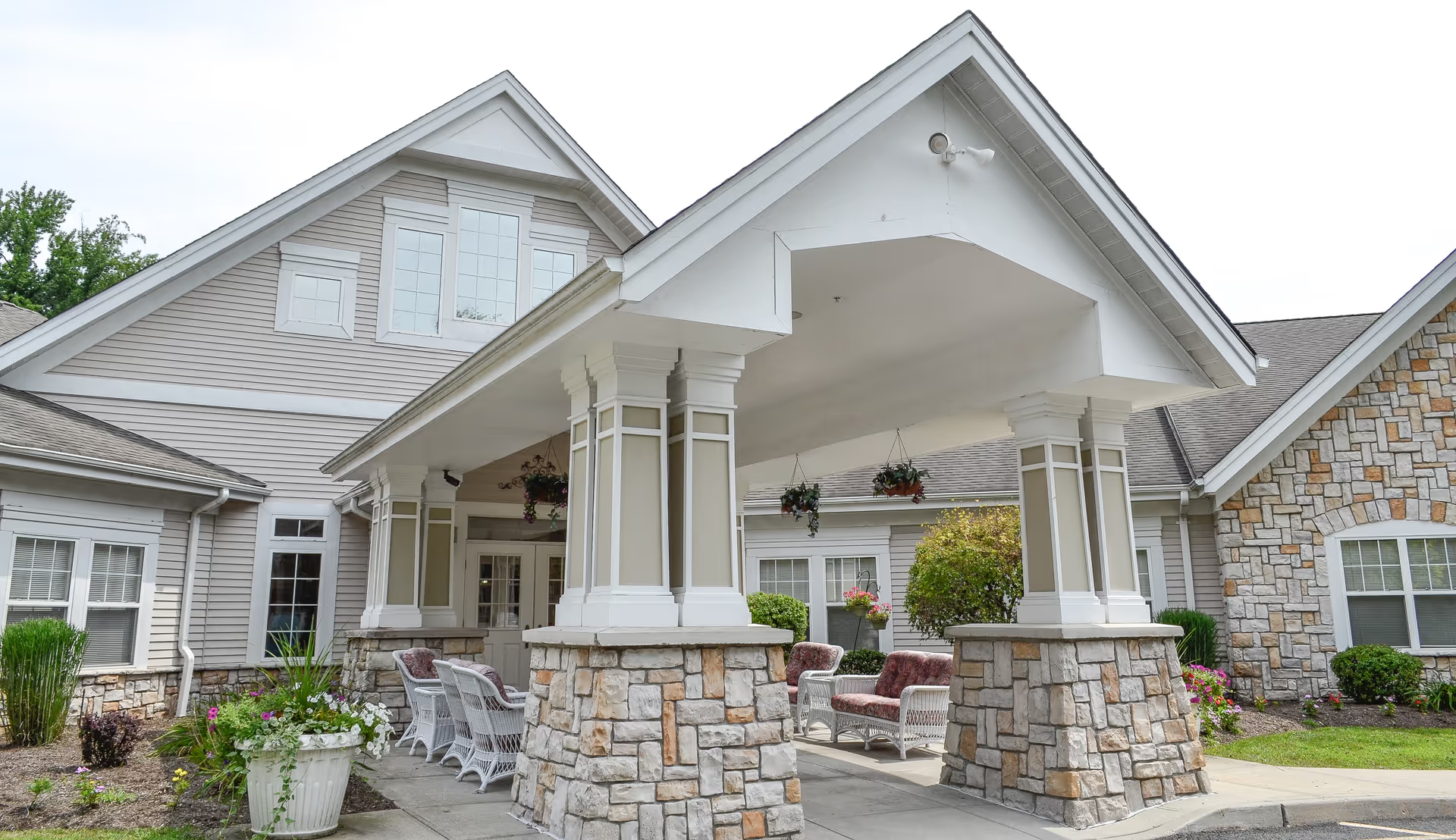
The Bristal Assisted Living at Woodcliff Lake is consistently described as a new, attractive, hotel-like community with abundant amenities. Multiple accounts highlight spotless, recently renovated spaces, generous natural light, spacious apartments with kitchenettes and large bathrooms, and a range of on-site features (pool, theater, exercise areas, and a 24-hour bistro). Families and residents frequently praise the environment, decorative finishings, and rapid maintenance response, all of which contribute to a positive first impression.
Care and staffing feedback is mixed. Many reviewers emphasize warm, attentive caregivers and nursing staff who know residents by name and provide meaningful social engagement and transition support. At the same time, a recurring operational pattern is high staff turnover and occasional understaffing; reviewers link these staffing dynamics to inconsistent conduct, variable responsiveness, and lapses in communication. There are also accounts suggesting gaps in clinical oversight and incident response (for example, delayed attention to clinical or hydration concerns and delays in resolving dietary needs), which prospective families should investigate during a tour.
Dining and services receive both praise and criticism. Numerous comments describe high-quality, restaurant-style meals and multiple menu choices, private dining for guests, and convenient snack/ beverage options. Contrasting comments cite inconsistent meal quality, long waits that can affect meal temperature and timing, and occasional kitchen mix-ups (for example, delays in special-diet accommodations). Prospective residents should ask specific questions about how special diets are handled and how the kitchen manages service continuity.
Activities and social programming are an evident strength: reviewers report robust schedules (arts and crafts, exercise classes, sing-alongs, outings, and musical programs), active lifestyle staff, and plentiful opportunities for socialization. Some notes indicate that memory-care programming can be limited when the memory unit population is small, which may reduce individualized interaction for those residents; reviewers also mention that activity offerings in specialized units may lag behind the general community schedule.
Management and administrative practices show a split pattern. Several families compliment responsive leadership, clear move-in processes, and effective handling of pandemic-related policies. Conversely, others describe frequent turnover among leadership and service staff, occasional communication breakdowns, and a perception of corporate cost control influencing local staffing decisions. Financial transparency and eligibility rules warrant attention: the community is often described as costly, some units do not accept Medicaid or have limited Medicaid flexibility, and families advised close review of contract fine print and fee disclosures.
Notable operational patterns to consider: the physical plant and amenities are strong and consistently praised, while operational consistency — particularly staffing stability, clinical oversight, dietary accommodation timeliness, and personal-item management — appears variable. Prospective residents and families should prioritize on-site questions about current staffing ratios, memory-care staffing and programming, procedures for special-diet implementation, incident-response and family-notification protocols, and contract/fee details before deciding.