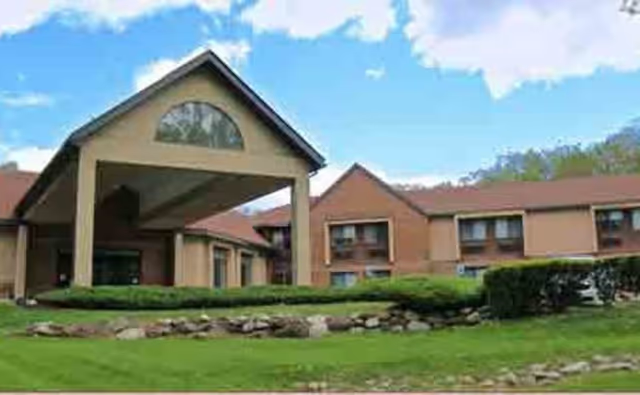
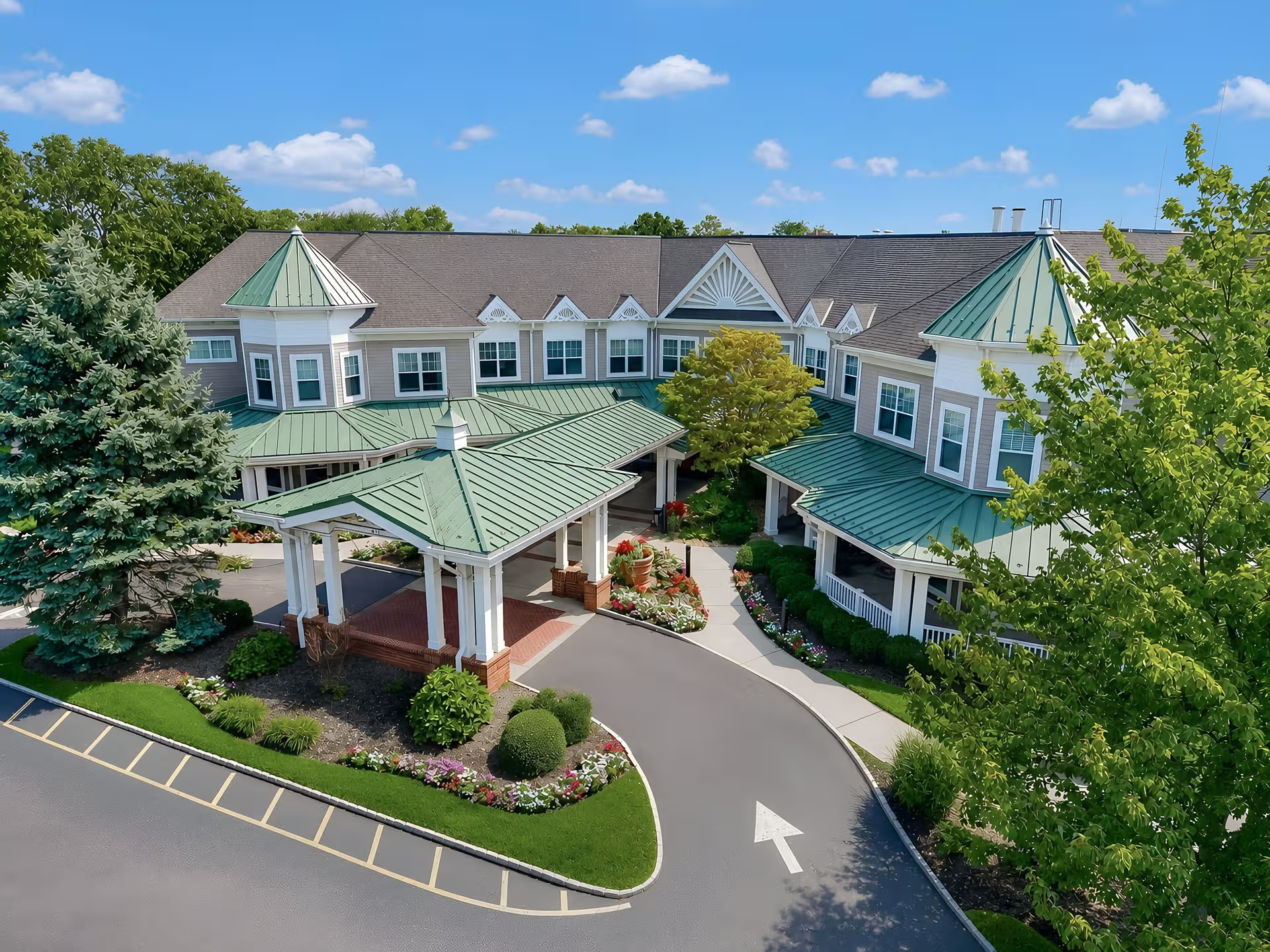
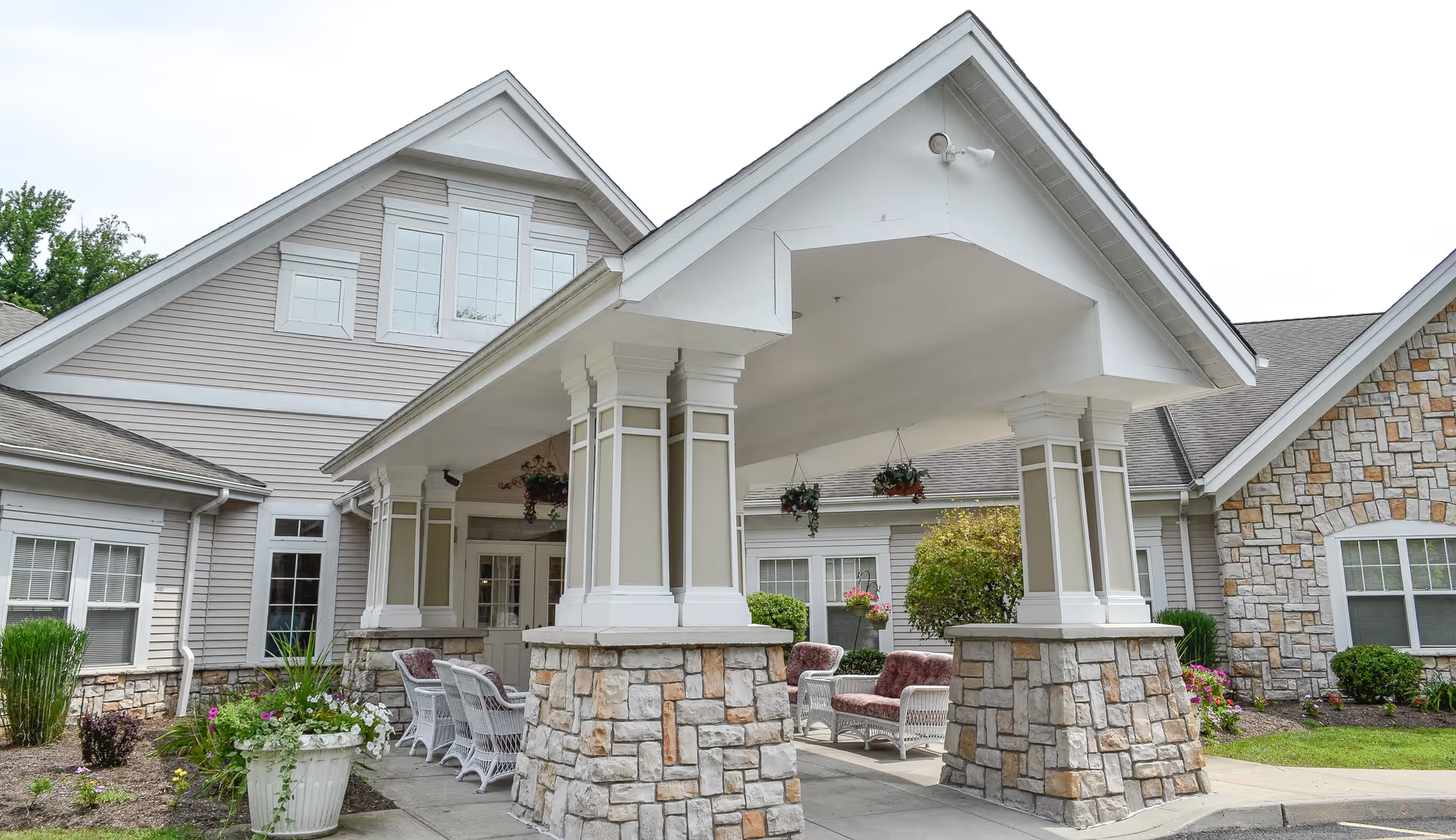
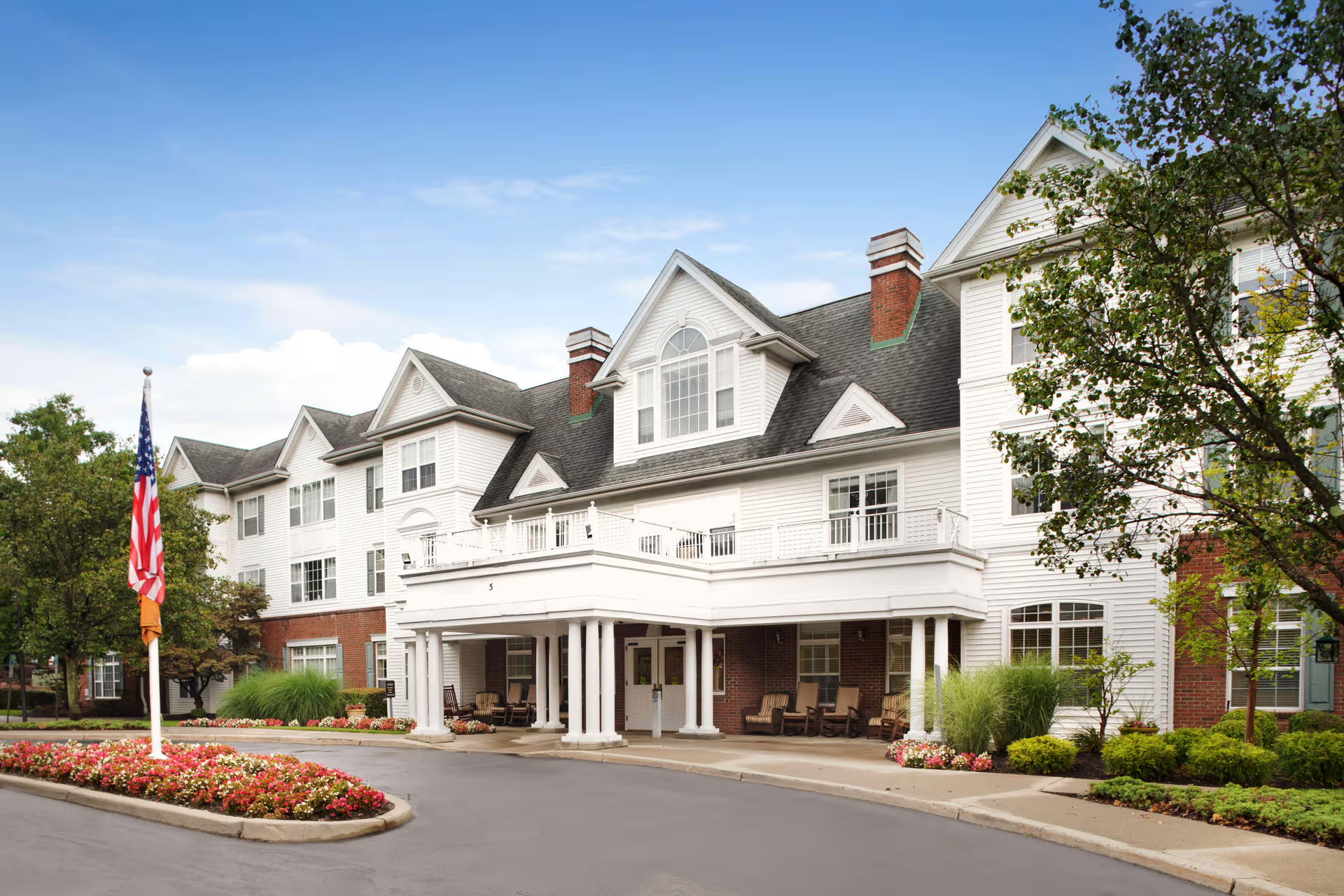
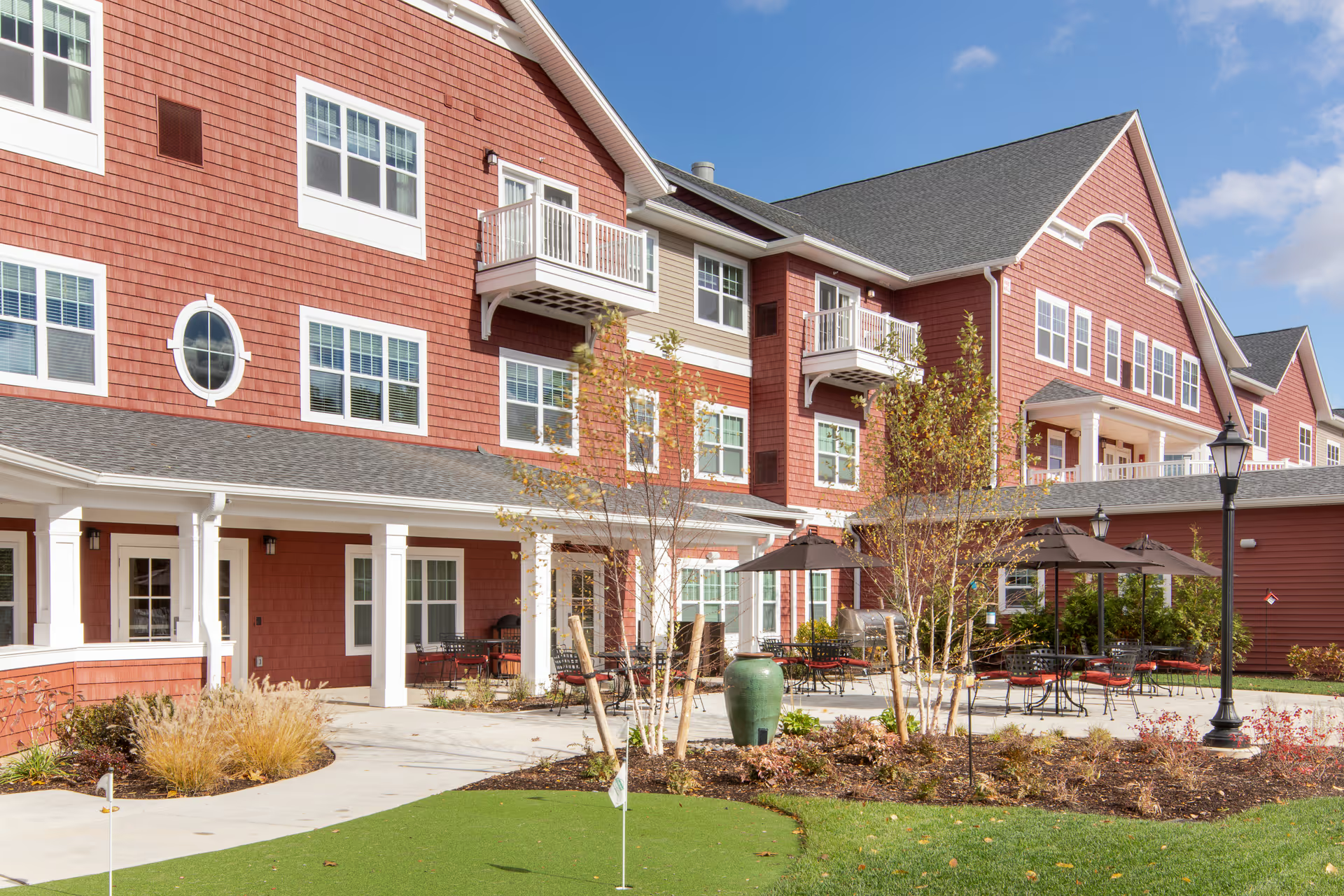
Thrive at Montvale is frequently described as a bright, contemporary community with a polished, resort-like appearance. Families and visitors praise its clean, well-maintained spaces, apartments, courtyard, gardens, café and lounge areas, and range of amenities. Some prospective residents find the apartments or the overall community larger or more modern than they prefer, so the setting may not suit every person’s preferences.
Experiences with care are notably mixed. Many families describe kind, attentive staff and say their loved ones feel safe, comfortable, and engaged. The Trio memory-care unit receives particularly strong praise for its leadership, activities, and individualized support; families also value photos, videos, and updates about residents’ days. Other families describe periods of inconsistent care, medication-management concerns, staff turnover, and difficulty getting timely responses. Some say the community could not reliably meet a loved one’s changing or higher-level care needs. The positive accounts of current or recent support do not erase these concerns, and families should ask specifically about staffing, clinical oversight, medication procedures, and how care needs are reassessed as they change.
Staff and management experiences also vary over time. Numerous accounts commend approachable leaders, helpful front-desk and move-in teams, and staff who assist residents with transitions and build personal connections. Several families describe improvement after leadership changes, while others recount earlier periods of disorganization, turnover, and weak communication between departments. Practical administrative concerns—including billing, service coordination, and a deposit dispute—also appear in the feedback. These differing experiences suggest that consistency and follow-through are important topics for families to evaluate directly.
Activities are a prominent strength in many accounts. Residents and visitors mention art classes, music, games, exercise, book groups, outings, celebrations, and memory-care programming. Families often say activities help residents form friendships and establish routines, though one account wished for more options. Dining feedback is similarly variable: some residents and families praise the meals, special events, and attentive servers, while others cite limited variety, inconsistent quality, smaller portions, or slow service. Food and dining operations appear to have changed over time, so prospective residents may want to sample meals and ask about menus, service times, and current dining arrangements.
Other practical considerations include appointment transportation, which some families found unavailable or difficult to coordinate, and the community’s high cost. Overall, Thrive is often valued for its setting, amenities, social life, and caring staff, with especially positive feedback about memory care and transition support. At the same time, reports of uneven care delivery, communication, staffing continuity, dining, and administrative follow-through warrant specific questions during a tour and before choosing a care level.