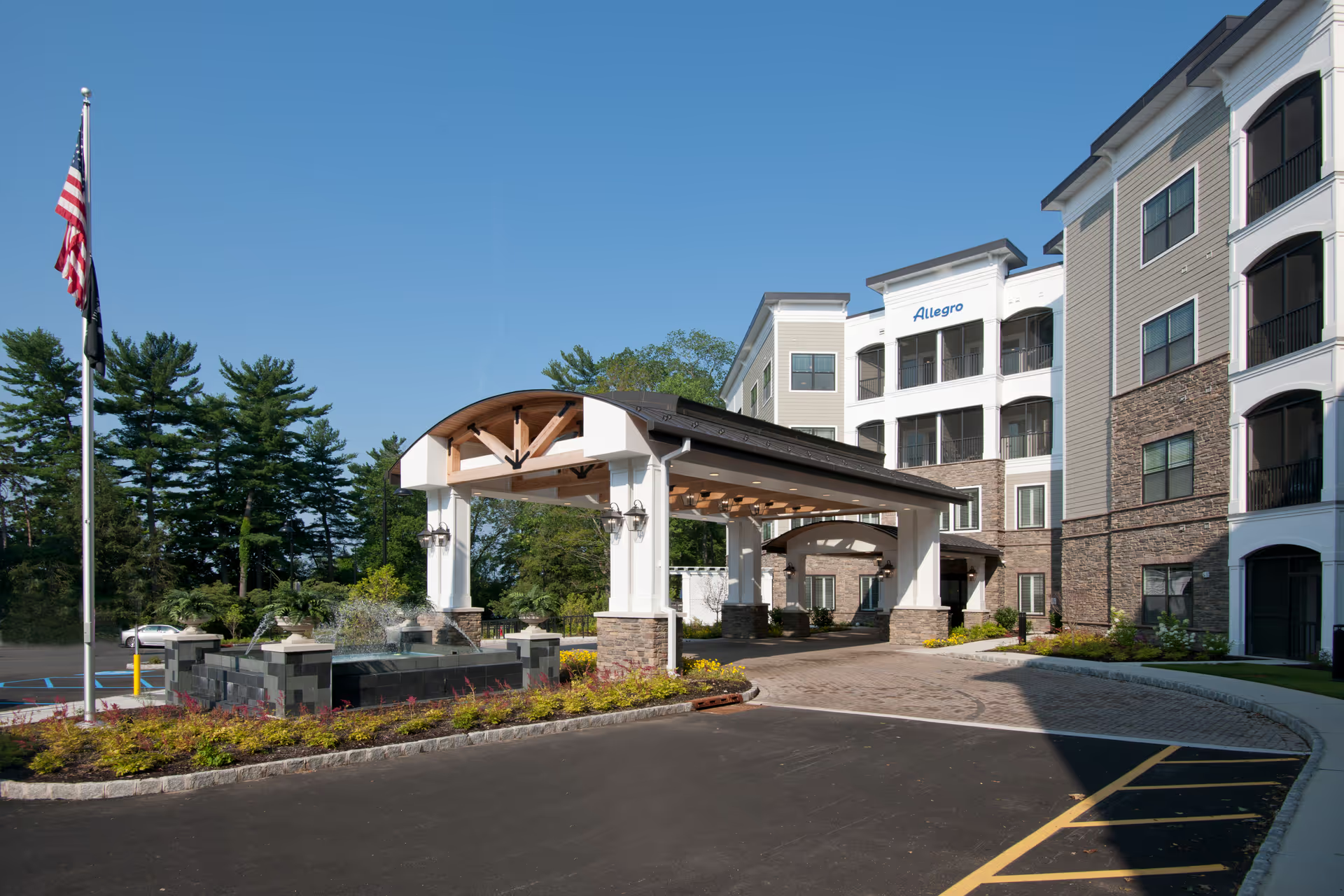
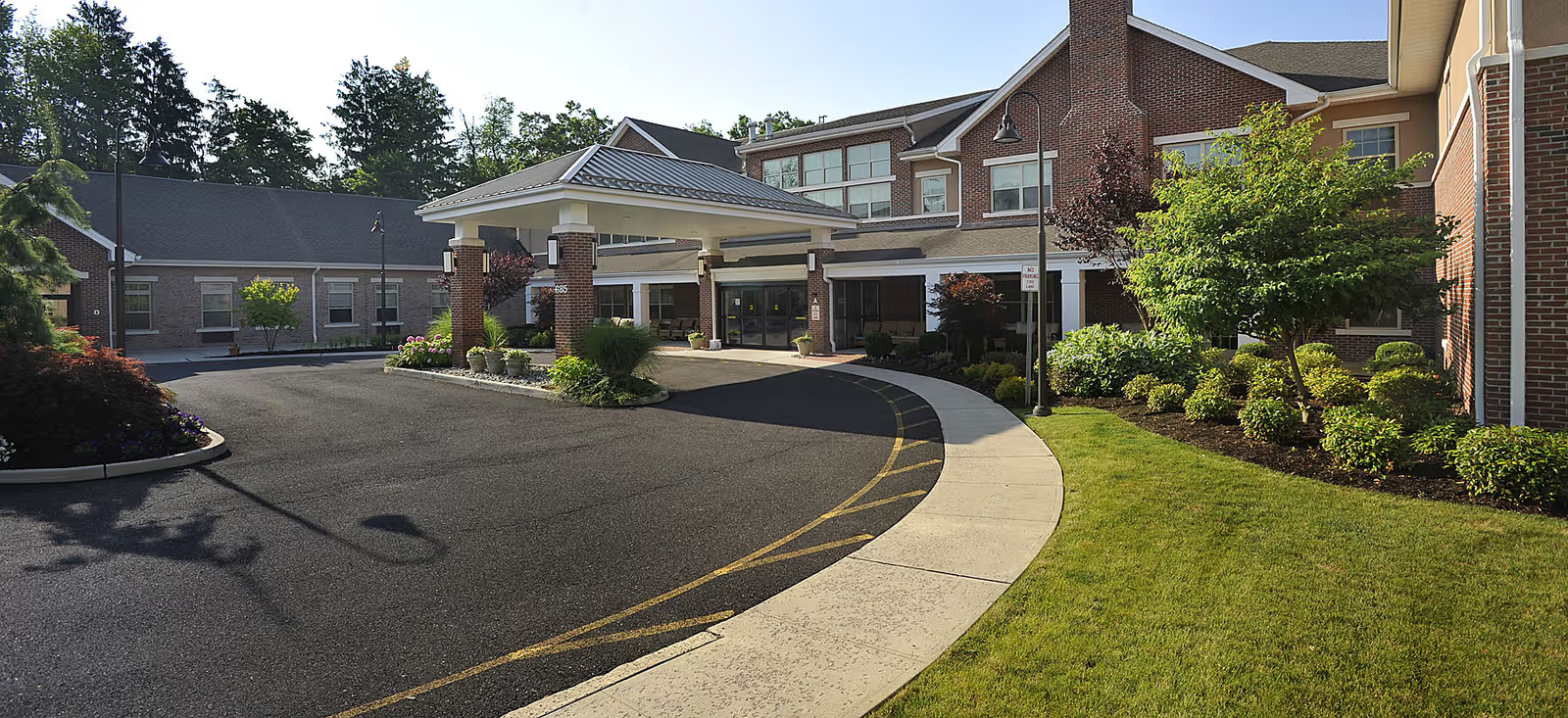
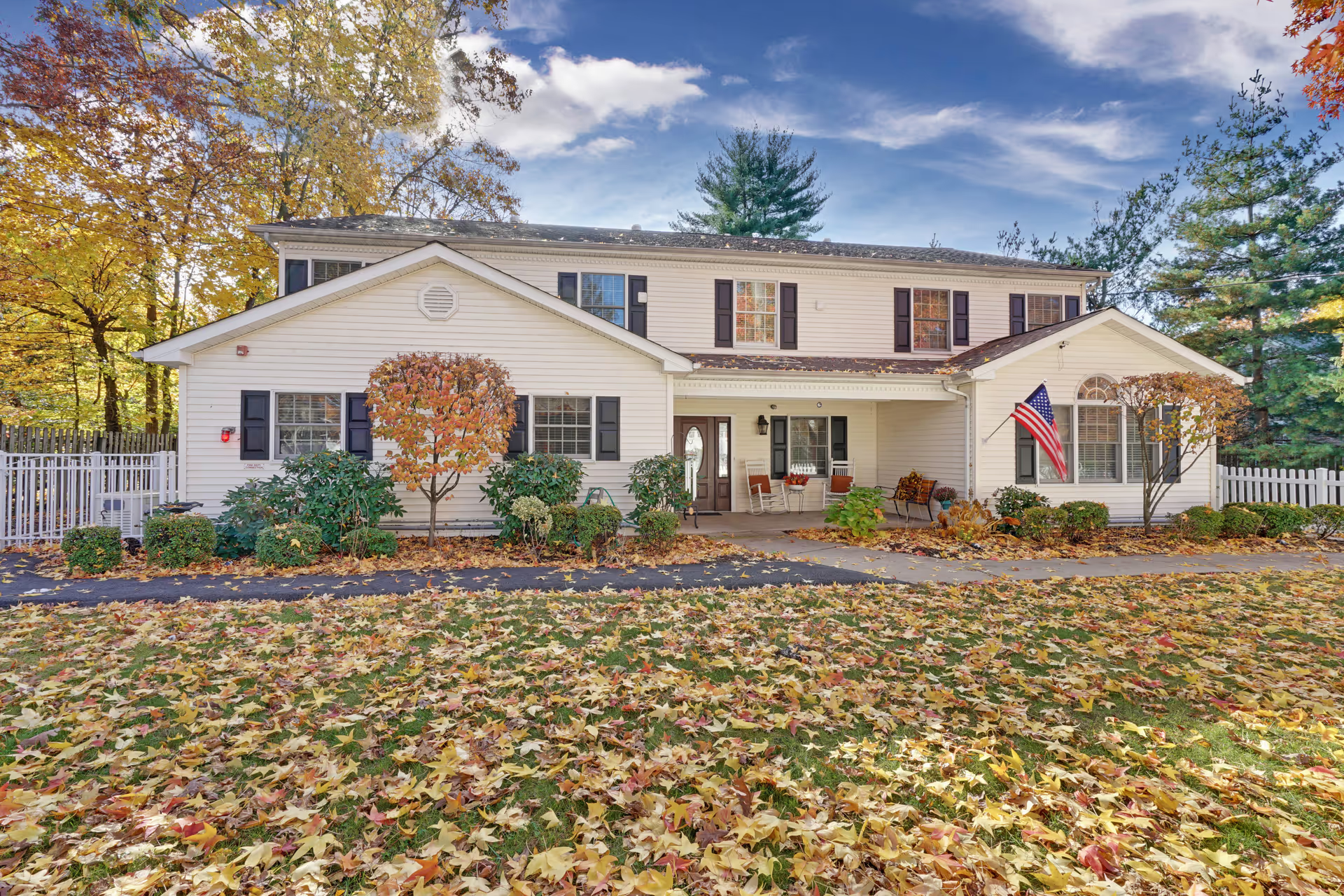
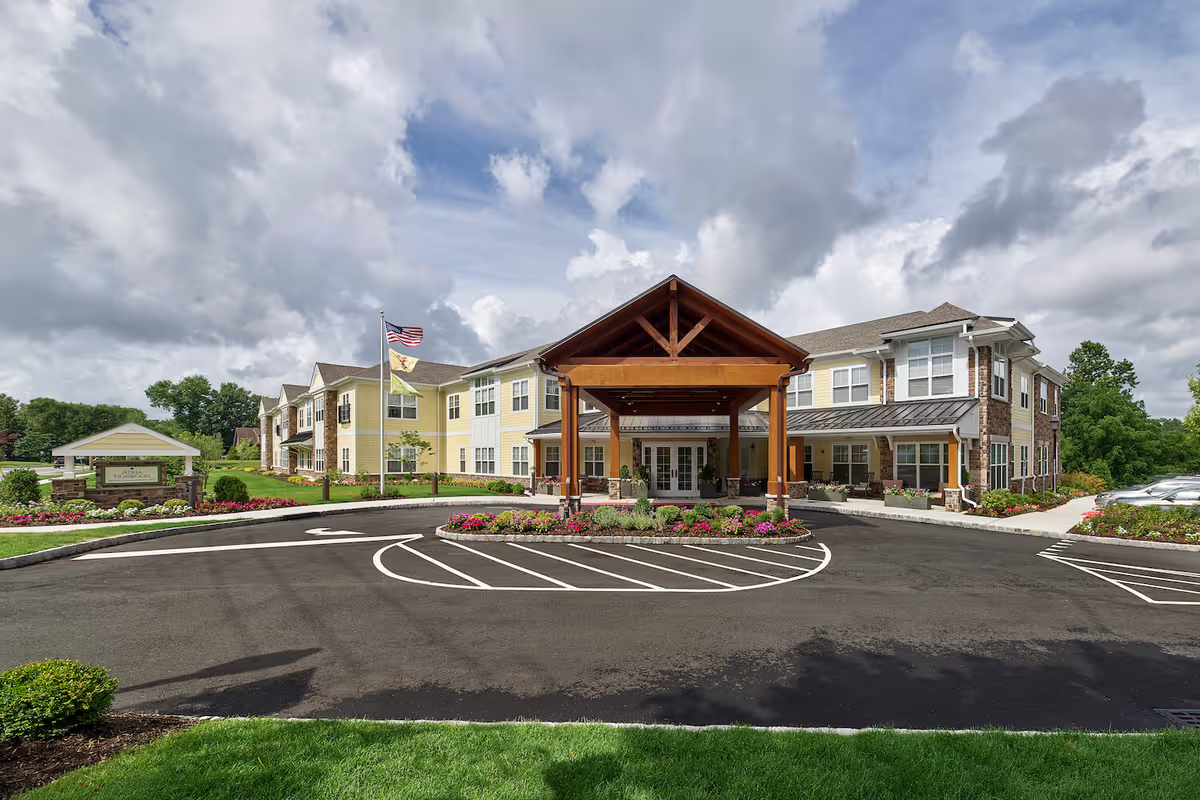
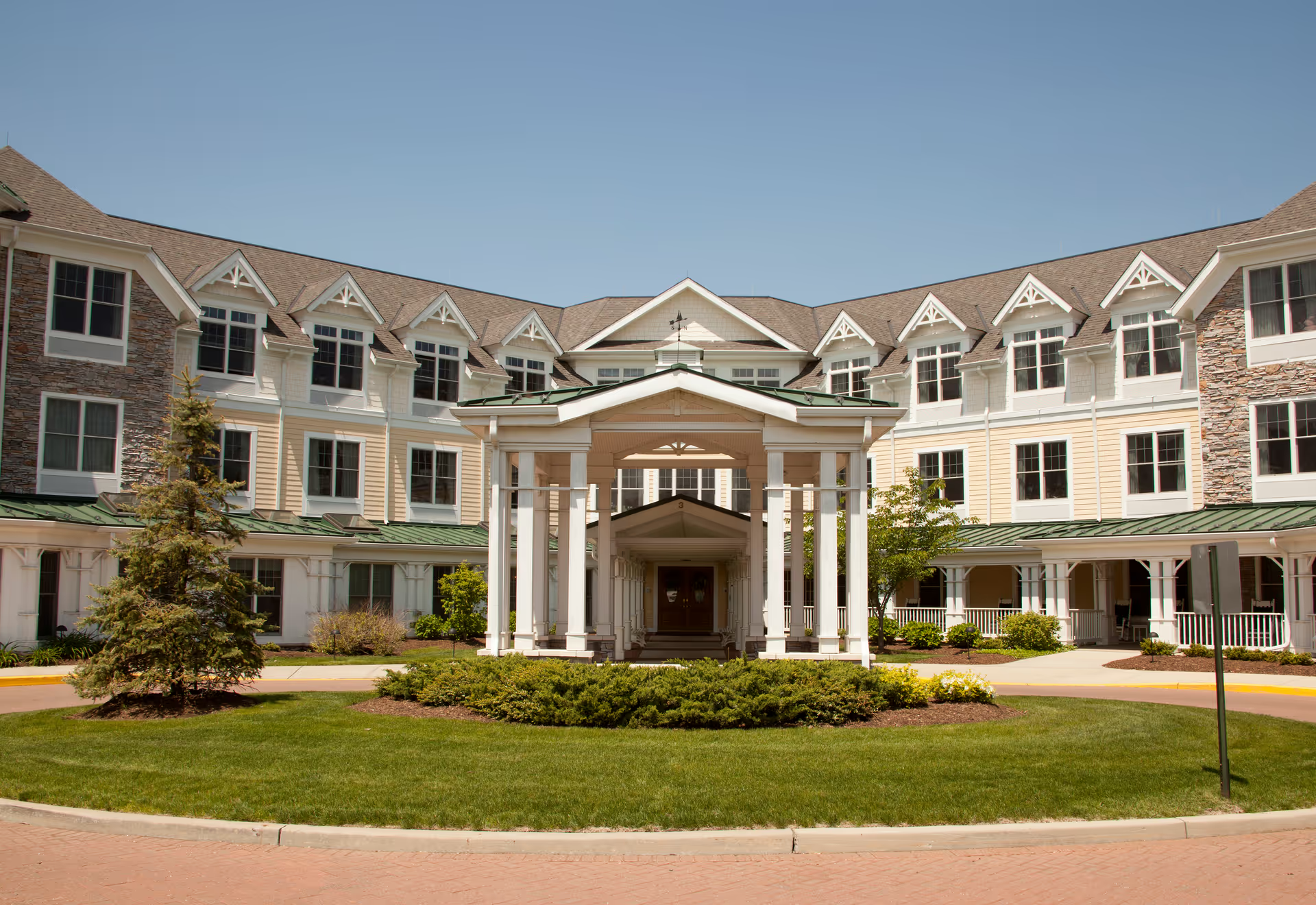
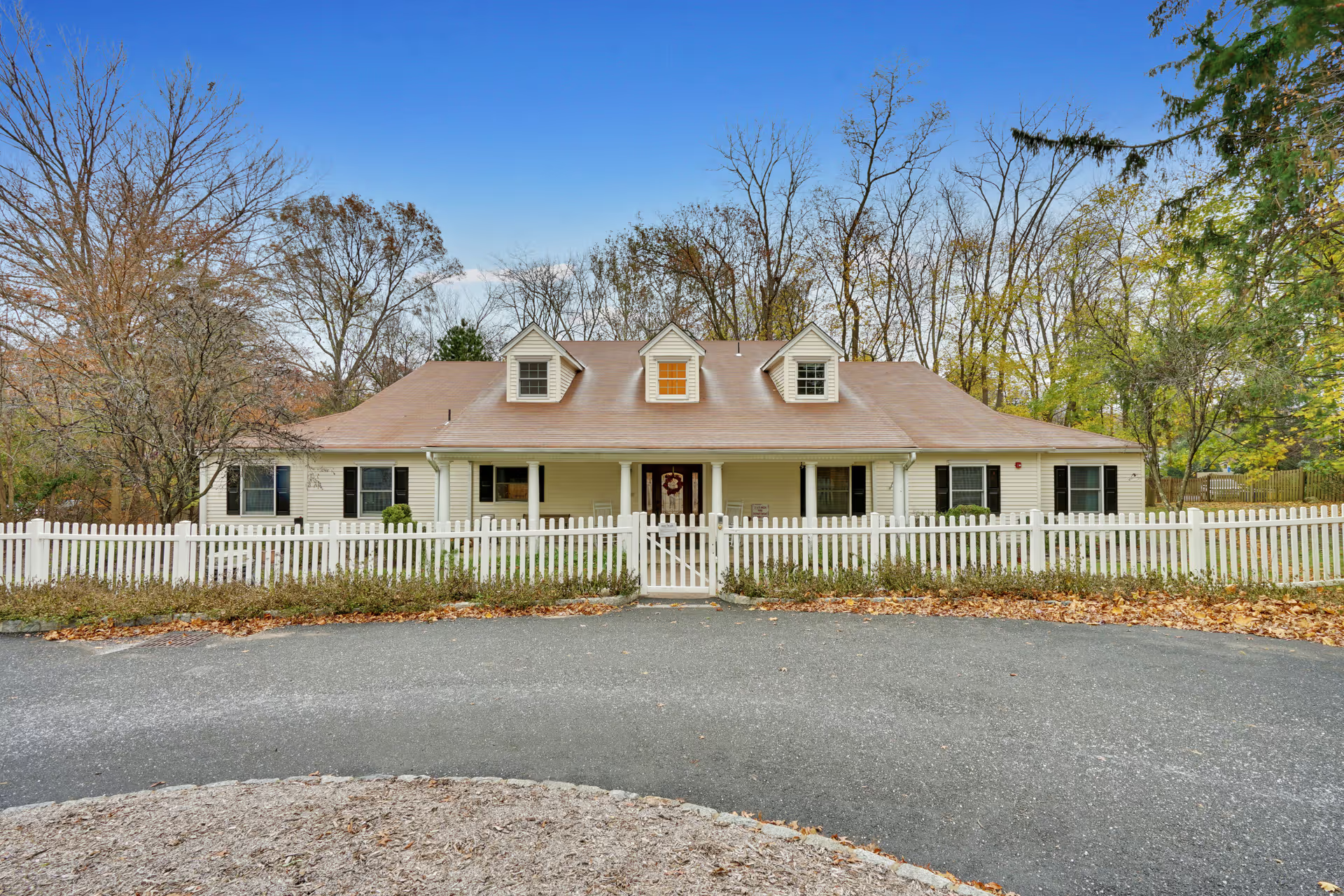
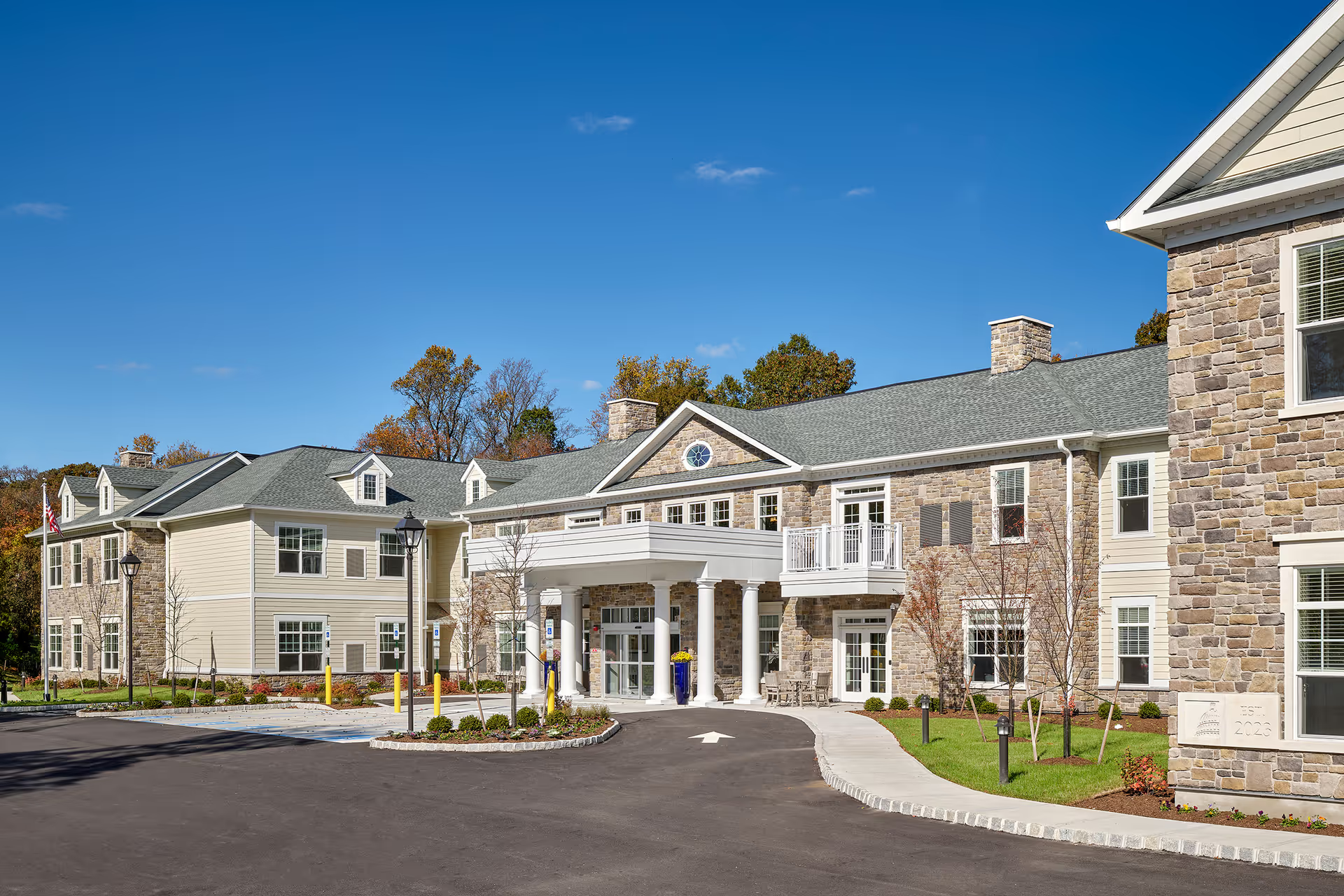
Brookdale Emerson presents as a mid-to-large assisted-living/memory-care community with many operational strengths alongside recurring operational challenges. Strengths most frequently described include a warm, compassionate caregiving culture, an established memory-care unit with noted leadership, and a robust activities calendar that emphasizes social engagement, outings, and holiday programming. The physical environment is often characterized as bright and hotel-like, with large room options, multiple communal spaces (dining room, TV room, chapel, library, wellness center), on-site salon and laundry, and visible investment in maintenance and safety upgrades.
Care quality is a common reason families choose the community. Reviewers regularly praise individual caregivers, nurses, and memory-care staff for attentiveness, empathy, and personalized attention; several staff members and directors were named positively for leadership and responsiveness. The community offers on-site medical support, medication administration, and emergency-call systems, which many families find reassuring. At the same time, a pattern of understaffing—particularly on nights and weekends—emerges as a persistent operational concern. Families describe delays in call responses, missed routine housekeeping, and reduced presence of nursing staff during off-peak hours, all of which suggest staffing stability and scheduling are ongoing areas for the provider to address.
Dining impressions are mixed. Multiple accounts describe an appealing, chef-driven dining room with varied menu choices and large, inviting dining spaces; others note inconsistent food quality, limited variety at times, and instances where portions or choices were limited. Housekeeping and cleanliness receive generally favorable comments for common areas and many apartments, but there are repeated notes about inconsistent room cleaning schedules, missed evening housekeeping, and occasional sanitation or odor concerns in some areas. These mixed reports point to variability in day-to-day operations rather than a uniform experience.
Activities and community life are a clear strength for many residents: the program offers arts and crafts, music visits, religious services, exercise, field trips, and frequent entertainment. Memory-care programming is often highlighted as active and individualized. However, some reviewers observed limited activity options in particular units or at certain times, indicating that program availability can differ by floor or resident cohort.
Operational and administrative issues appear repeatedly. Families describe variability in communication from management and admissions, occasional billing and coordination errors, and inconsistencies around move-in promises or service deliverables. Security and access-control were raised as a concern in several comments (e.g., unlocked doors or unrestricted access to entrances), suggesting the facility should clarify and reinforce entry procedures. Language barriers and inconsistent pharmacy/medication-delivery processes were also noted as practical challenges affecting daily care continuity.
Overall, Brookdale Emerson combines many attributes families value—compassionate staff, active programming, attractive communal spaces, and a dedicated memory-care unit—with operational areas that require attention, chiefly staffing consistency, housekeeping reliability, dining consistency, and administrative communication. Prospective residents and families should prioritize an in-person visit focused on staffing levels at the prospective unit and time of day, sample meals, clarity on medication and billing procedures, documented housekeeping schedules, and a review of emergency and weekend clinical coverage before making a placement decision.