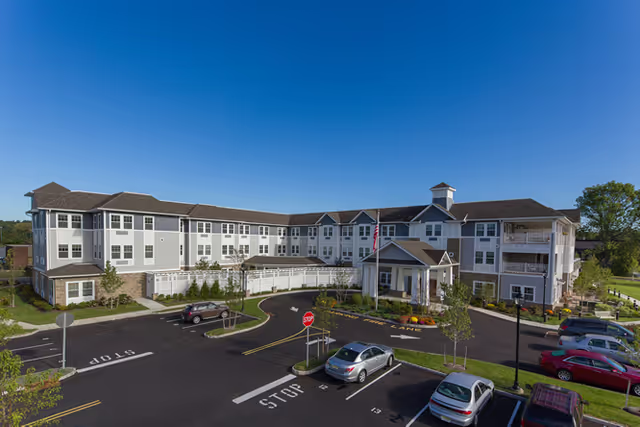
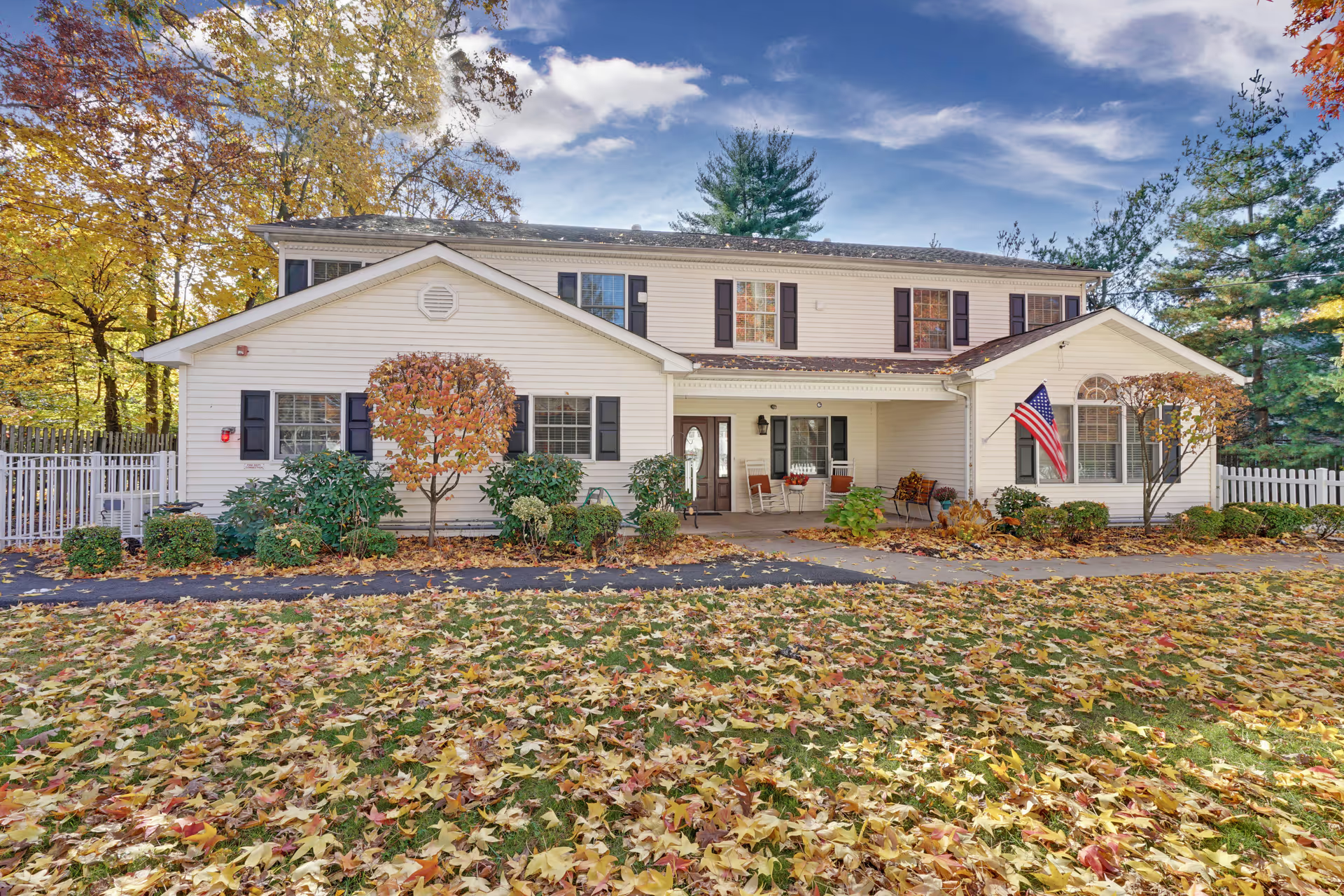
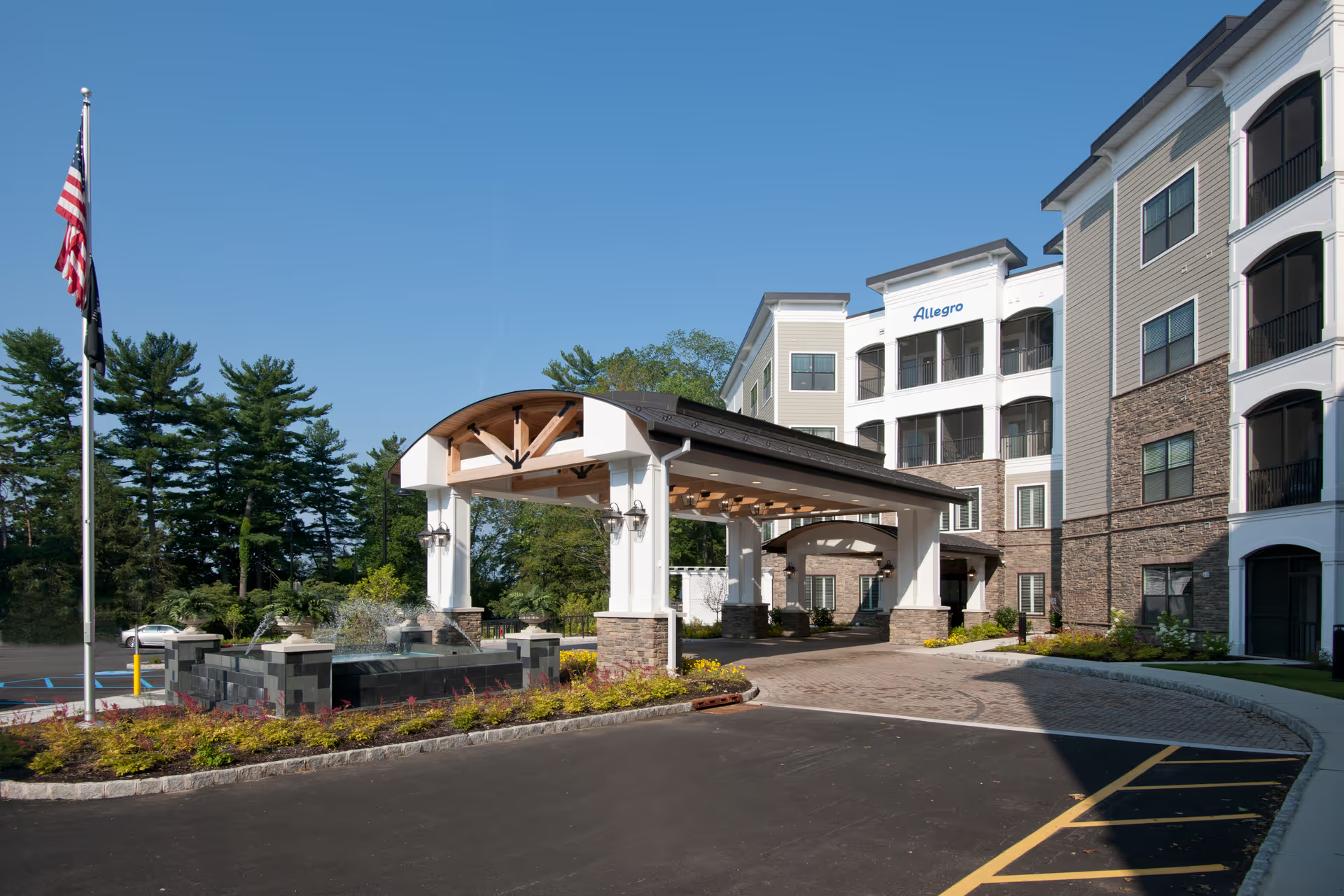
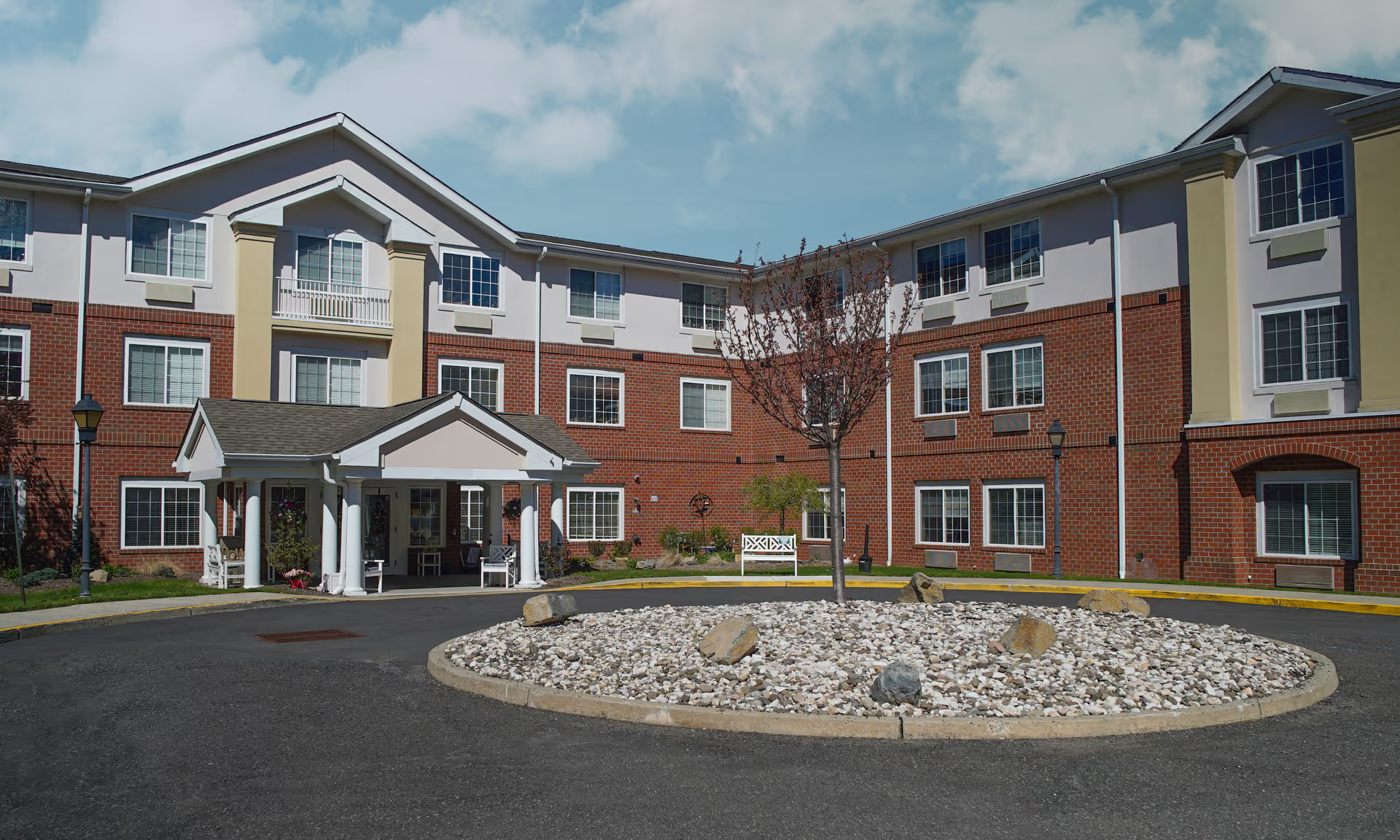
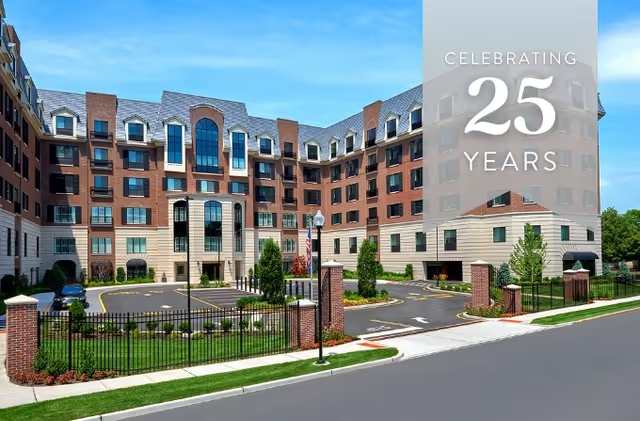
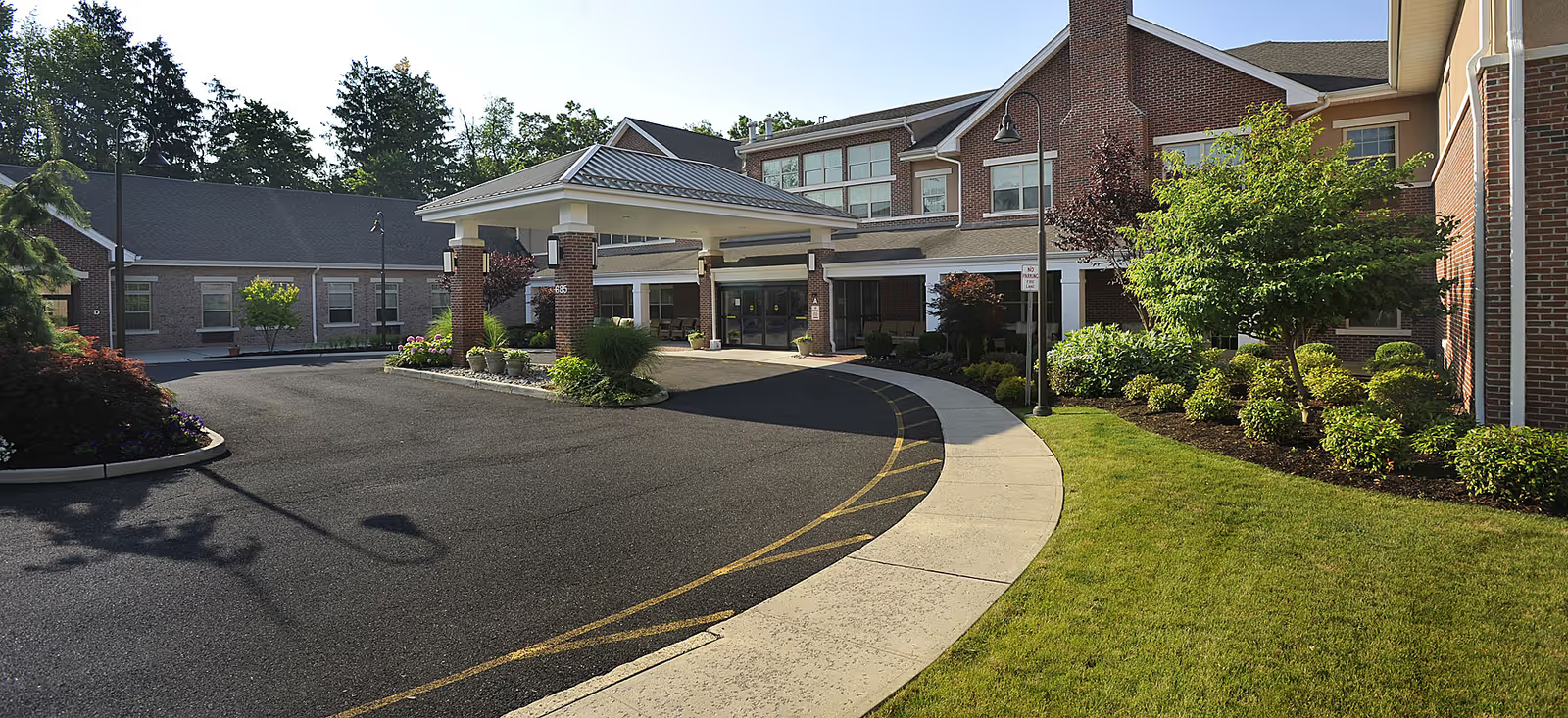
Sunrise of Cresskill is generally described as an attractive, clean community with a warm, residential feel rather than a clinical atmosphere. Families and visitors often praise the décor, grounds, bright common areas, dining room, and comfortable apartments. Unit layouts and amenities vary, and some prospective residents found room size, bathroom configuration, activity-space layout, noise, or location less suitable for their needs. The community offers independent living, assisted living, and memory care, which can support transitions as care needs change.
Care experiences are predominantly positive. Families frequently describe staff as kind, patient, attentive, and respectful, including in memory care. Long-term residents and relatives describe meaningful relationships with caregivers and say staff helped residents feel safe, comfortable, and treated with dignity. Family members also value welcoming visits, regular communication, and staff support during difficult transitions. However, care capacity and response times are not consistent in every account. A few families describe delays in reaching staff or clinicians, difficulty getting answers from administrative teams, or a mismatch between the support they expected and what was available for a resident with higher needs. One strongly critical account raised concerns about staffing, resident engagement, access to rooms, and upkeep of mobility equipment; this contrasts with numerous accounts describing attentive care and clean surroundings.
Dining feedback is mixed. Some residents and families praise the range of menu choices, meals, and attention to personal favorites, while others report dissatisfaction with food quality or temperature. Activities are often described as plentiful, with games, music, exercise, lectures, entertainment, and social events. Still, engagement appears to vary by resident and care neighborhood: some families would like more varied programming, off-site outings, music, or better facilitation of friendships, and one family found memory-care activities less available than assisted-living activities. Pandemic-era restrictions also affected access to activities for some residents.
Cost is a recurring consideration. Families describe the fees as substantial, and concerns include annual increases, added charges for services such as medication assistance or bathing, and difficulty obtaining clear answers about billing or pricing. Other administrative experiences are positive, particularly tours and admissions support, but follow-through has not felt equally reliable to everyone. Overall, the reviews present a strong pattern of appreciation for the staff, environment, and individualized care, alongside meaningful variation in staffing responsiveness, activity engagement, dining satisfaction, and financial transparency. Prospective residents should confirm the current care scope, staffing arrangements, activity options, fee schedule, and annual-increase policy for their specific needs.