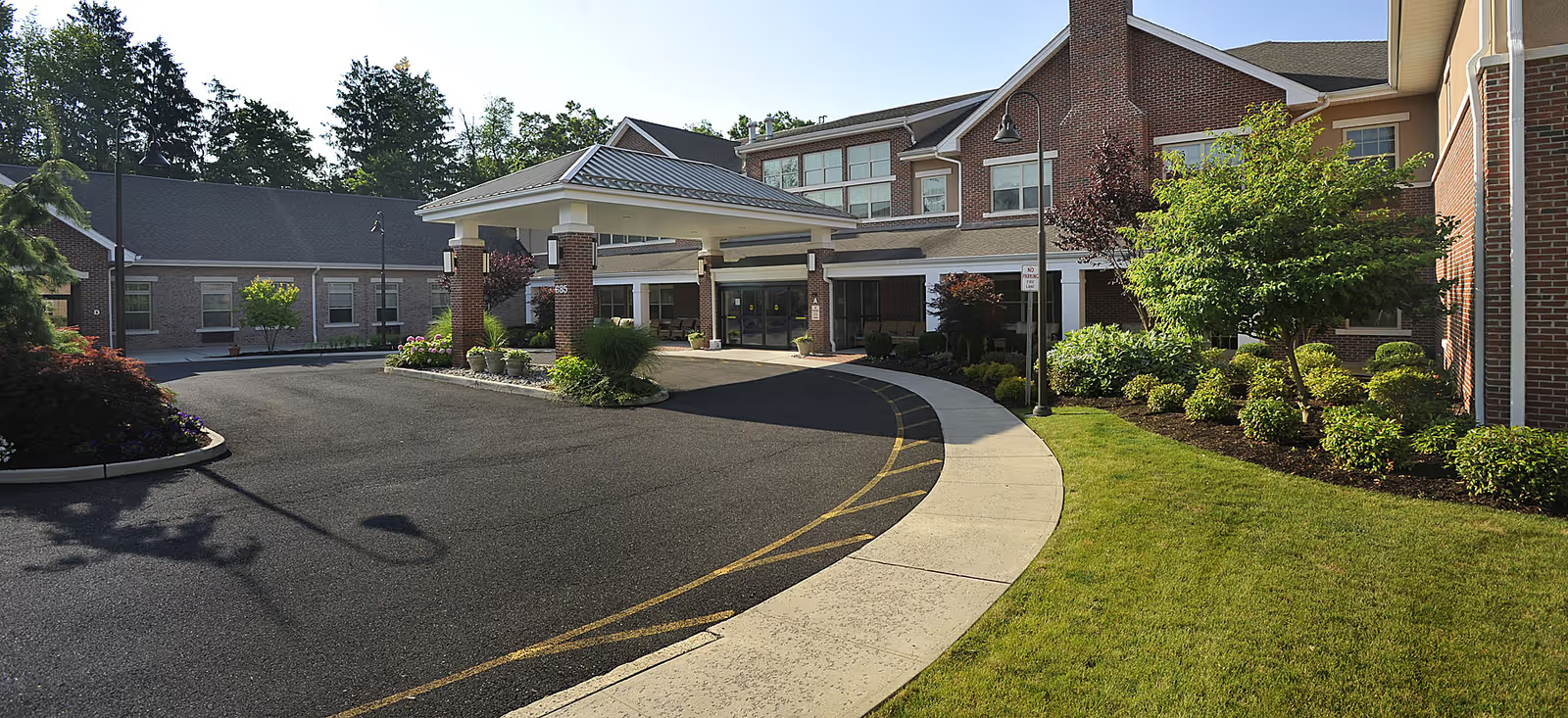
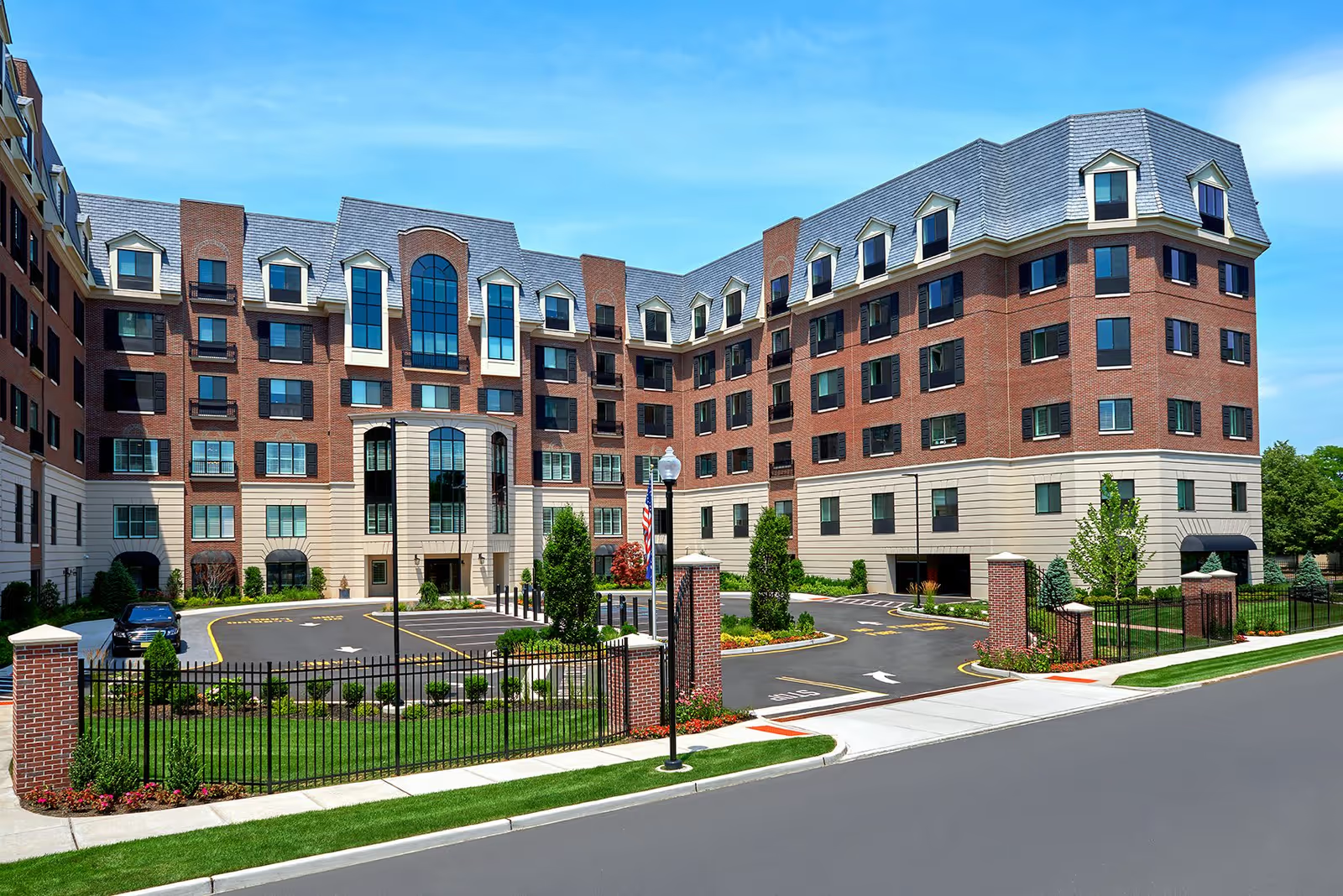
Fox Trail Memory Care Living is described by many families as a small, home-like memory care community with a strong emphasis on personal attention and family-style relationships. Reviewers consistently highlight compassionate, resident-centered caregiving and an involved house manager who provides frequent communication and hands-on coordination. The community models an aging-in-place philosophy and offers a fixed-price option; staffing ratios cited (approximately 1:4 daytime and 1:5 nighttime) and overnight commitment are often viewed positively by families.
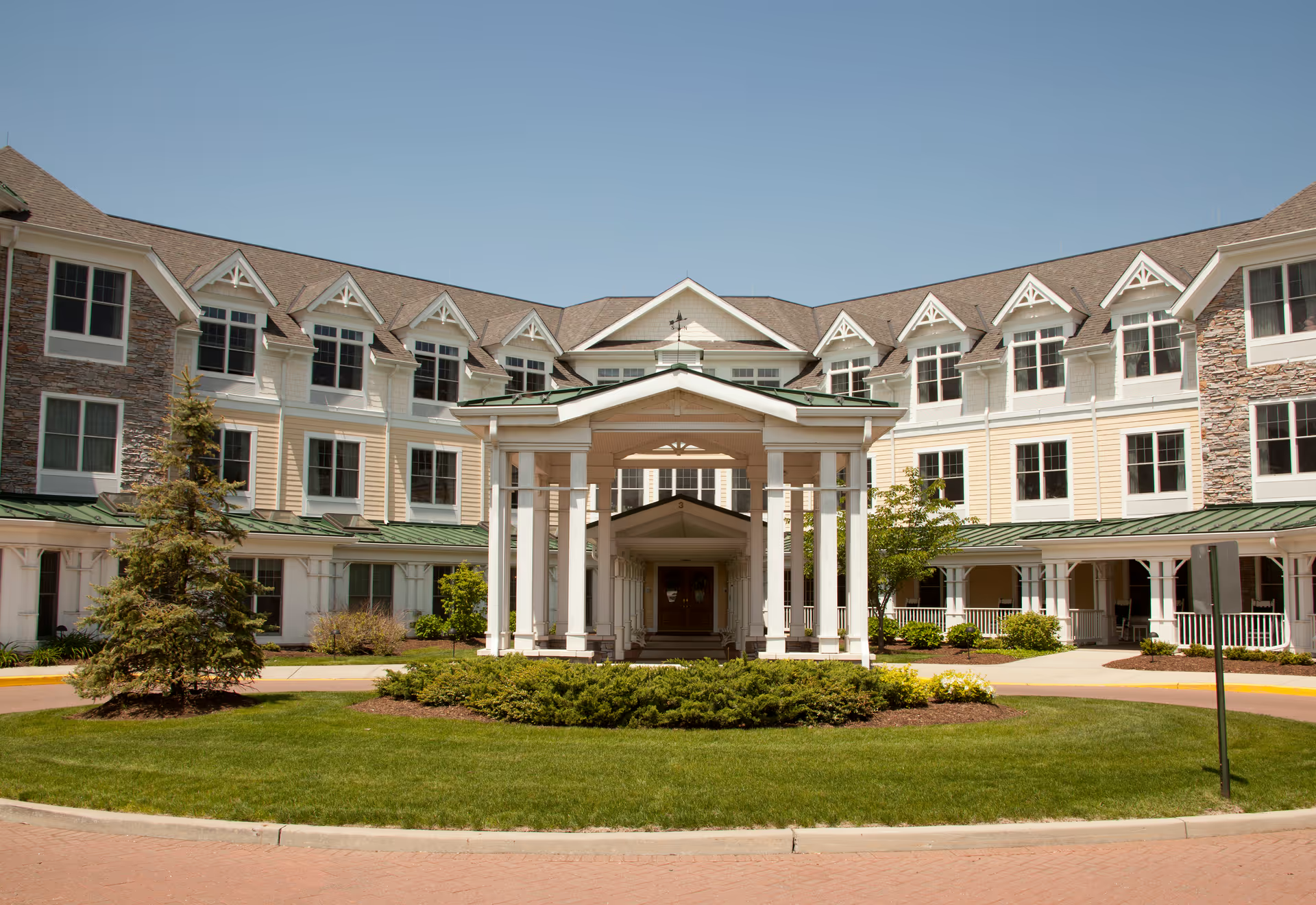
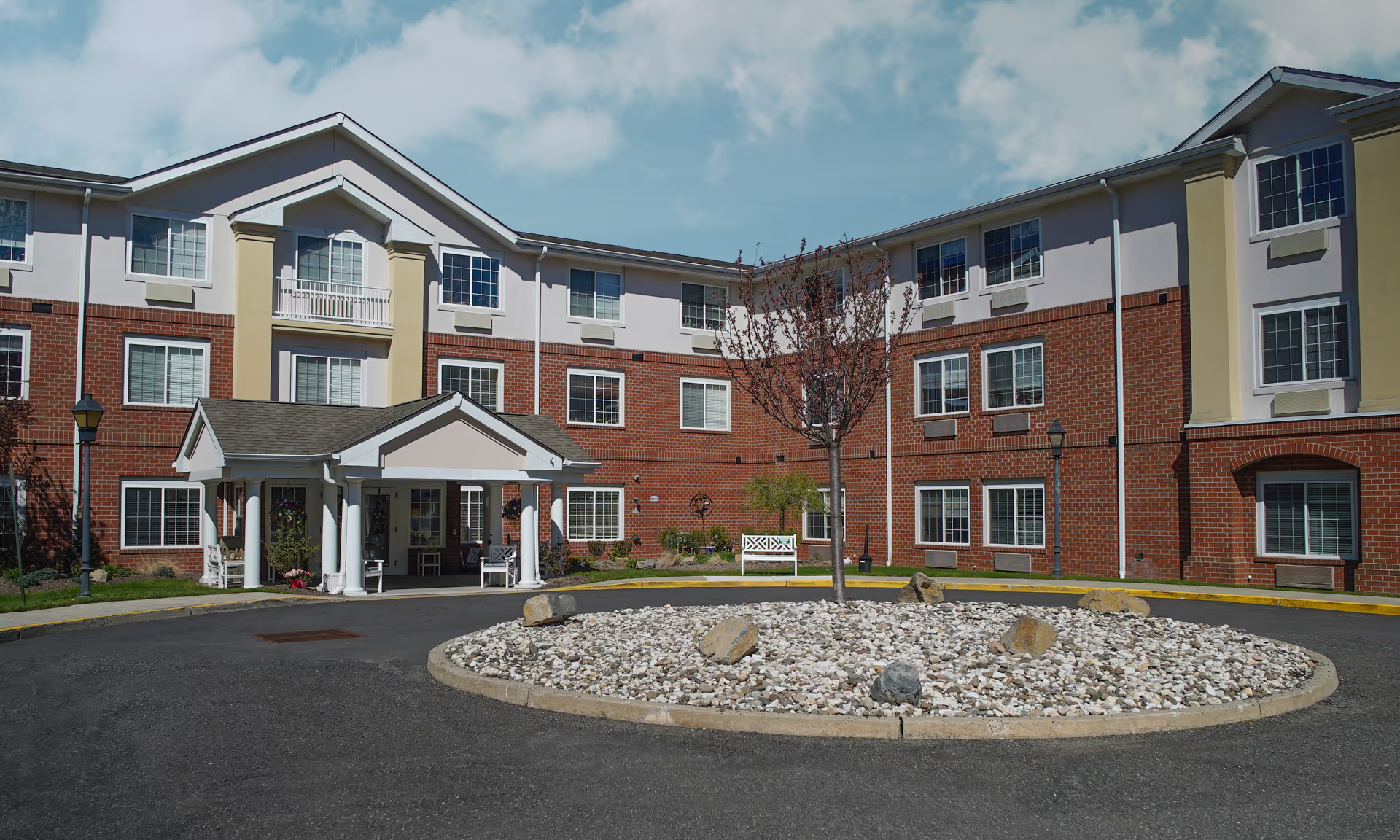
Clinical and wellness supports receive favorable mention: the facility maintains an on-site kitchen with nutritious, home-style meals and family dining, and it facilitates a range of visiting clinicians (physicians, dentists, podiatrists, psychologists, physical therapists). Memory-focused activities and social programming are common and contribute to a cheerful, engaging environment. Many families note cleanliness and well-maintained indoor and outdoor spaces, including a welcoming front porch and secure outdoor areas used for visits and activities. Pandemic-related infection-control measures and frequent family updates (phone, text, FaceTime) were also described as strengths during recent infection-control events.
Areas of operational concern emerge in a minority of accounts and point to variability rather than uniform practice. Administrative responsiveness and communication can be inconsistent; some families found supervisors or billing staff difficult to reach. Language barriers between some staff members and families were raised as a communication challenge. Financial operations have occasional weaknesses, with examples of billing and invoicing inconsistencies that required escalation to resolve. A small number of accounts described problems with medication handling and clinical escalation; these concerns suggest opportunities to strengthen medication-management protocols and emergency-response communication so families are consistently informed.
Staff performance appears uneven across accounts: while many describe attentive, patient caregivers who go beyond expectations, others describe instances of unprofessional conduct or inadequate urgency. This pattern points to variability in training, supervision, or fit rather than a single uniform culture. Facility layout and amenities generally score well for a residential memory-care model, though shared bathroom configurations in some rooms were noted as a potential drawback for families wanting private bathroom spaces.
In summary, Fox Trail presents as a compassionate, small-scale memory care option with notable strengths in personalized care, engaged leadership at the house-manager level, wholesome dining, and activity programming. Prospective residents and families would likely benefit from an in-person tour and targeted questions about administrative processes, language-support availability, medication-management procedures, billing practices, and visitation policies to ensure alignment with their expectations and to confirm consistency of practices across shifts.