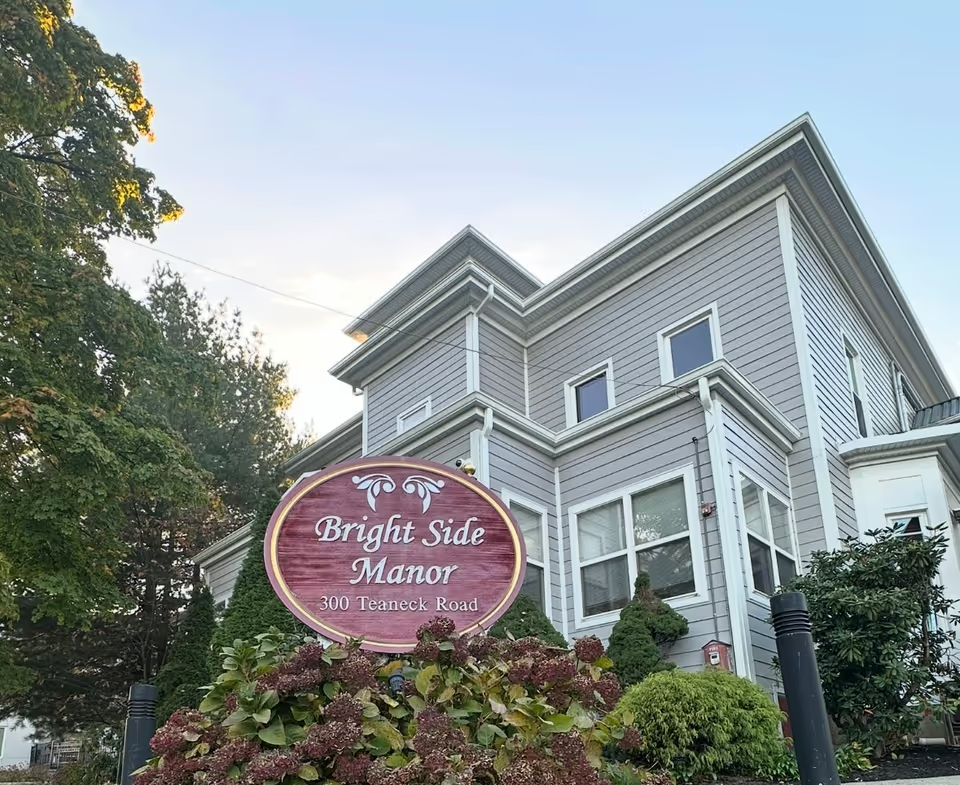
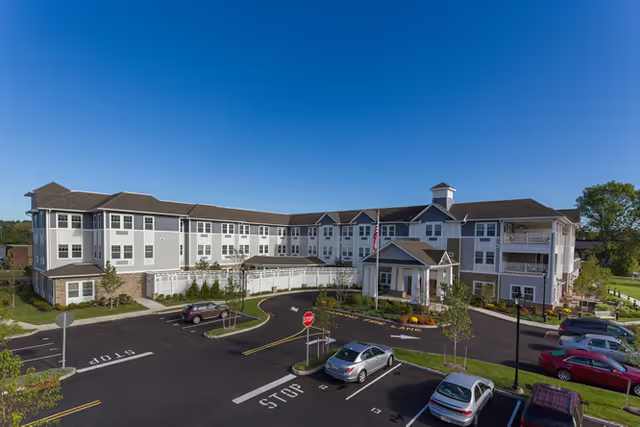
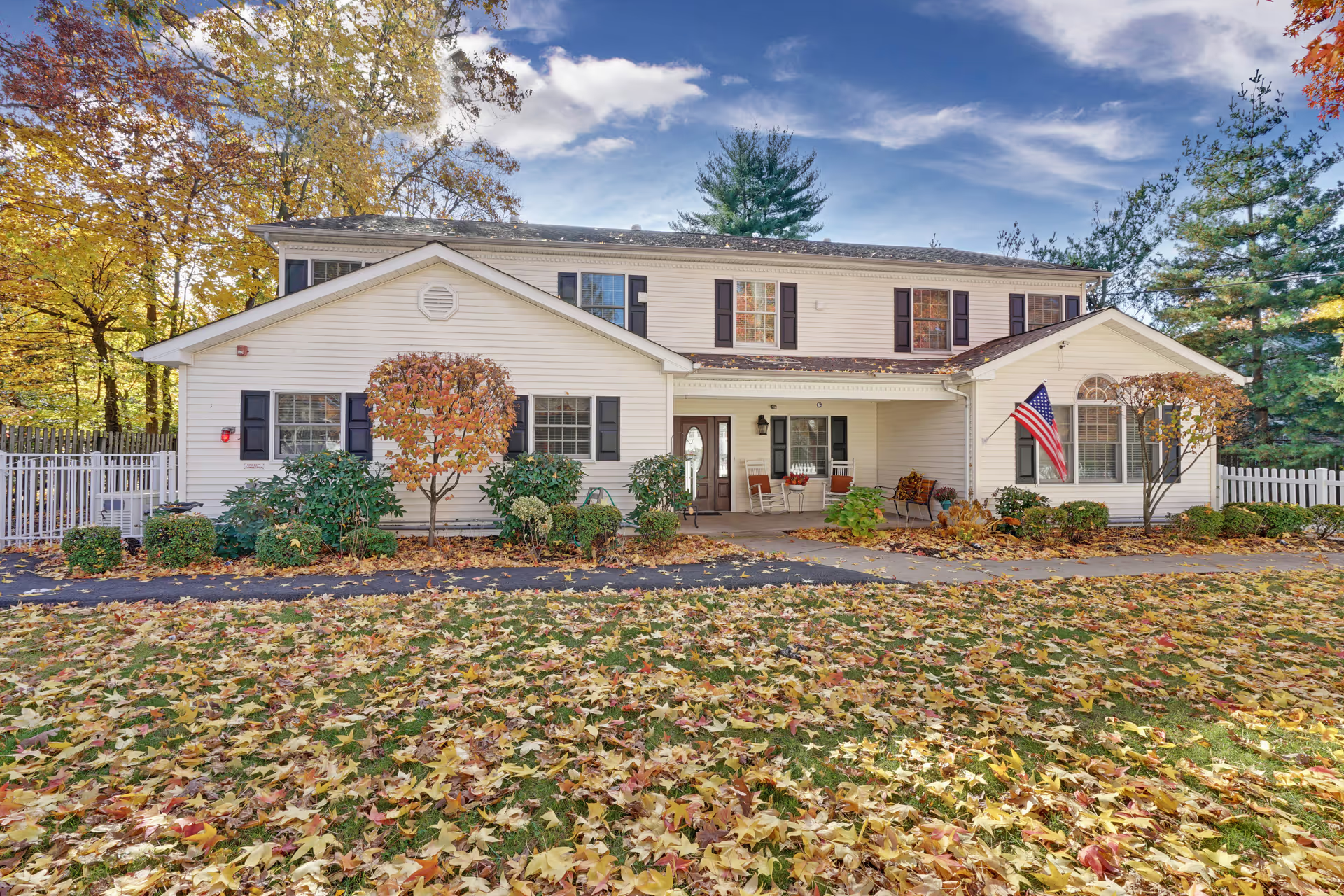
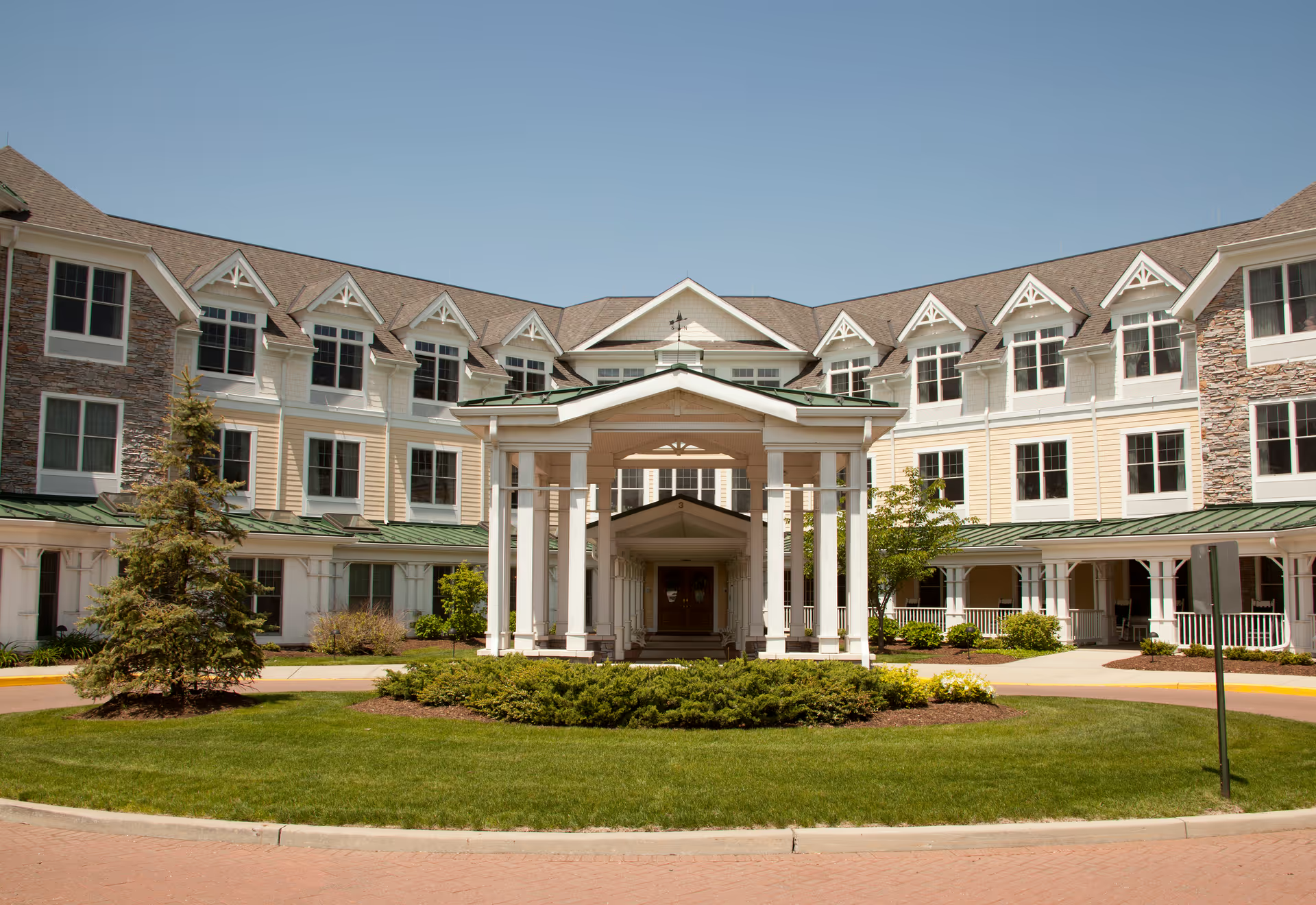
The Bristal Assisted Living at Englewood presents as a modern, well‑appointed assisted living community with many hotel‑style features. Reviewers consistently describe a bright, clean environment with numerous on‑site amenities such as multiple movie theaters, fitness spaces, beauty/barber services, and private dining options. The building and public spaces are frequently characterized as immaculate and thoughtfully decorated, which contributes to a strong first impression for prospective residents and families.
Care and staffing are central strengths for many families. Nursing, wellness, and direct‑care teams receive regular praise for compassion, attentiveness, and clinical competence; hospice and end‑of‑life support are also highlighted as attentive. The wellness department and on‑site therapy services were cited as contributing to residents’ safety and comfort. At the same time, staffing patterns appear uneven: while many families describe quick, caring responses, there are notable accounts of delayed call responses and stretched coverage during some shifts. These operational inconsistencies can affect perceptions of reliability, particularly for residents with higher medical needs.
Dining and lifestyle offerings are prominent positives. Multiple reviewers compliment the dining room, varied food stations, and an enthusiastic food-service team; special events and private dining for families are appreciated. However, there are mixed comments about meal quality and menu breadth: some families report excellent, varied meals, while others describe limited choices or difficulties with texture and chewing for certain residents. Prospective residents should review menu options and any special‑diet accommodations during a tour.
Activity programming is a pronounced strength. The community’s lifestyle leadership—frequently singled out for creativity and energy—offers a broad calendar of events including music, arts and crafts, lectures, outings, and memory‑care engagement. Many families report meaningful improvements in resident mood and participation tied to these programs. Memory‑care areas are noted for dementia‑friendly design and secure indoor/outdoor spaces that enable safe activity and socialization.
Operational and administrative patterns merit careful inquiry. Concerns clustered around inconsistent staffing levels, slow response to call systems, occasional sanitation and hygiene issues in individual rooms, and variable handling of high‑acuity clinical needs. There are also repeated references to billing or administrative communication lapses and to decisions around clinical discharge or return-to-community that some families experienced as insufficiently compassionate. A few comments point to role‑boundary issues and uneven staff professionalism. Additionally, a limited number of families expressed doubts about the reliability of emergency‑response devices. These are trait‑level operational items to discuss explicitly when evaluating the community.
In summary, Bristal Englewood is frequently described as an attractive, activity‑rich community with many committed caregivers and robust amenities—features that generate strong satisfaction for residents seeking an active assisted‑living lifestyle or dementia‑support programming. Families considering the community should balance those strengths against operational considerations: confirm staffing levels for the unit in question, review emergency response and escalation protocols, evaluate dining accommodations for specific dietary needs, and discuss administrative and billing processes to ensure alignment with expectations and clinical needs.