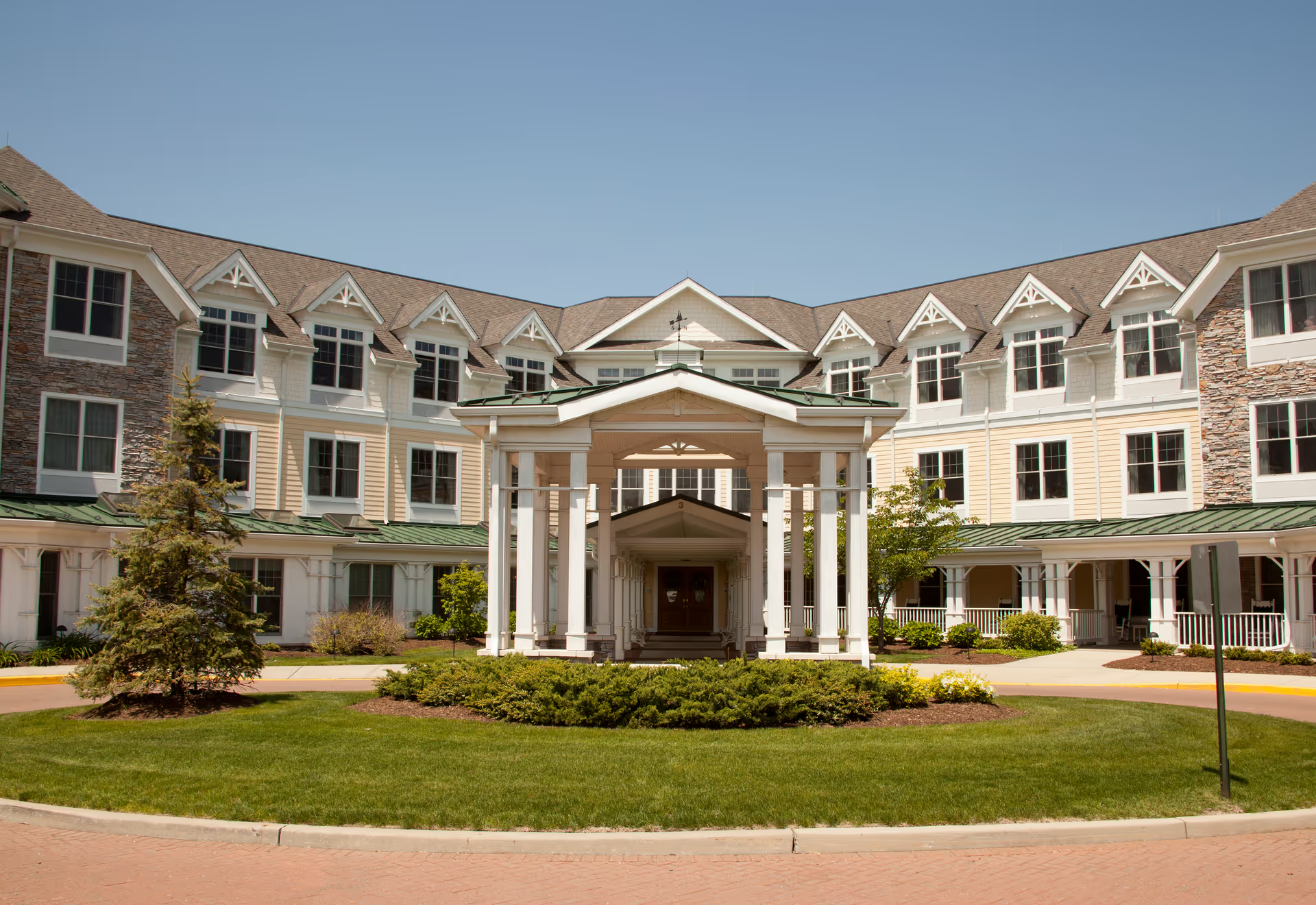
Bright Side Manor is presented consistently as a small, nonprofit senior residence with a strong emphasis on person-centered well-being. Families and residents frequently describe staff as caring, attentive, and responsive; the facility maintains on-site licensed nursing personnel and emphasizes nutritious, high-quality meals prepared on premise. The nonprofit model, sliding-scale pricing, and acceptance of Medicaid/Medicare are recurring features that support affordability and accessibility for lower-income families. Several accounts highlight an inviting, home-like atmosphere, active social events, daily physical activities when available, and outdoor amenities such as a garden.
Care quality appears generally positive for residents with low to moderate care needs. Reviewers praise the nursing team and day-to-day caregiving, and the administration is characterized as effective and helpful in resolving concerns. At the same time, the facility is not positioned as a high-acuity nursing center; a few families noted that it delivers less intensive clinical services than a traditional nursing facility, making it a better fit for residents who require supportive, rather than intensive, skilled care.
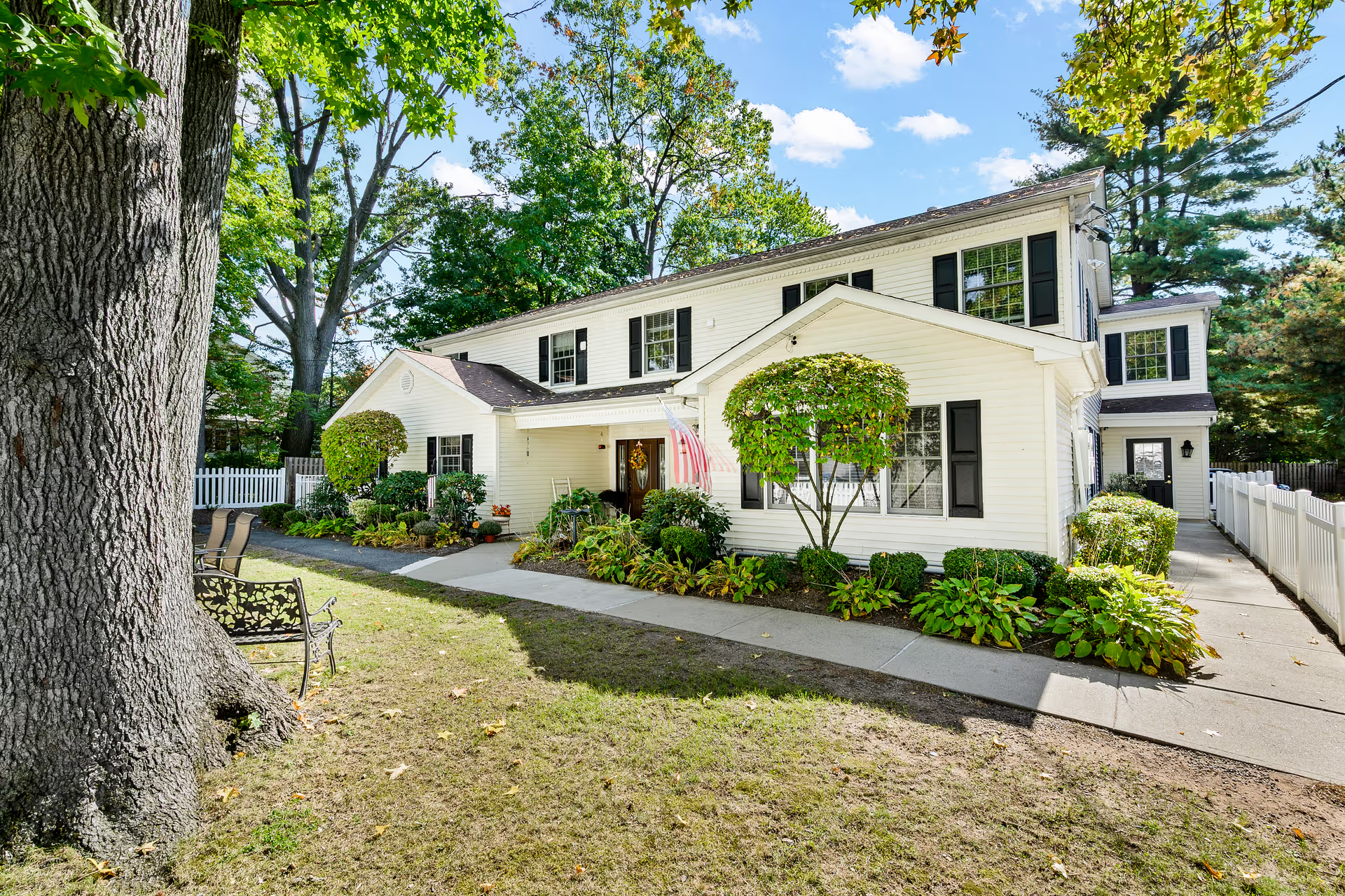
Dining and social programming are strengths: mealtimes are commonly described as a highlight, and planned activities and social events contribute to a pleasant community life. However, programming availability can be constrained by funding and public-health-related suspensions; prospective residents should expect periodic interruptions or reduced programming during such events. The property combines a converted Victorian structure with newer additions; this gives the facility a distinctive, homey character but also creates practical limitations. The older sections are sometimes described as dark or dated, with reports of tight or shared rooms, and occasional maintenance issues such as water stains or localized odor concerns in common areas.
Accessibility and physical layout are important operational considerations. Multiple comments point to limited wheelchair-friendliness and a lack of full accommodations for permanently wheelchair-dependent residents. Families seeking accessible layouts or more spacious private rooms may find the facility’s historic footprint constraining. Additionally, some observers experienced slower staff response times during higher-need moments, which aligns with the facility’s emphasis on a mellow, slower pace of life — an environment that many residents appreciate but that may not suit highly active individuals.
In summary, Bright Side Manor is best described as a nonprofit, community-oriented option with notable strengths in compassionate caregiving, dining, and a warm social atmosphere. It presents good value for residents needing low-to-moderate levels of support and for families prioritizing affordability and a home-like setting. Trade-offs include limited accessibility for permanent wheelchair users, some dated or tight physical spaces in the older building, occasional maintenance and odor issues, and programming that can be affected by funding or infection-control measures. Prospective residents should weigh the facility’s strong person-centered culture and affordability against these operational limitations and the level of clinical support required.