Overall impression Canterbury at Cedar Grove presents as a facility with strong clinical rehabilitation capacity and many staff members who build positive relationships with residents and families. Therapy teams (physical, occupational and speech) and some nursing staff receive frequent praise for improving mobility and functional outcomes. Several families described effective nurse managers and case managers who kept them informed and helped resolve care-plan issues. At the same time, reviewers consistently identify operational gaps that create uneven resident experiences.
Care and staff Clinical care shows a mix of strengths and inconsistencies. Rehabilitation services are frequently described as excellent and effective in meeting mobility goals. Day-shift nursing teams and particular nurses or aides are often singled out as compassionate and competent; these staff members provide timely clinical updates and hands-on support. However, staffing variability—notably on evenings and weekends—and uneven training for part-time aides create lapses in responsiveness and personal-care tasks. Reviews indicate delays in attending to resident needs at times, inconsistent hygiene and clothing management, and variability in clinical knowledge among staff across shifts.
Dining and nutrition Dining experiences are highly variable. Some families praised well-balanced, appealing meals and accommodating dietary planning; others described poor or inconsistent food quality, repetitive menus and service interruptions (including disruptions after a documented kitchen event). There are indications that meal quality improved at times after management intervention, but irregularity in portions, texture/temperature, and adherence to dietary restrictions were recurring concerns. Families looking for reliable, therapeutic nutrition should verify current kitchen operations and dietary protocols during a tour.
Activities and social engagement The facility offers organized activities and a range of special events that many residents and families enjoy; these are noted as thoughtful and well run when staffed. However, activity participation is not always inclusive, and some residents were not engaged in programming aligned with their interests. Scheduling and staffing constraints sometimes lead to cancellations or diminished programming on certain units or shifts.
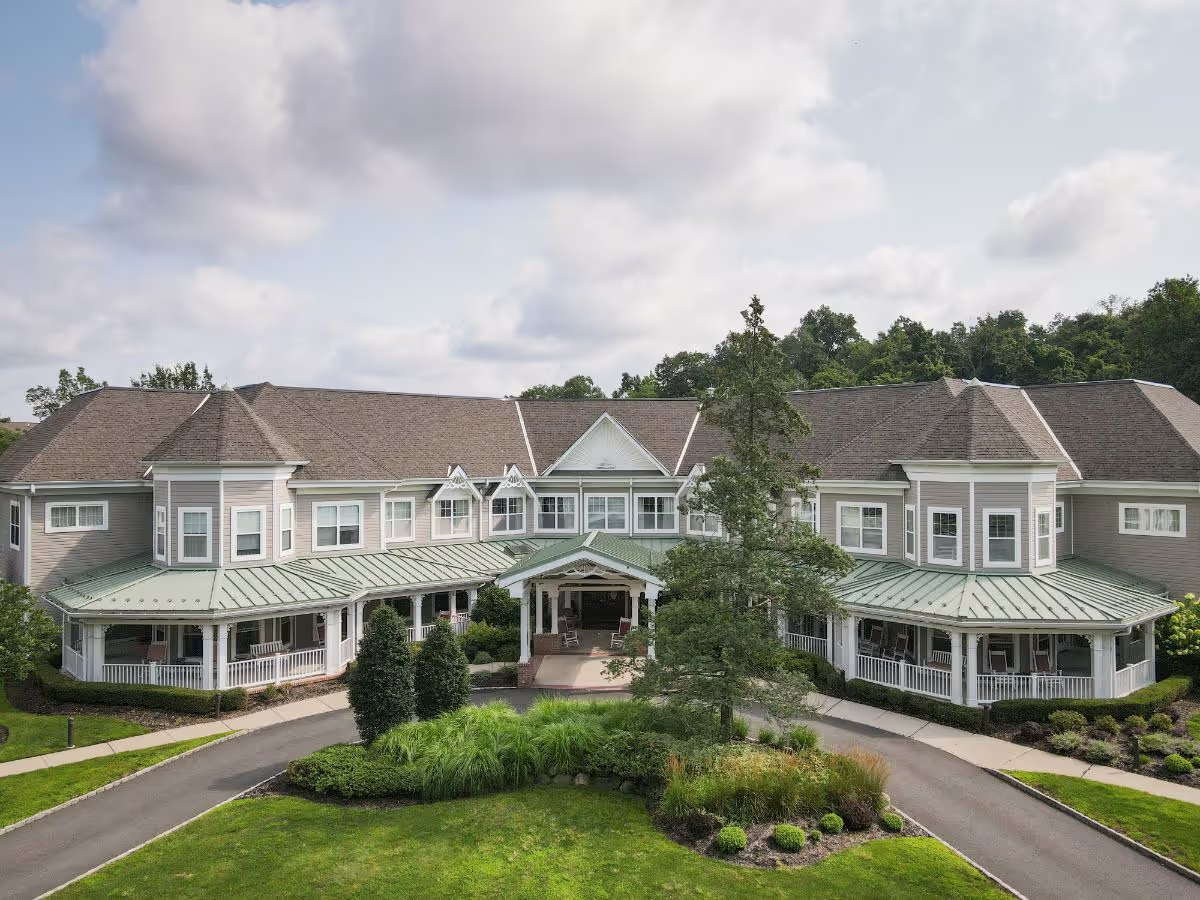
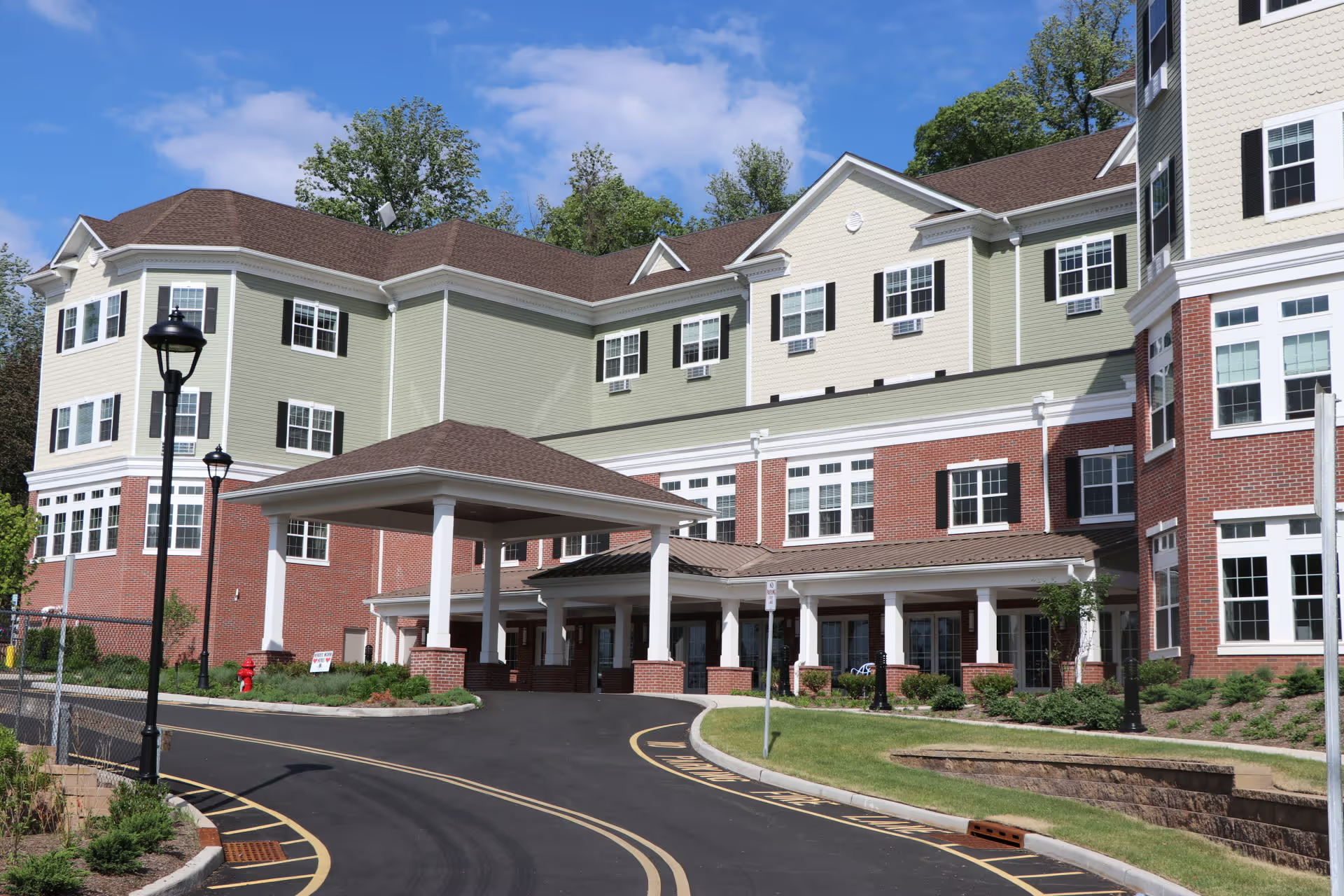
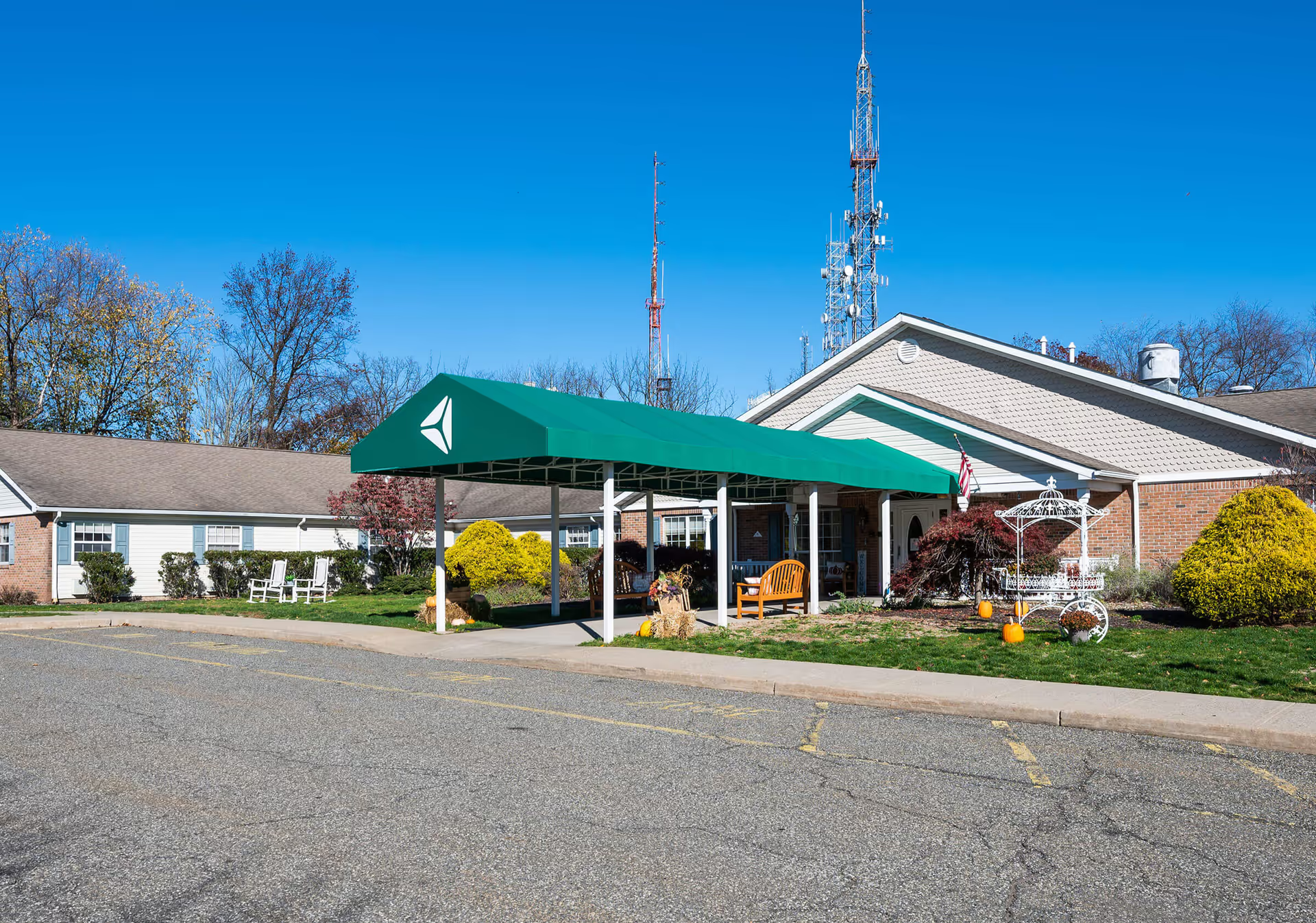
Facilities, maintenance and cleanliness Physical-plant issues are a clear pattern. The building is often described as older and in need of renovation; peeling paint, cramped rooms, broken or outdated fixtures, occasional odors, and evidence of maintenance backlog were cited. Housekeeping standards appear inconsistent across units—common areas and some rooms are maintained well, while others show sanitation concerns, pest-control observations, or missed housekeeping tasks. Shared rooms with only curtain separation raise privacy concerns for families seeking more private accommodations.
Management, communication and administration Communication and administrative responsiveness are uneven. When care teams and managers are proactive, families report peace of mind; when communication falters, families describe unanswered calls, delays in returning messages, and difficulty obtaining records or clarification. Administrative barriers such as fees or delays for medical-record access and inconsistent follow-through on promised changes contribute to frustration. Renovation activity and past kitchen incidents have also affected service continuity and family confidence.
Notable patterns and considerations for families The dominant pattern is one of high-quality clinical pockets—especially in therapy and certain nursing shifts—combined with operational variability that affects daily living, meals, and housekeeping. Prospective residents and families should evaluate current staffing consistency (particularly evenings/weekends), tour multiple units to assess cleanliness and odors, inquire about the status of kitchen operations and dietary accommodations, and confirm how call-response and record-access processes are handled. If continuity of nursing aides and strong weekend staffing are priorities, ask for recent staffing metrics and examples of corrective actions taken by management. Overall, Canterbury appears capable of delivering strong rehabilitation outcomes and compassionate care from dedicated staff, but it also requires active management attention to standardize housekeeping, meal service, communications, and maintenance across the facility.