The reviews reflect a polarized, highly mixed experience at Complete Care at Cedar Grove. A substantial number of families and residents praise individual caregivers and therapy staff for compassion, clinical skill, and dedication. The rehabilitation program, including identified leadership in therapy, receives consistent positive mention for mobility gains and short-term recovery outcomes. Several reviewers highlighted attentive CNAs and nurses, a friendly reception team, well-appointed common areas, and successful family events — all indicators that parts of the staff and facility operation offer a strong, person-centered experience.
At the same time, a recurring set of operational problems appears across reviews. Staffing inconsistencies and turnover are repeatedly linked to delayed responses to call lights, prolonged waits for assistance, gaps in personal-care routines (including bathing and incontinence-related care), and occasional development of wounds. These staffing gaps also coincide with reports of laundry and linen shortages, delayed maintenance in some patient rooms, and variable supervision on units. Where staffing is adequate, reviewers commonly describe good care; where it is thin, families report slower attention and more service breakdowns.
Dining and nutrition are another area of variability. Several reviewers describe poor handling of medically tailored diets (renal/diabetic), low-protein or limited entrée choices, and inconsistent meal temperature or portioning. Conversely, some families experienced adequate meal service and prompt housekeeping. The pattern suggests uneven kitchen practices and gaps in dietitian coordination rather than a uniform program-level standard.
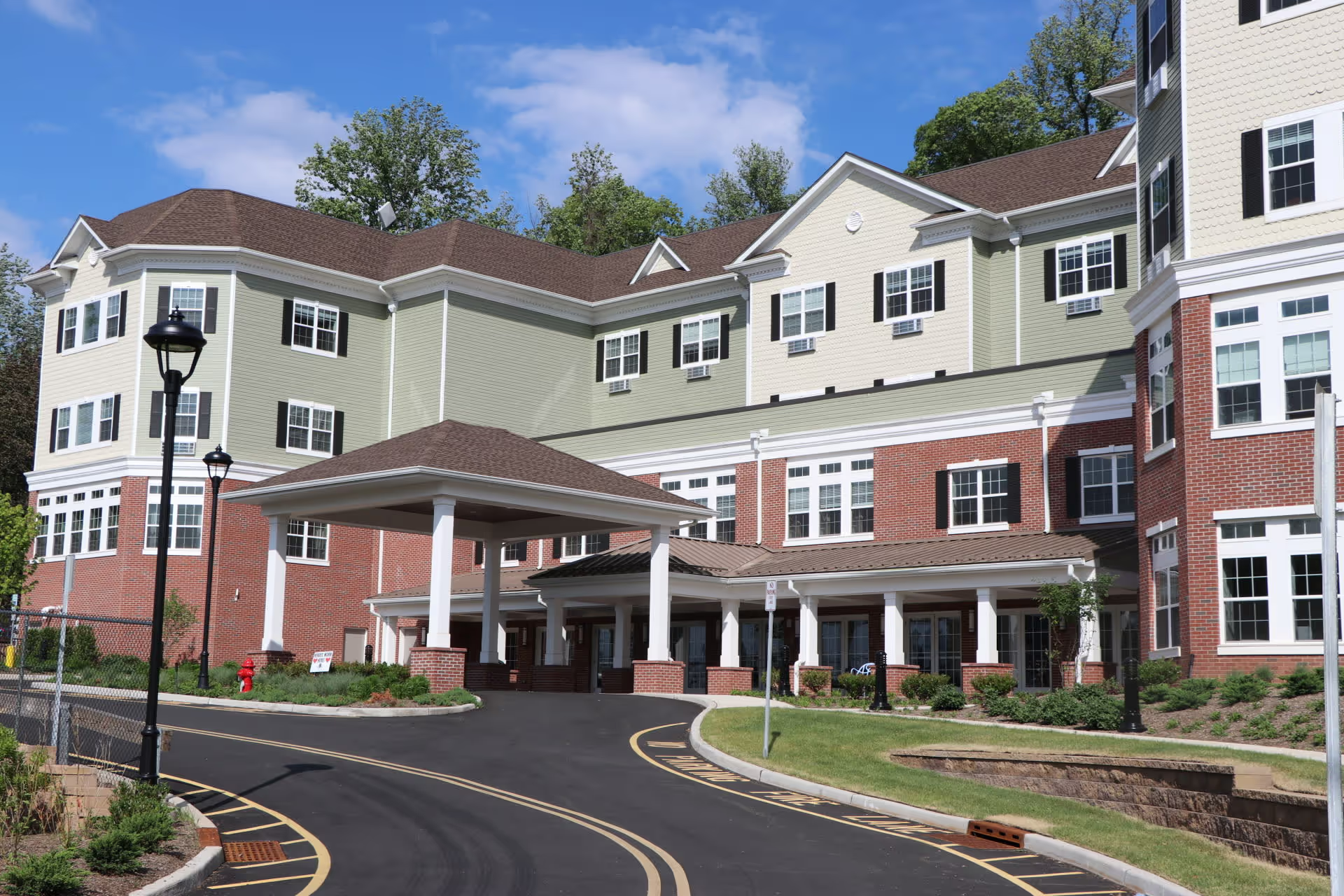
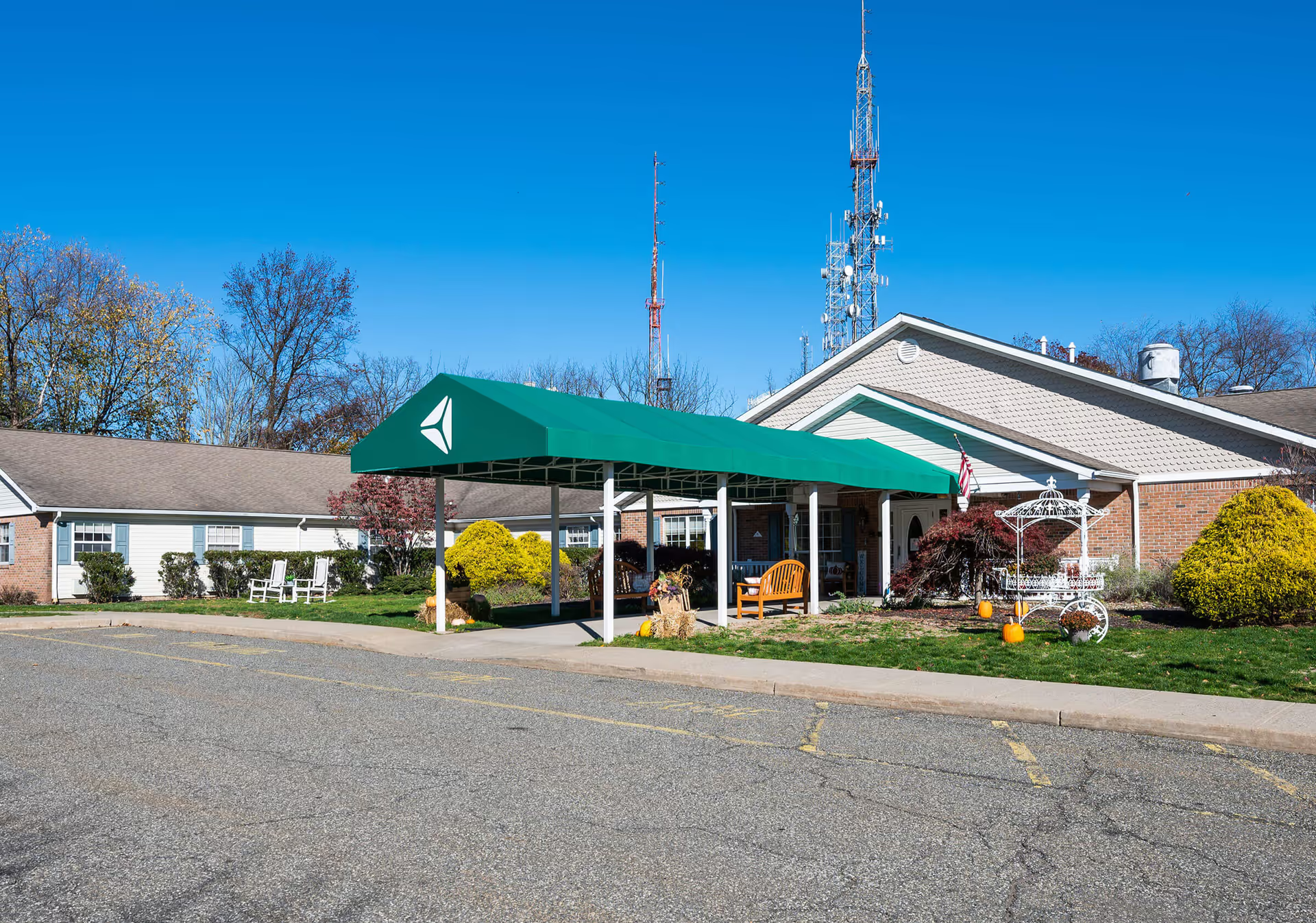
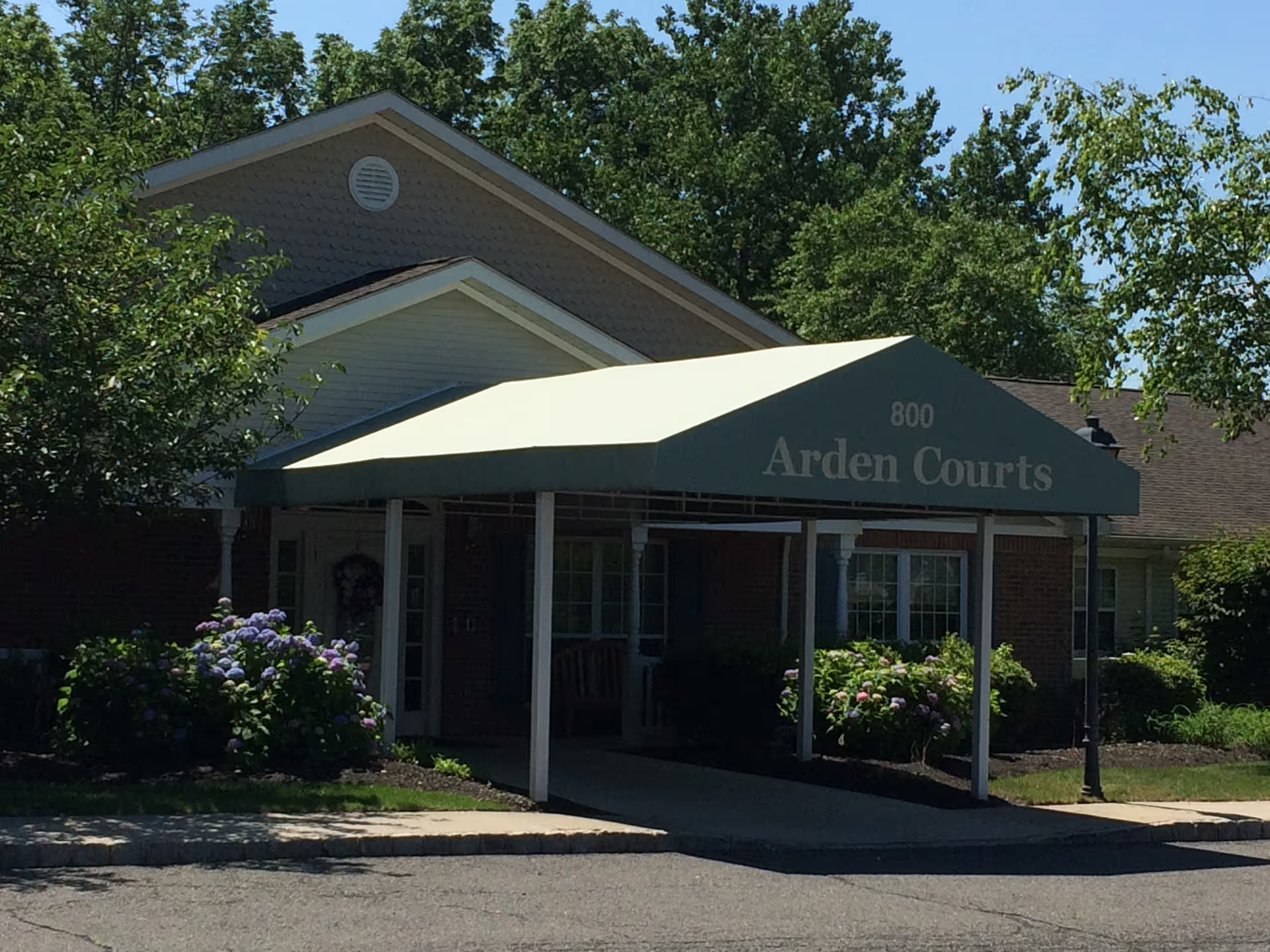
Facility condition and sanitation are described inconsistently: many reviewers note a clean, pleasant lobby and well-maintained public spaces, while others raise sanitation concerns, odor issues in some rooms or hallways, and dated patient rooms with intermittent climate-control problems. Laundry and supply-chain issues (broken machines, delays) contribute to perceived declines in room readiness and resident comfort in certain units.
Communication and management practices are also mixed. Some families commend proactive managers and specific staff members who resolved issues; others describe poor follow-through, slow administrative response, and a need for stronger care-plan coordination between nursing, therapy, and dietary teams. Training and conduct of individual staff are variable — reviewers describe both highly professional, respectful caregivers and staff members whose tone or behavior raised concerns. Medication access and administration surface as a critical concern in a subset of reviews: delayed medication availability, staff uncertainty about medications, and isolated allegations of missing medication create an elevated safety concern that warrants verification during an on-site evaluation.
Activities and social programming are generally adequate around therapy-driven offerings (PT/OT) and occasional events (music nights, milestone celebrations), but many reviewers report limited recreational programming outside of clinical therapy, and pandemic-related restrictions or operational decisions have reduced activity frequency for some residents.
Overall, Complete Care at Cedar Grove demonstrates clear strengths in rehabilitation services and in the commitment of many direct-care staff, with several families reporting meaningful improvements and positive interpersonal experiences. However, recurring operational issues — chiefly inconsistent staffing, sanitation concerns in specific areas, variable meal/dietary execution, laundry/supply interruptions, and uneven administrative responsiveness — create a mixed picture. Prospective residents and families should consider an in-person visit, ask targeted questions about current staffing ratios, therapeutic-diet procedures, medication policies and security, laundry turnaround, and how leadership addresses unit-level sanitation and staffing fluctuations.