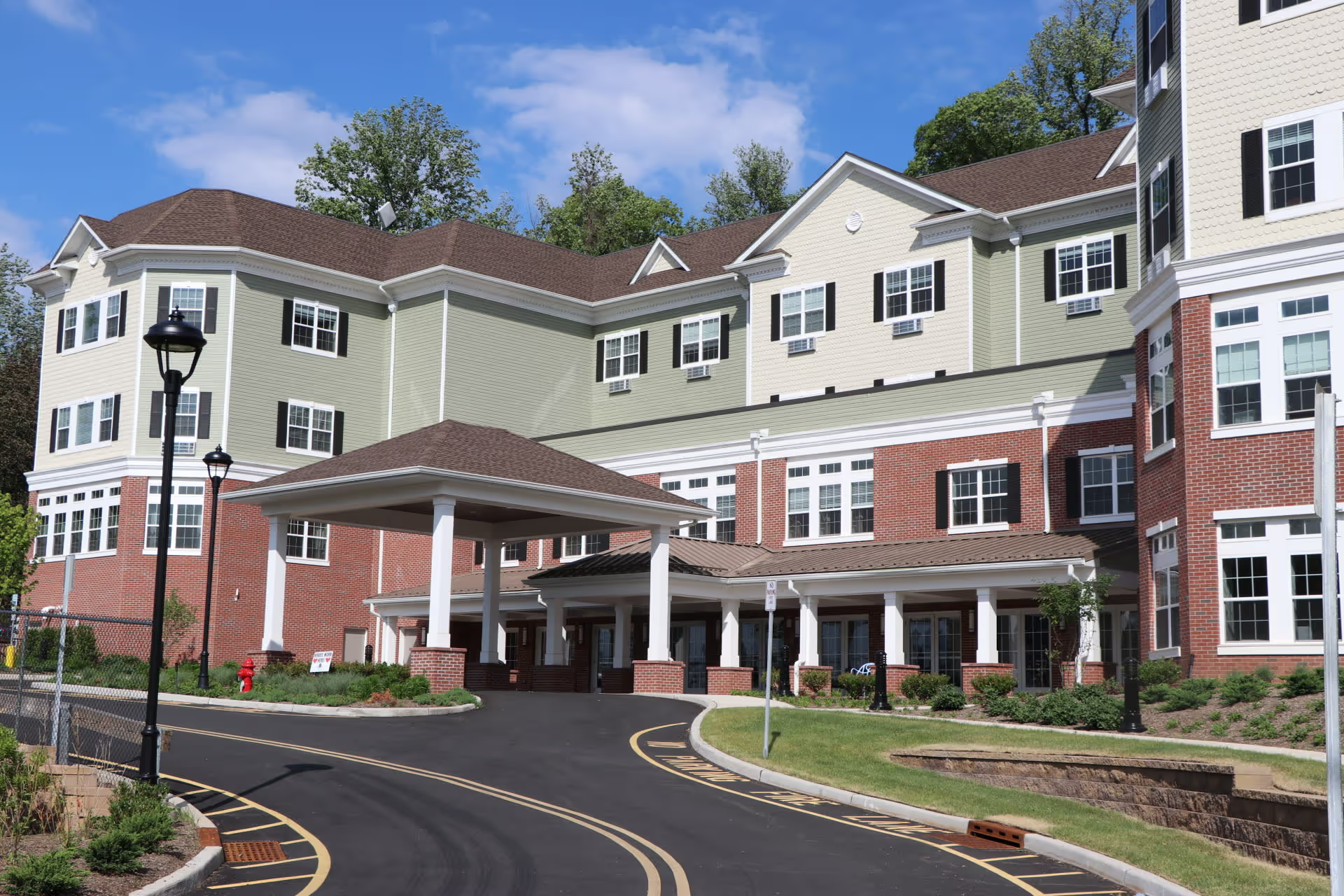
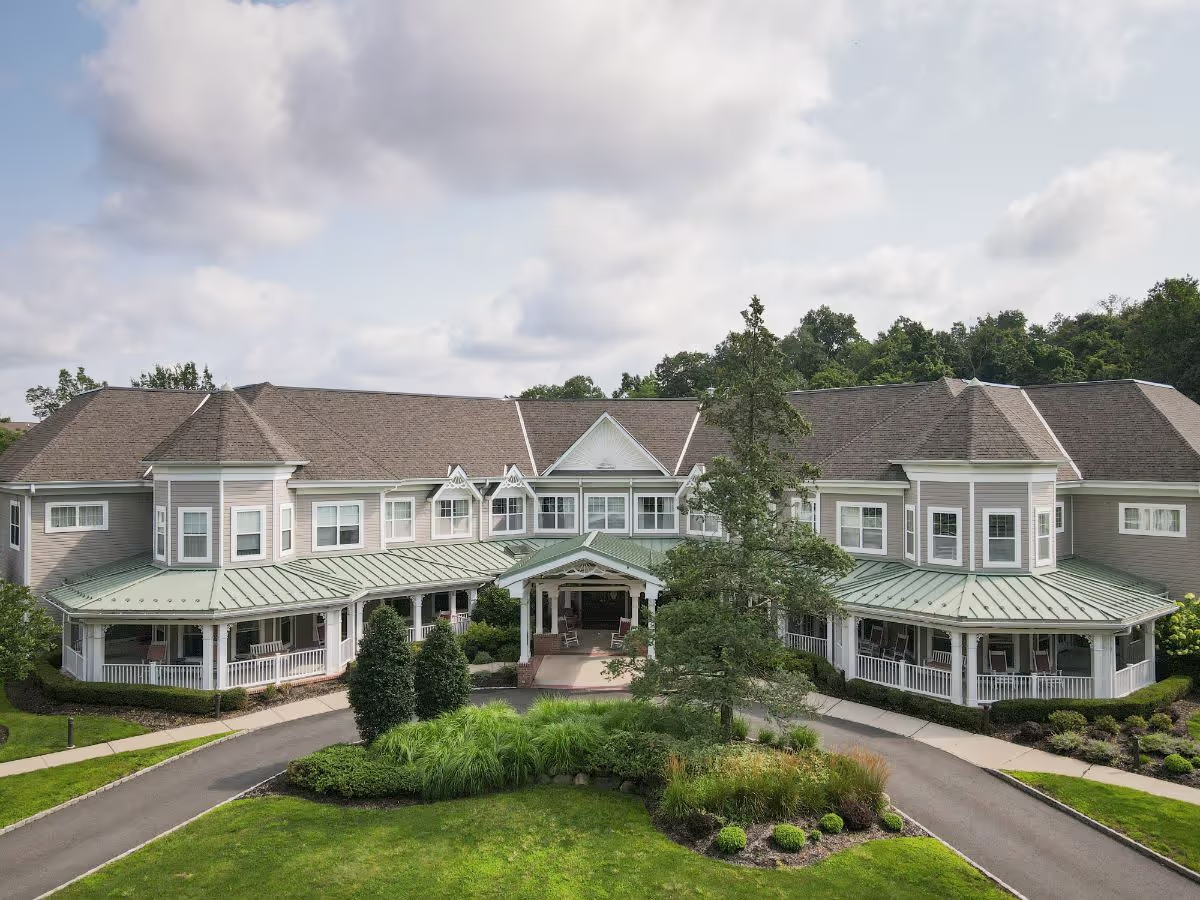
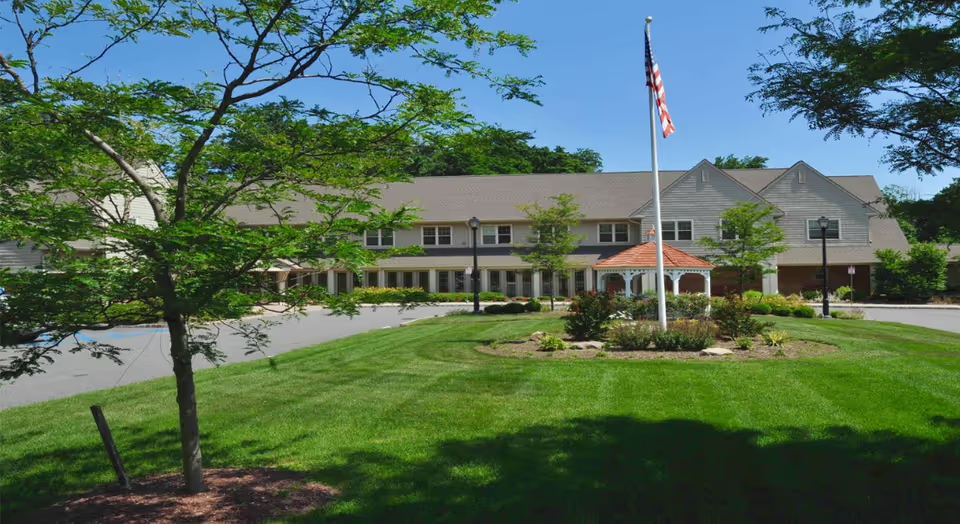
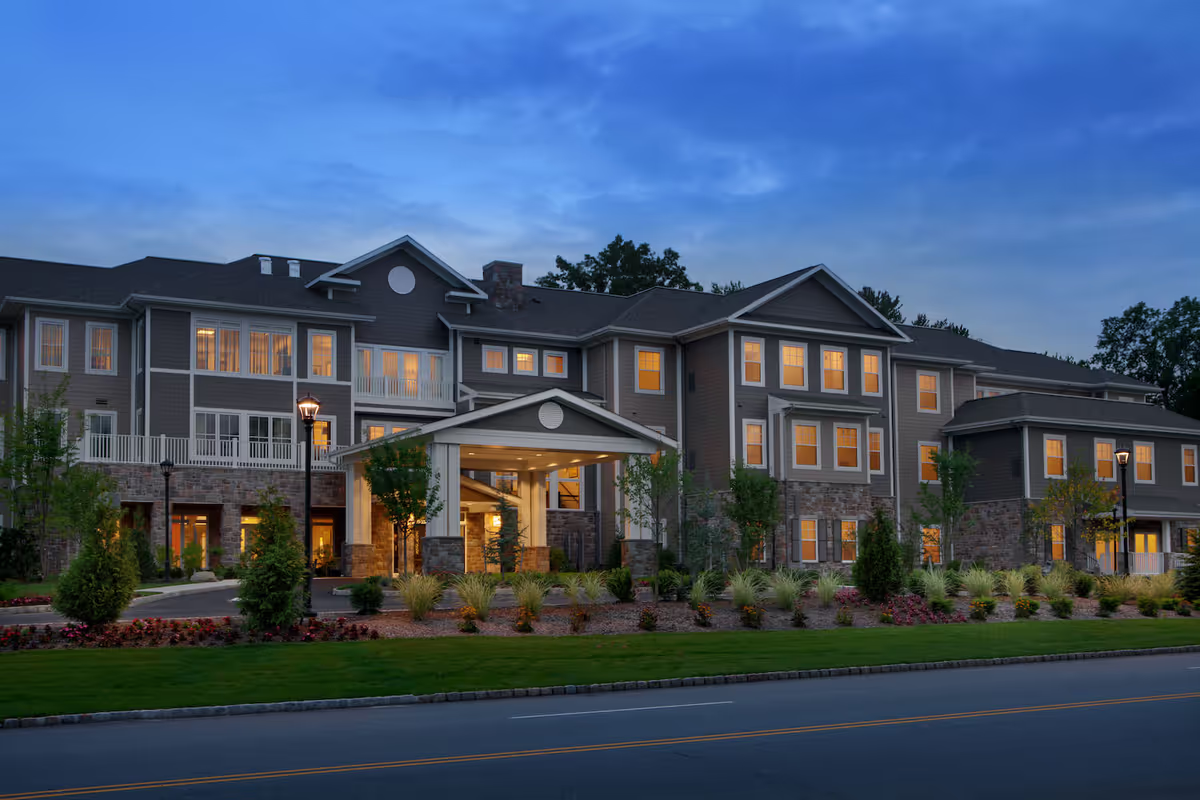
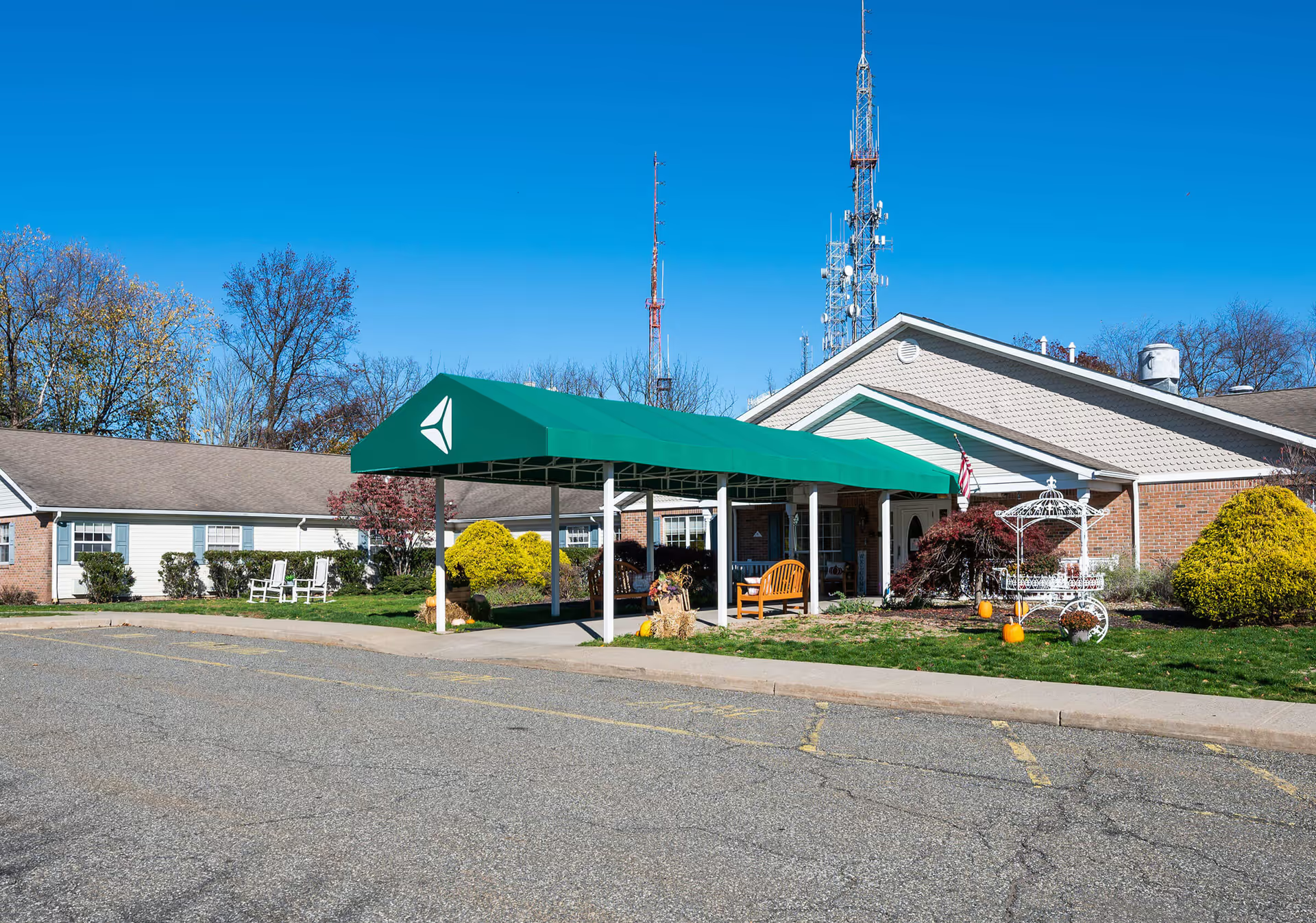
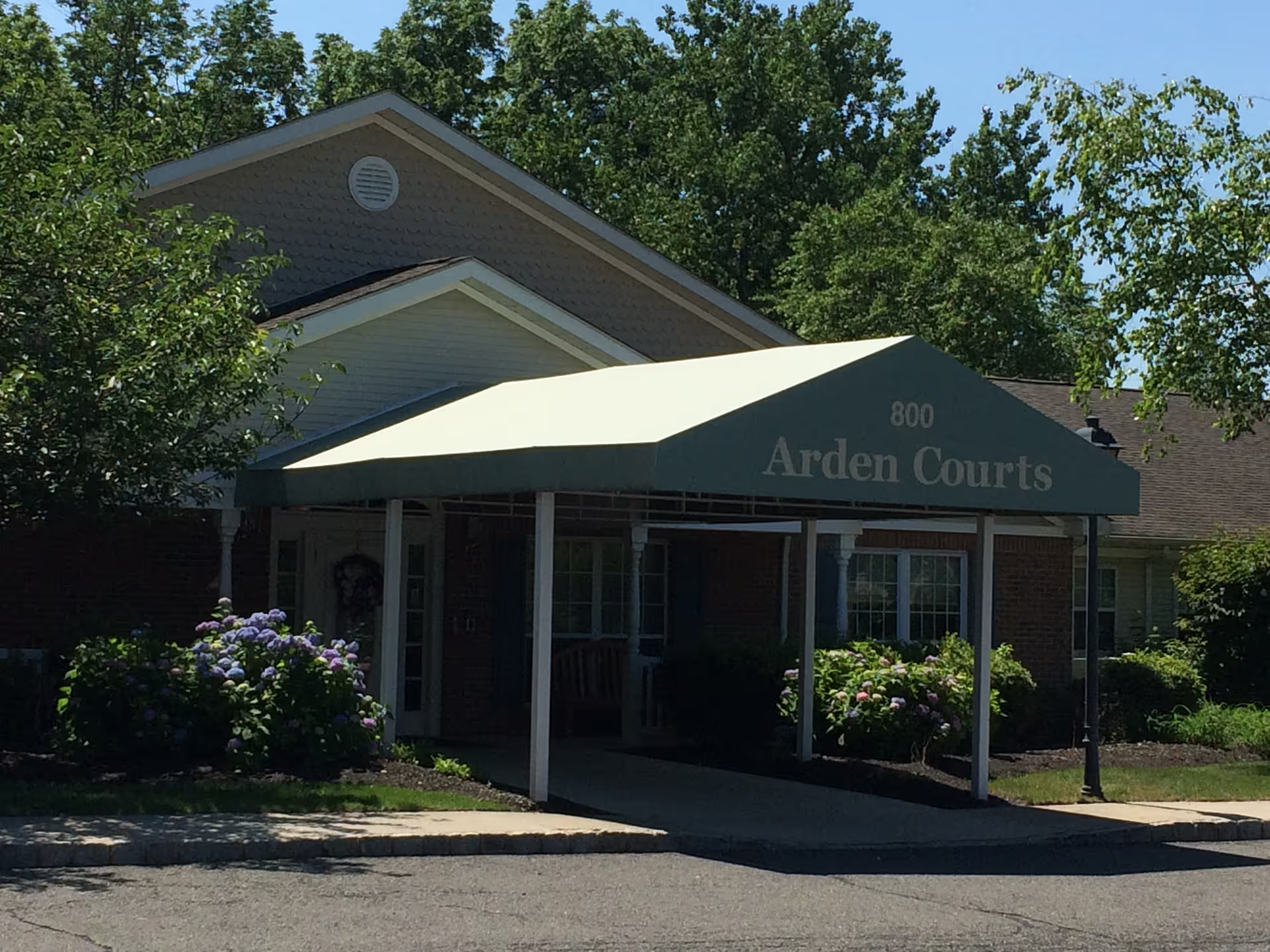
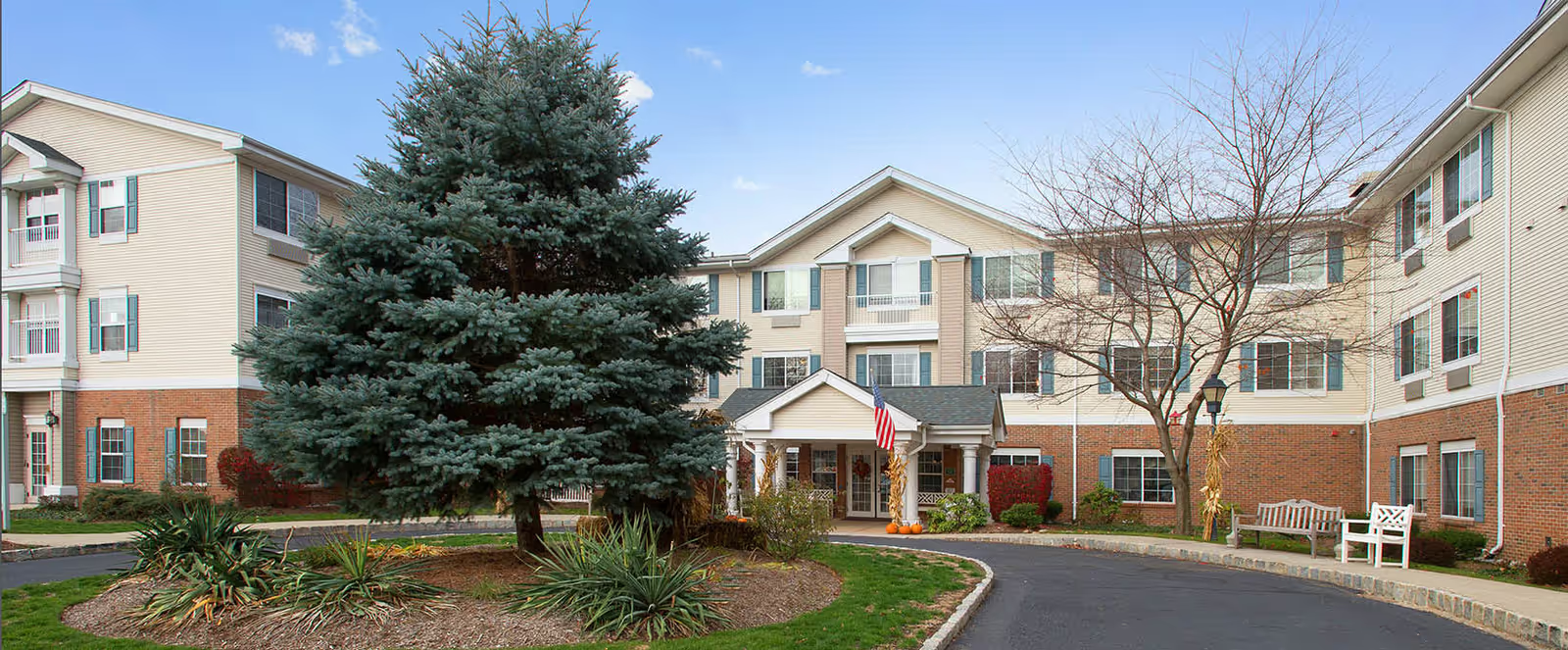
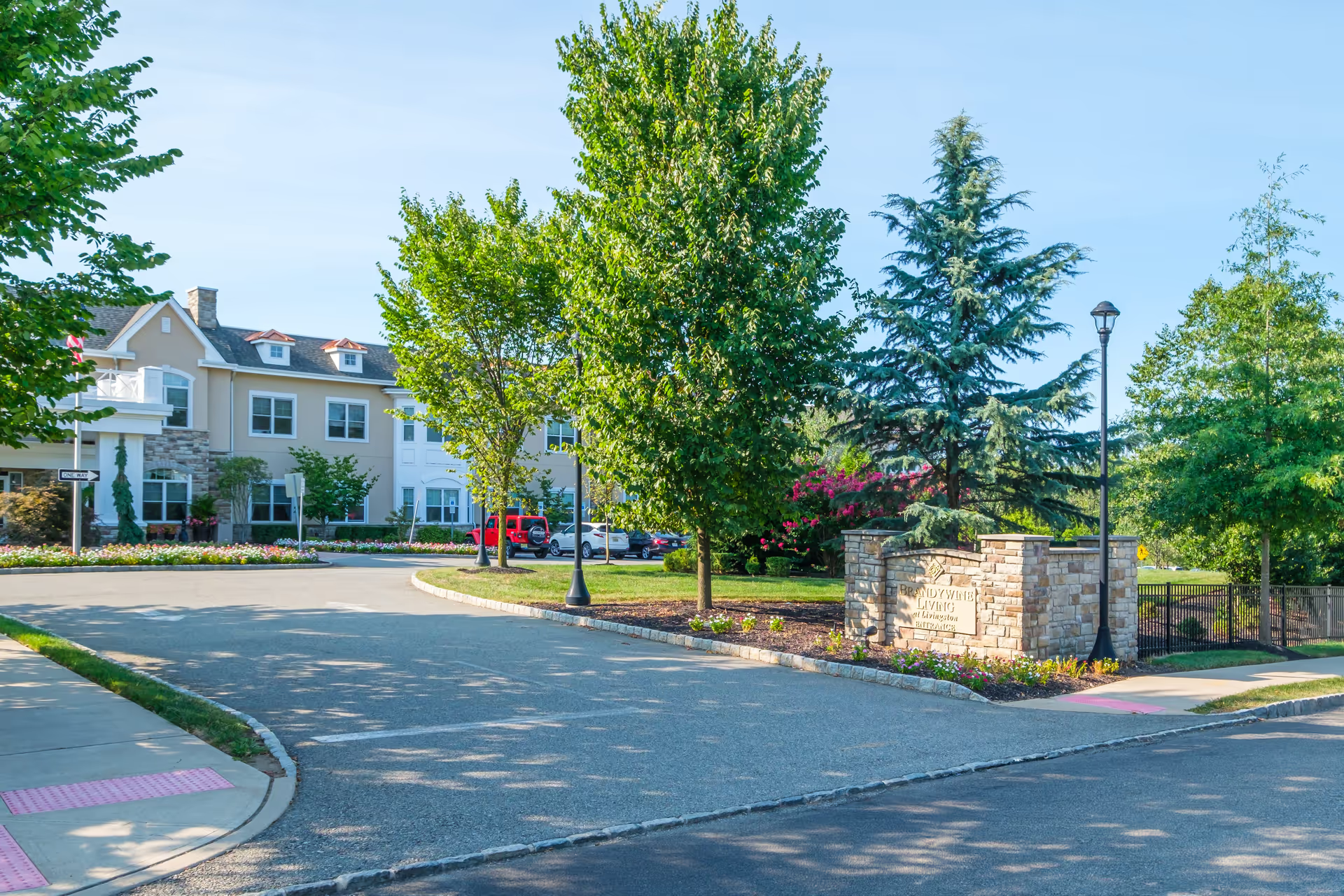
Overall impression: Reviews present a mixed but informative picture. Many families and visitors emphasize a clean, well-kept building with attractive grounds and a pleasant patio/view; housekeeping and visible staff presence are frequently praised. Recreational programming, entertainment events, and available pastoral/spiritual services are consistently cited as strengths. For short-term rehabilitation stays some families report clear functional improvement and attentive therapy support, producing peace of mind for relatives.
Care and staffing: A prominent theme is that direct care staff — nurses and CNAs — are often described as compassionate, attentive, and relationship-focused. Several accounts highlight individual caregivers who developed rapport, took time to know residents, and contributed to positive changes in mood and function. At the same time, reviewers describe variability in staff professionalism and responsiveness: while daytime staff and many CNAs receive strong praise, there are intermittent reports of disrespectful interactions, inconsistent follow-through on promises, and slower responses to call buttons at times. These contrasts suggest generally capable frontline staff with occasional operational inconsistencies.
Clinical practices and safety: Families raised operational concerns that affect clinical reliability. Patterns inferred from reviews include delayed responsiveness to resident requests, gaps in supervision that relate to falls and safety monitoring, and weaknesses in medication administration practices. Some narratives describe medication-handling issues and incomplete documentation; because these are clinically consequential, they stand out as areas needing focused quality assurance and oversight. There are also mentions of communication shortfalls with families during clinical events, including transfers and end-of-life situations, which can amplify distress when care transitions are not clearly explained.
Dining and amenities: The facility’s physical amenities receive frequent positive comment: a large dining room, comfortable communal areas, and activity spaces are valued. However, meal experience is mixed — reviewers note good service and accommodations for special diets in some instances, alongside inconsistent food quality and problems with meal temperature and texture handling in others. Recreation and entertainment are strong points, with regular programming and visitors appreciating holiday events and performers.
Management, communication, and transitions of care: Administrative and coordination issues recur in the feedback. Common operational weaknesses include inconsistent communication from administration, lapses in discharge planning and coordination with outside providers, and gaps in notifying families or following through on commitments. These process-level failures affect trust and can lead families to pursue further action. There are also serious individual concerns described by families, including alleged unsafe medication practices and questions following a resident’s death; these accounts underscore the need for transparent investigation and corrective action where appropriate.
Notable patterns and recommended focus areas: The dominant positive pattern is a clean, comfortable environment staffed by many caring, relationship-oriented caregivers and strong recreational/pastoral programming. The dominant negative pattern is inconsistency — particularly in administrative responsiveness, care coordination at transitions, timely response to resident needs, medication-administration controls, and food-service consistency. For prospective residents and families, the facility appears to offer a strong, supportive setting in many respects, but it would be prudent to ask specific questions about call-button response times, fall-prevention protocols, medication administration policies, discharge planning procedures, and examples of how the facility addresses and documents family concerns.