The review set presents a mixed picture of Brookhaven Center for Rehabilitation and Healthcare. Strengths are concentrated around rehabilitation and therapy services, a number of individual staff members, and some administrative functions; weaknesses cluster around operational consistency — notably staffing, responsiveness, and room-level maintenance. Prospective residents and families will find examples of both reliable clinical recovery support and recurring process shortfalls that affect day-to-day experience.
Care quality and clinical oversight show a dual pattern. Many reviewers praised the facility's rehabilitation team, therapists, and some nursing staff for successful recovery trajectories and safe discharges home. At the same time, other reviewers described gaps in ongoing clinical monitoring — including medication oversight, post-procedure follow-up, and fall-prevention practices. There are also occasional skin-integrity and nutrition-related concerns mentioned; these indicate a need for more consistent clinical surveillance and documentation across shifts.
Staffing and staff conduct are recurring themes. Numerous comments identify individual caregivers, nurses, and administrators as compassionate, communicative, and effective; those staff members contribute materially to positive outcomes. However, the reviews also point to inconsistent staffing levels, slow responses to call requests, and variability in how staff communicate with residents and families. Understaffing is cited as a root cause for delayed assistance, longer wait times during shift changes, and limited availability of nurses or aides at certain hours.
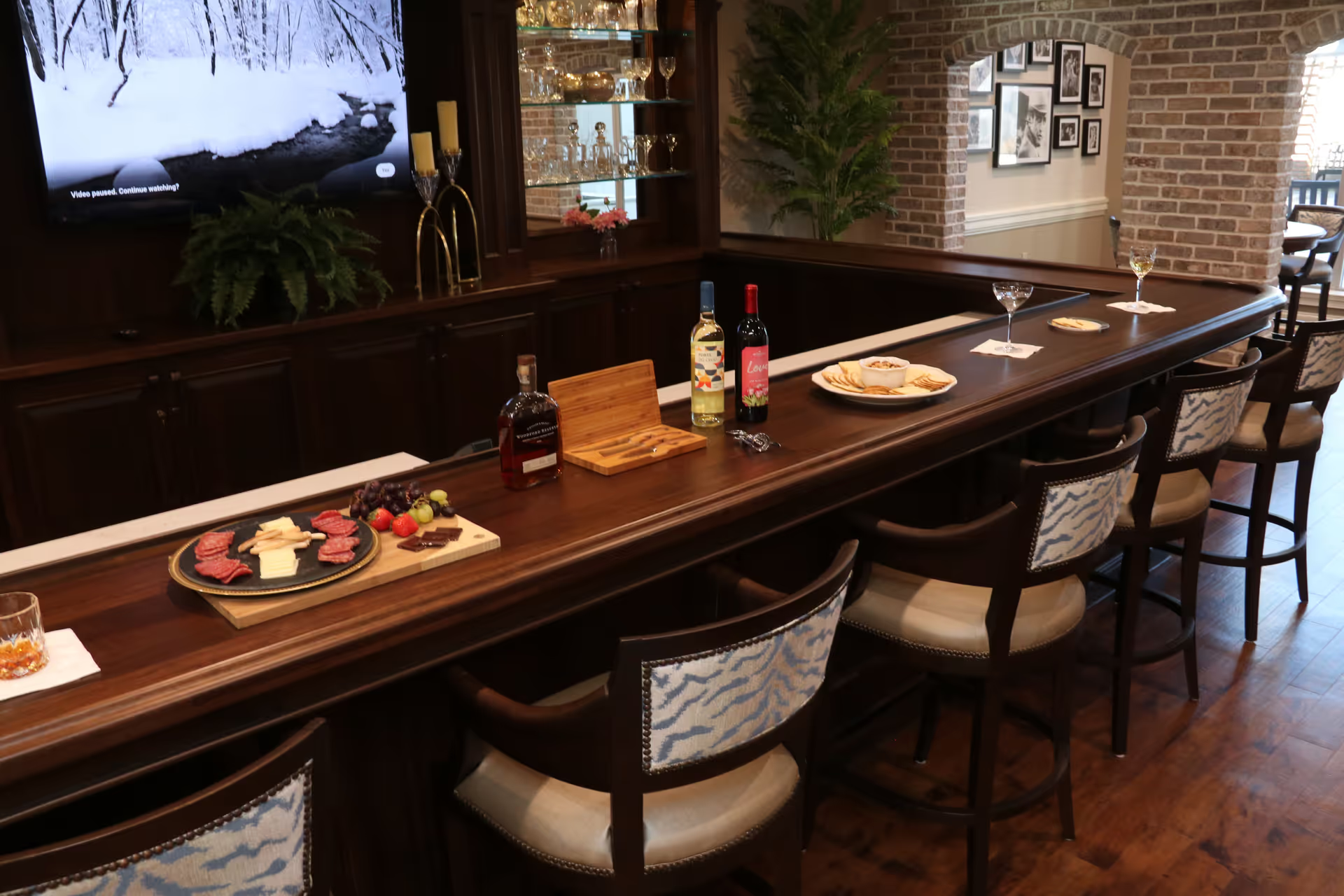
Dining and nutrition receive mixed feedback. Several reviewers compliment the kitchen team and meal presentation, with some noting tasty, home-cooked options and timely same-day laundry support. Conversely, other reviewers report slow meal delivery, small portions, limited menu choice, and meals that did not meet resident preferences. These divergent accounts suggest inconsistent meal-service execution and variability in resident satisfaction with food offerings.
Activities and social engagement are generally described positively. The activities department and individual coordinators receive praise for keeping residents engaged with events, outings, and themed celebrations. Families frequently reference activities as a meaningful contributor to quality of life during a stay.
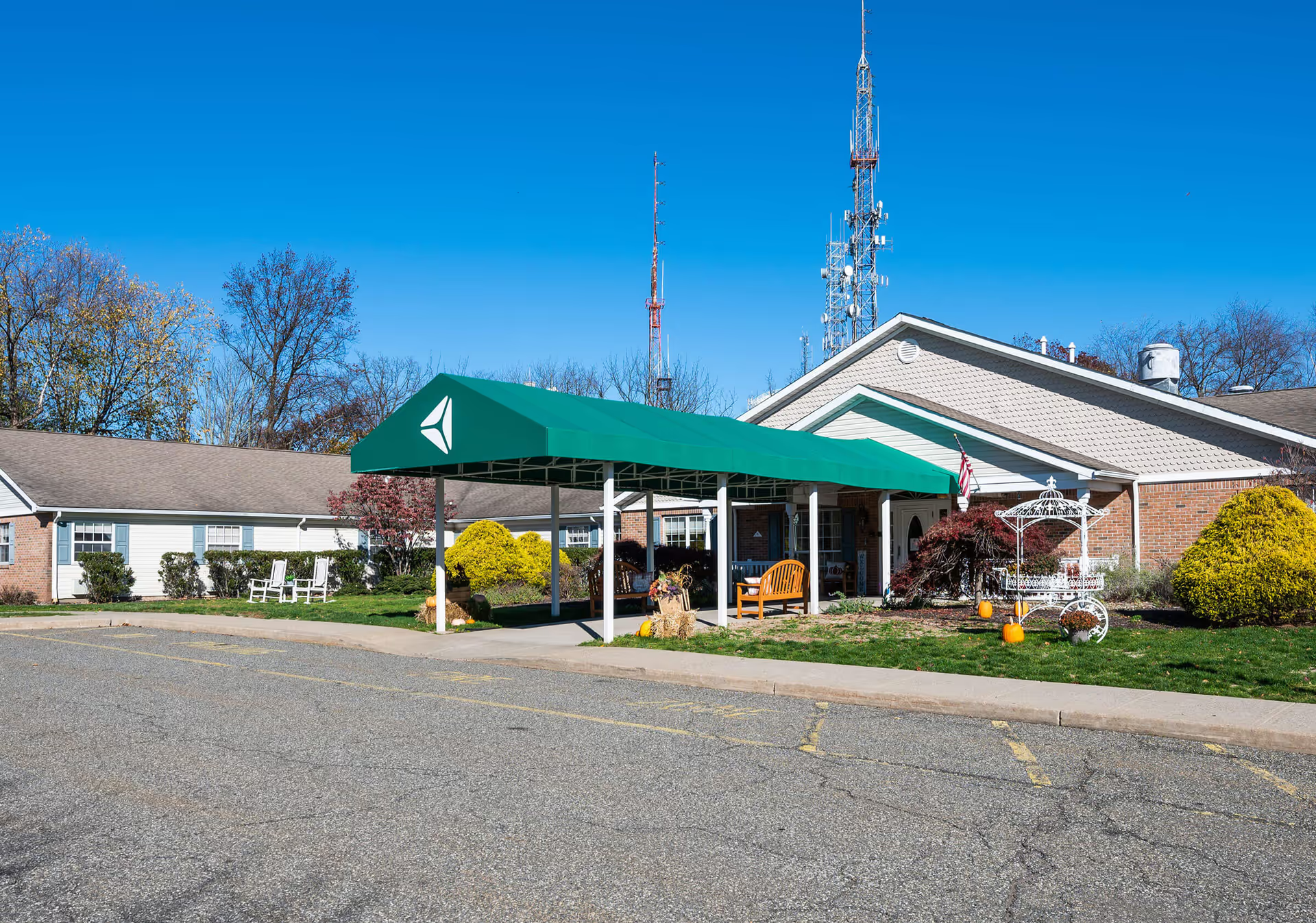
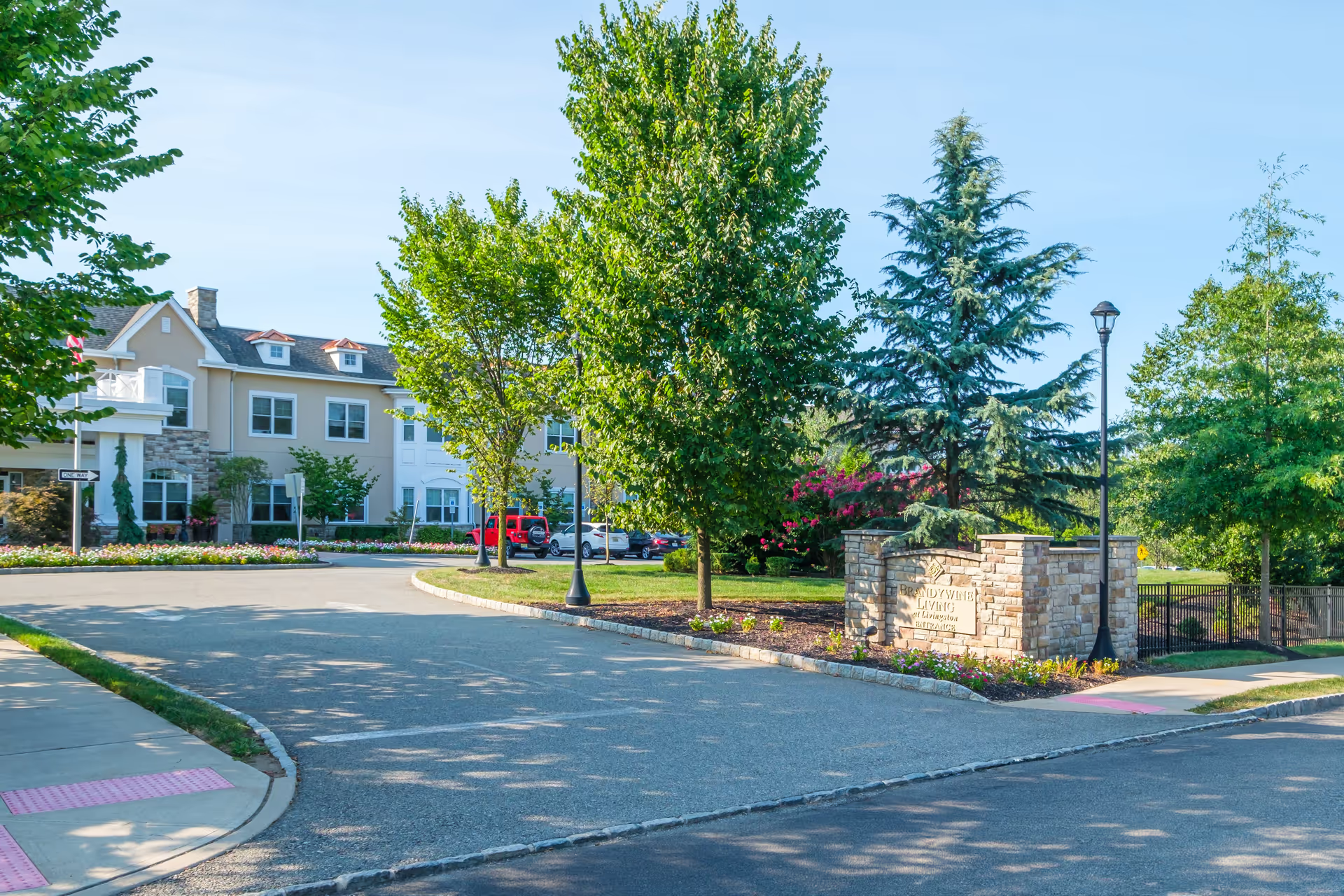
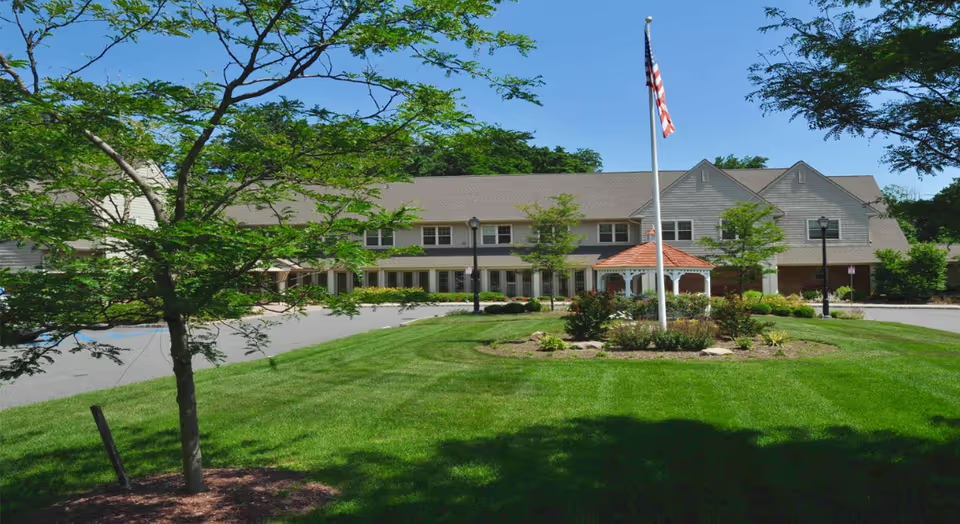
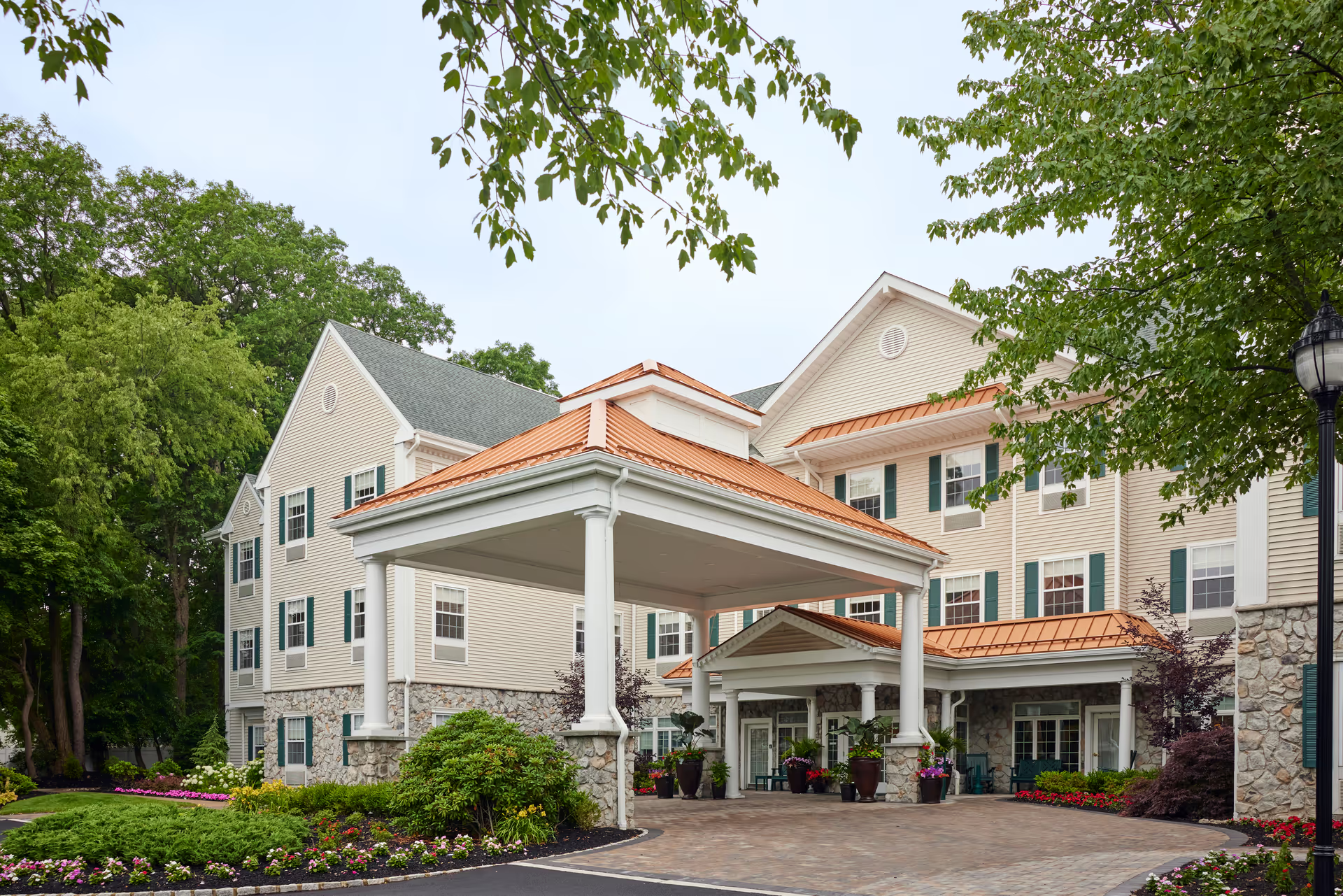
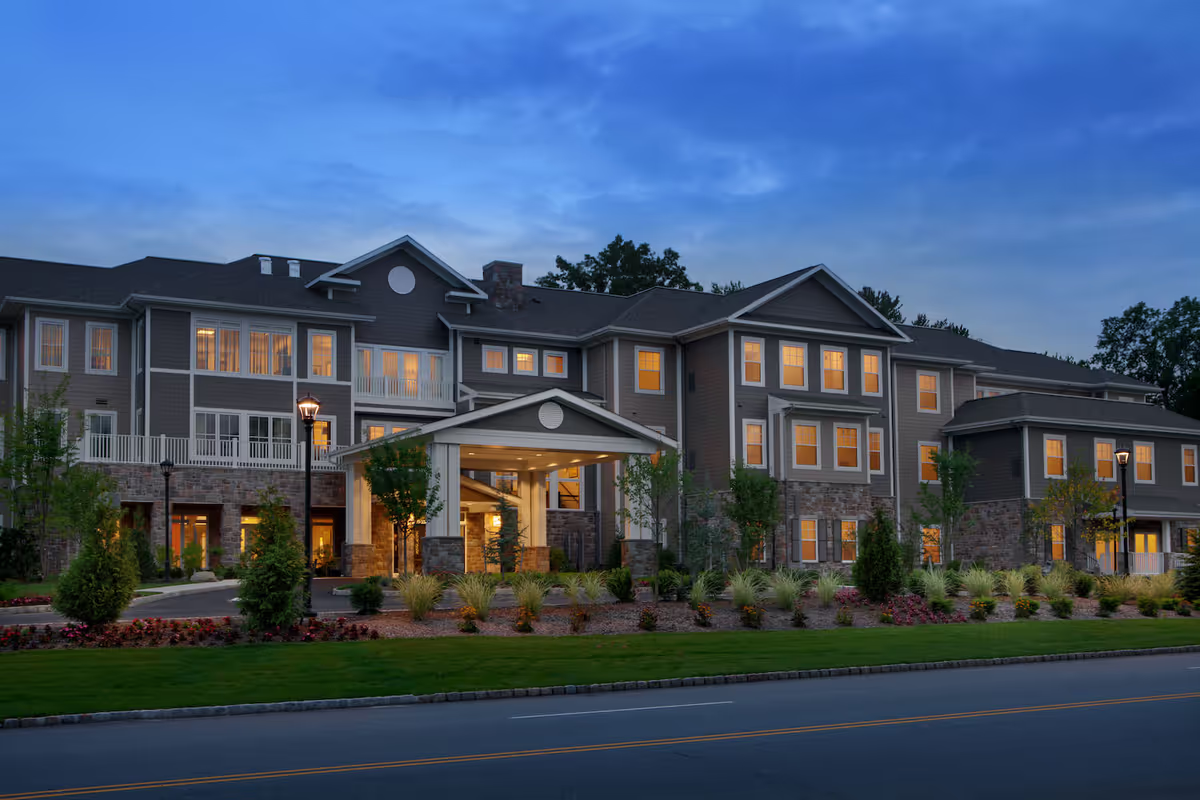
Facility condition and housekeeping describe another mixed pattern. Common areas are often described as clean and welcoming, and laundry service is frequently commended. However, reviewers also raised room-level maintenance issues, odor concerns on specific units, stained flooring, and the need for certain building upgrades. A small number of reviewers mentioned pest-control concerns, indicating areas where environmental services should be monitored closely.
Management and communication present variability. Several families note improved responsiveness and better customer experience under newer management, praising transparent dialog and helpful admissions staff. Others describe difficulty reaching charge nurses or the Director of Nursing, slow resolution of complaints, and inconsistent follow-through. Taken together, these comments point to uneven performance in family communication and escalation pathways.
Overall, Brookhaven appears to offer strong rehabilitation resources and many capable, caring staff members, but operational inconsistencies — especially staffing, responsiveness, room maintenance, and certain aspects of clinical oversight — introduce risk for a variable experience. For families considering Brookhaven, recommended due diligence includes touring the room to assess maintenance, asking about current staffing ratios and recent management changes, inquiring about medication-monitoring protocols and fall-prevention measures, and observing mealtime operations and staff–resident interactions during different shifts.