Experiences at Park Crescent vary, but many residents and families describe kind, attentive staff and satisfactory care. Positive accounts highlight nurses and aides who are approachable, respectful, and helpful with daily needs; some families also describe staff as providing a reassuring, family-like environment. Several residents say they felt clean and comfortable, and families have praised the facility’s support during rehabilitation, respite stays, and longer-term care. A few accounts also describe culturally familiar or individualized support, including efforts to accommodate personal preferences.
Rehabilitation is a recurring strength. Residents and families describe helpful physical and occupational therapy, encouragement during sessions, and progress with walking, balance, and recovery after illness or surgery. Other accounts raise concerns that therapy may not occur as often as expected, may be limited on weekends, or may not provide enough challenge or feedback about progress. Families considering rehabilitation may wish to ask about the anticipated schedule, goals, and how progress will be shared.
Communication is notably inconsistent. Some families praise regular calls, clear meetings, and responsive social workers or admissions staff. Others say they need to initiate contact repeatedly, receive limited updates, or encounter staff who cannot readily answer questions. Reviews also identify communication gaps between shifts and during care transitions. Although some concerns were resolved after escalation to management, families may benefit from confirming who their main contact is and how urgent questions will be handled.
Dining receives mixed feedback and is one of the most frequent areas for improvement. Some residents enjoy the meals, appreciate alternatives, or find that food is suited to their needs. Others describe meals as bland, unappealing, cold, or limited in variety. Families also raise concerns about adherence to prescribed diets and allergies. Asking how meal preferences and dietary instructions are documented and checked may help clarify whether the menu will meet an individual’s needs. Activities are viewed positively in several accounts, including organized events and opportunities for social engagement, though participation depends on each resident’s interest and ability.
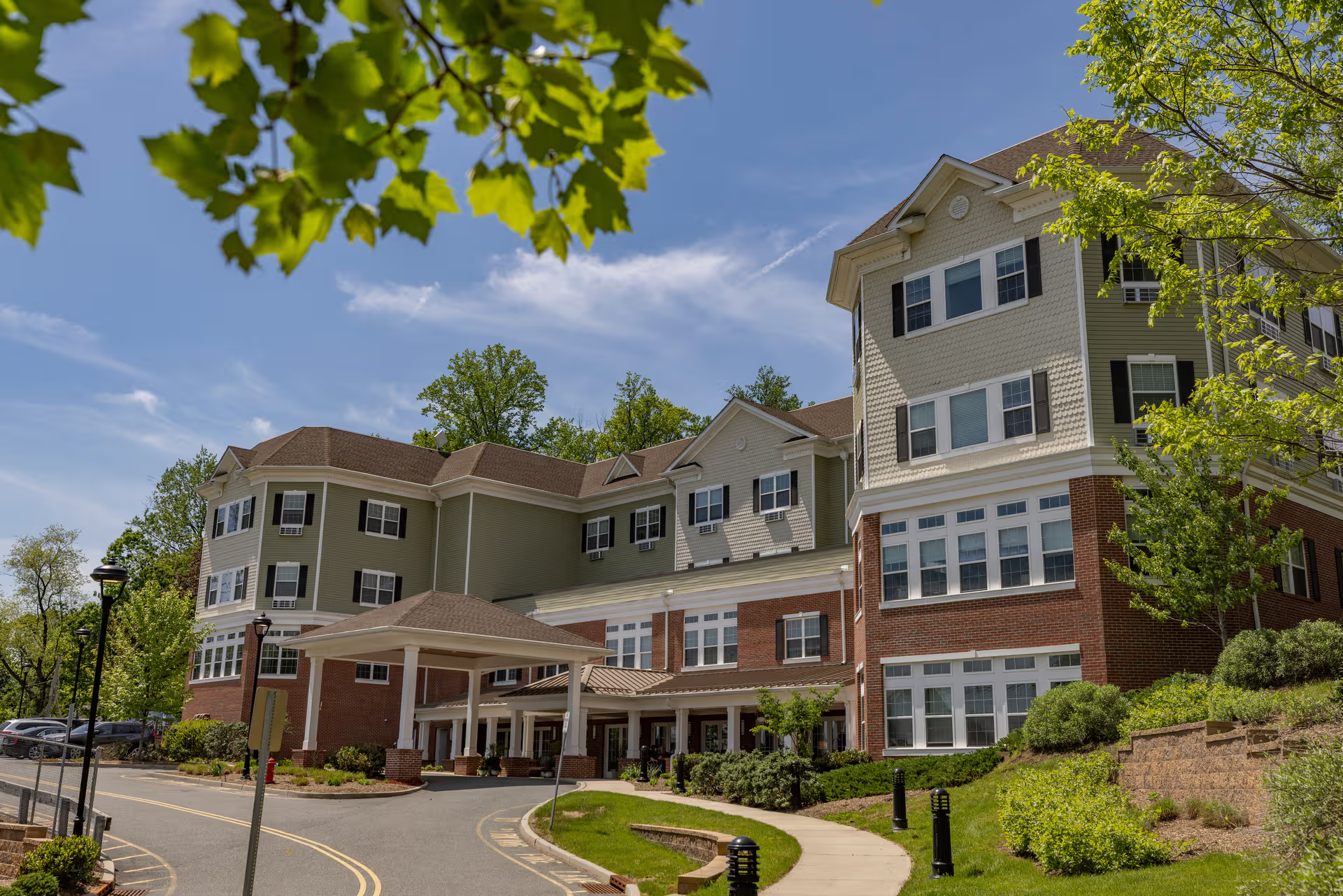
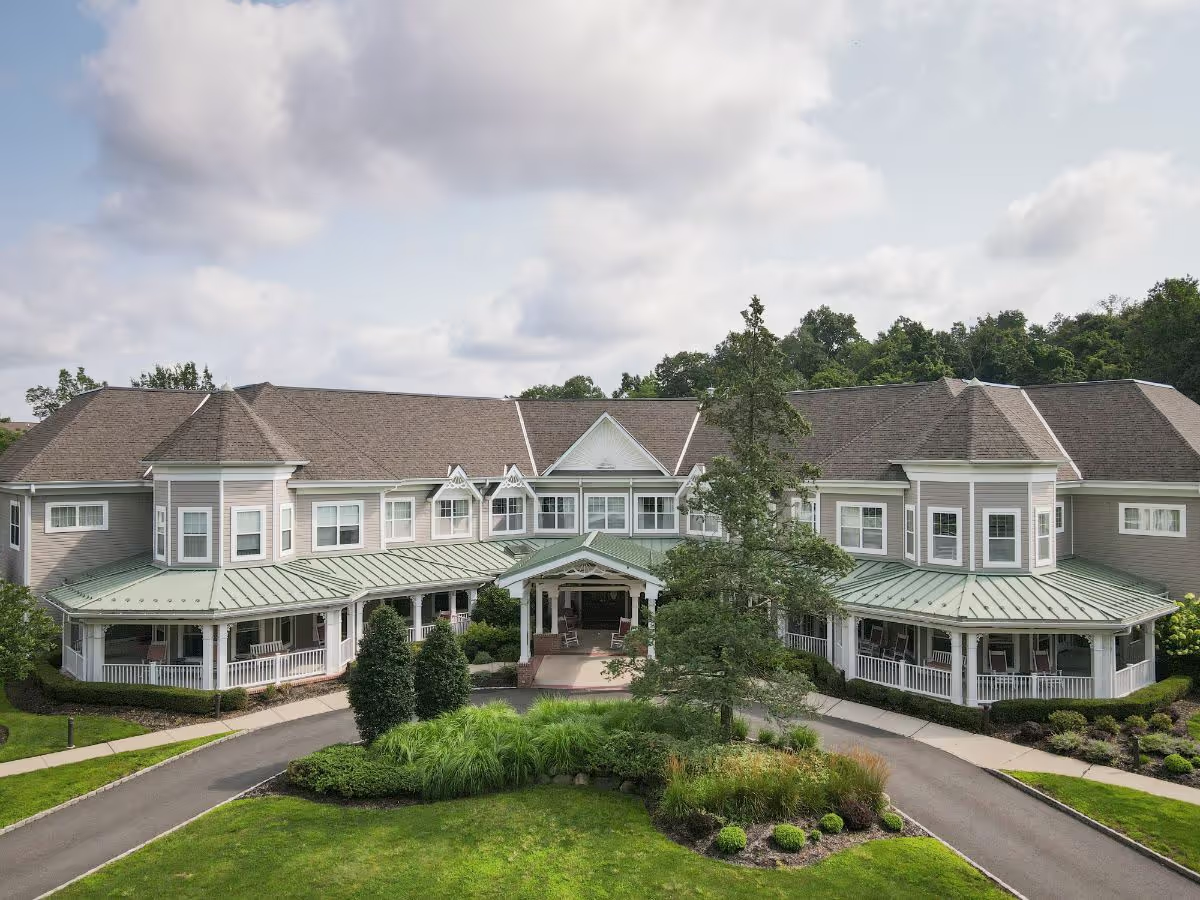
The facility is often described as clean, welcoming, and comfortable, with positive comments about room upkeep and the general atmosphere. However, accounts also point to uneven bathroom and room-cleaning follow-through, occasional odors, noise, and a need for updates in some areas. Staffing capacity is another recurring concern: families and residents describe delays in call-light responses or help with personal needs, and some perceive units as busy or short-staffed. Other operational concerns include inconsistent bathing or skin-care routines, difficulty tracking clothing and personal items, and questions about safety supervision or access to call buttons. A small number of accounts raise concerns about medication management and coordination of clinical care.
Overall, the reviews portray a facility with many positive experiences centered on staff warmth, rehabilitation, and a clean, supportive environment, alongside meaningful variation in day-to-day service. Families may want to discuss staffing coverage, response expectations, therapy schedules, dietary requirements, personal-care routines, and communication plans before or during a stay. It may also be useful to confirm how care plans, medications, personal belongings, and discharge arrangements are coordinated.