Overall impression: Brandywine Governor's Crossing is described by many families as a warm, family-like community with a strong emphasis on personalized, compassionate caregiving. The facility maintains multiple levels of secured memory care, a secure wander garden, and extended nursing coverage; these clinical features, combined with effective physical-therapy services and an attentive caregiving culture, underlie much of the positive feedback. Residents and families frequently cite improvements in social engagement, mobility, and general wellbeing after admission.
Care and staff: Care quality is often characterized as attentive and familiar; caregivers and nurses are consistently praised for knowing residents’ preferences, providing individualized attention, and supporting families through difficult transitions. The memory-care programs attract particular praise for structured supervision and staffing ratios on those units, and several staff members (including named nurses and leaders) receive specific commendation. At the same time, reviewers indicate variability by shift and unit: evening coverage and some shifts are described as leaner, and there are recurring comments about inconsistent staff professionalism and communication tone from specific front-desk or charge personnel. Prospective families should inquire about staffing patterns by shift and unit when evaluating placement.
Dining and housekeeping: The dining program is a clear strength for many residents—menu variety, dietary accommodations, and an all-day dining option are appreciated. Physical complaints about individual meals are mixed: some families praise high-quality meals and service, while others note operational issues such as food served at suboptimal temperature, inconsistencies in food preparation, and occasional problems with snack or hydration replenishment. Housekeeping and facility cleanliness are generally described as good in common areas, though there are recurring comments indicating variability in room maintenance and decor between wings or units.
Activities and social life: Programming is broad and active, with book discussions, exercise classes, live entertainers, theater nights, casino and theater trips, and themed events often cited. These offerings contribute to social connection and reduce family anxiety. However, the memory-impaired unit is repeatedly described as having less engaging or more limited activity options, and some residents who are higher-functioning sought more challenging programming. There are also comments about the activities coordinator’s proactiveness in arranging outings; families interested in a very active, outing-focused lifestyle should review the current activities calendar and ask about frequency of off-site trips.
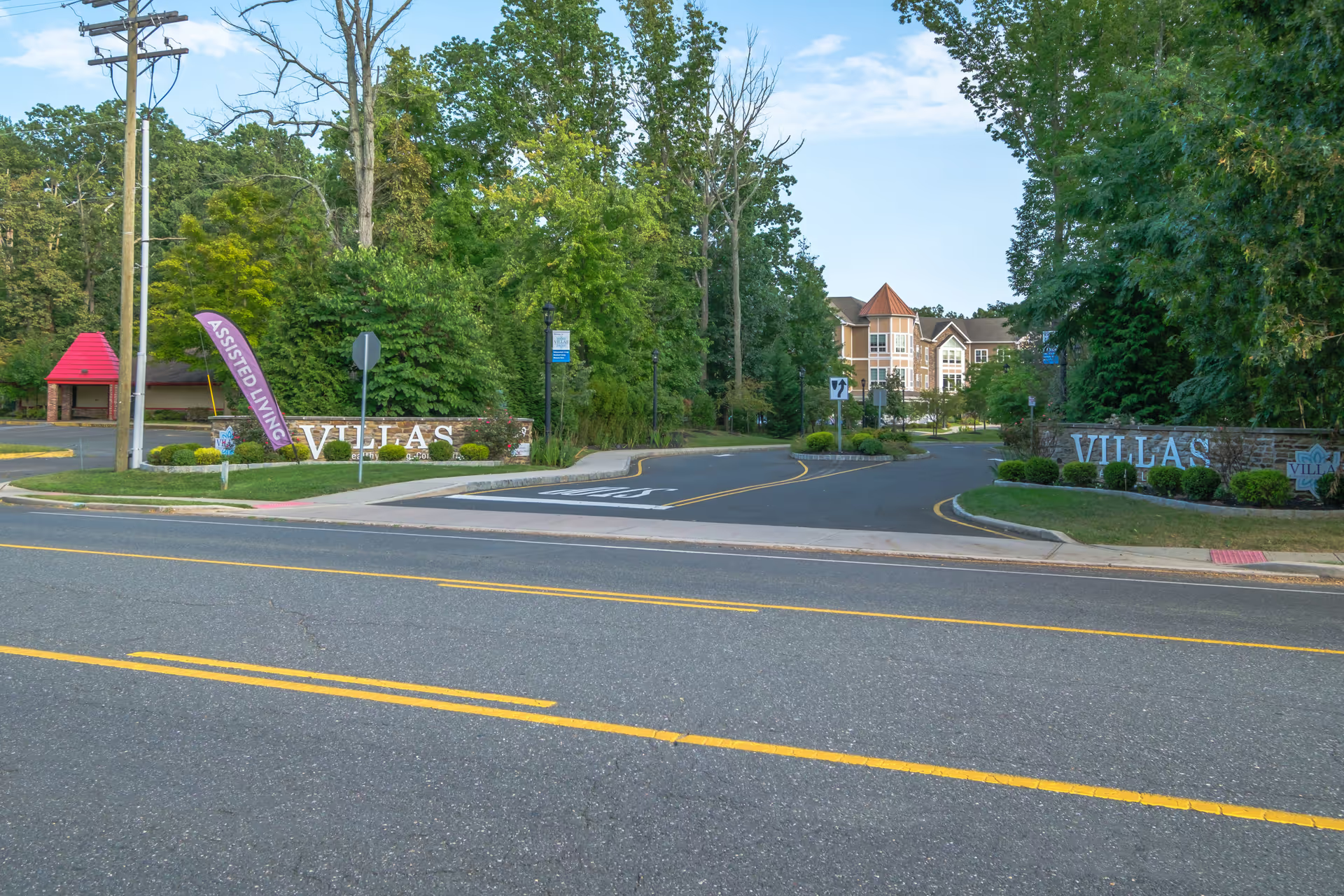
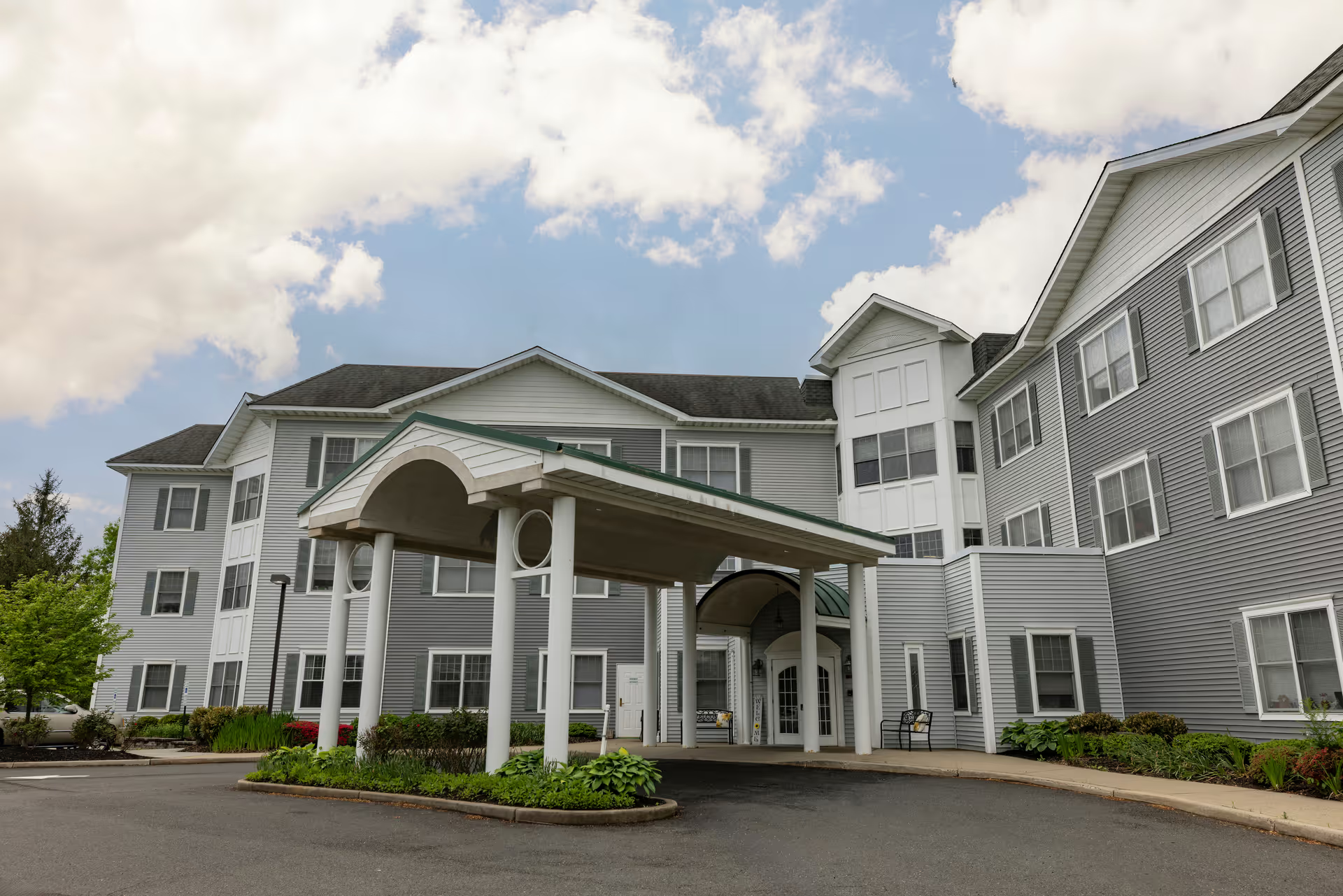
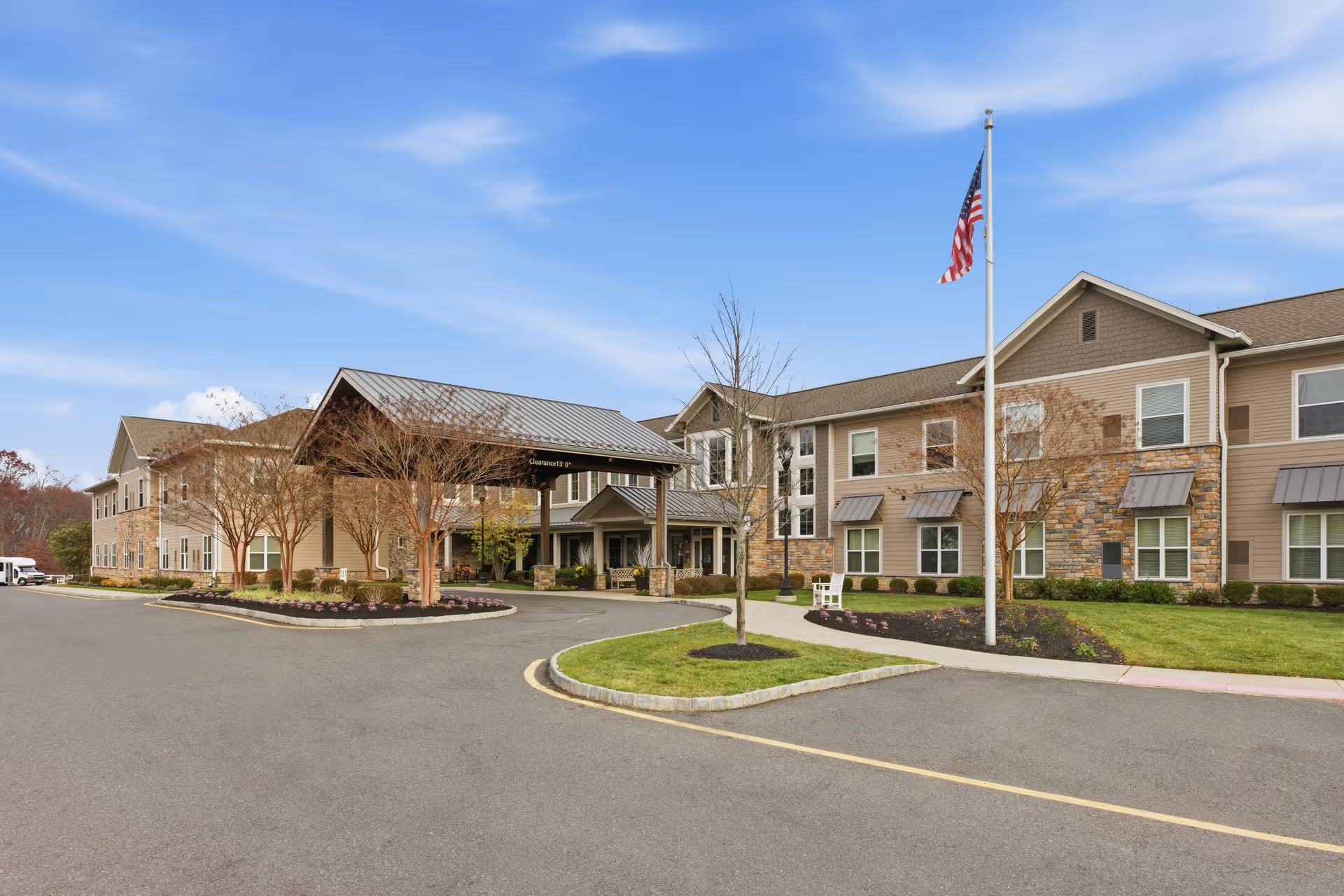
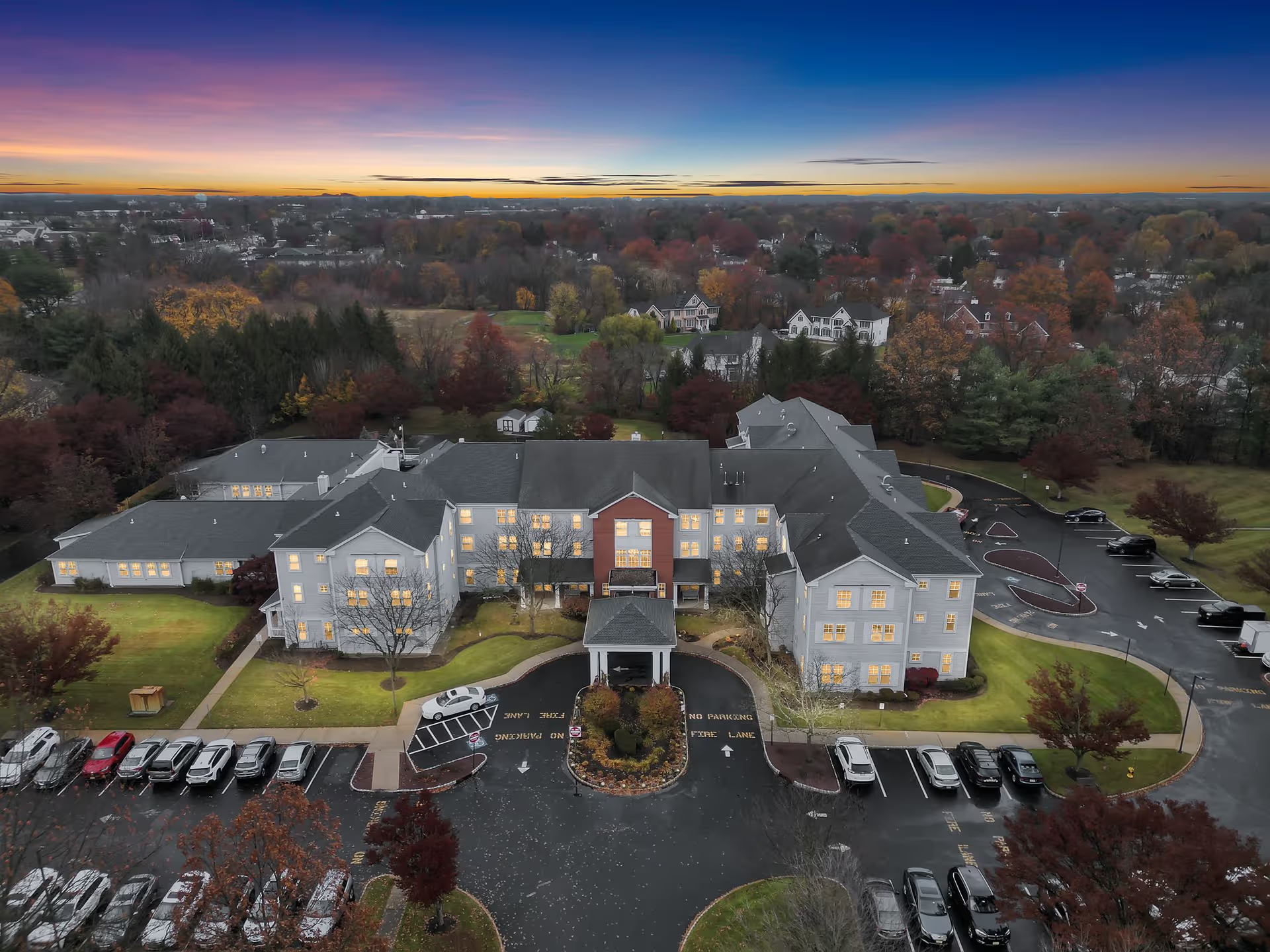
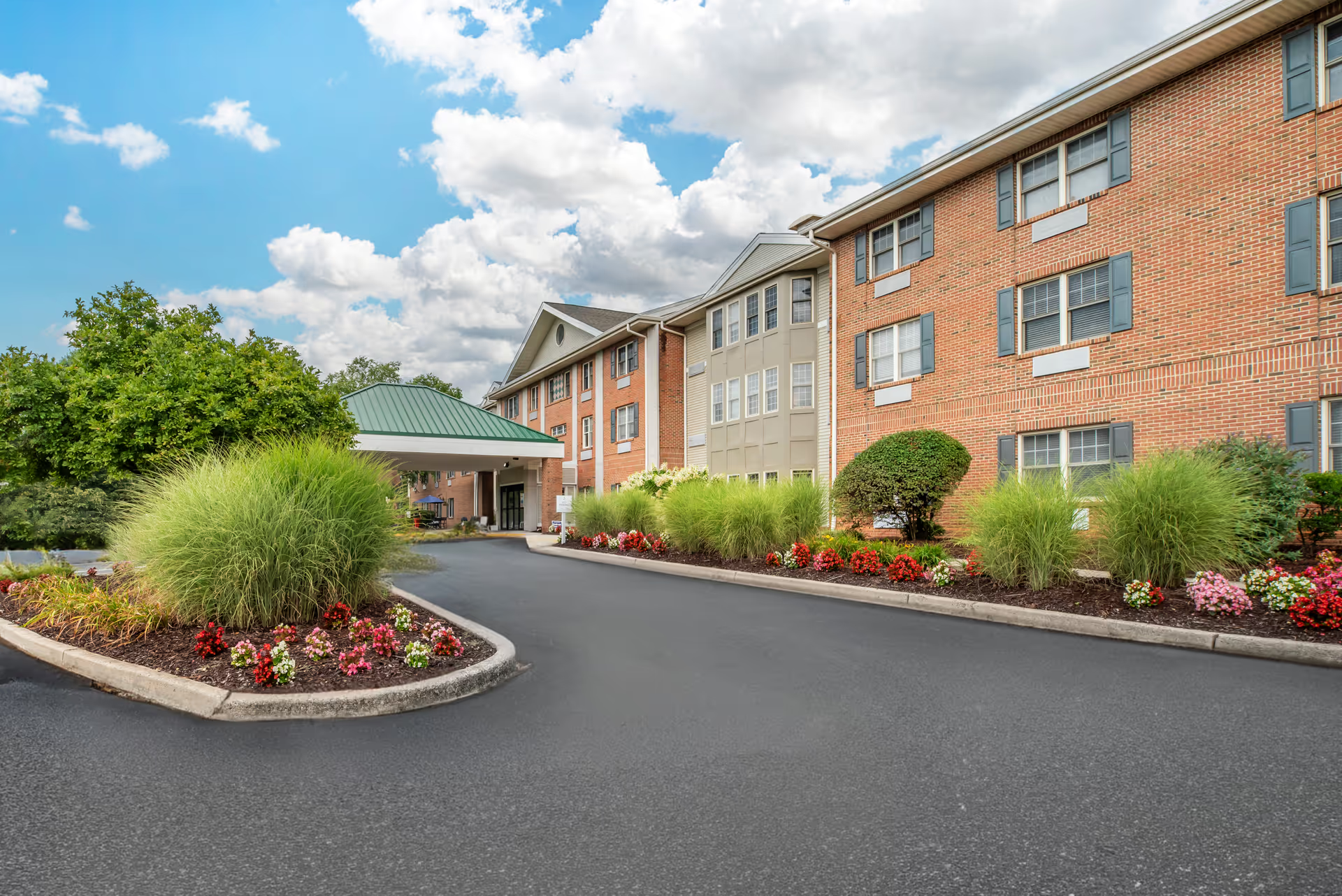
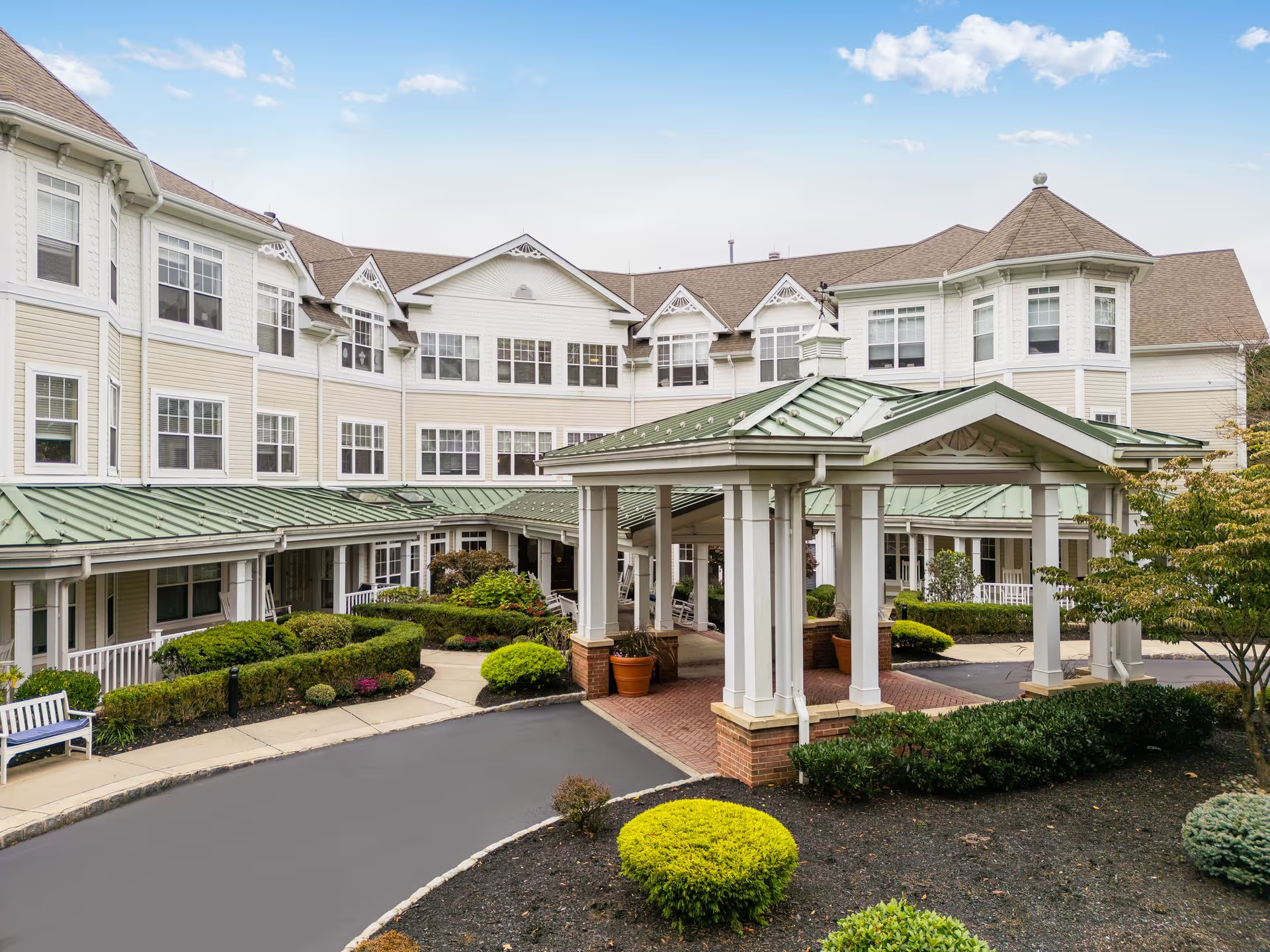
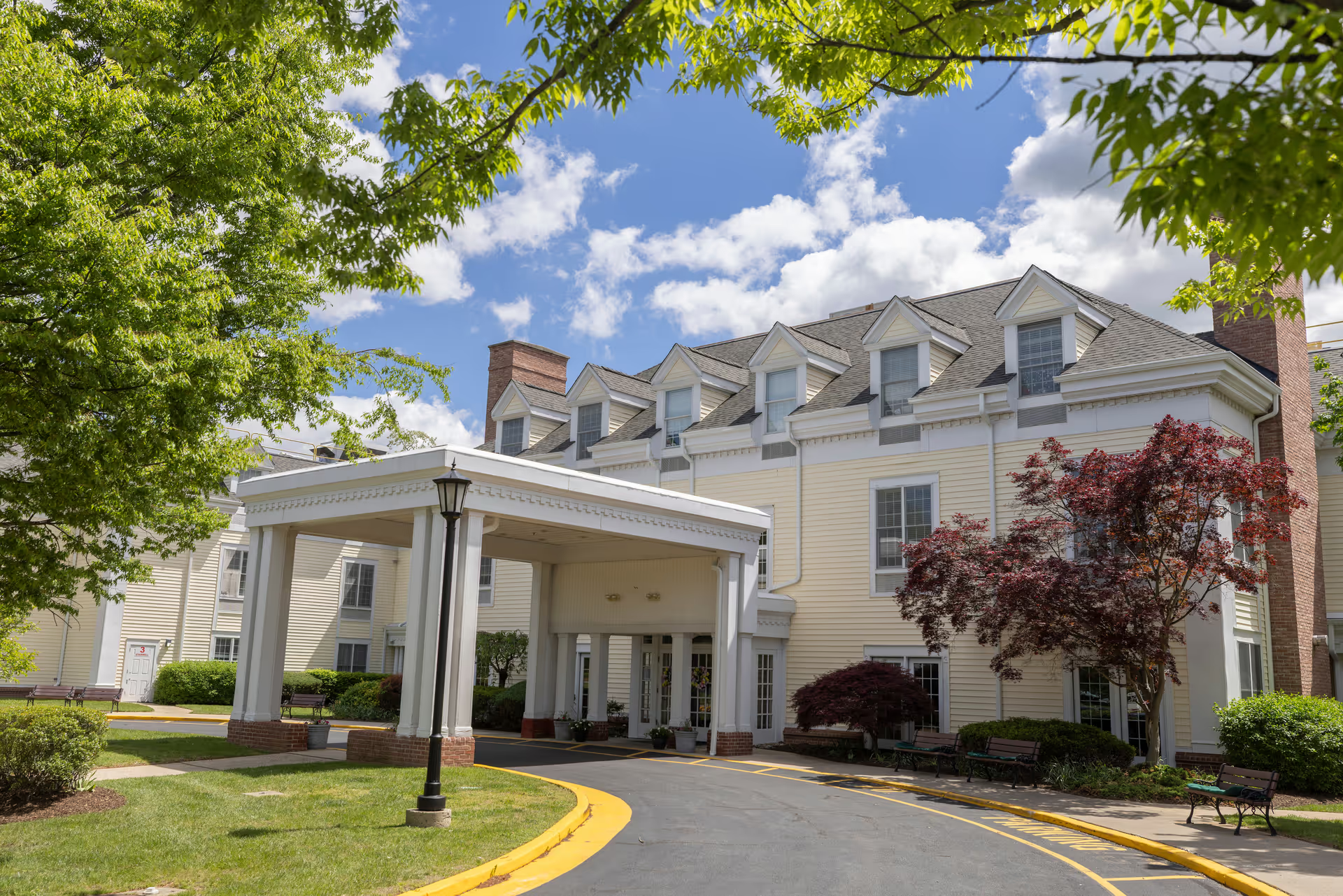
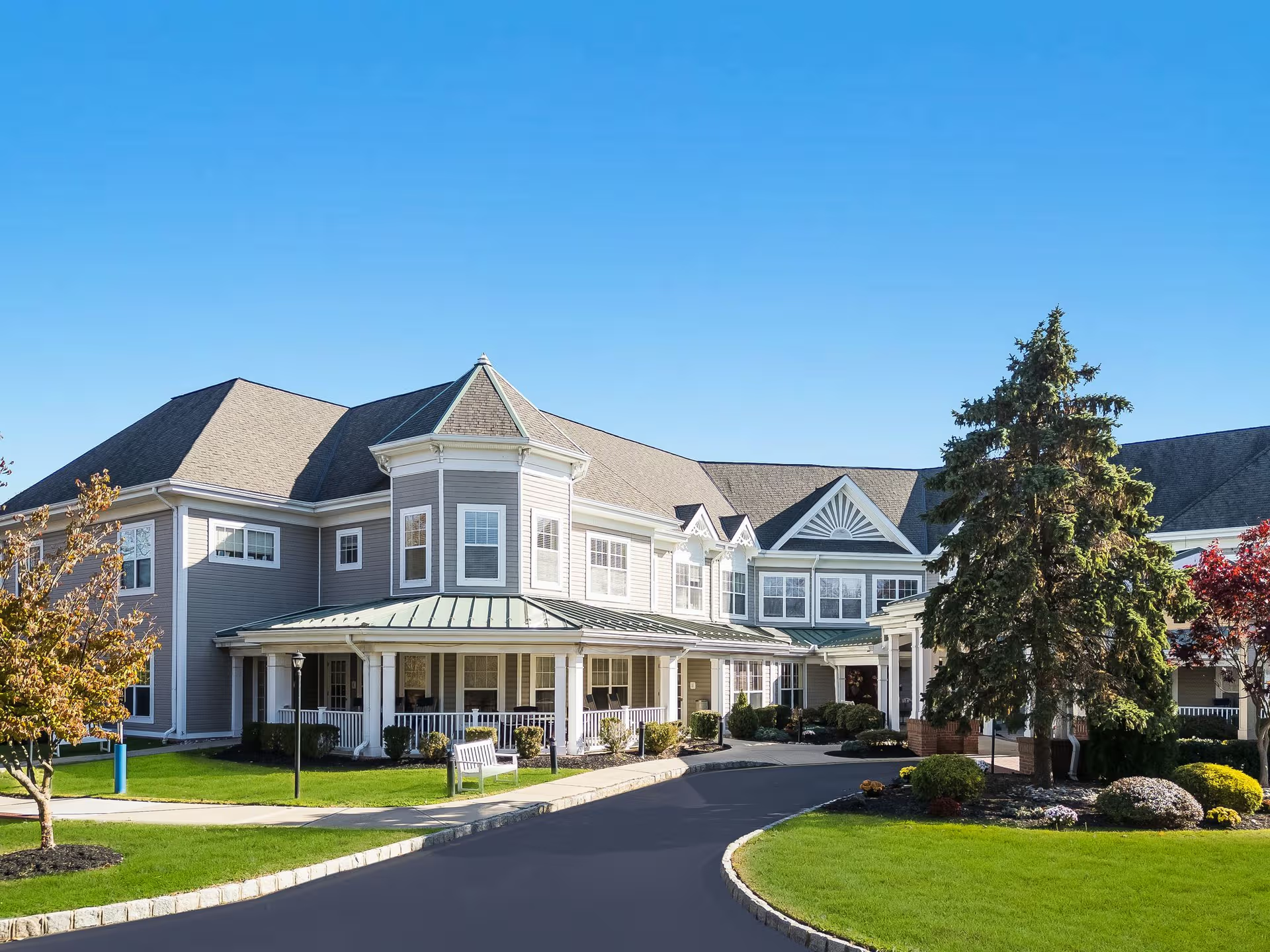
Facilities and amenities: Physical spaces receive positive remarks—pleasant front-porch seating, koi pond, paved walking paths, a dedicated theater, and ongoing renovations in some areas. Maintenance staff are often singled out as helpful and attentive, aiding with move-in and personal requests. Some units have older decor relative to other Brandywine properties, so visual and layout differences are worth reviewing in person.
Management and communication: Family communication is generally viewed positively—regular updates on diet and medications, staff availability for conversations, and supportive leadership are noted. That said, reviewers also cite inconsistent customer-service interactions at the front desk and concerns about leadership responsiveness in isolated instances. These perceptions point to variability in administrative consistency rather than uniform failing.
Notable patterns and guidance for families: The dominant pattern is a high level of interpersonal care, strong memory-care structure, and robust social programming for many residents, producing clear satisfaction among numerous families. Counterbalancing that are operational inconsistencies across shifts and units—especially around meal service, evening staffing, activity offerings in memory care, and occasional customer-service lapses. Prospective residents and families should tour multiple parts of the community (including memory units), ask about staffing ratios by shift, review a current activities calendar, sample a meal if possible, and clarify procedures for hydration/snack replenishment and front-desk communication to ensure the facility’s operating patterns align with their expectations.