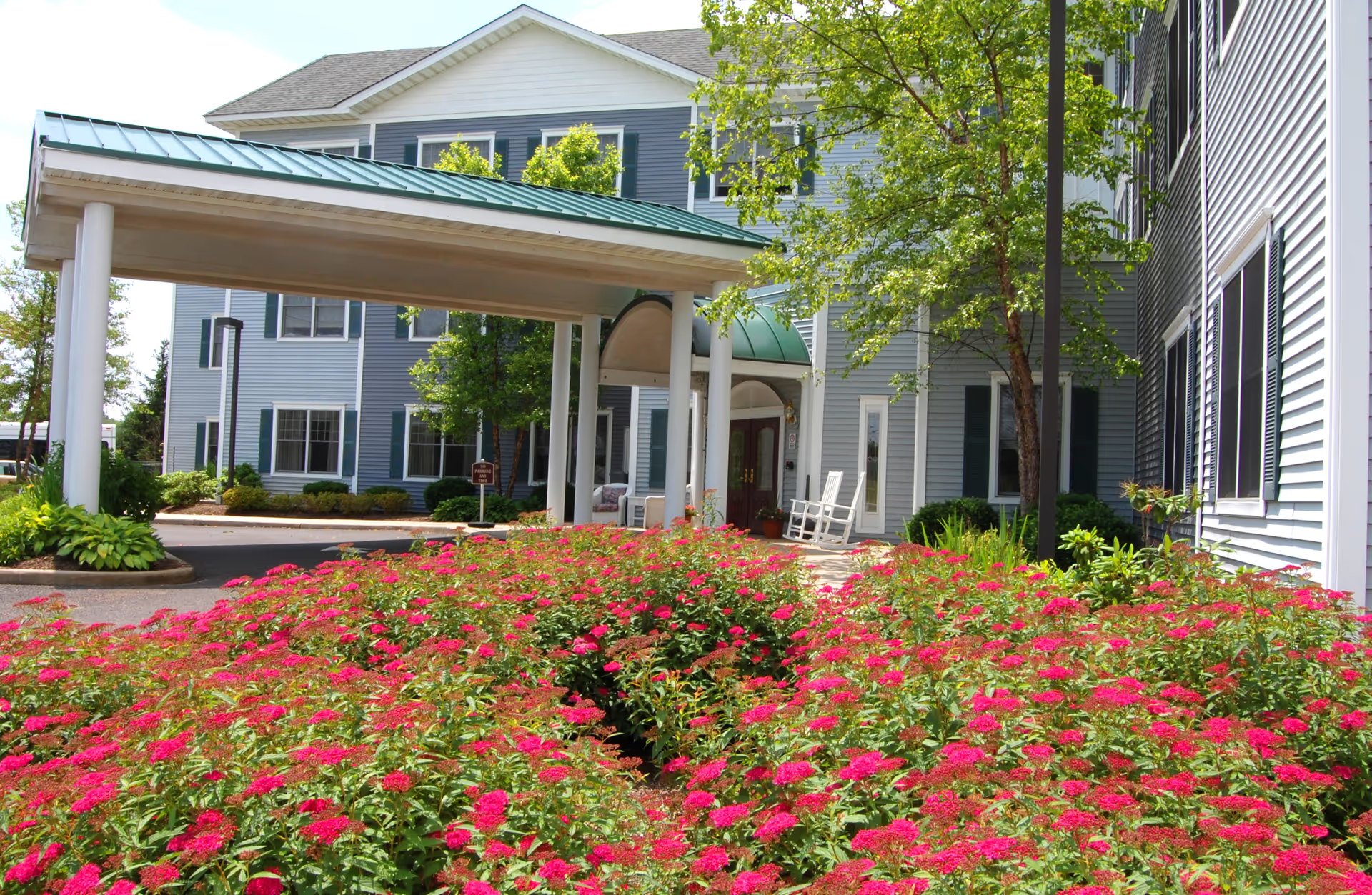
Overall impression: Reviews of Complete Care at Bayshore present a strongly mixed picture. A substantial portion of feedback highlights high-quality rehabilitation services, attentive clinicians, and a clean facility environment; however, an important set of concerns describe repeated operational weaknesses that families should consider when evaluating the center.
Care quality: Many families and patients praise the facility’s rehabilitation services — physical and occupational therapy are frequently described as skilled, proactive, and central to positive short-term outcomes. Several reviewers also commended surgeons, anesthesiologists, palliative clinicians, and certain nursing teams for compassionate clinical care. Counterbalancing those positives are recurring reports of inconsistent nursing responsiveness (long wait times for assistance, late or missed medications, and delayed feeding or tube care in some cases). Some reviews describe delayed diagnostic testing and hospital transfers, falls, wound-care and pressure-area management issues, and readmissions. There are also serious allegations in the record regarding medication-related harm and subsequent regulatory or legal involvement; those allegations warrant direct inquiry and verification with oversight agencies during a tour or decision-making process.
Staff and communication: The staff profile appears polarized. Many reviewers highlight caring, personable nurses, CNAs, housekeeping, and front-desk personnel who communicate clearly, speak in plain language, and prioritize patient satisfaction. Patient-experience staff and individual employees received frequent praise. At the same time, consistent themes include staff feeling overworked, high reliance on temporary staff at night or on weekends, and variability in conduct and tone (including reported communication barriers and unhelpful social-work interactions). Family communication about clinical changes and incident response is described as uneven; some families found administrators responsive and corrective, while others experienced poor follow-up or an apparent emphasis on financial considerations.
Dining and activities: Accounts of dining and programming are mixed. Multiple reviewers appreciate engaging activities (art, live music), active recreation scheduling, and accommodating dining-room teams that create a welcoming atmosphere. Conversely, other families reported inconsistent meal quality, late or missed meals, and situations where outside food had to be ordered. Activity programming generally receives positive notes and is cited as a strength for resident morale.
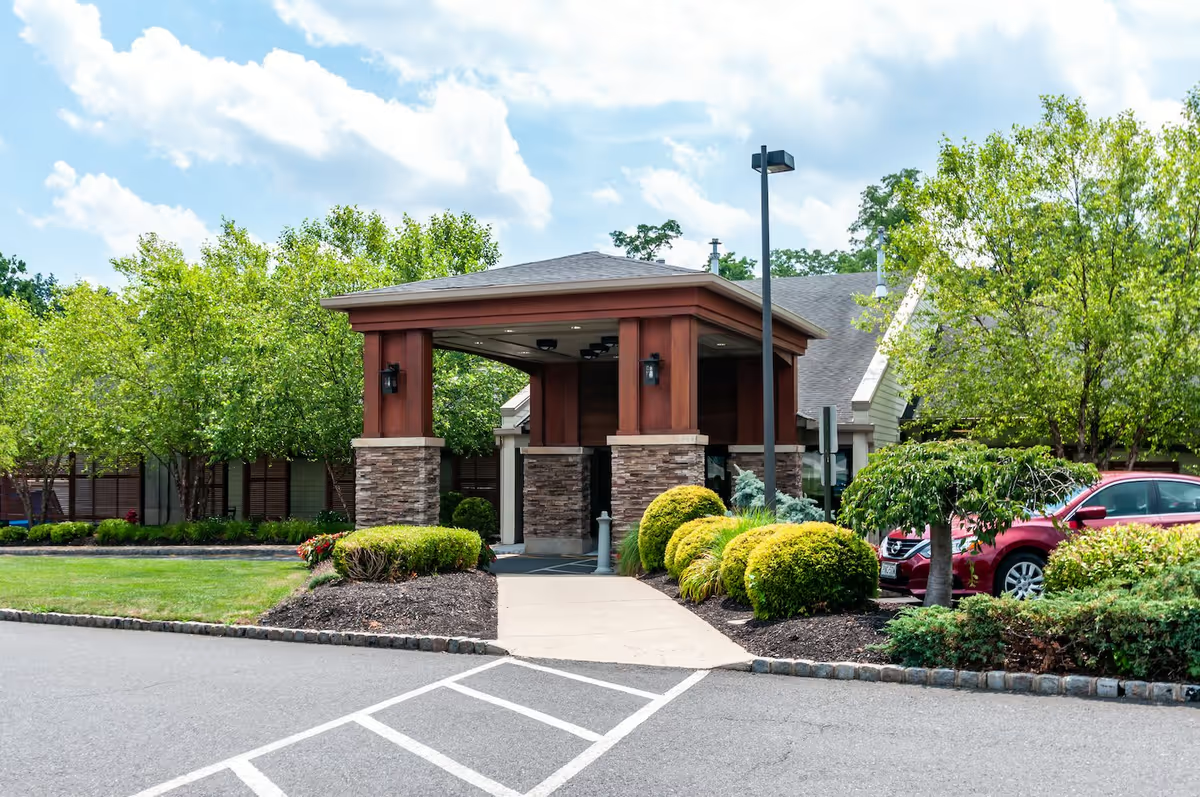
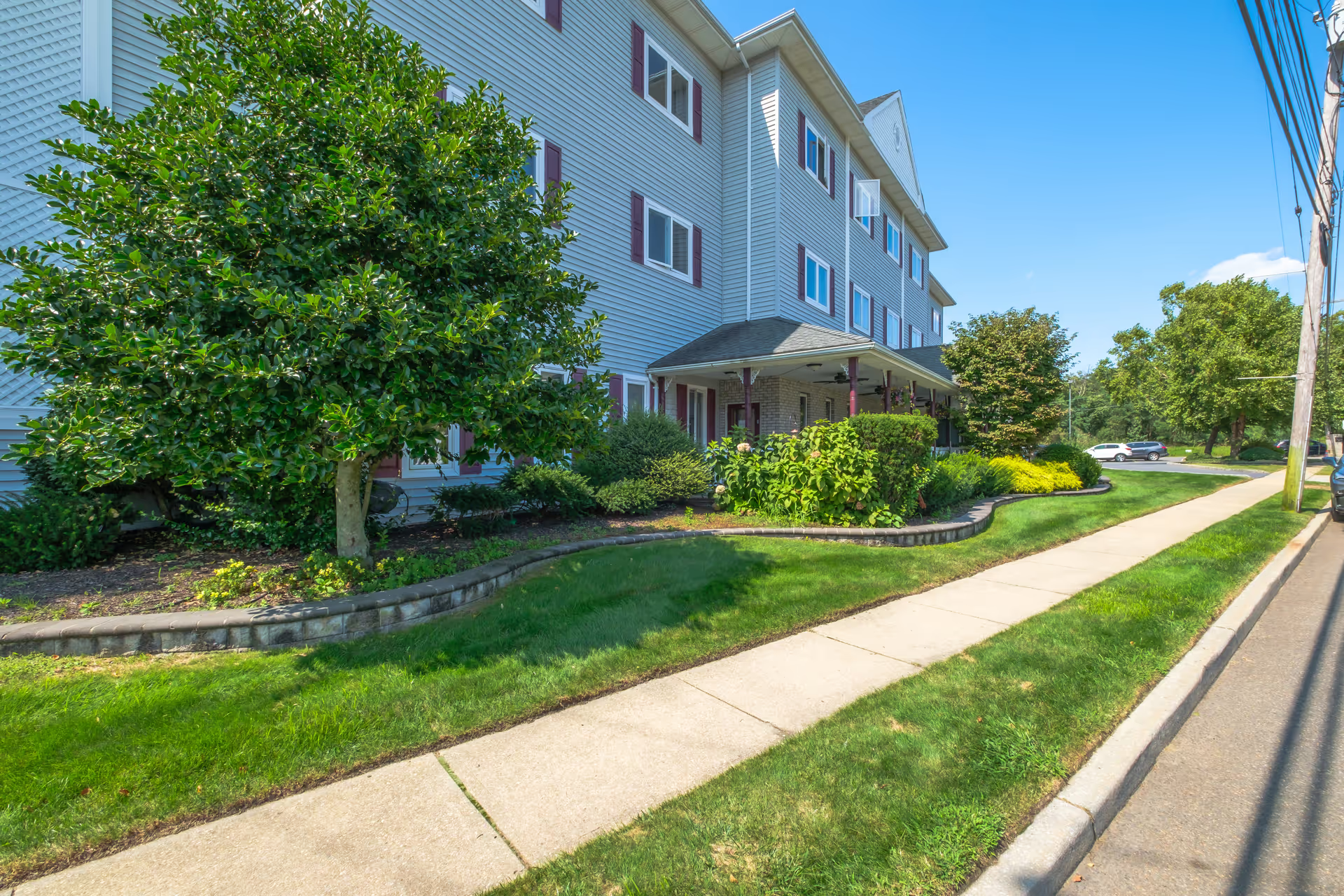
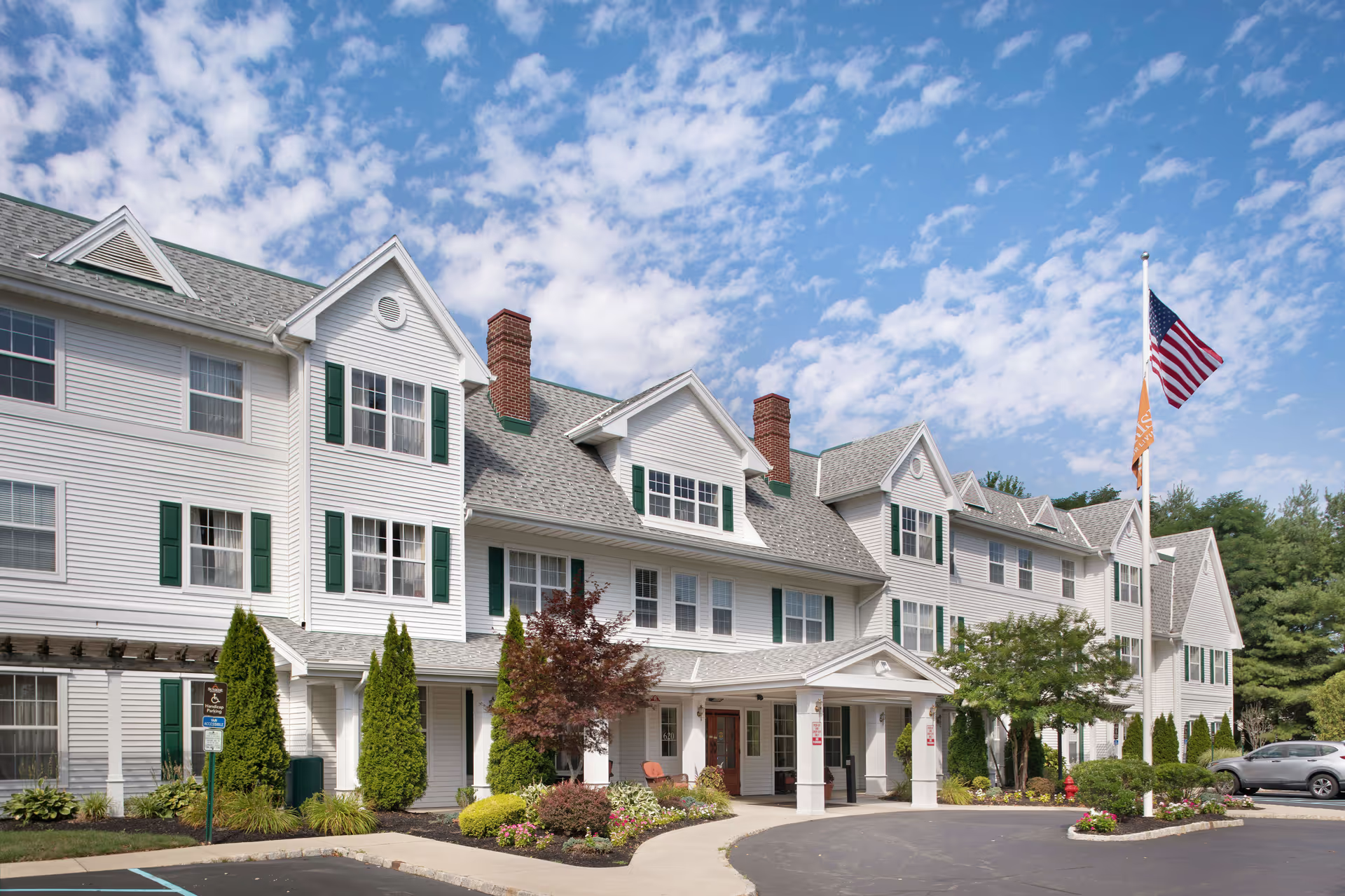
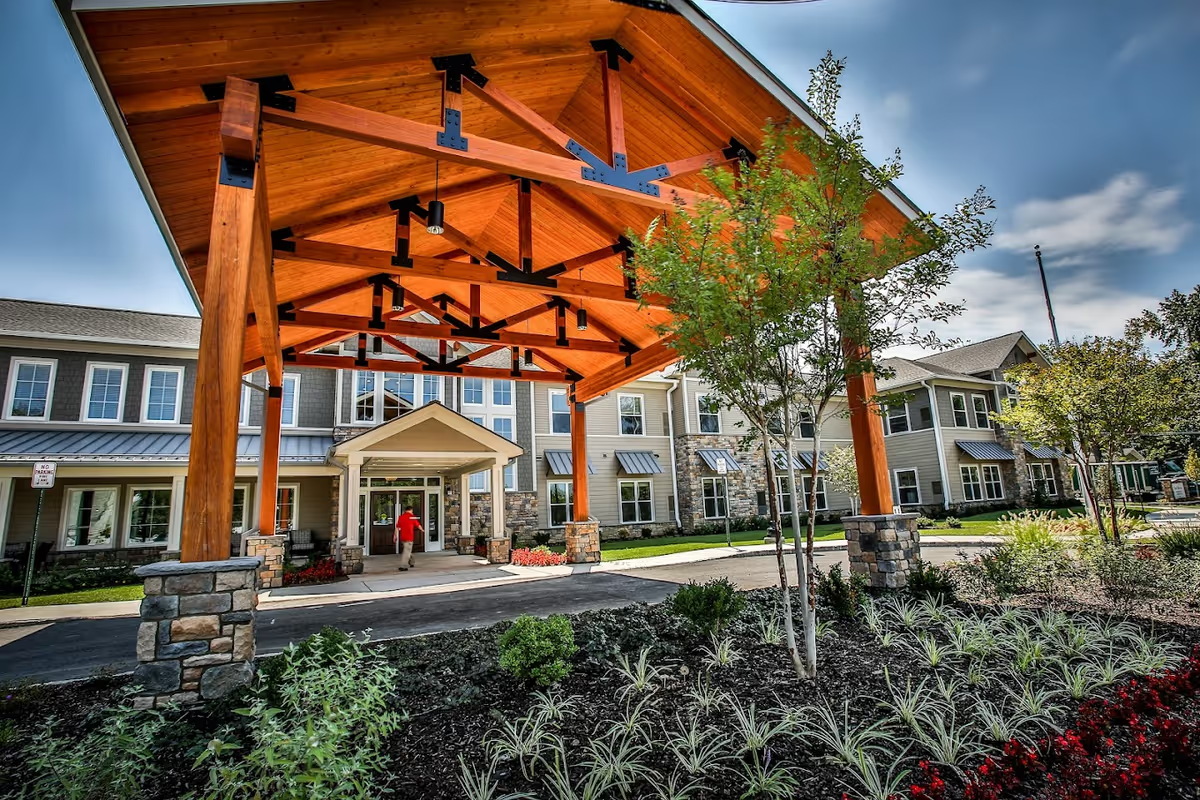
Facilities and operations: Several reviewers praised recent facility improvements, cleanliness, private-room amenities, and well-kept outdoor garden areas. Housekeeping and maintenance staff are often singled out positively. However, sanitation and pest-control concerns are mentioned for specific areas, and some reviewers reported portions of the building (back corridors, certain units) that appeared unkempt. Operational weaknesses also emerge around front-desk staffing, paperwork handling, and unit-to-unit variability in standards.
Management and notable patterns: Reviews indicate variability in leadership performance. New administration was credited in some accounts with tangible improvements in morale, cleanliness, and responsiveness; other reviews describe uneven management decisions and perceived financial prioritization. Clear patterns to note are staffing reductions and service gaps during nights and weekends, longer response times to call bells, and inconsistent case-management or social-work follow-up. Where serious clinical events are claimed, families report concerns about how incidents were handled and communicated, including escalation to external regulators or legal counsel in a few instances.
Practical takeaways: Prospective residents and families should weigh the facility’s demonstrated strengths in rehabilitation, certain clinical teams, and facility amenities against the operational risks indicated by reviewers — particularly around staffing consistency, medication processes, sanitation in specific areas, and family communication. Recommended due diligence includes an in-person tour (including meal observation and activity sessions), direct questions about staffing ratios and agency use on nights/weekends, review of incident- and medication-reporting procedures, verification of any regulatory actions, and conversations with therapy and nursing leaders about individual care plans and escalation pathways.