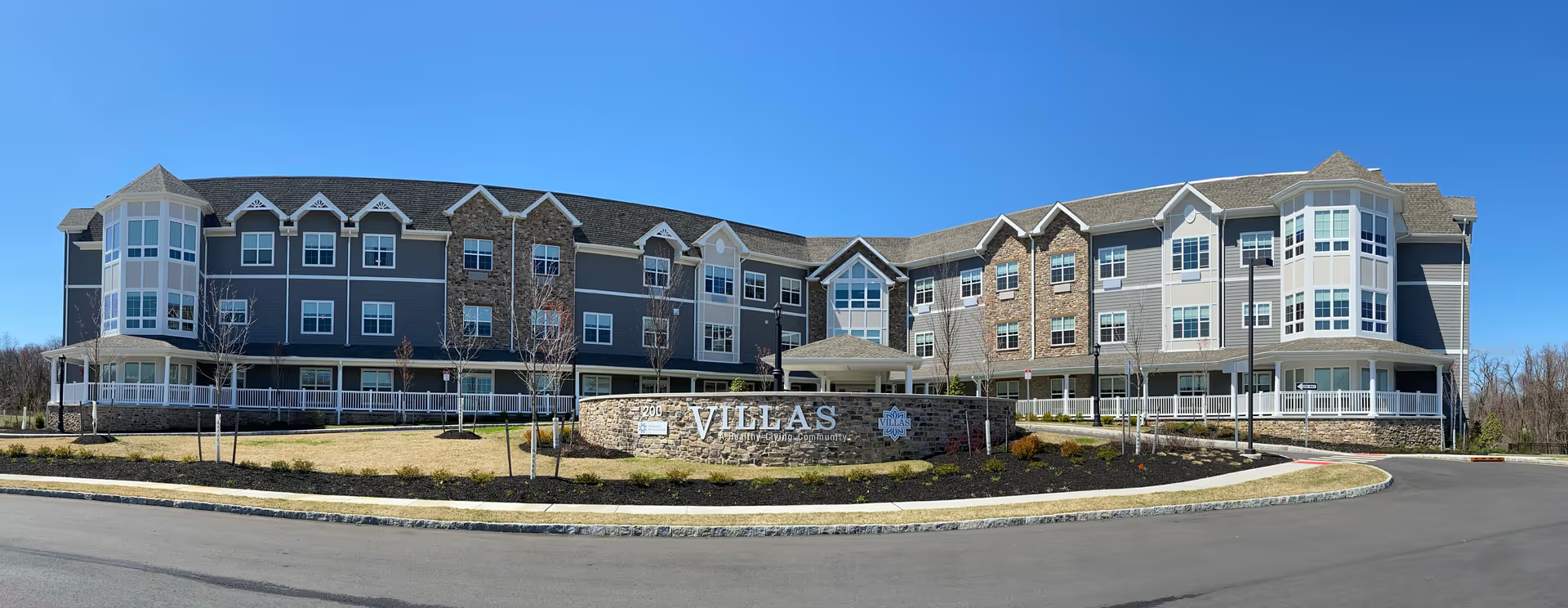
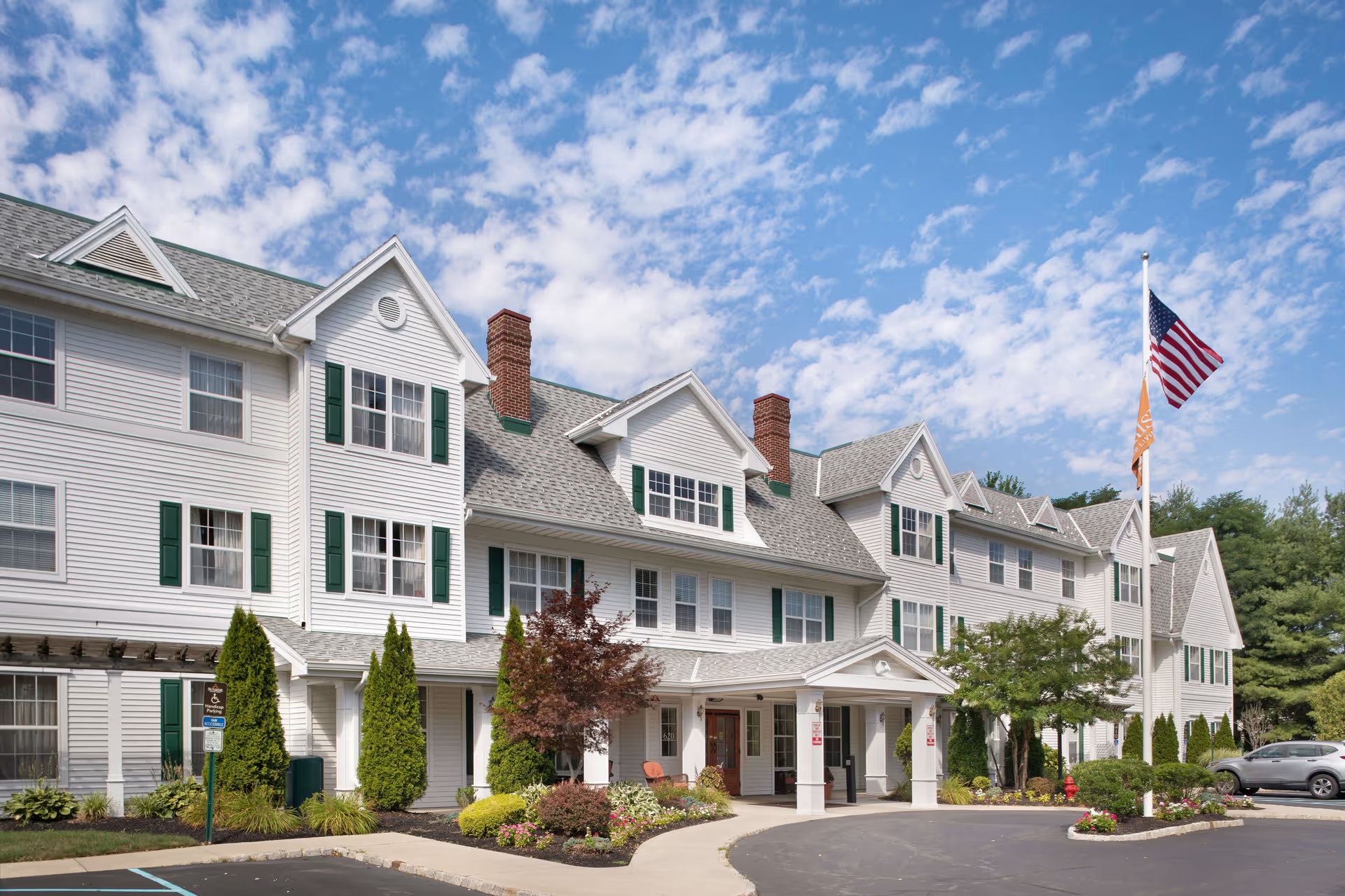
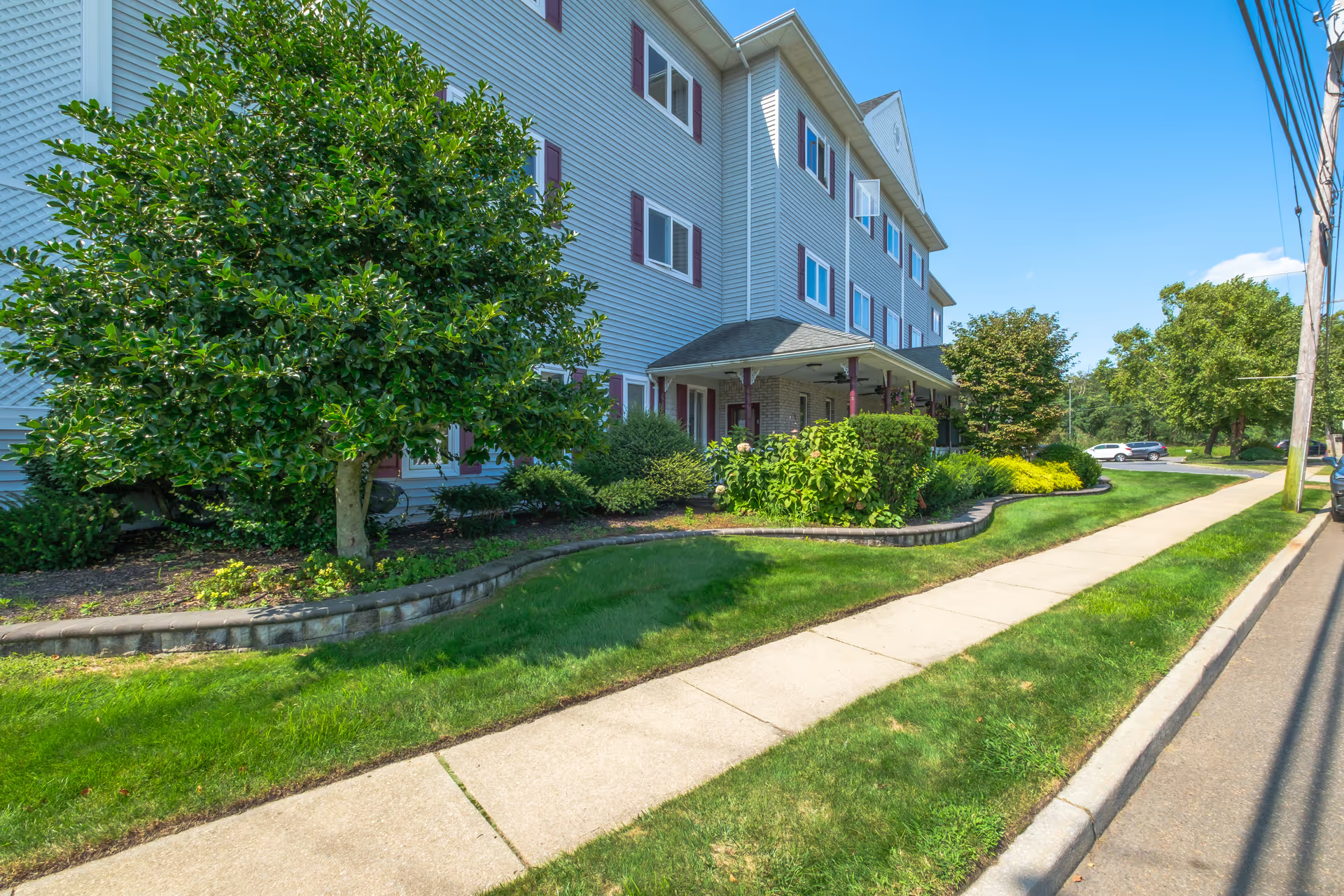
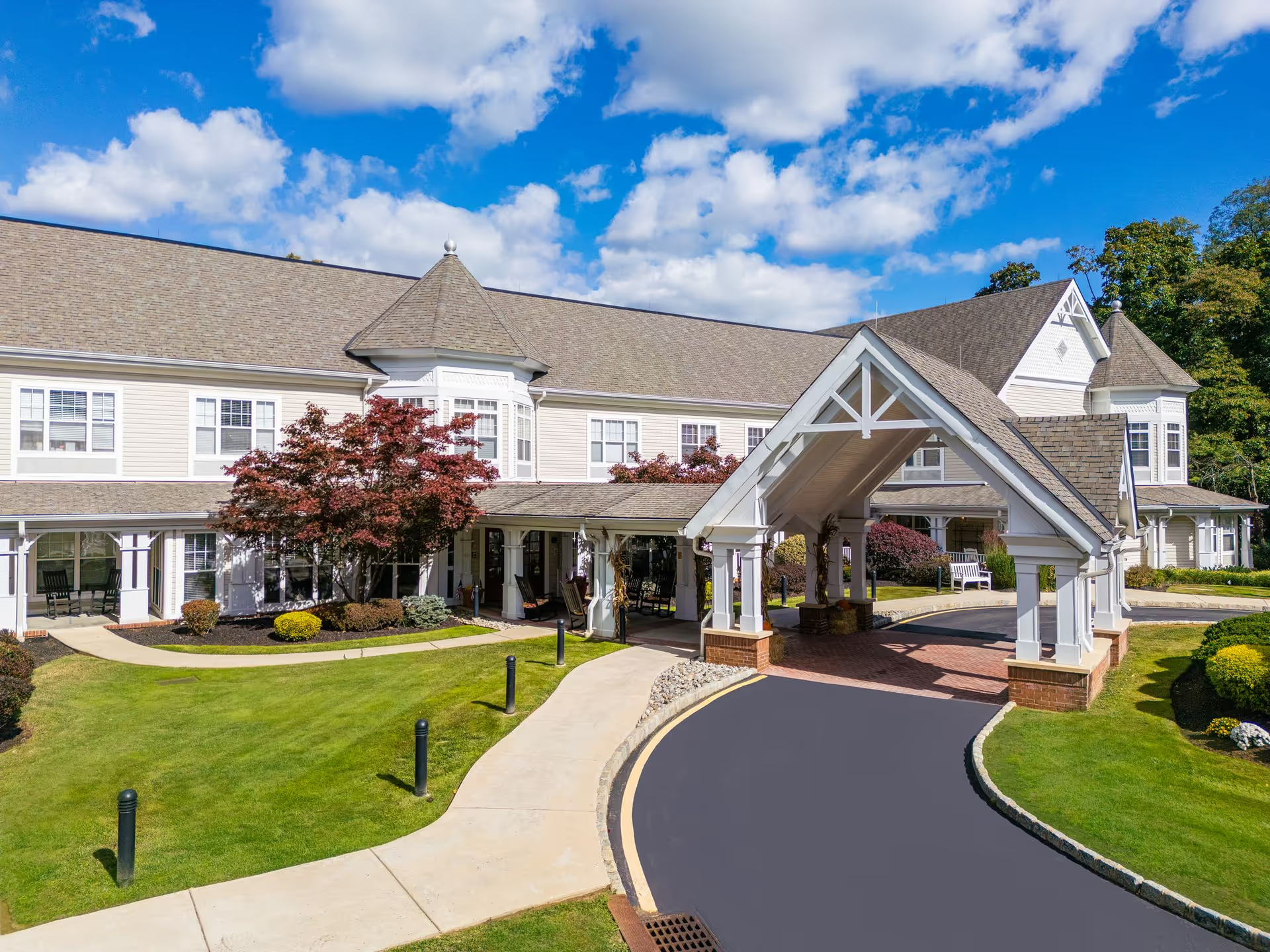
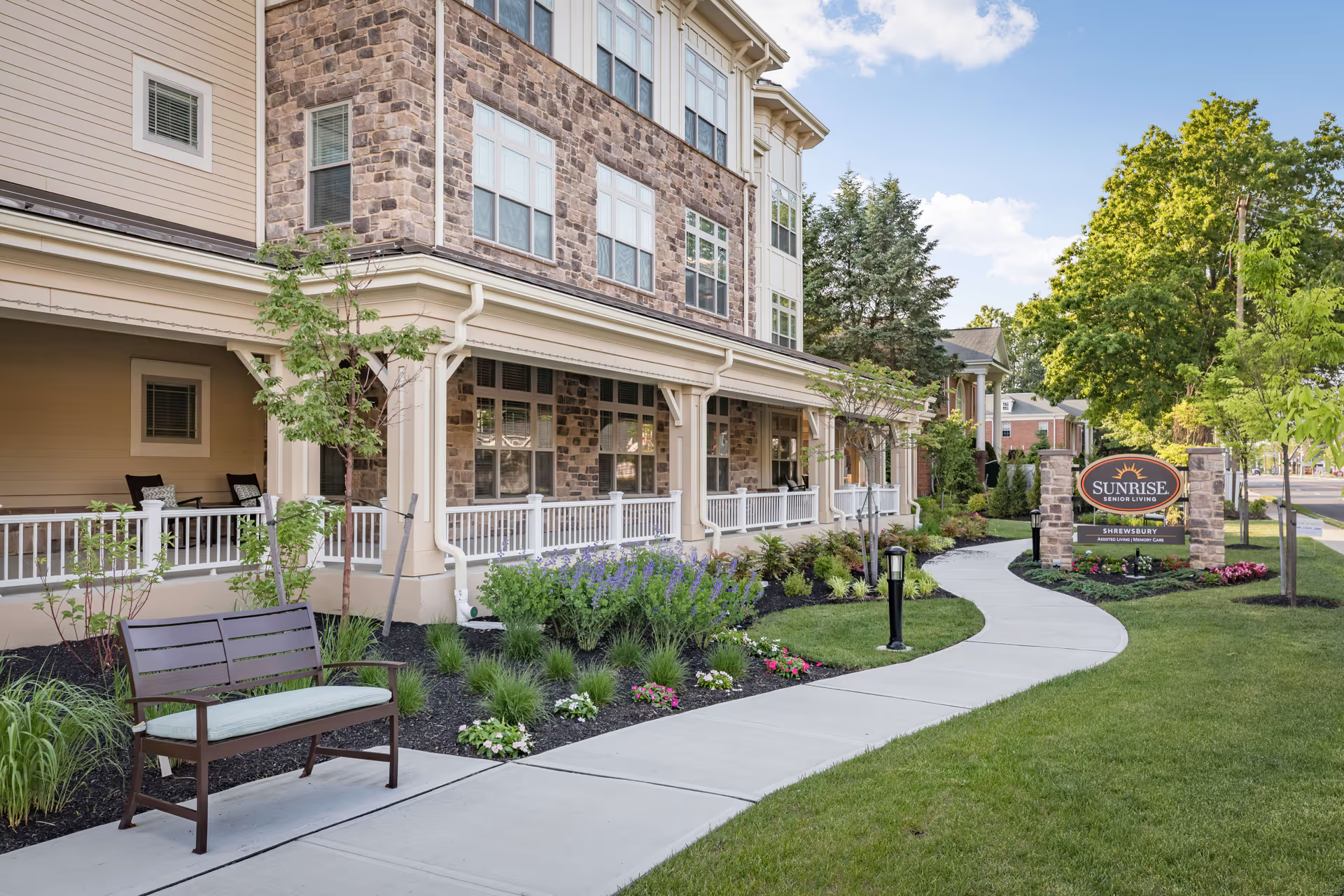
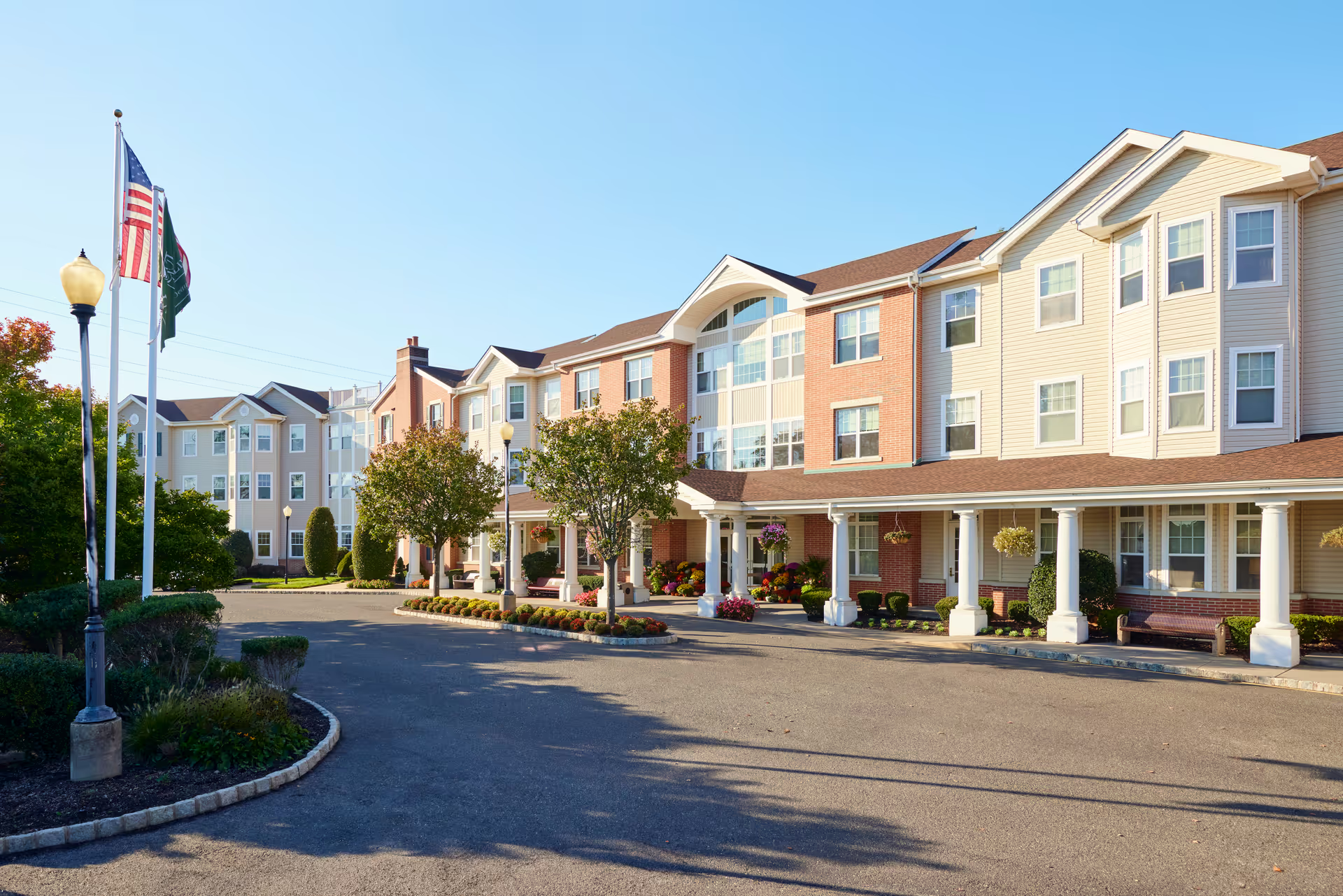
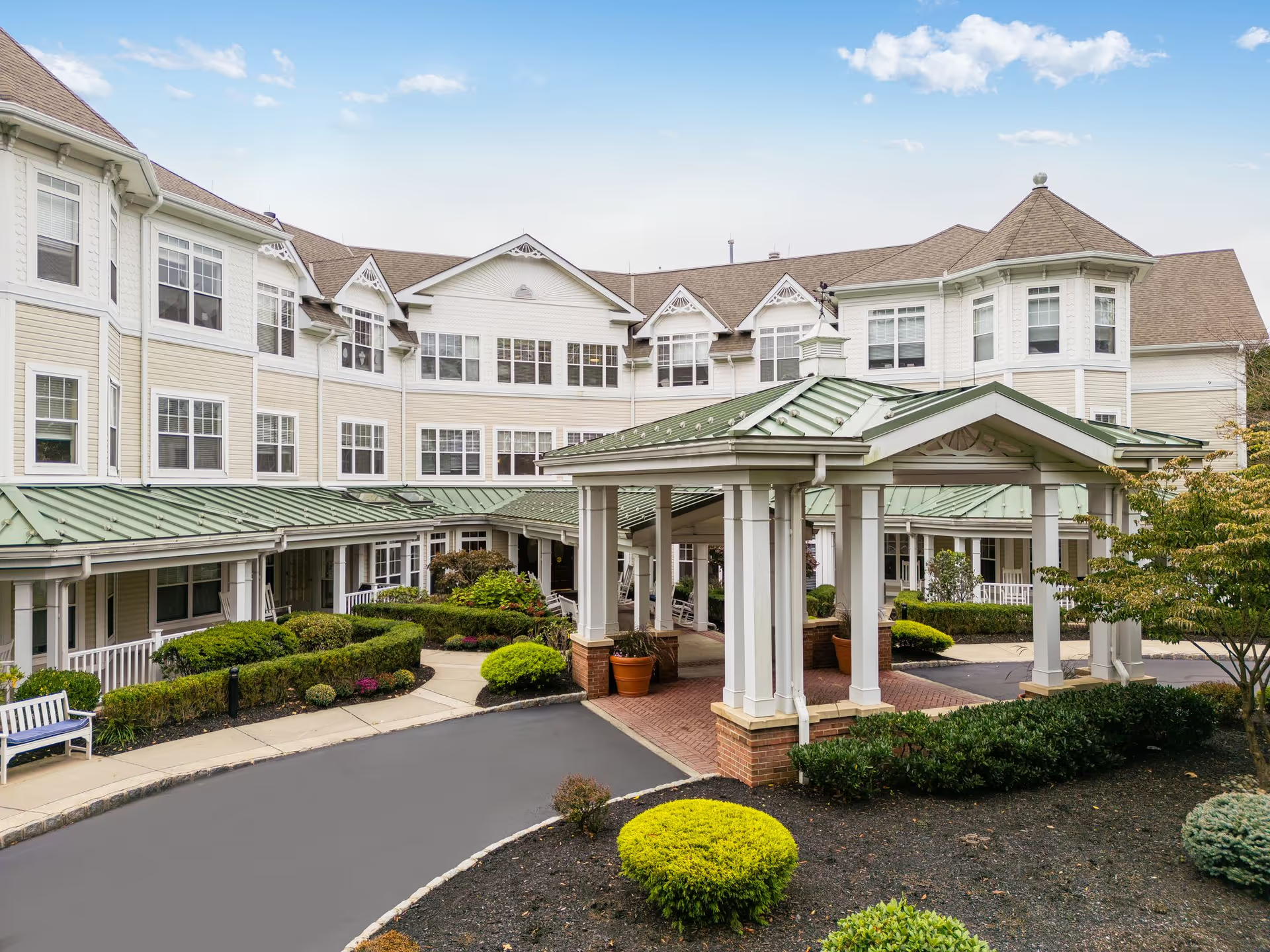
Overall impression: Reviews predominantly emphasize the facility’s strengths in staff engagement, cleanliness, programming, and a well-kept environment. Families and residents frequently describe a warm, family-like culture in which employees know residents by name, provide individualized attention, and make repeated efforts to involve families through updates and meetings. The campus and grounds are repeatedly characterized as attractive and park-like, supporting outdoor activities and a calming setting.
Care and staff: The staff are the most consistently praised element. Caregivers, nurses, dining staff, and therapy personnel receive repeated commendation for attentiveness, compassion, and hands-on support. Several accounts single out specific therapists and directors as effective advocates. That said, there are also reports indicating variability in clinical oversight within the memory-care neighborhood; while many families expressed confidence in memory-care staff, others raised concerns about response times, clinical management, and decline-risk monitoring. There are also some references to gaps in fall-prevention and transfer-safety practices that prospective families should assess during a tour and care-plan review.
Dining and activities: Programming is a clear strength — robust activity calendars, hallway and craft activities, transportation for outings, and an active engagement staff create widespread opportunities for socialization. On-site rehabilitation and physical therapy are frequently praised. Dining receives mostly positive remarks for variety and social dining, though experiences appear inconsistent: several families reported excellent, chef-prepared meals while isolated accounts note cold meals, reheating delays, or a decline in food quality. Meal-service continuity and serving responsiveness thus appear variable across visits and shifts.
Facilities and accommodations: The building and grounds are generally described as modern, clean, and well maintained, with appealing common spaces. Apartment sizes and closet/storage space are described as small by some families, and a few reviewers said the memory-care common area can become crowded in colder months, indicating limited indoor communal space in that neighborhood. Weekly housekeeping and visible maintenance contribute to perceptions of a safe, orderly environment.
Management, communication, and notable risks: Management and communications receive mixed comments. Many families praised responsive directors, regular family meetings (for example, weekly briefings during the pandemic), and helpful admissions staff. Conversely, a number of accounts raised concerns about corporate-level decisions, pricing stability (post-move increases), and limited transparency during an infection-control event; a minority of accounts included serious allegations related to theft and financial misconduct tied to ownership. These more serious claims are not the dominant theme but are significant and warrant inquiry. Prospective residents and families should ask about infection-event communication protocols, testing access, fall-prevention strategies, staffing ratios in memory care, and recent pricing history during tours.
Bottom line: Arbor Terrace Middletown presents as a well-maintained, activity-rich community with a strongly praised caregiving culture and useful on-site therapy services. However, there are recurring operational concerns to evaluate in person — especially around memory-care clinical oversight, meal-service consistency, apartment size and storage, fall-prevention practices, and transparency around pricing and crisis communication. A focused tour with direct questions about those areas, plus review of care plans and recent incident/quality records, will help families confirm whether the community’s strengths align with their specific care needs.