Overall impression: The facility receives predominantly positive comments emphasizing a warm, home-like atmosphere and consistently praised staff. Families and residents frequently describe caregiving personnel and front-desk teams as compassionate, attentive, and deeply involved in day-to-day needs; several staff members and leaders are named repeatedly as trusted points of contact. Move-ins and transitions are often characterized as smooth, with individualized attention from nursing and care managers that helps residents settle quickly.
Care quality and clinical coordination: Reviews emphasize strong hands-on caregiving and coordinated nursing support. Care managers and nurses are described as proactive about health monitoring and appointment coordination, and there are multiple references to staff going above and beyond for resident comfort. The memory-care unit is presented as patient and respectful; however, some feedback suggests the need for more specialized Alzheimer’s-targeted programming and more stimulating activities tailored specifically to memory-impaired residents.
Dining and activities: Dining is generally highlighted as a strength — described as plentiful, varied, and accommodating of dietary needs, with popular daily specials and an open dining room concept. At the same time, a number of comments point to occasional inconsistencies in meal quality, suggesting variability across service times or menus. Activity programming is broad and active, with musical events, exercise classes, outings, themed parties (luau), and small-group social opportunities that support resident engagement and camaraderie.
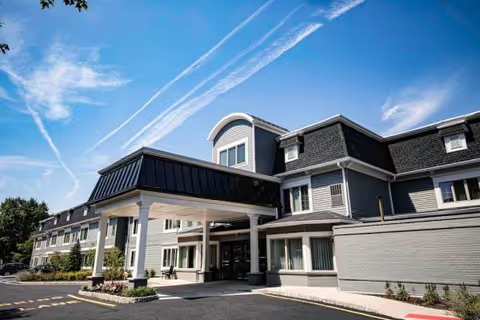
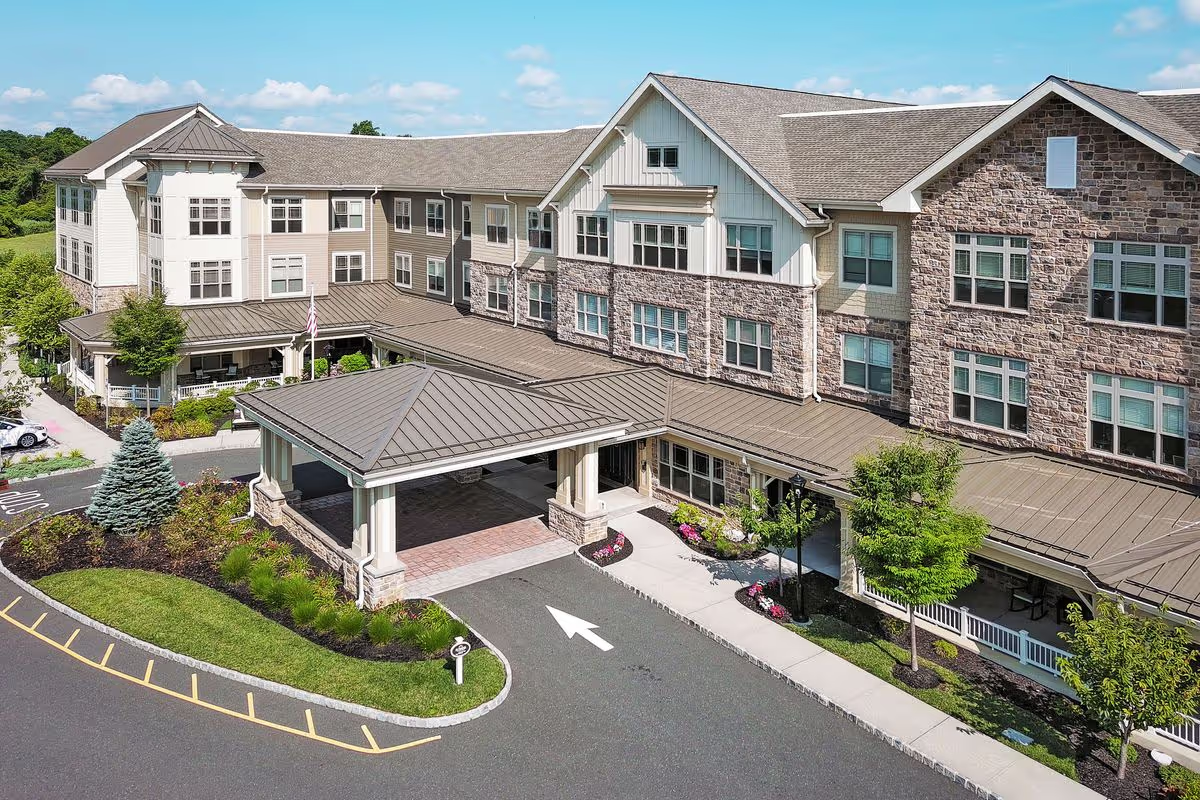
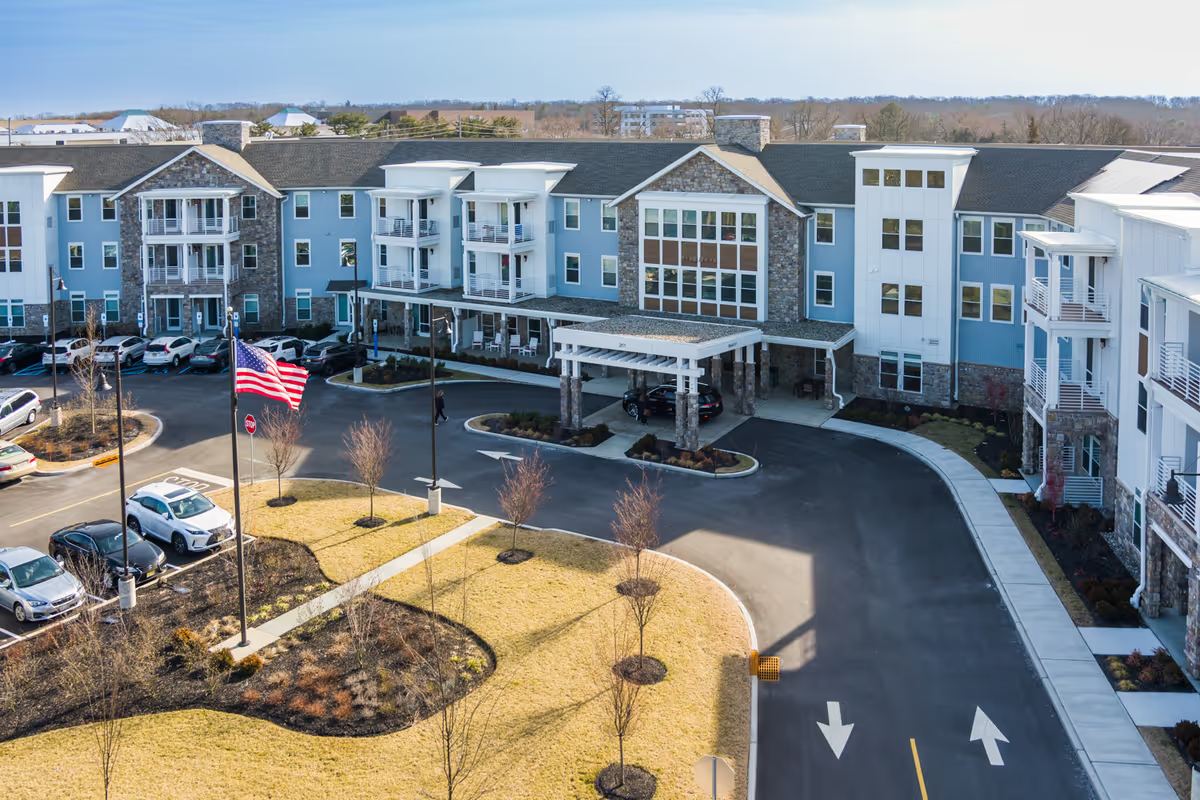
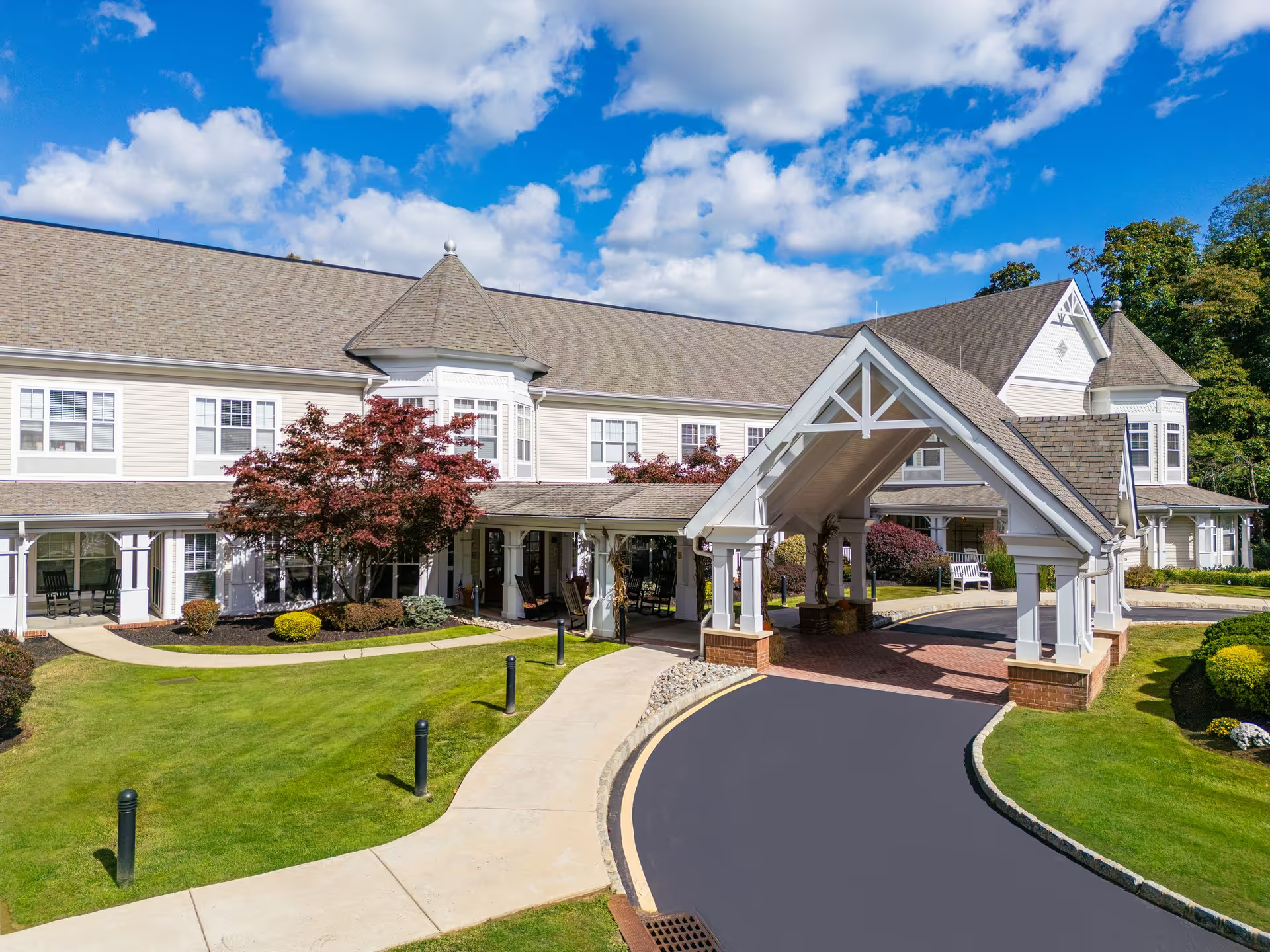
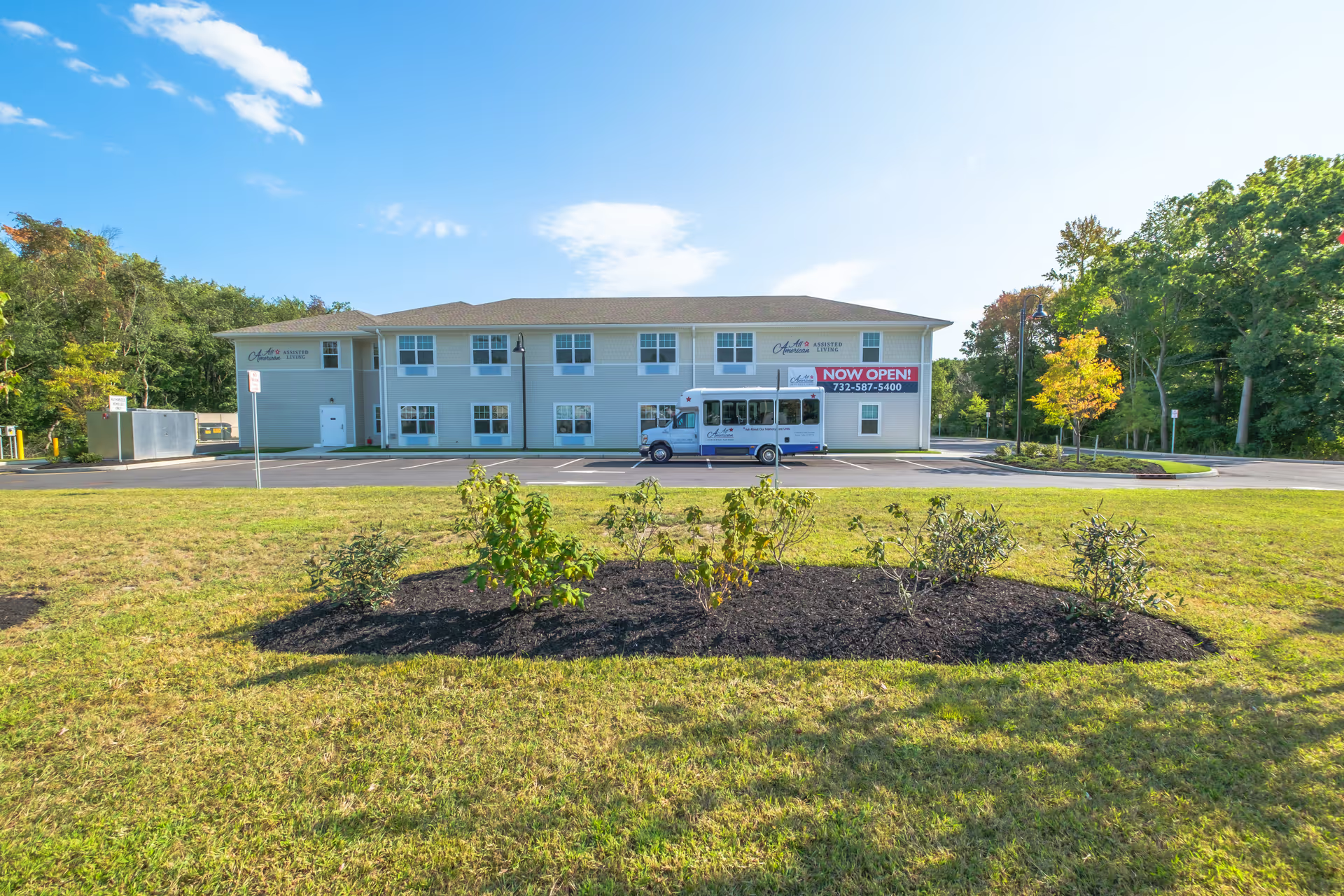
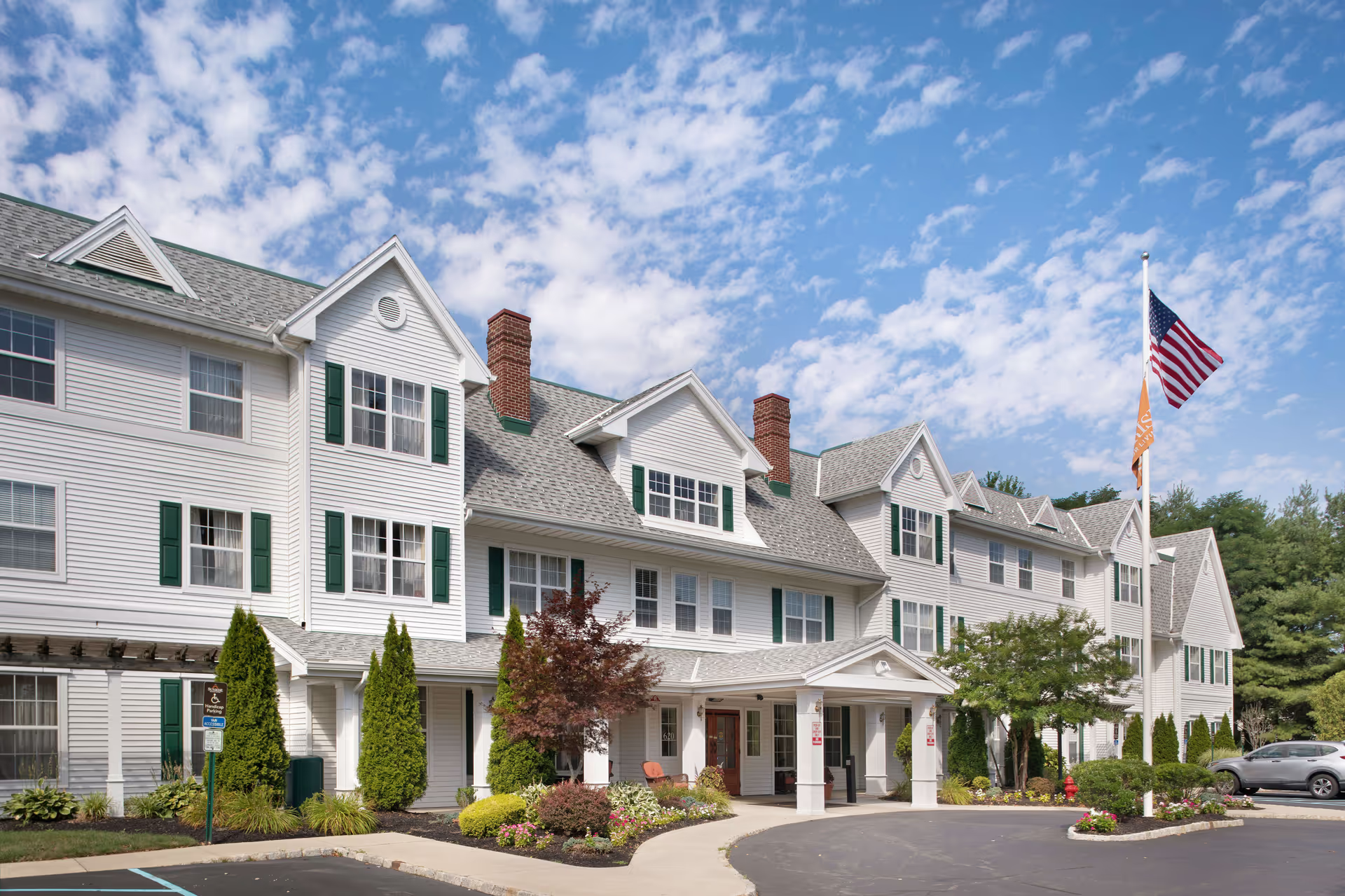
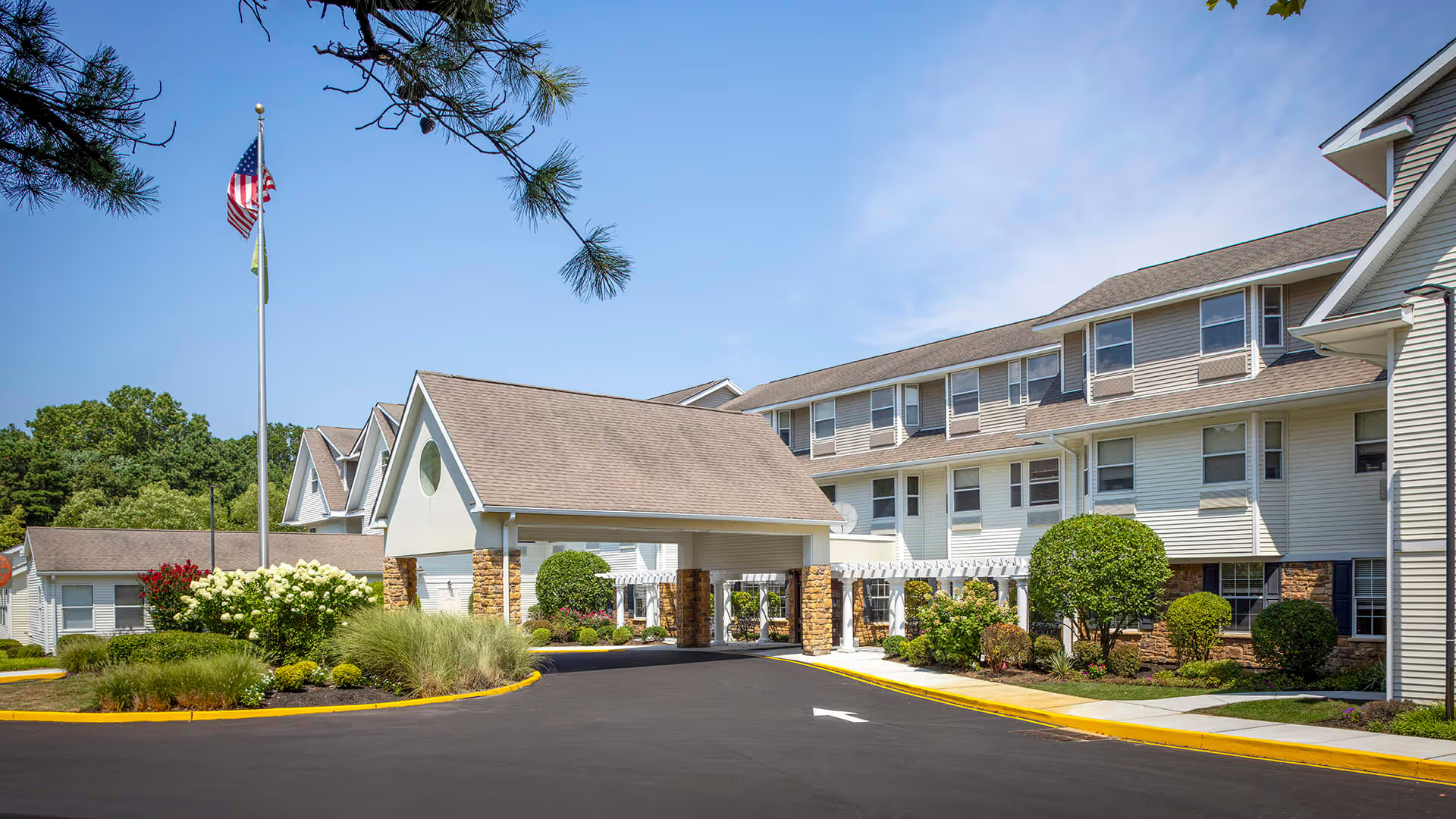
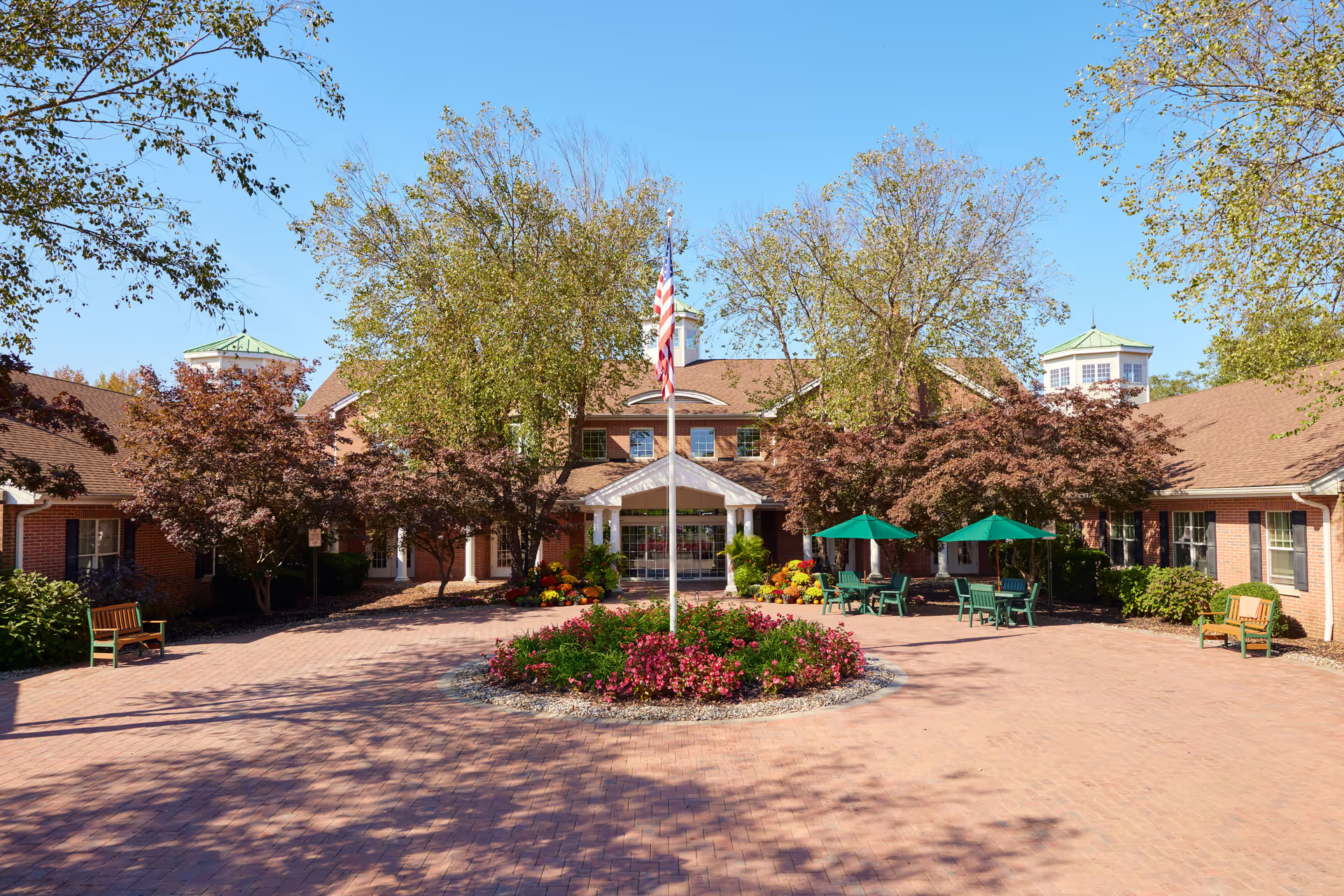
Facilities and environment: The community’s physical environment is frequently noted as attractive and well maintained: private, hotel-style common areas, a traditional library aesthetic, spacious sitting rooms, and extensive outdoor spaces (firepit, walking paths, benches) are repeatedly praised. Many reviewers call the facility immaculate and comfortable. Nonetheless, a minority of comments raise sanitation and cleanliness inconsistencies and note that some apartment layouts are small; prospective residents may want to verify unit size and housekeeping standards during a visit.
Management, safety, and operational patterns: Leadership and administrative staff receive positive mentions for approachability and communication; families point to supportive executive leadership and responsive front-desk staff. Security features and an emphasis on balancing independence with monitoring are described positively. Operational concerns that recur at the facility level include intermittent staffing shortfalls that can affect responsiveness and occasional variability in meal quality. Pricing transparency is another operational area called out — prospective families note that costs have increased and that clearer upfront pricing would be helpful.
Notable patterns and recommendations: The dominant pattern across feedback is high satisfaction driven by staff quality, social life, and the physical setting. However, there are operational weaknesses to verify: staffing consistency, the level of Alzheimer’s-specific programming if that is a need, meal-service consistency, apartment size options, sanitation practices, and clear cost information. There are a few outlier, serious negative accounts describing severe staffing and care concerns; these appear infrequent but are sufficiently consequential that families should ask about recent compliance, staffing ratios, and any adverse incidents during a tour or in conversation with management.
For prospective residents and families: schedule an in-person tour at different times of day (meal times and evening shift), request current staffing ratios and sample menus, ask about memory-care programming specifics, and confirm pricing and move-in costs in writing. Doing so will help validate the many strengths cited and clarify the operational issues that some reviewers identified.