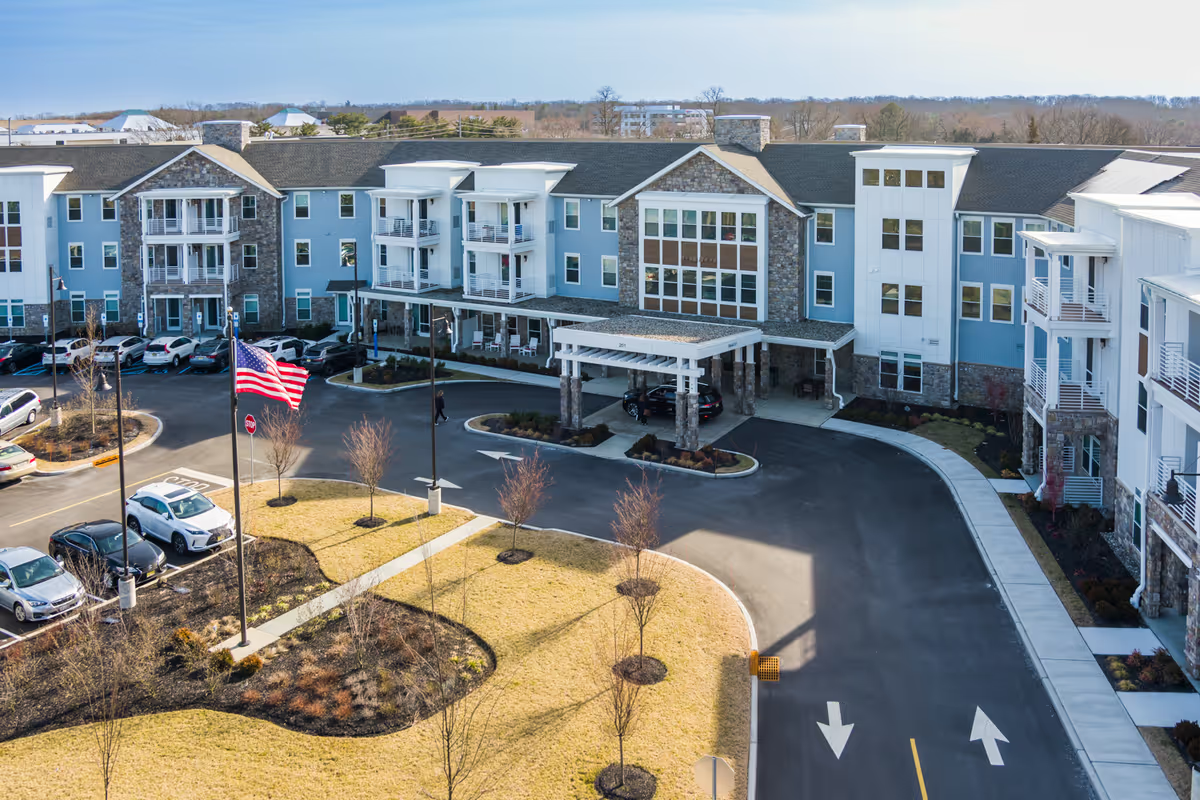
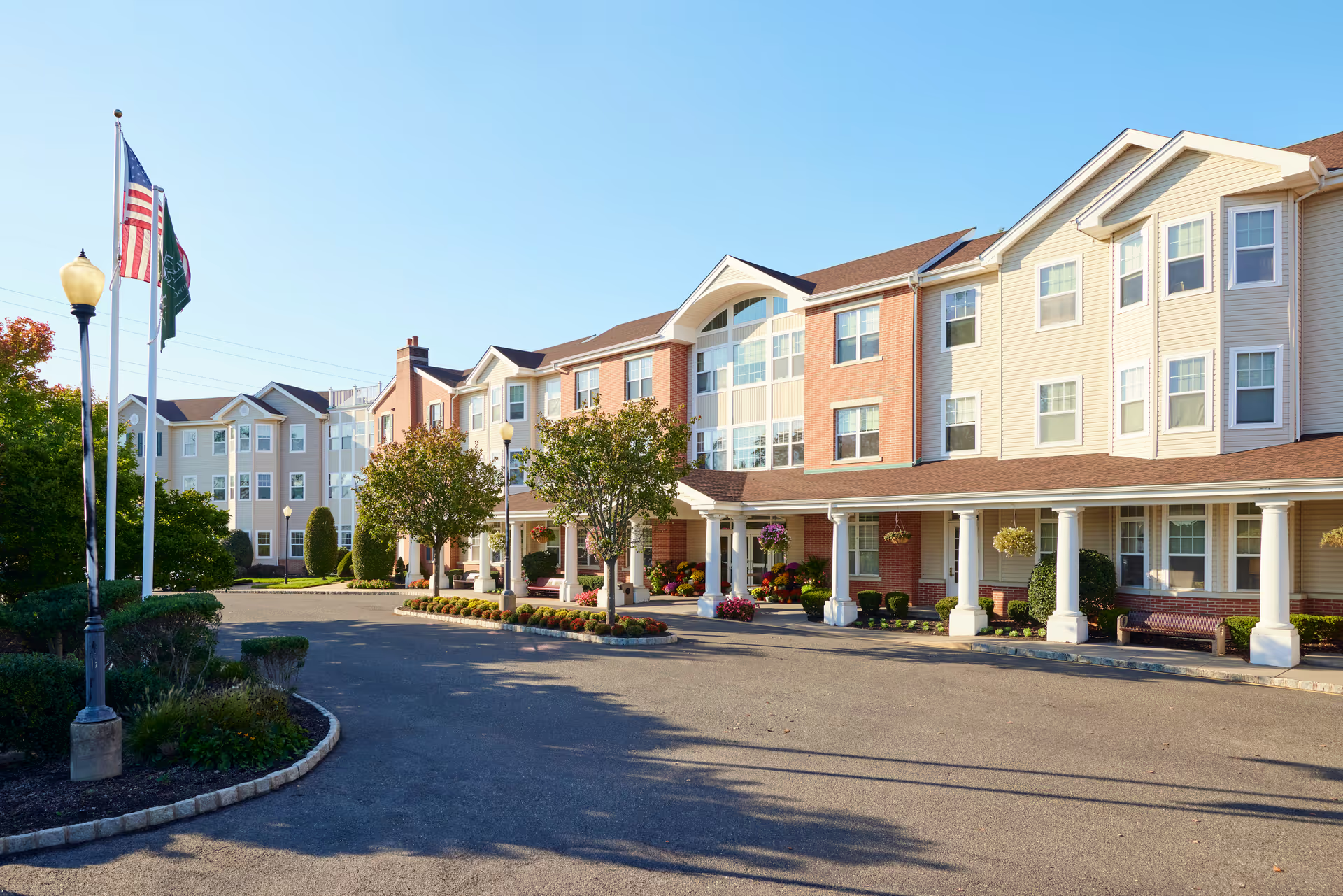
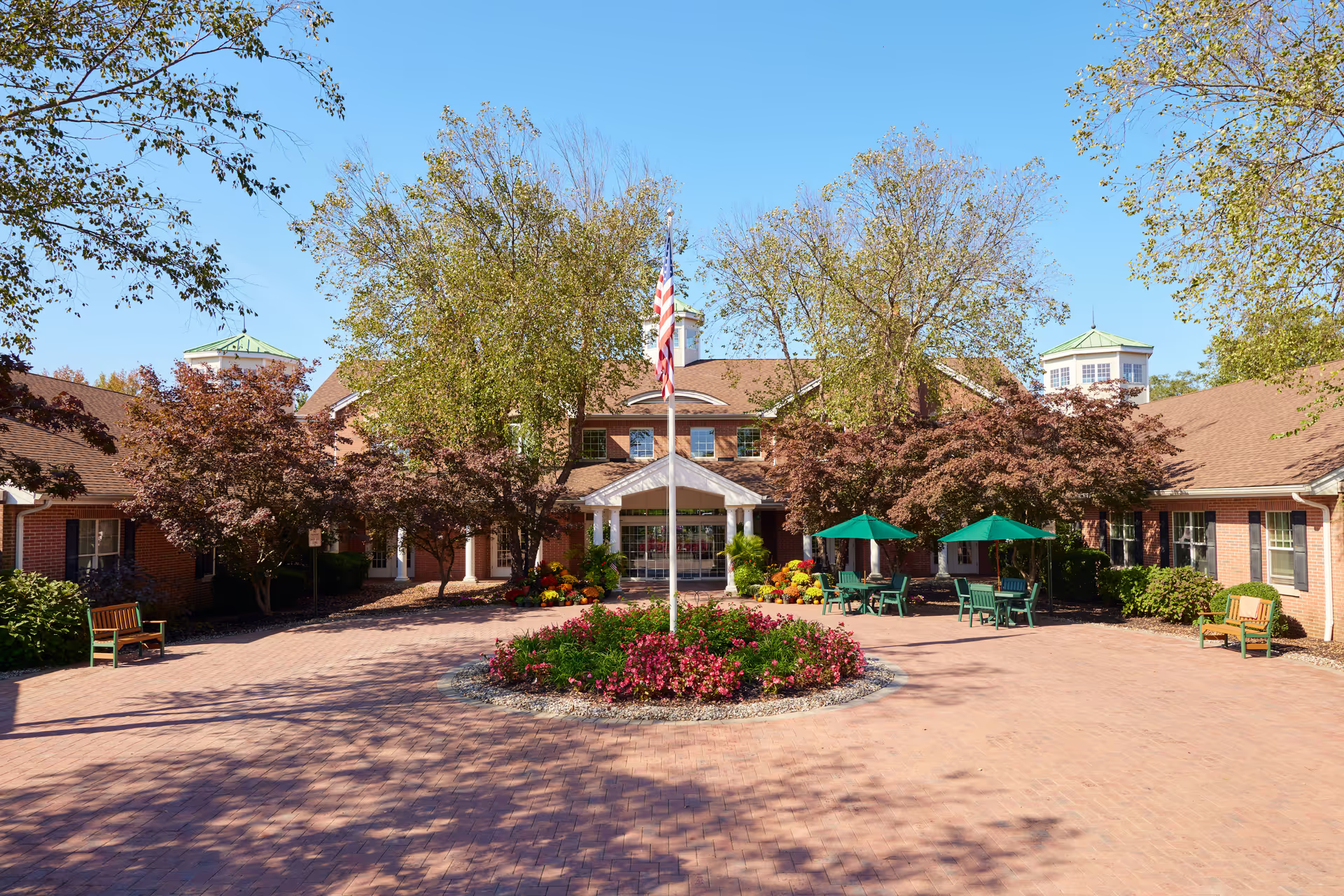
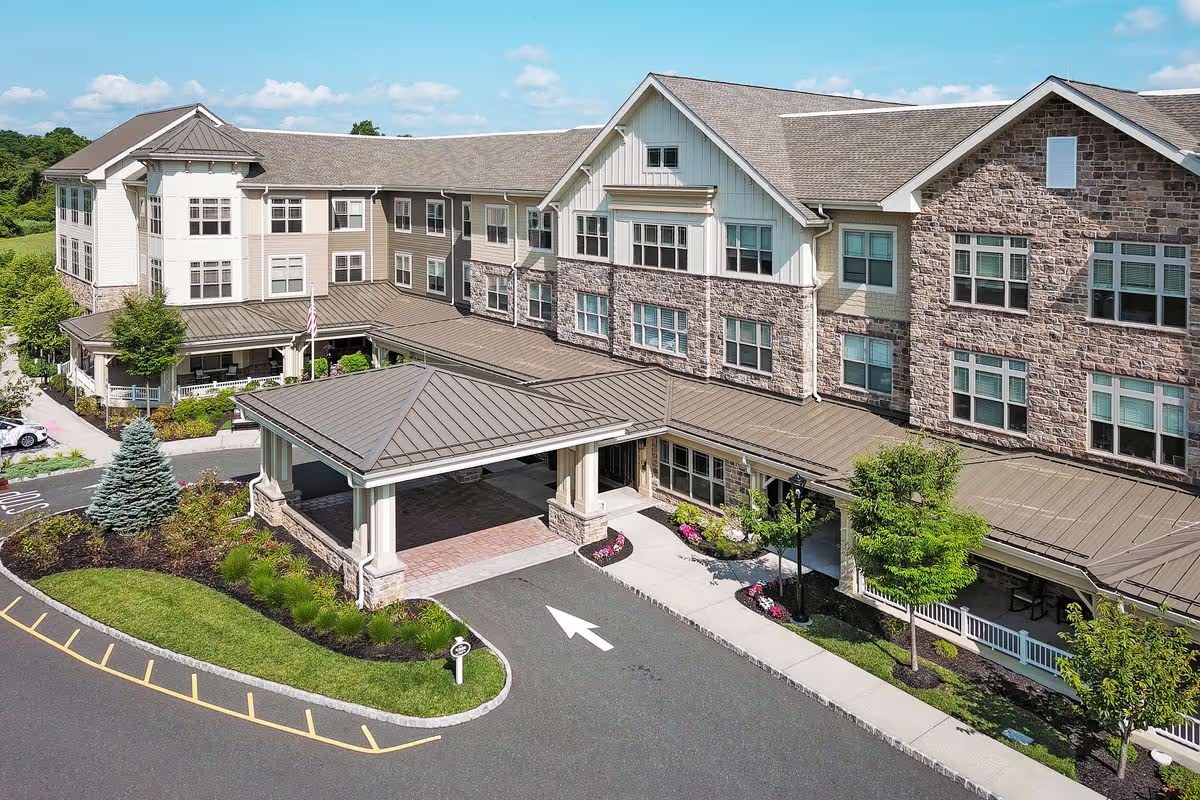
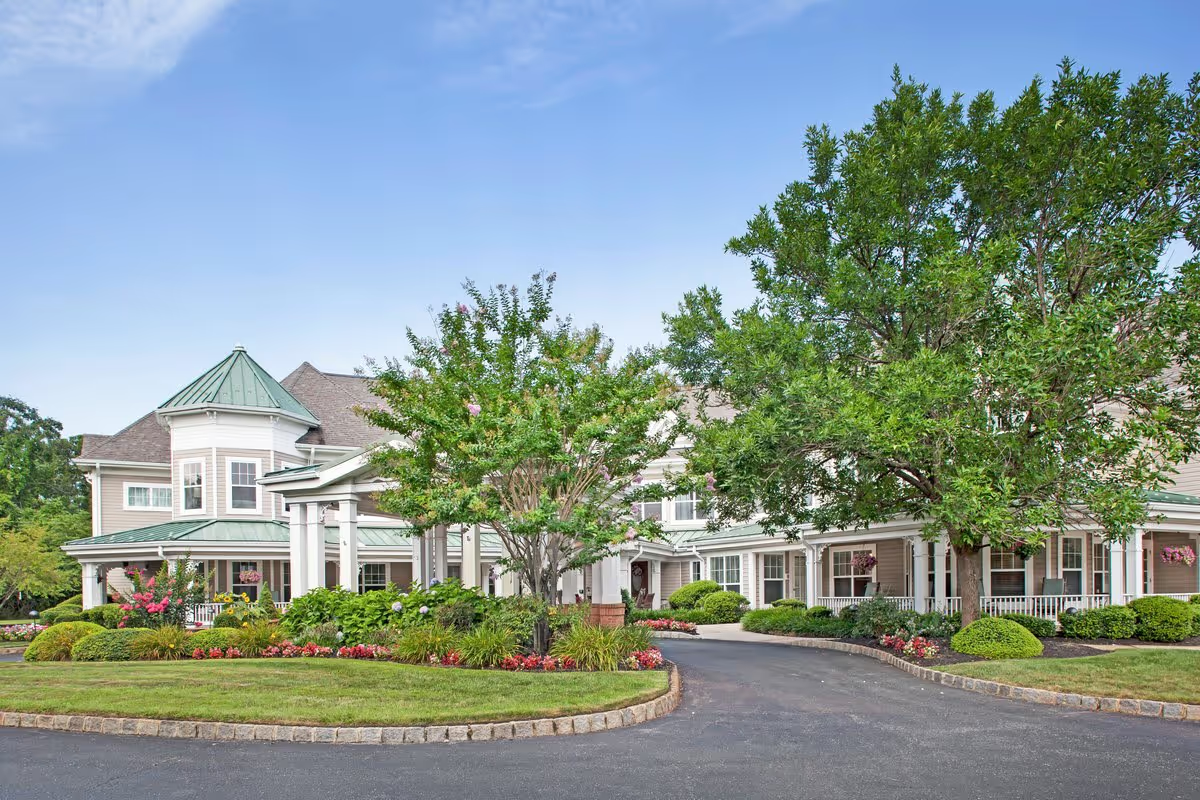
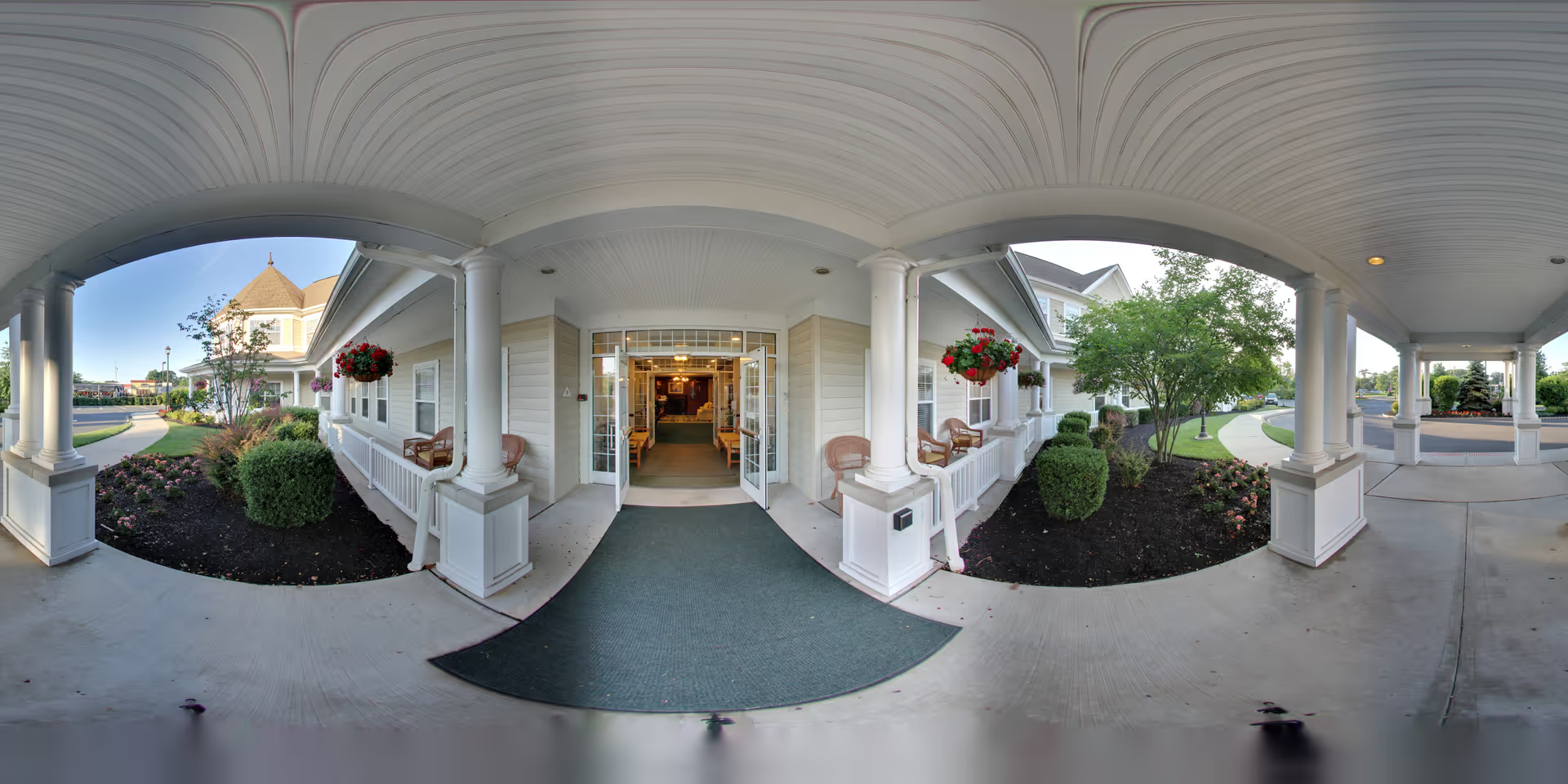
Atria Tinton Falls presents a mixed but largely positive profile with strong strengths in day‑to‑day caregiving, activities, and facility presentation. Reviewers consistently praise direct care staff — nursing assistants, activities coordinators, dining room staff, and front‑desk personnel — for being warm, attentive, and engaging. Many families highlight a family‑like atmosphere, strong life‑guidance leadership, successful memory‑care transitions, and robust on‑site rehabilitation services. The facility’s physical environment and grounds are frequently described as clean, bright, and well maintained; the dining room and chef receive repeated commendation for restaurant‑style presentation and varied menus.
Care quality and staffing present a dual picture. On the positive side, long‑term line staff, helpful admissions personnel, and named caregivers earned strong praise for responsiveness and individualized attention. At the same time, there are consistent operational concerns about staffing consistency and aide continuity; several accounts point to periods of understaffing, variable aide performance, and slow responses during peak times. A small number of families described clinical or medication‑administration incidents that they found worrying; prospective families should confirm medication protocols, staff training, and incident‑reporting procedures during a tour.
Dining and nutrition are generally rated well, with many residents enjoying varied, restaurant‑style meals and accommodating dietary options. However, a subset of comments notes inconsistent meal delivery, occasional wrong orders, and distracted kitchen service behavior. A few reviews also described menus that skew toward desserts or items some residents found less appropriate; verify current menu cycles and dietary accommodations if specific needs exist.
Activities are a clear strength for many residents: there is a broad schedule that includes arts and crafts, games, movement/dance classes, outings, intergenerational and performer events, and use of an events app for families. These programs are often credited with improving social engagement and mood. A minority of residents and families, however, felt programming could be more varied or individualized for residents with higher education or different social interests; confirming activity examples and participation expectations is recommended.
Facility layout and housing present tradeoffs. The community’s common areas, theater, gardens, and bistro are widely praised. Apartment sizes vary: some units are described as bright and well‑appointed, while others are characterized as small and without kitchens, which may not suit someone who needs more living space or independent cooking. Memory‑care spaces are described as secure and small, which is reassuring for safety, but some noted limited private space and unit‑level amenities.
Management and administrative themes are mixed. Many families name specific managers and admissions staff who provided excellent communication and hands‑on assistance; several reviewers call out staff who “went above and beyond” during move‑ins and care transitions. Conversely, there are repeated concerns about leadership turnover, inconsistent communication about billing or clinical matters, contested community fees, and occasional abrupt fee increases. A number of families experienced billing or readmission disputes; these items point to the importance of reviewing contract terms, community fee policies, refund rules, and escalation pathways before committing.
Overall pattern and recommendation: Atria Tinton Falls appears to offer strong interpersonal caregiving, a lively activities program, attractive dining, and a well‑kept environment that many families find comforting. However, prospective residents and families should conduct an on‑site visit that includes: asking about current staffing ratios and turnover, reviewing medication‑administration and incident‑reporting protocols, confirming dietary accommodations and meal service logistics, inspecting apartment layouts for size and kitchen needs, and clarifying contract language on fees, refunds, and readmission policies. Doing so will help match the community’s pronounced strengths to an individual resident’s clinical and lifestyle needs.