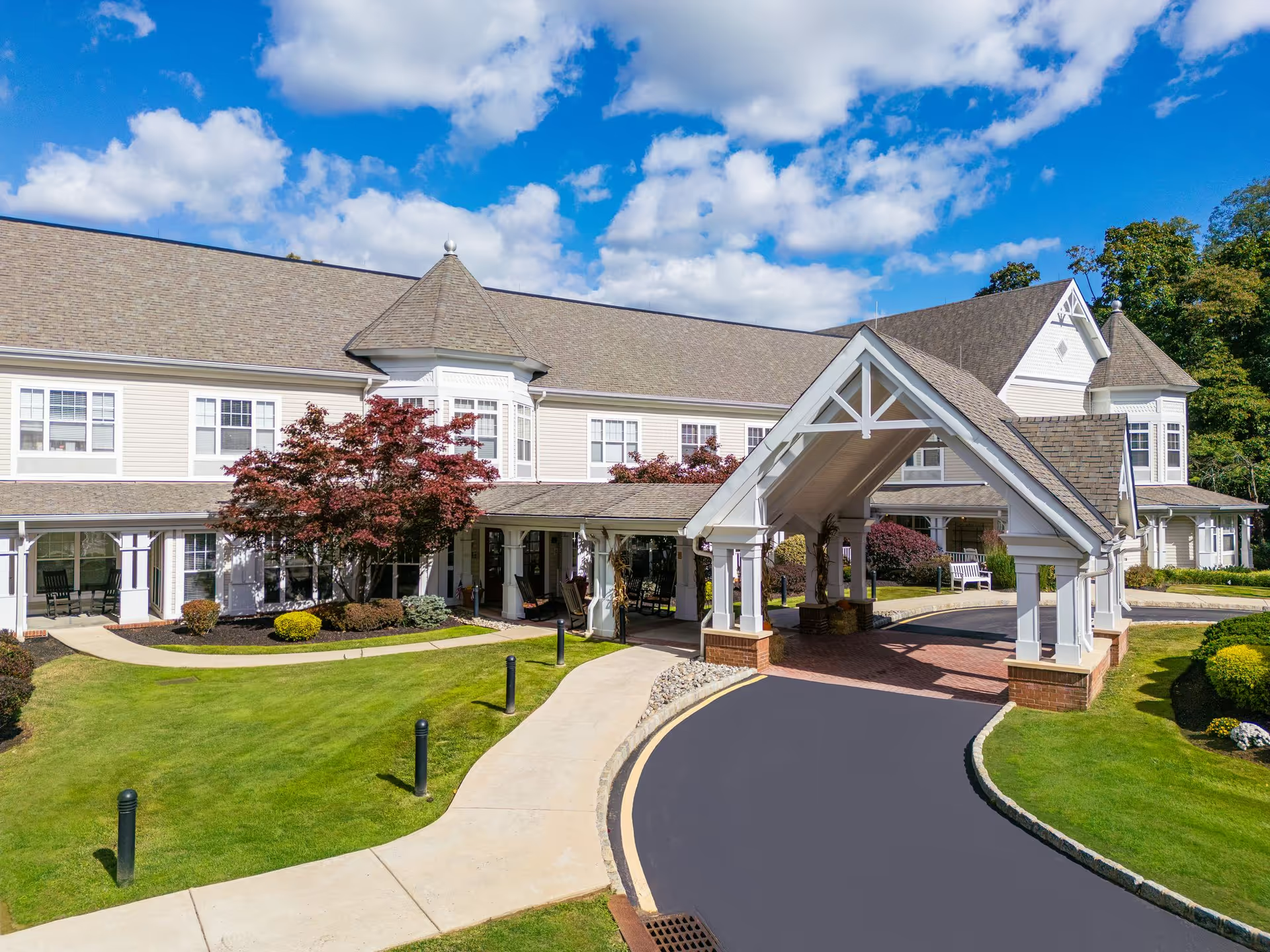
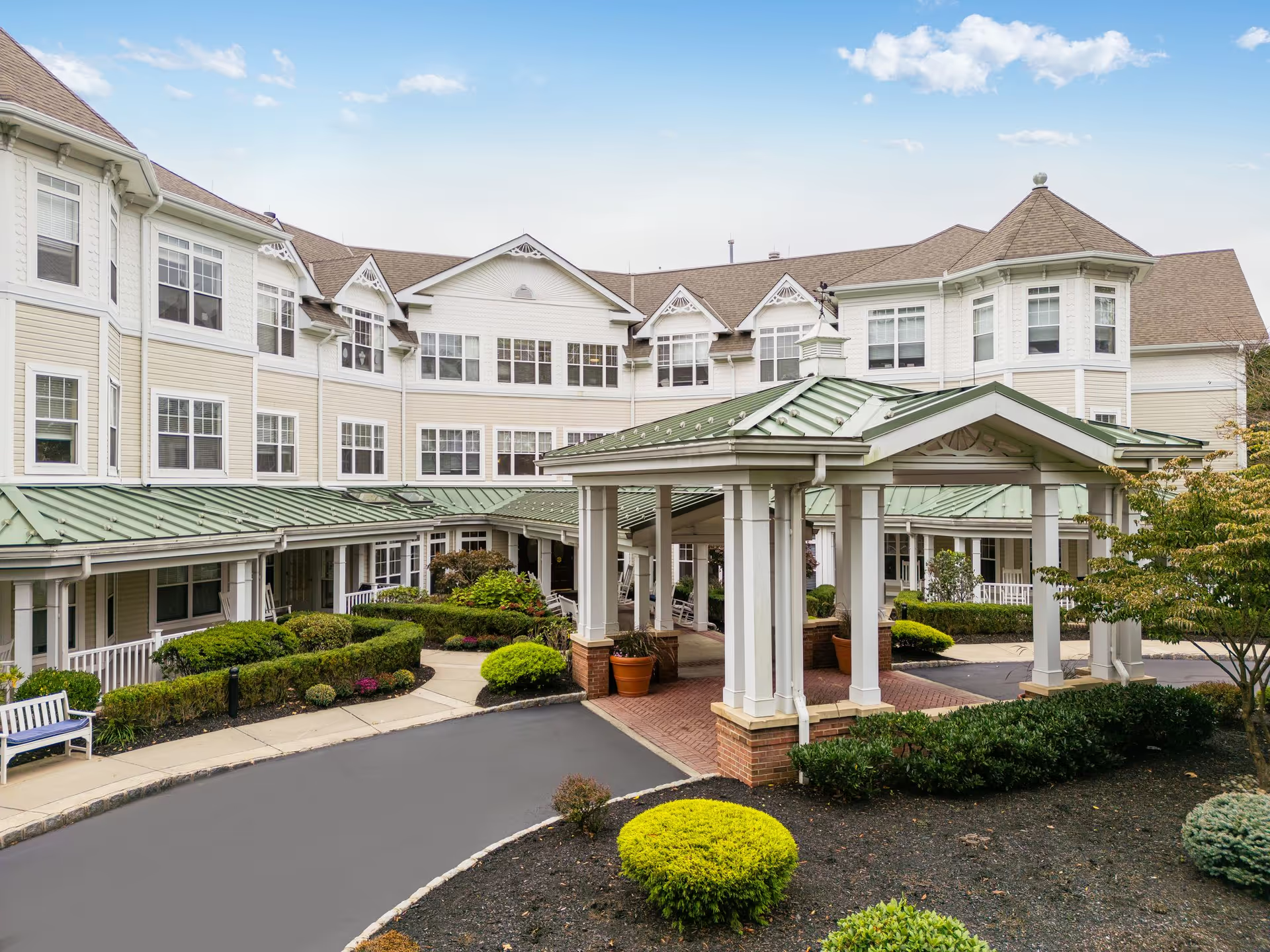
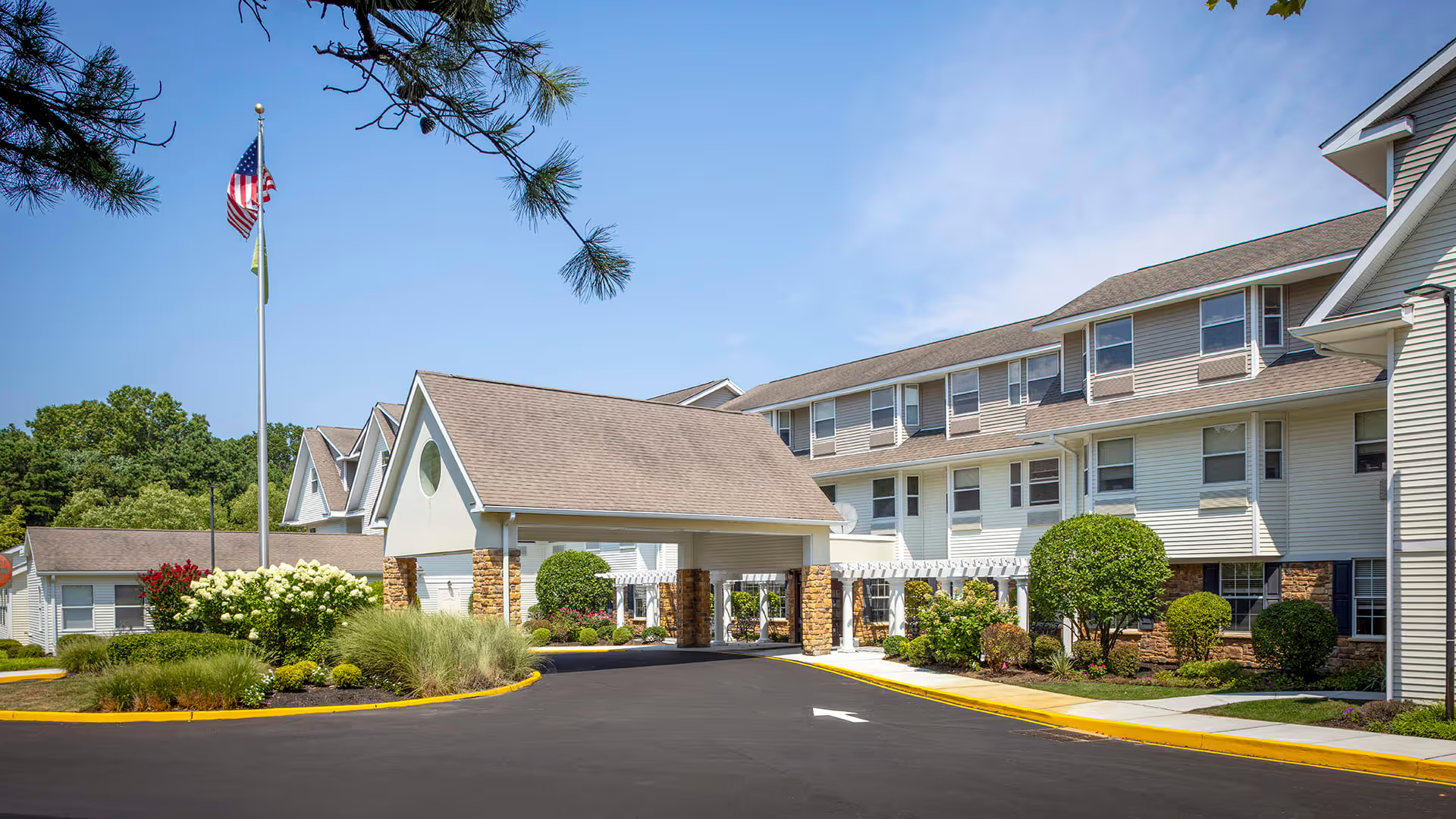
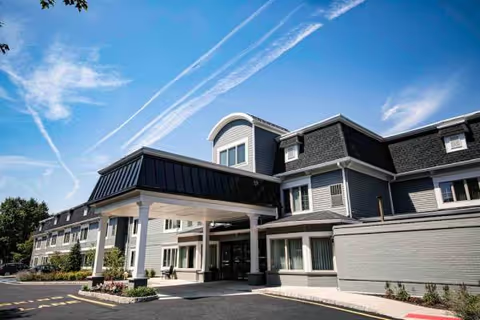
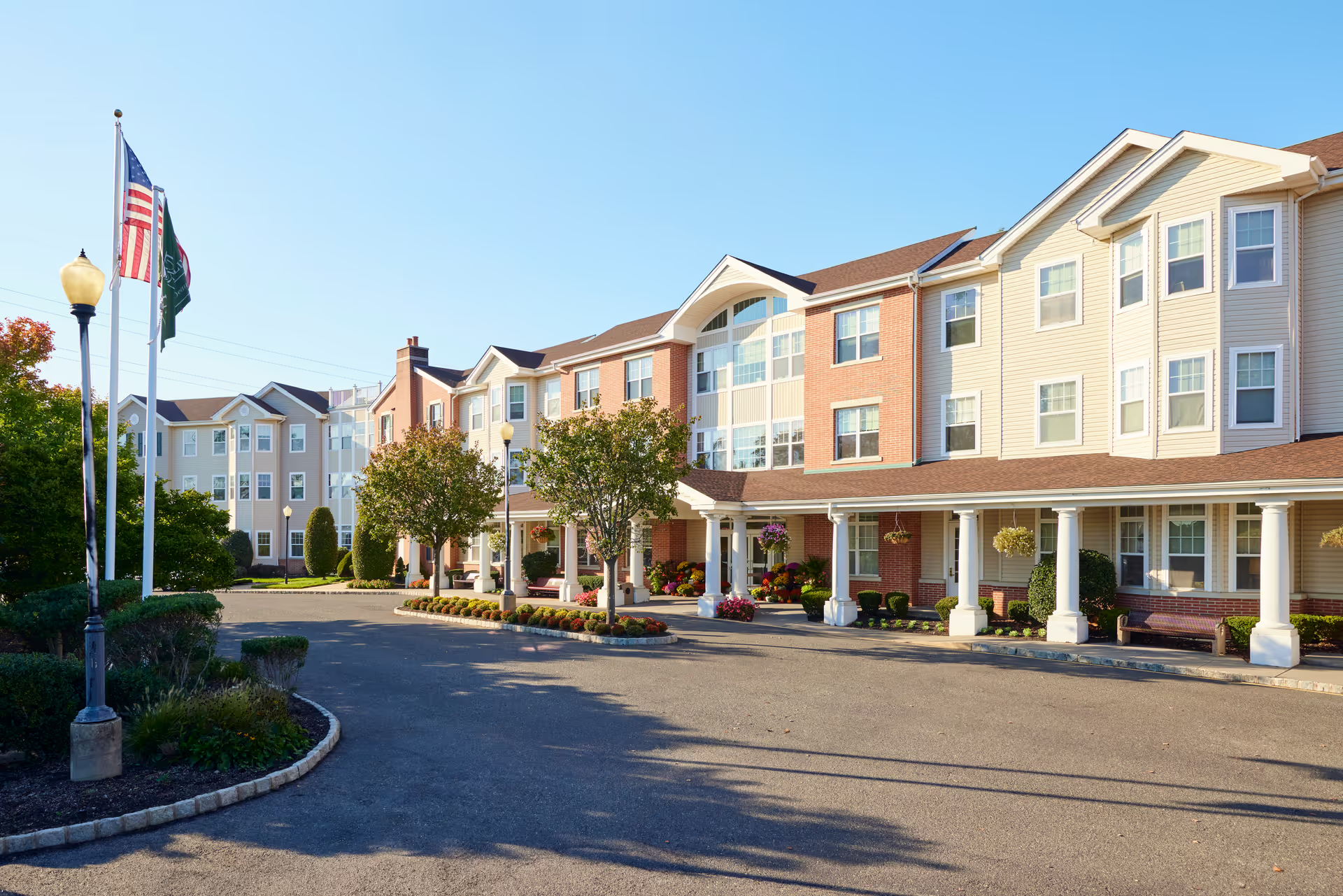
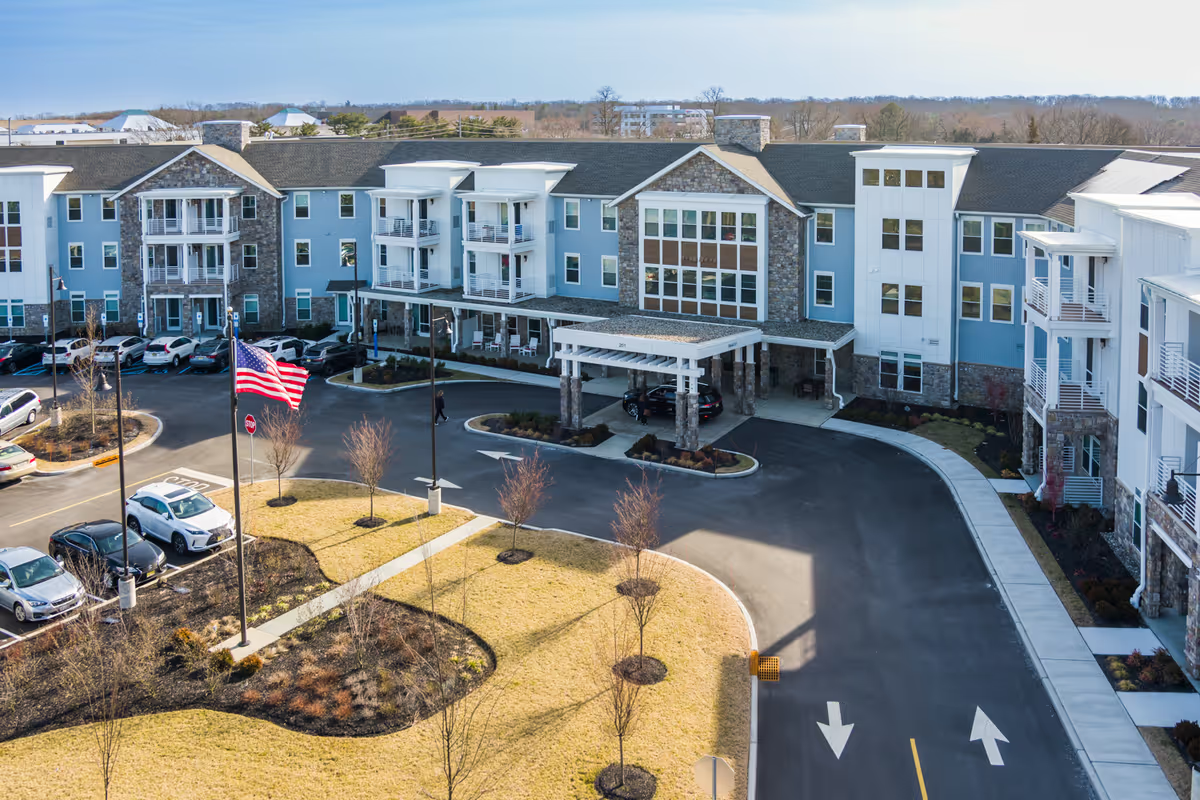
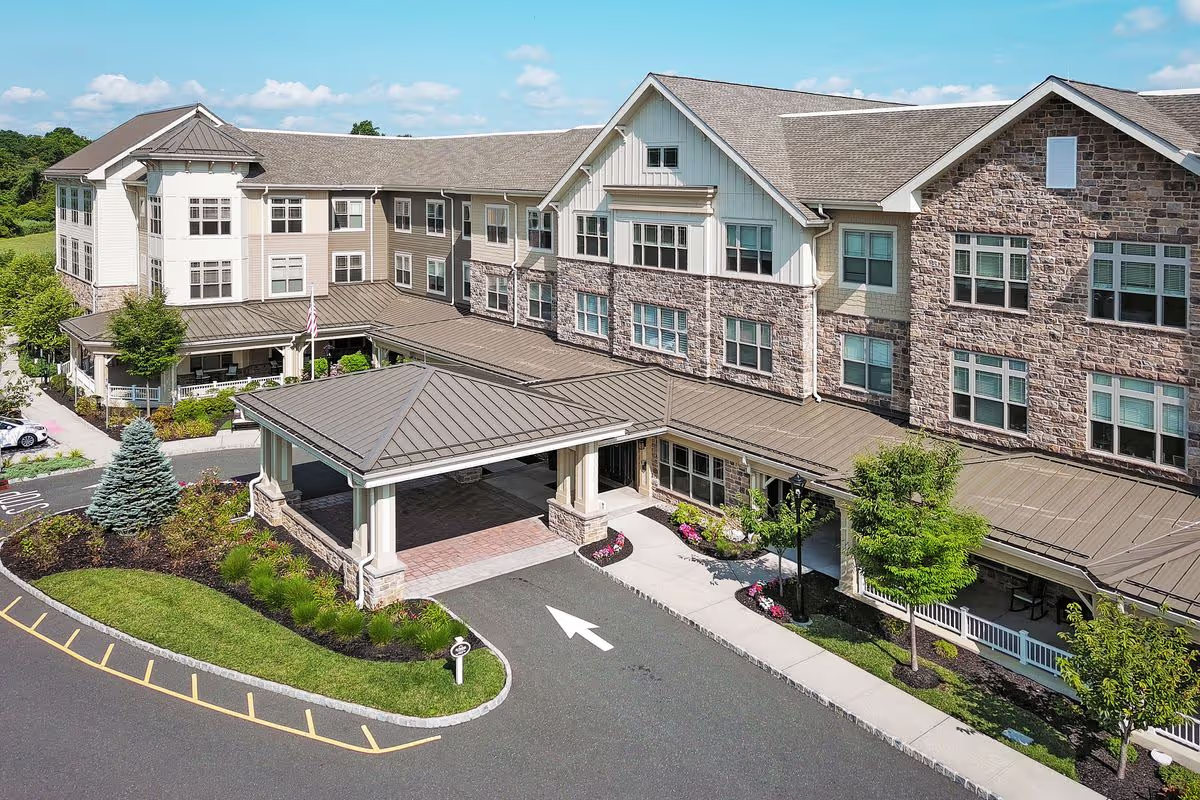
Brandywine Colts Neck (Reflections) is consistently described by families as a memory‑care–focused community with a strong resident‑centered culture. Many reviewers emphasize the facility’s specialization in memory support, the continuity of care provided by long‑tenured staff, and the presence of engaged nursing and wellness leadership. Named leaders and caregivers receive frequent praise for their hands‑on approach and availability, and reviewers commonly cite a warm, home‑like atmosphere and respectful treatment of residents.
Clinical care and staffing are generally highlighted as strengths: families report responsive nursing oversight, capable directors of nursing and wellness, and stable overnight caregivers. Reviewers note that individualized care plans and dedicated care managers contribute to improved quality of life for many residents, and several accounts describe measurable functional and emotional gains after admission. That said, there are operational concerns raised by some families around medication controls and clinical follow‑up; these appear as isolated but serious issues that prospective families may wish to probe further during a tour or intake discussion.
The facility’s activity program is another frequently praised area. Residents are regularly engaged in music, crafts, karaoke, holiday events and small‑group programming, which many families say promotes socialization and enjoyment. Reviewers also appreciate the dining program — foods are described as appealing with variety and thoughtful choices — and the overall cleanliness and maintenance of the building and grounds, including attractive, secure courtyards that support outdoor engagement.
Notwithstanding these strengths, a subset of reviewers described operational weaknesses that reflect patterns rather than single incidents. These include inconsistent staffing levels (notably at night), variability in one‑on‑one engagement and dementia‑specific activity quality across shifts, and occasional defensive or unclear communication from staff with families. A few accounts raise concerns about medication management and post‑incident clinical follow‑up; while not pervasive, such concerns point to areas where prospective families should request specific policies and recent quality indicators.
In summary, Brandywine Colts Neck presents as a warm, well‑maintained memory‑care community with notable strengths in staff continuity, clinical leadership, activities and dining. Many families report significant improvements in resident well‑being and strong ongoing communication. Prospective residents and families would benefit from confirming current staffing ratios (including nighttime supervision), dementia‑specific training practices, medication‑management protocols, and examples of how the community documents and communicates clinical incidents before making a placement decision.