Sunrise of Wall elicits strongly polarized impressions: many families describe a warm, small‑community atmosphere with compassionate caregivers, robust activity programming, and clean, well‑maintained public spaces, while a subset of experiences point to significant operational weaknesses that prospective residents should evaluate.
Care and staff: A large portion of reviews emphasize caring, attentive staff who create a home‑like environment and deliver personalized support. Reviewers frequently note strong memory‑care programming, effective rehabilitation and physical‑therapy services, and staff who are responsive during tours and admission. At the same time, there are repeated indications of inconsistent staffing levels and turnover that have affected continuity of care for some residents. Several families raised concerns about delays in attending to personal‑care needs (including bathing, toileting assistance, and feeding), and a limited number of accounts describe serious safety‑related incidents; one review referenced an allegation of elopement that led to law‑enforcement involvement. These patterns suggest variability in both staffing consistency and incident response procedures.
Dining and activities: The community is regularly praised for an active social calendar, creative programming, outings, and an on‑site chef offering varied menus. Many residents and families highlight engaging staff such as activity coordinators, musical entertainment, and craft or woodworking spaces. However, dining experiences are mixed: while some describe very good food and variety, others cite inconsistent meal quality and an inflexible menu. Prospective residents who prioritize specific dietary preferences or frequent menu changes should inquire directly about menu planning and substitutions.
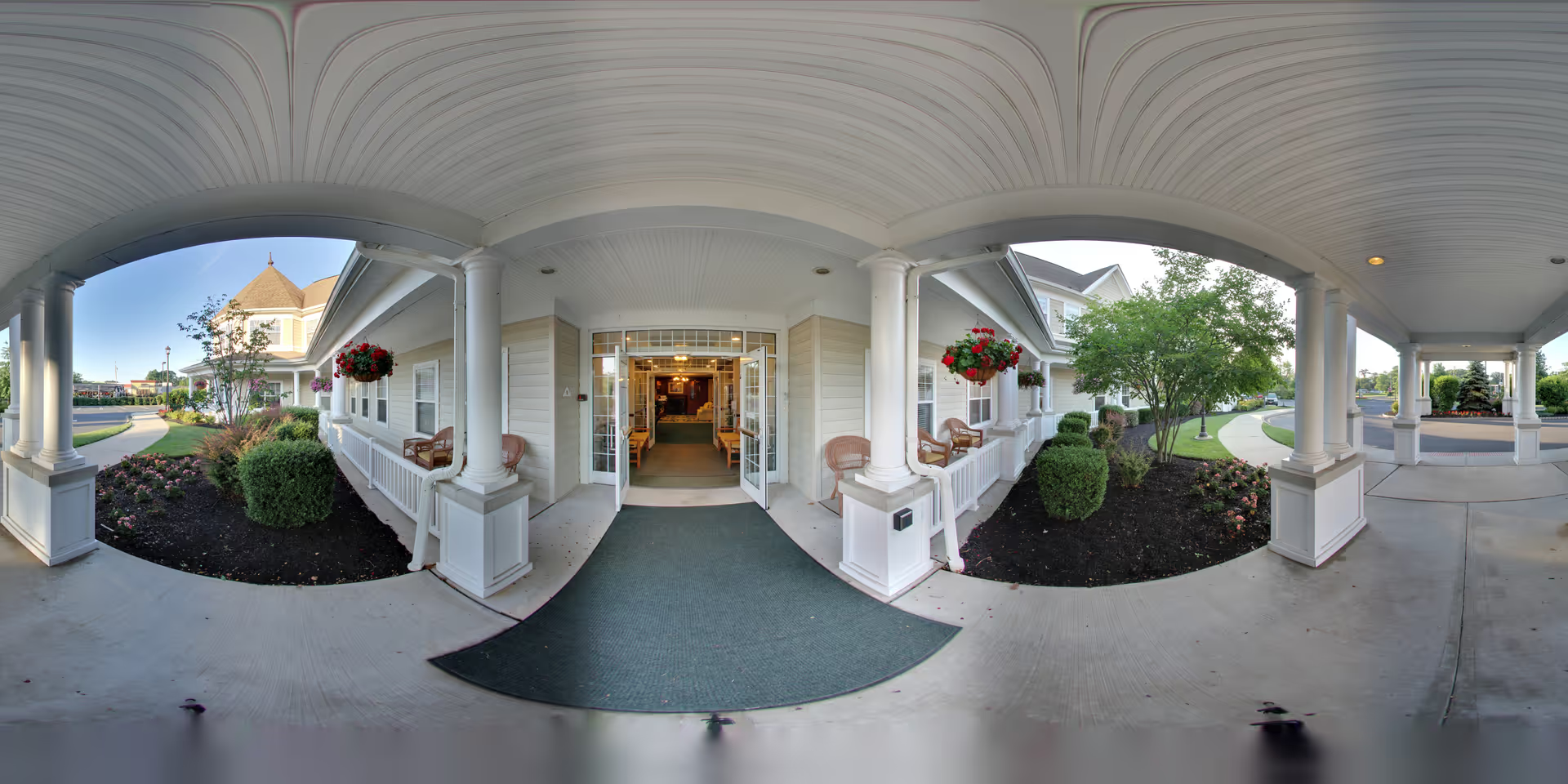
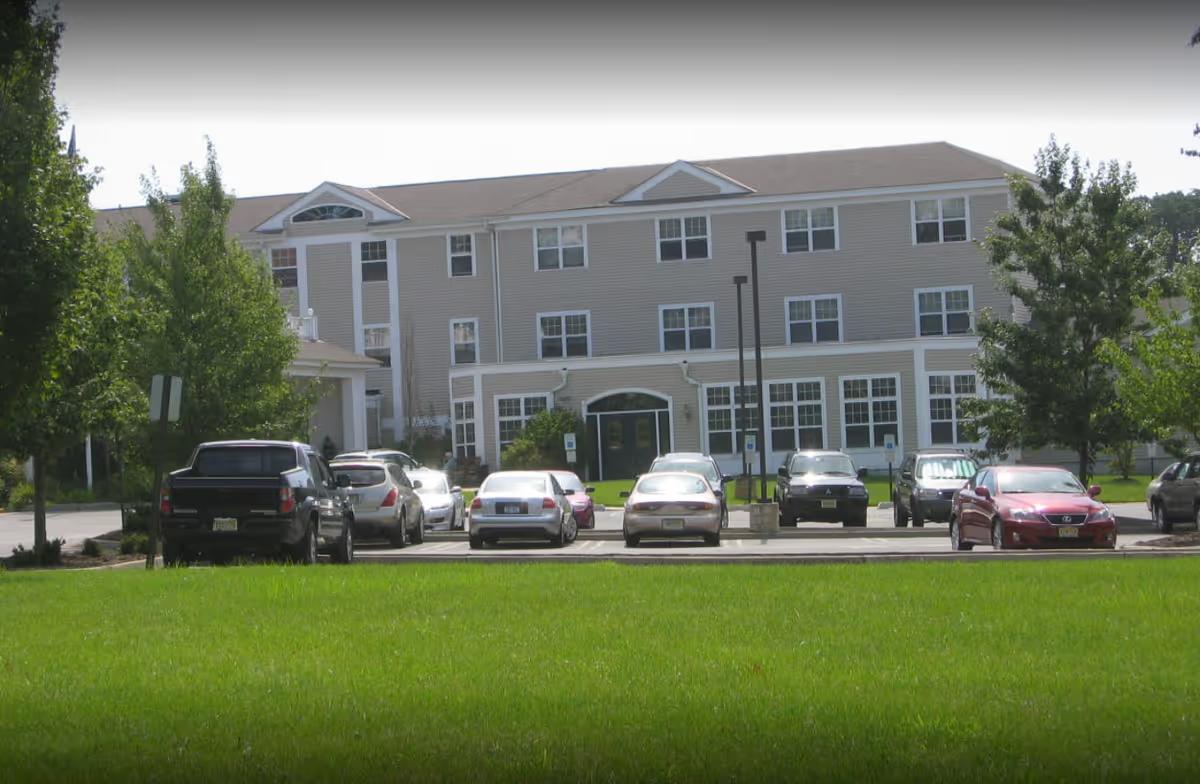
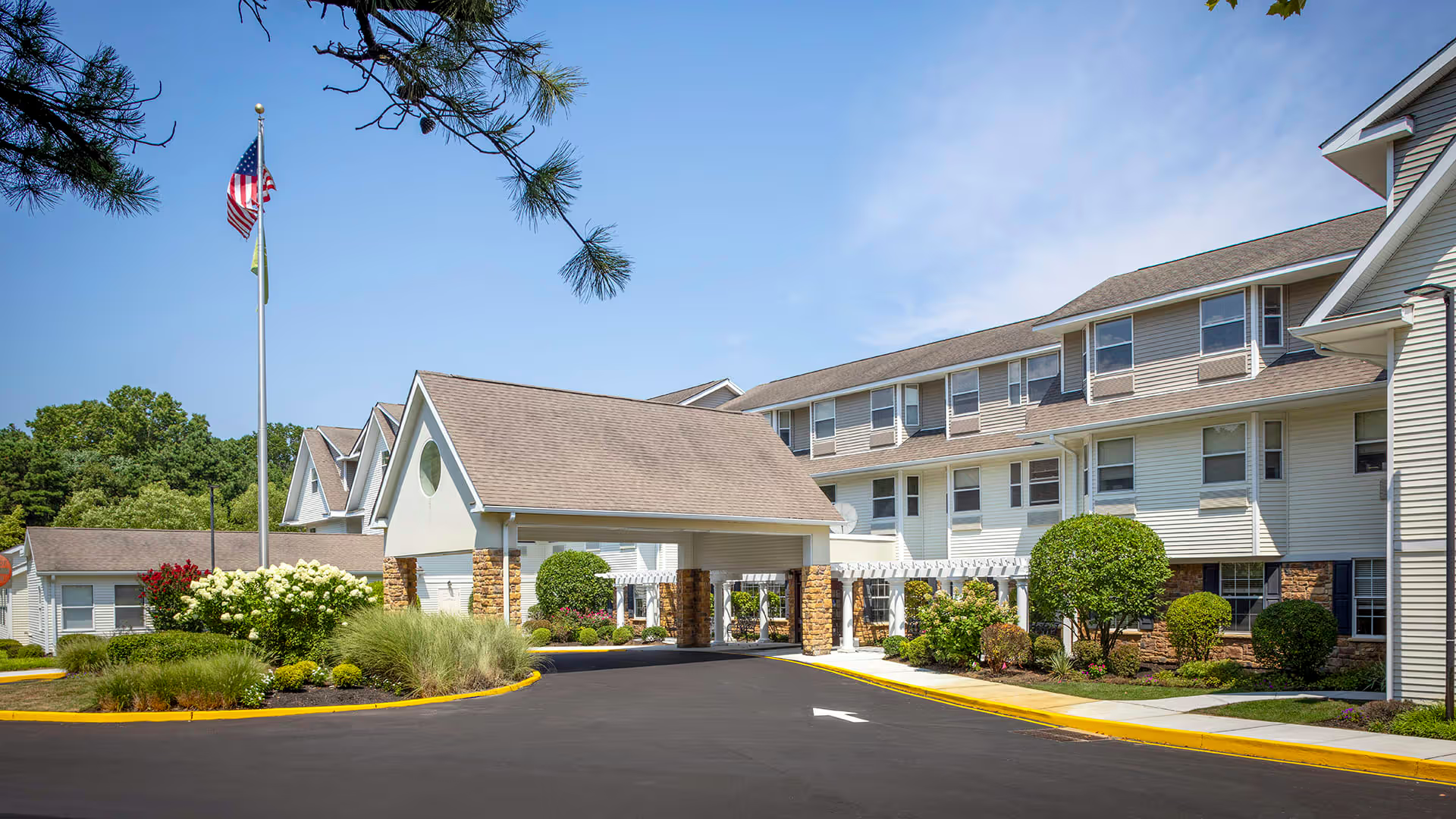
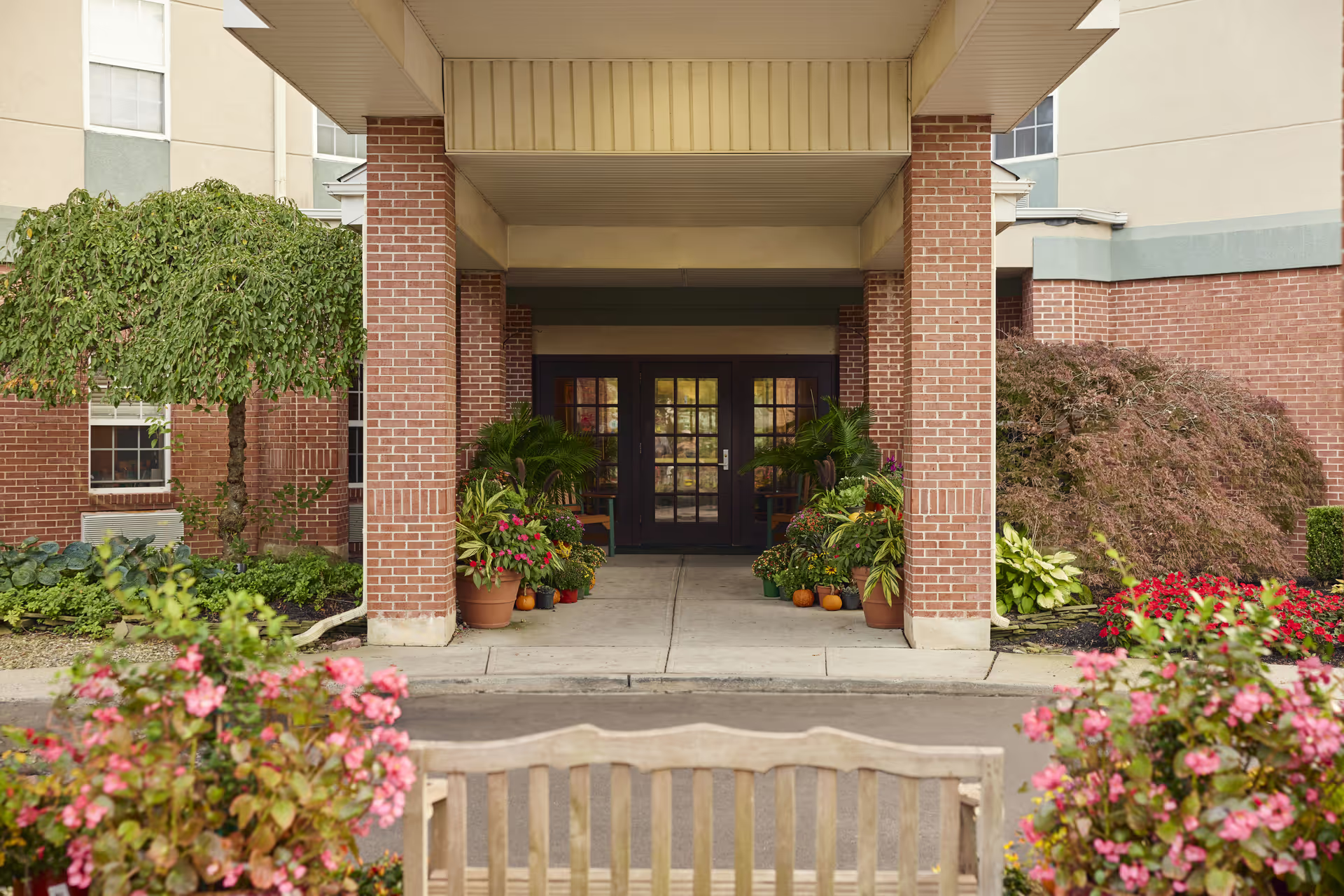
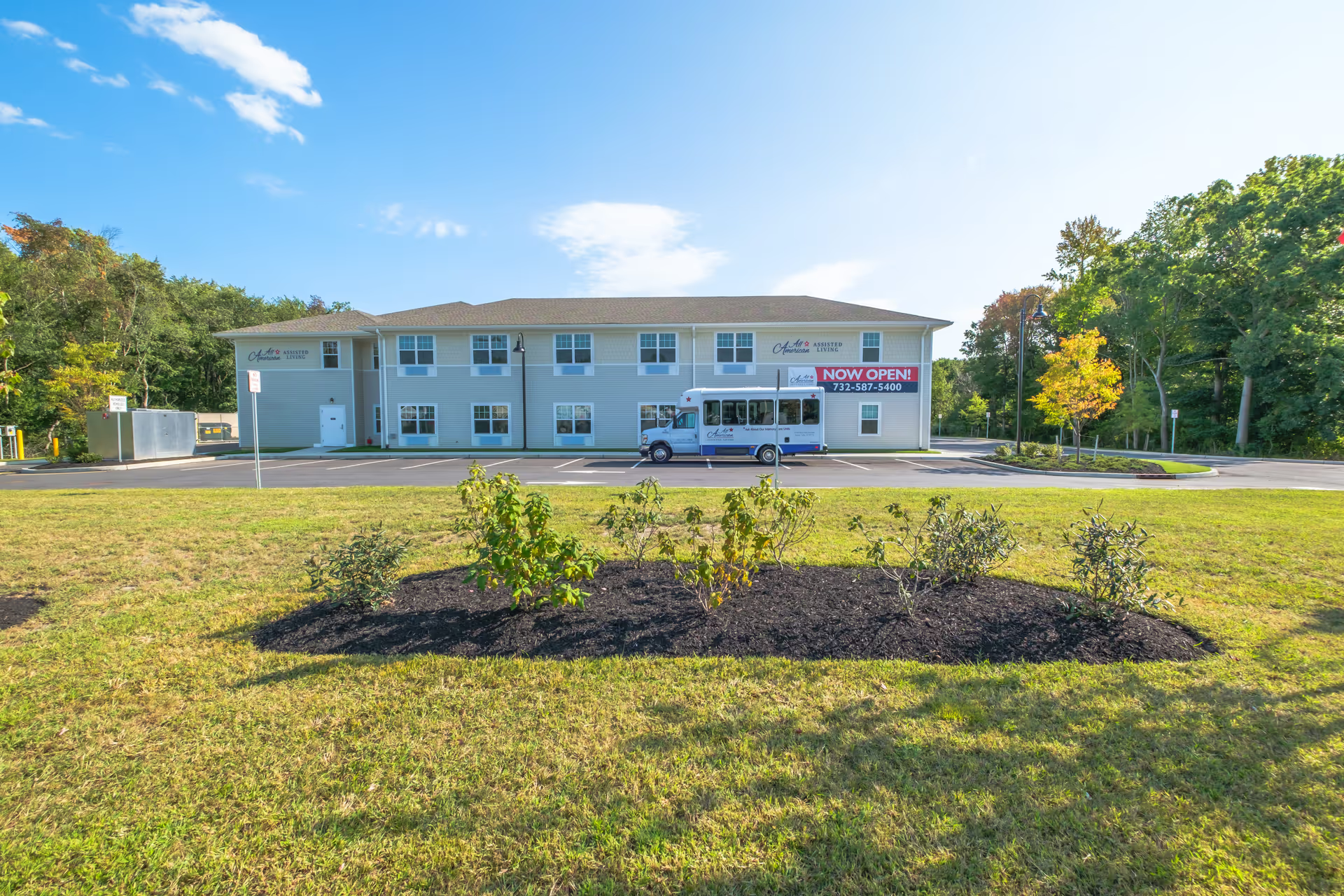
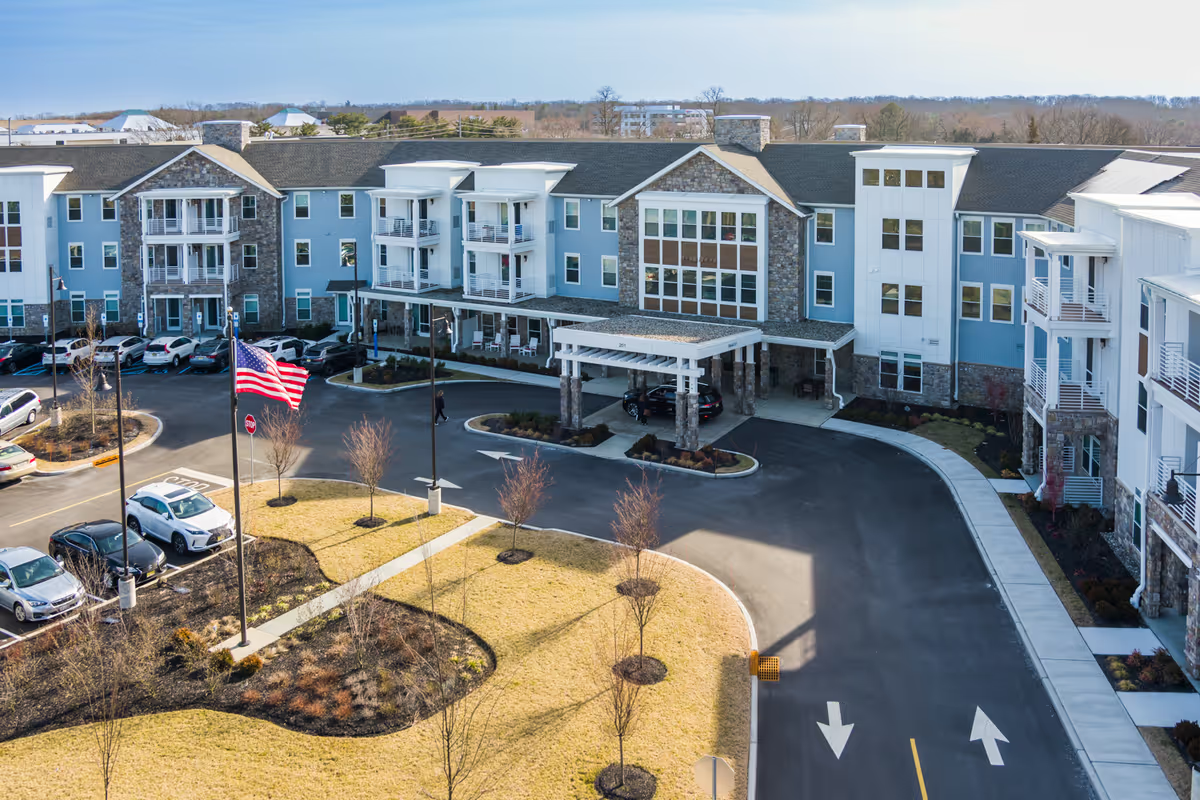
Facilities and amenities: Physical spaces receive high marks for cleanliness, attractive decor, bright apartments, and amenity spaces (garden, crafts room, sitting areas). The small size of the community is frequently described as a benefit for social connection and individualized attention. Accessibility and transportation are areas of concern for some families — vehicle lifts and other handicap accommodations were described as limited — so mobility‑restricted residents should verify on‑site accessibility features and transportation accessibility before committing.
Management, pricing, and operations: Administrative responsiveness during tours and move‑in processes is often praised, and several reviewers noted clear communication from leadership. Offsetting that, there are recurring comments about opaque financial practices: strictly ala‑carte pricing, unclear two‑year pay‑down terms, limited Medicaid rooms, and long waitlists that can require continued full payments. Clinical‑coordination gaps were also described, including expectations that in‑house clinicians or nursing would manage urgent issues that families sometimes had to coordinate externally. Additionally, some families reported intermittent housekeeping, laundry, and personal‑property management issues, plus variability in staff conduct and communication tone.
Overall patterns and takeaways: The preponderance of reviews describe a community with strong programming, compassionate staff, and attractive, clean facilities that many families find comforting. However, variability in staffing consistency, personal‑care responsiveness, secure‑unit monitoring, accessibility, and financial transparency are recurrent concerns. Prospective residents and families should tour with focused questions about staffing ratios and turnover, secure‑unit procedures, emergency and incident response protocols, accessibility accommodations, menu flexibility, and detailed written explanations of fees and Medicaid processes. Where possible, ask to speak with current residents and families and request documentation on staffing levels, incident management policies, and financial terms to reconcile the generally positive atmosphere with the operational issues raised by some families.