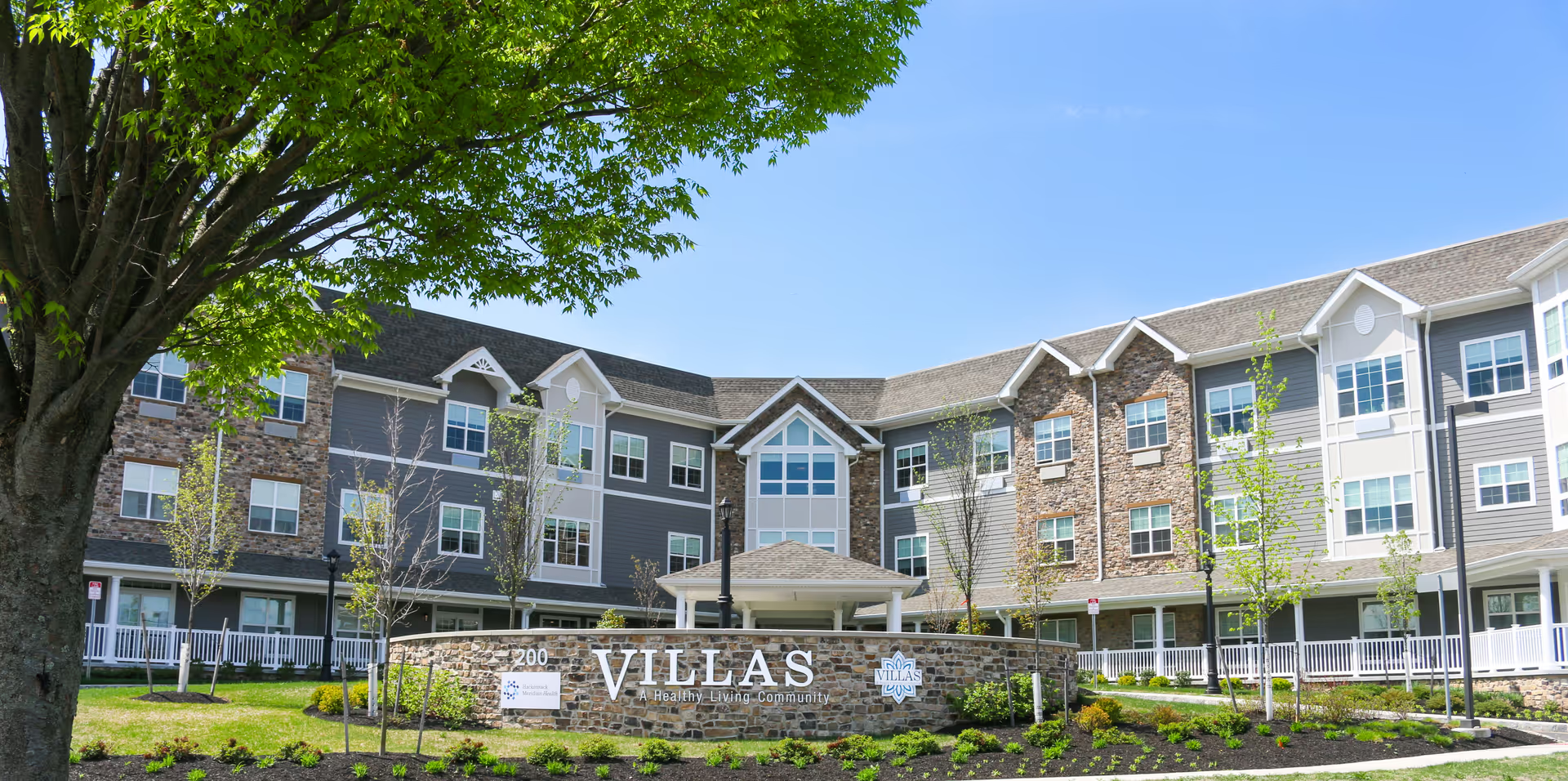
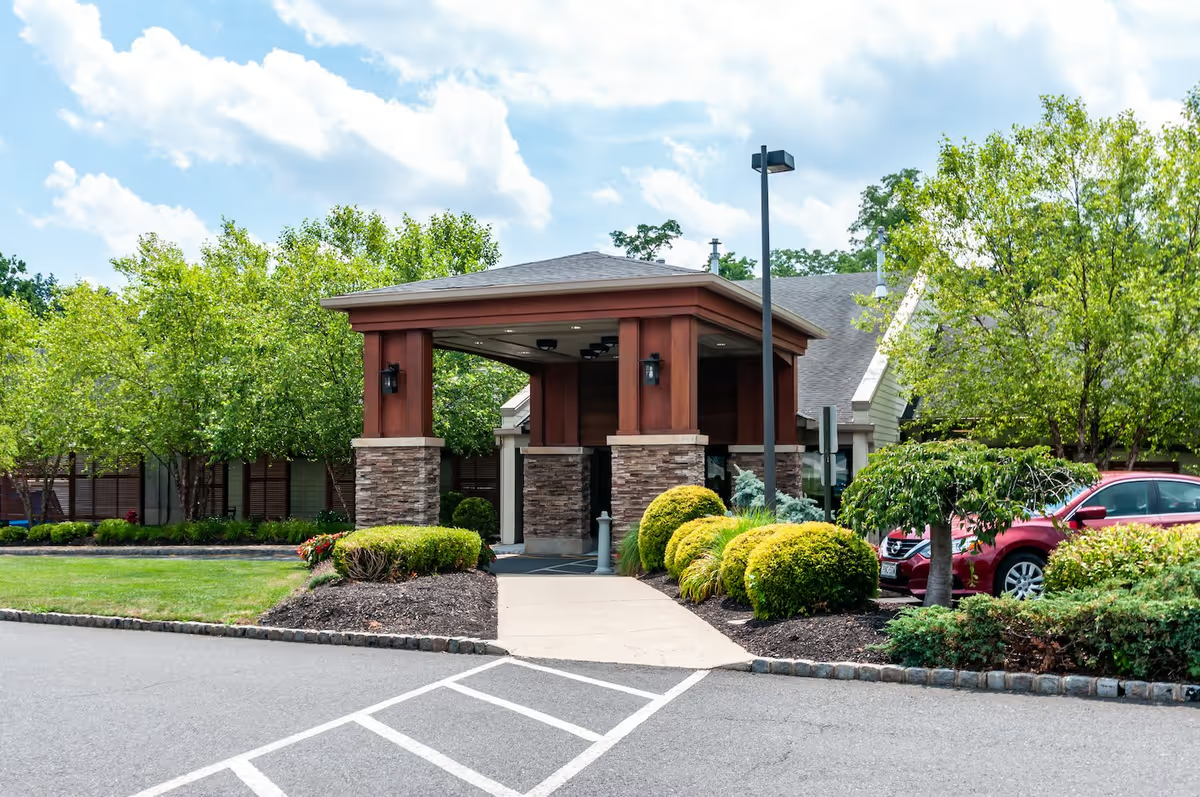
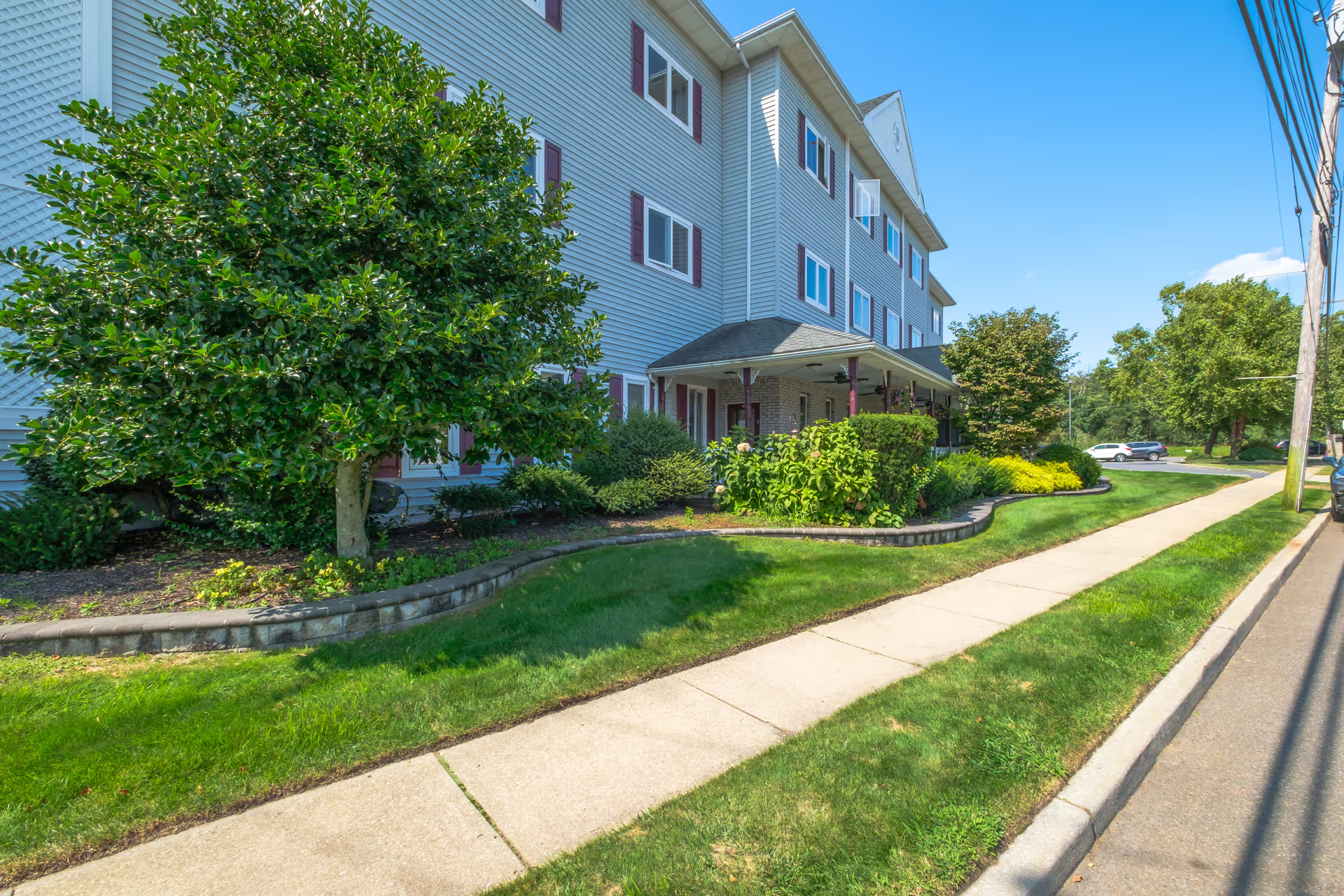
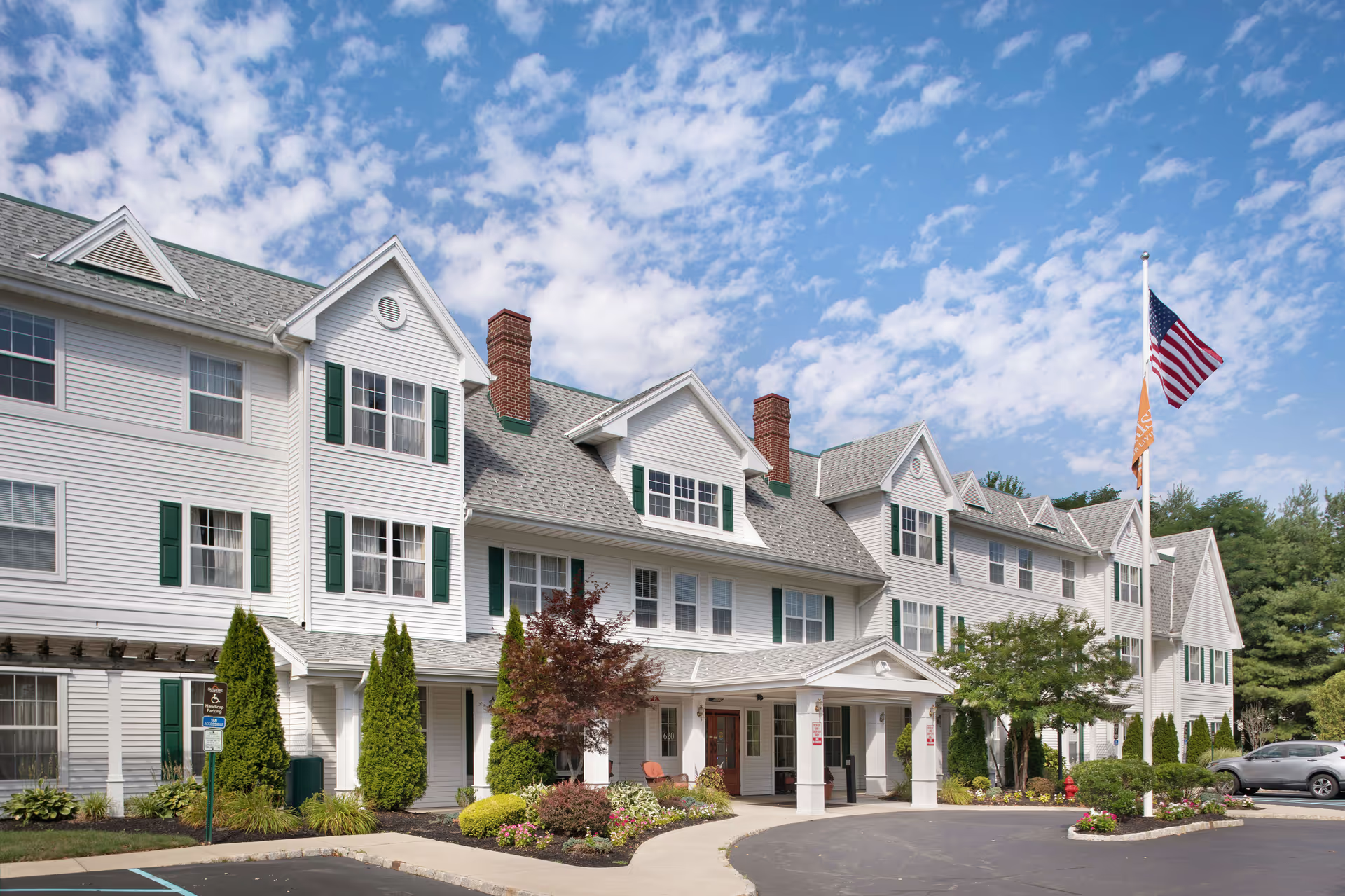
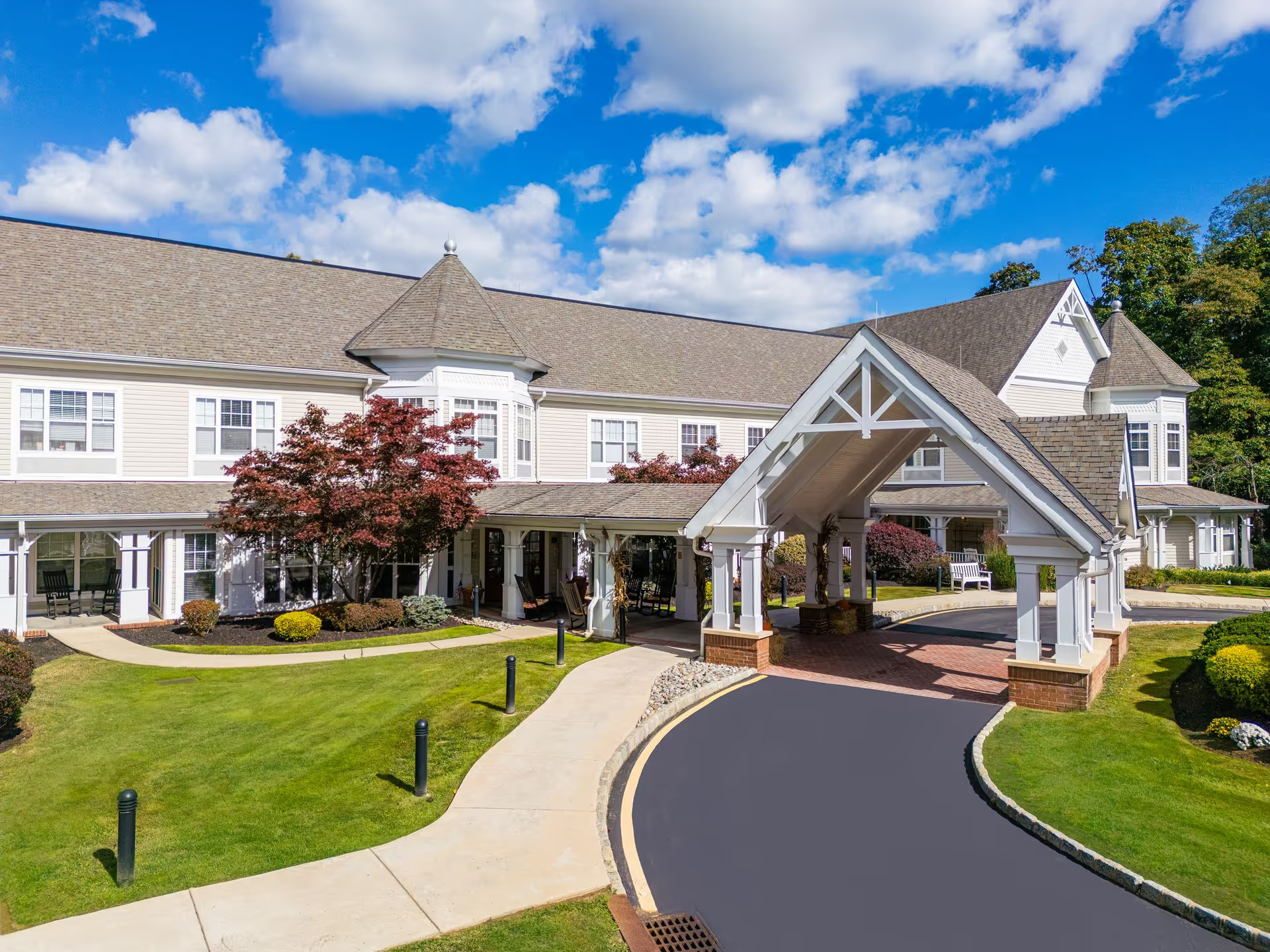
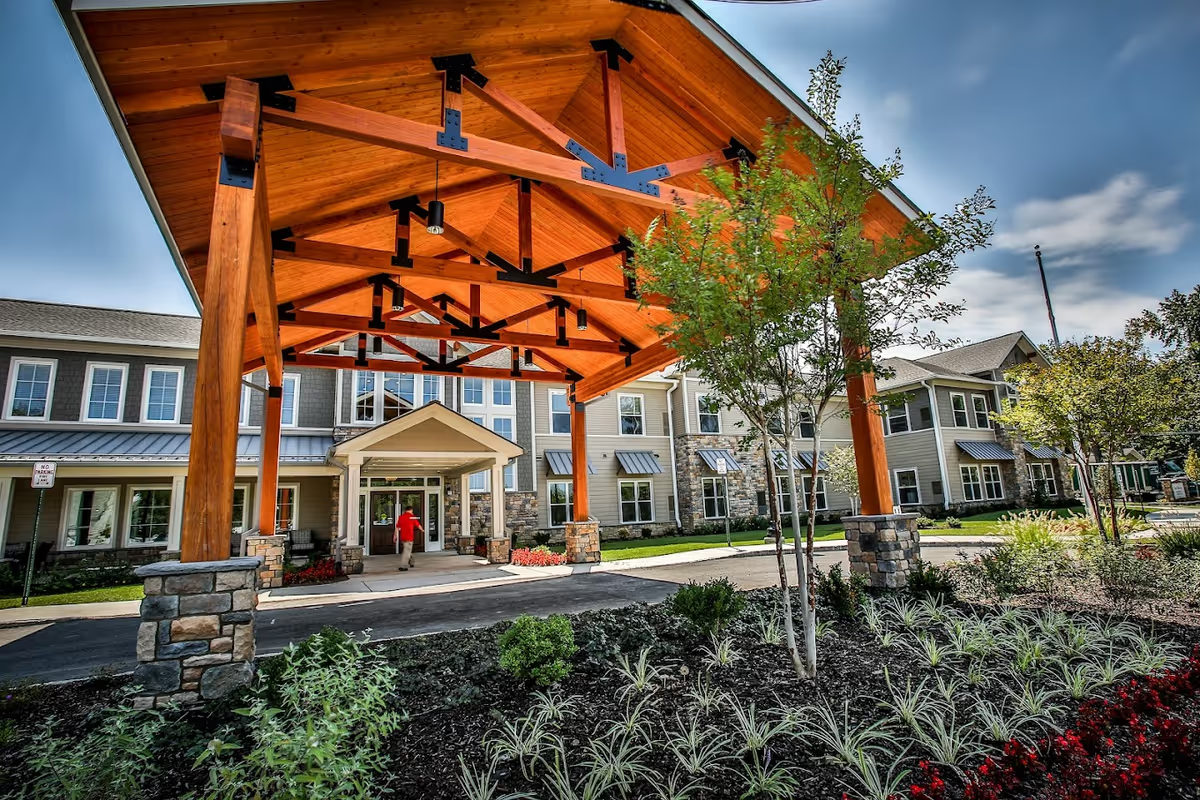
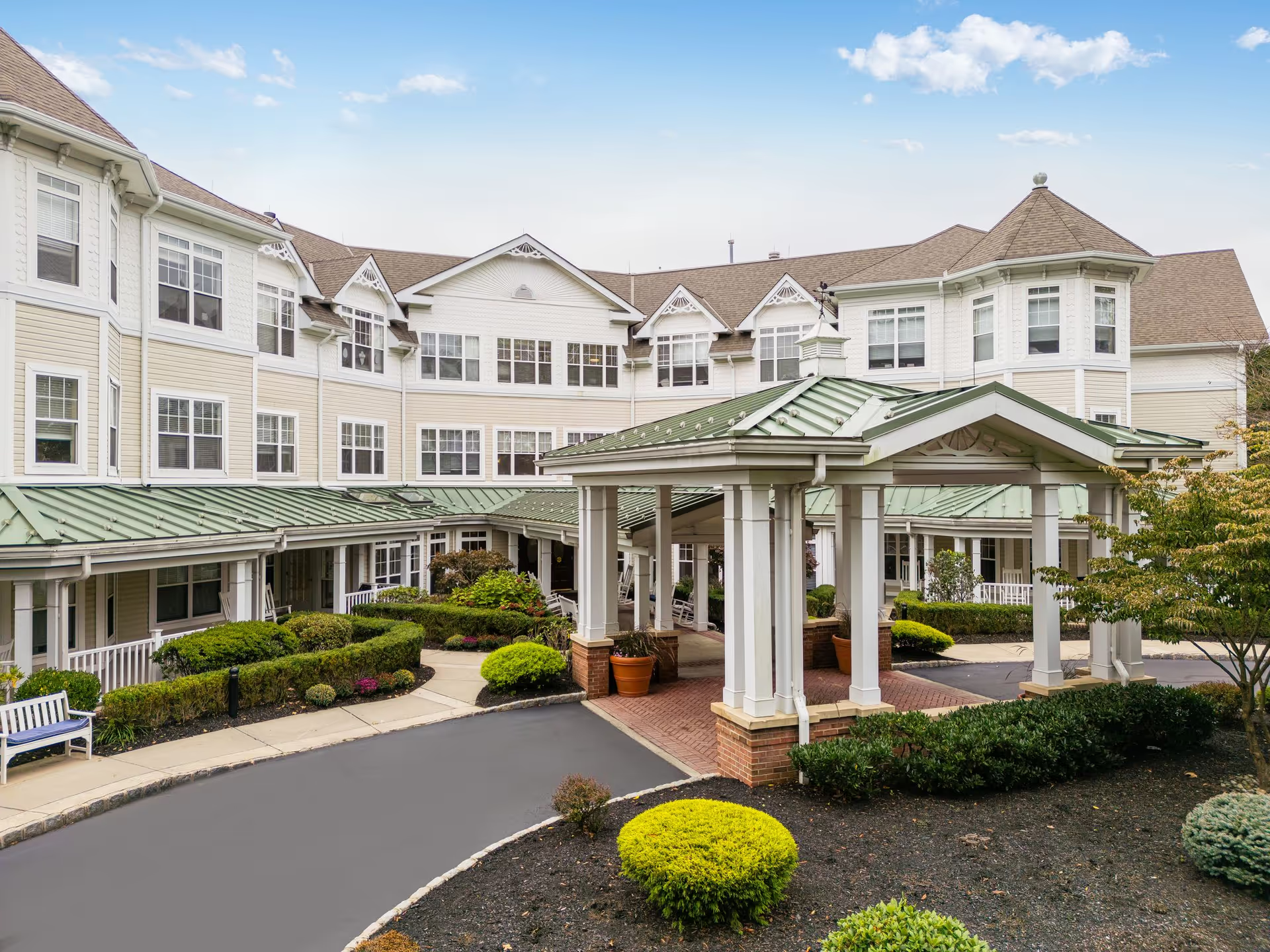
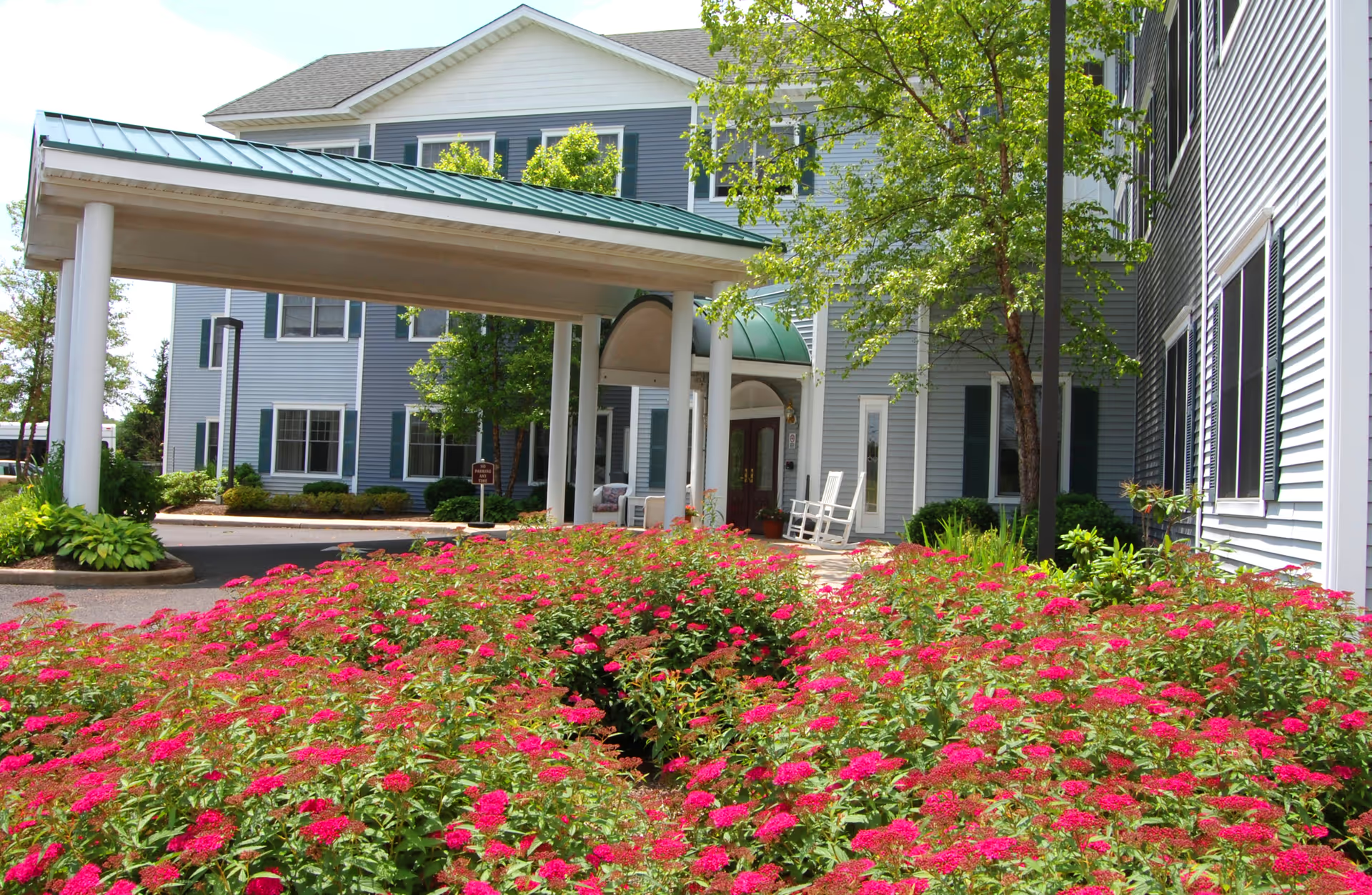
Complete Care at Holmdel receives frequent praise for its physical environment, social programming, and many individual staff members. Reviewers describe a clean, well-decorated facility with inviting common areas, outdoor seating and garden space, and amenities such as a bistro/cafe, salon, laundry, and activity rooms (art room, pub, Nintendo Wii). Several families noted the campus’ comfortable, home‑like atmosphere and private-studio options with kitchenettes, and many complimented the friendliness and warmth of the staff and residents.
Clinical-care experiences appear mixed. Positive feedback highlights dedicated nursing and therapy personnel and strong rehab services, with named staff (for example, therapists and nurses) singled out for attentive, compassionate care. At the same time, there are repeated operational concerns related to clinical responsiveness: reviewers describe delays in nurse response to calls, slow pain relief, and gaps in adherence to physician orders (including medication administration and diet instructions). These items indicate variability in how clinical protocols are followed and suggest families should ask specific questions about medication management, diet-order processes, and staffing patterns during a tour.
Operational and logistics issues surface as common patterns. Several reviewers described delayed provision of discharge equipment and coordination challenges at transition points, and others noted front-desk or administrative communication problems (appointment confusion, phone difficulties). Housekeeping and sanitation were praised in many areas of the facility, yet there are also accounts pointing to inconsistencies in room-level upkeep and personal-care routines—examples include variability in bathing schedules and incontinent-care support. Staffing levels and workload distribution were identified as contributors to some of these problems; reviewers referenced aides managing large caseloads and periodic delays in call-bell response.
Dining and activities are consistent strengths with some caveats. The community offers varied programming and social opportunities that many families found engaging and beneficial. The dining program includes a bistro and scheduled meals; several reviews describe good-quality, comforting food and attentive dining staff. At the same time, there are occasional concerns about meal temperature, portion size, and adherence to specific dietary orders or special requests, which may be important for medically restricted diets.
Management responsiveness appears variable. In some instances administrators were described as responsive and helpful, and individual staff members were praised for going above and beyond. However, other comments point to inconsistent professionalism at times and administrative-process gaps. Prospective residents and families may benefit from direct conversations with leadership about staffing ratios, clinical oversight procedures (medication reconciliation, diet-order compliance, alarm monitoring), discharge timelines, and housekeeping checks. A tour combined with targeted questions and reference checks can help clarify whether the community’s strengths align with a specific resident’s clinical and programmatic needs.