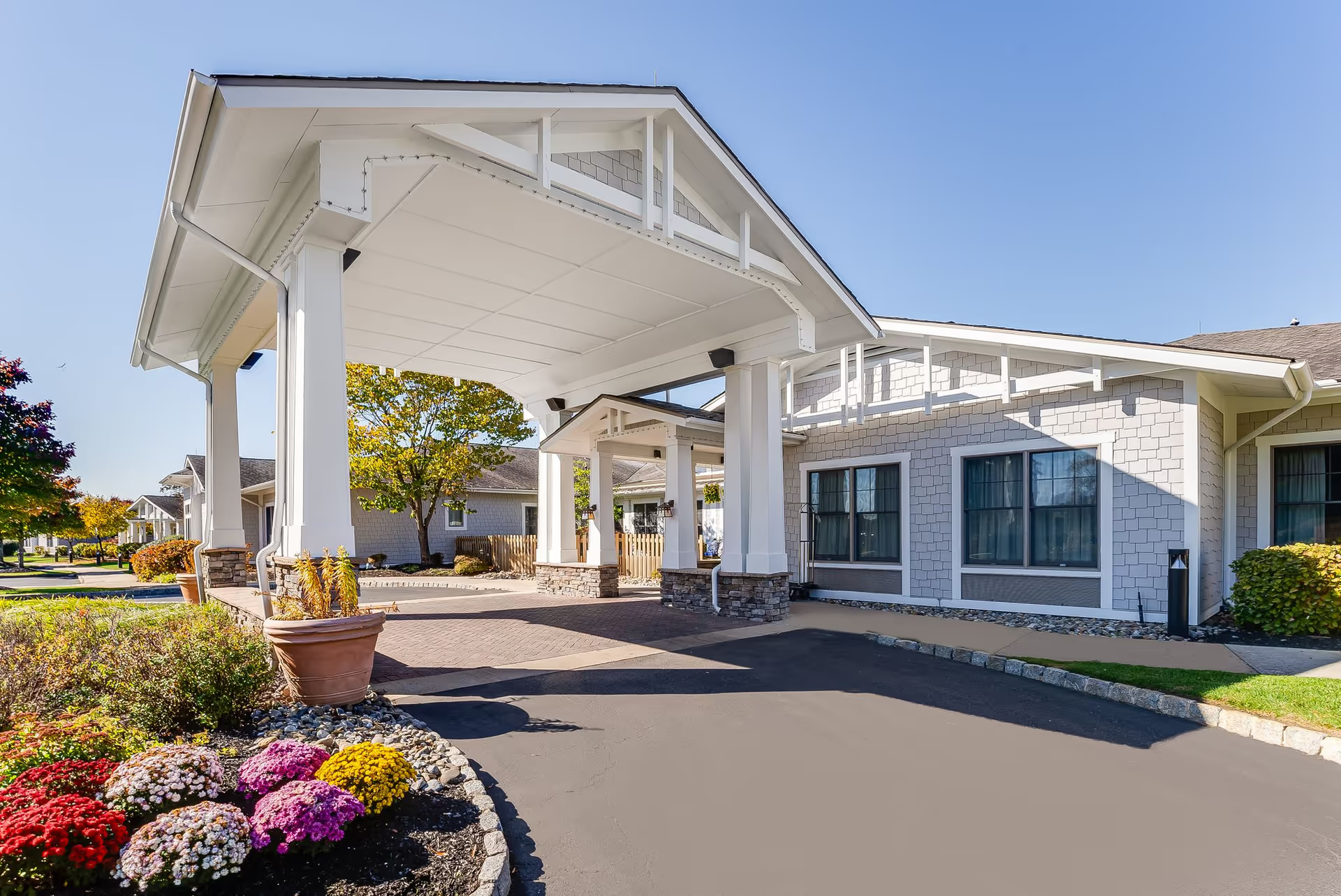
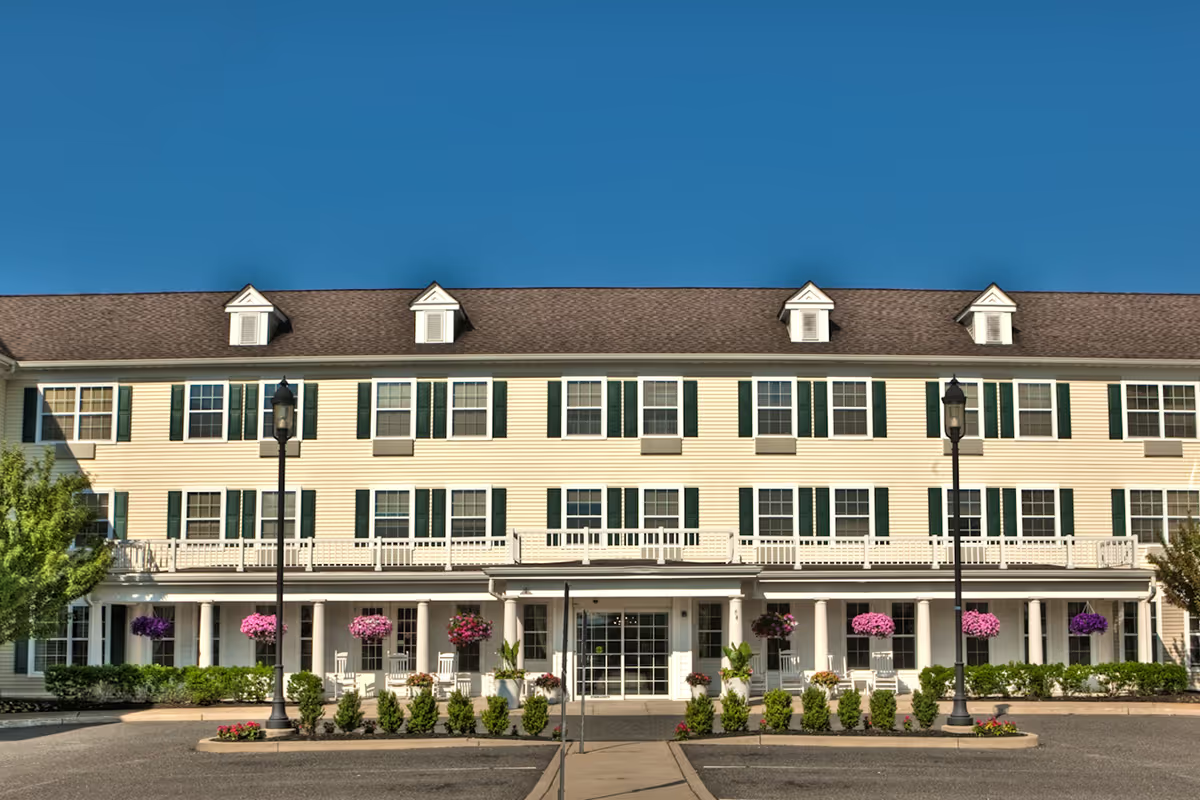
Bartley Healthcare Nursing and Rehabilitation Center presents a strongly mixed but interpretable profile. The facility demonstrates clear strengths in rehabilitative care: physical, occupational, and speech therapy teams receive consistent praise for individualized programs that lead to measurable functional gains and timely discharges. Many families and residents describe successful recovery trajectories, with therapists who are described as persistent, encouraging, and effective. The center’s environment is frequently described as clean and recently renovated, with housekeeping repeatedly cited for keeping rooms spotless and corridors well maintained.
Nursing and direct-care staffing show a dual pattern. Numerous reviewers commend individual nurses, CNAs, and aides for compassionate, attentive care and above-and-beyond efforts; social work and resident-relations staff are often highlighted for helpful communication and discharge coordination. At the same time, a substantial set of reviews documents operational weaknesses: inconsistent staffing levels, variable professionalism on some units, and delays in responding to calls for assistance. These patterns translate into trait-level concerns about the reliability of direct-care coverage and consistency of personal-care (for example, bathing and toileting schedules and timely assistance).
Clinical-safety and administrative processes are another area of divergence. Several reviews raise concerns about medication-management, delayed responses to changing medical needs, and gaps in incident reporting and follow-up. A small number of more serious allegations about clinical events and end-of-life care prompted family escalations and involvement of ombudsman or regulatory attention; those reports stand apart from the general rehabilitation-success narrative and suggest the need for careful chart review and quality oversight. Communication between families and nursing leadership or administration is inconsistent: some families praise proactive administrators who resolved issues quickly, while others describe difficulty reaching leadership or unsatisfactory responses during discharge planning.
Dining and activities present similarly mixed signals. Activities and events—seasonal celebrations, social programming, and an active activities director—are frequent positives that contribute to a home-like atmosphere and family engagement. Food quality receives polarized feedback: multiple reviewers praise tasty, well-presented meals, while many others complain about limited menu options, cold or poor breakfast items, and inconsistent meal service. Transportation and appointment logistics are often handled well, though occasional delays are reported.
Facility upkeep is generally commended inside the building, with many notes about spotless rooms and modernized spaces. However, maintenance and exterior upkeep appear uneven in some accounts (broken sidewalks, pest-control concerns), and there are recurrent comments about loss or mismanagement of personal belongings. Operational practices that invite concern include solicitation of positive online ratings, which some families found inappropriate, and rigid visitation policies during infection-control events that created distress for some relatives.
Overall, Bartley offers a strong rehabilitation environment with notable therapy and housekeeping strengths and many examples of compassionate individual caregivers. The critical patterns to weigh are the variability across units in staffing, professionalism, clinical-safety controls, and family communication. Prospective residents and families seeking rehabilitation-focused care should consider Bartley’s therapy capabilities and clean, renovated spaces, while also asking targeted questions about unit staffing ratios, medication-safety protocols, incident-reporting practices, discharge-assistance procedures, and visitation policies to ensure those operational areas meet their expectations.