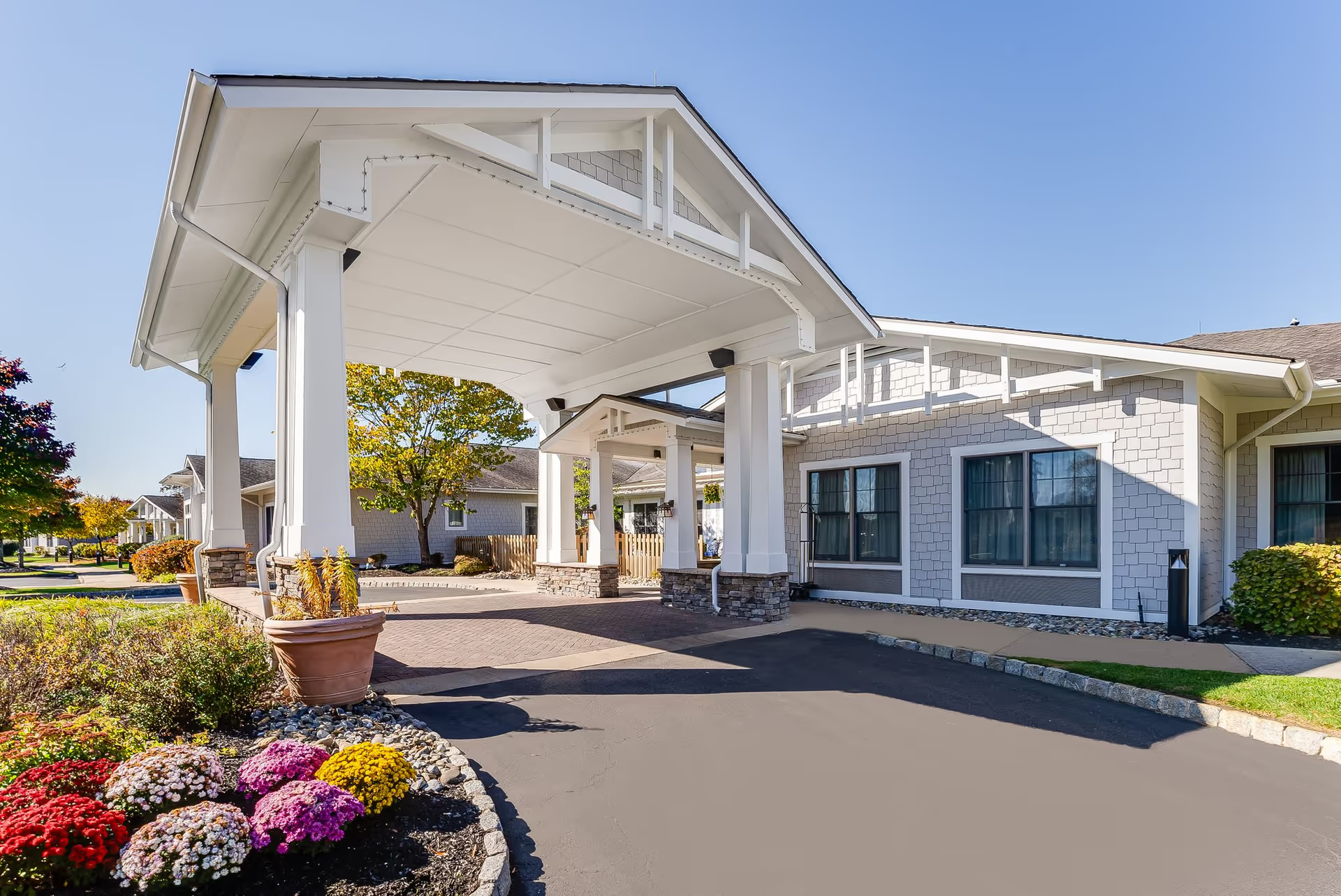
Overall impression: Harmony Village at CareOne Jackson is presented across reviews as a dementia-focused memory-care community with many strengths in staffing, environment, and programming. Families consistently highlight compassionate, dementia-trained caregivers, a clean and modern physical plant, and robust therapy services that contribute to improved mobility and engagement for many residents. The facility’s neighborhood layout, onsite amenities (salon, courtyards), and 24/7 supervision are repeatedly cited as contributors to family peace of mind.
Care and staff: Reviewers frequently describe direct-care staff (nurses, CNAs, aides, activity coordinators) as attentive, respectful, and skilled in dementia care; named staff and leaders are often singled out for praise. Therapy teams and rehab services receive strong positive remarks for clinical effectiveness and discharge outcomes. At the same time, there are recurring operational concerns: periodic understaffing, variable nurse responsiveness, and instances of delayed attention to basic personal-care needs. There are also comments raising questions about medication-management practices and clinical oversight, including one serious allegation relating to advance-directive handling that drew regulatory attention.
Dining and activities: Dining is commonly described as a strength — an on-site chef, accommodated diets (including kosher and low-salt options), and generally well-presented meals. However, reviewers also note inconsistent food quality and slower meal service at times. The activities program is a clear positive: diverse, themed events, family days, music, and crafts that promote resident engagement and socialization. Off-site outings are available but appear constrained by facility policy in some cases.
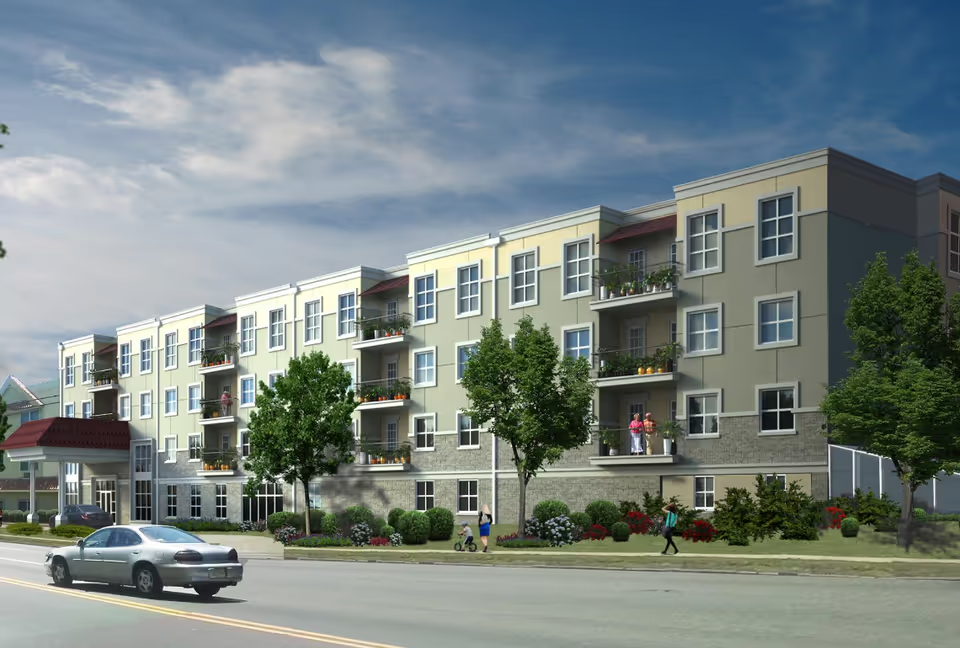
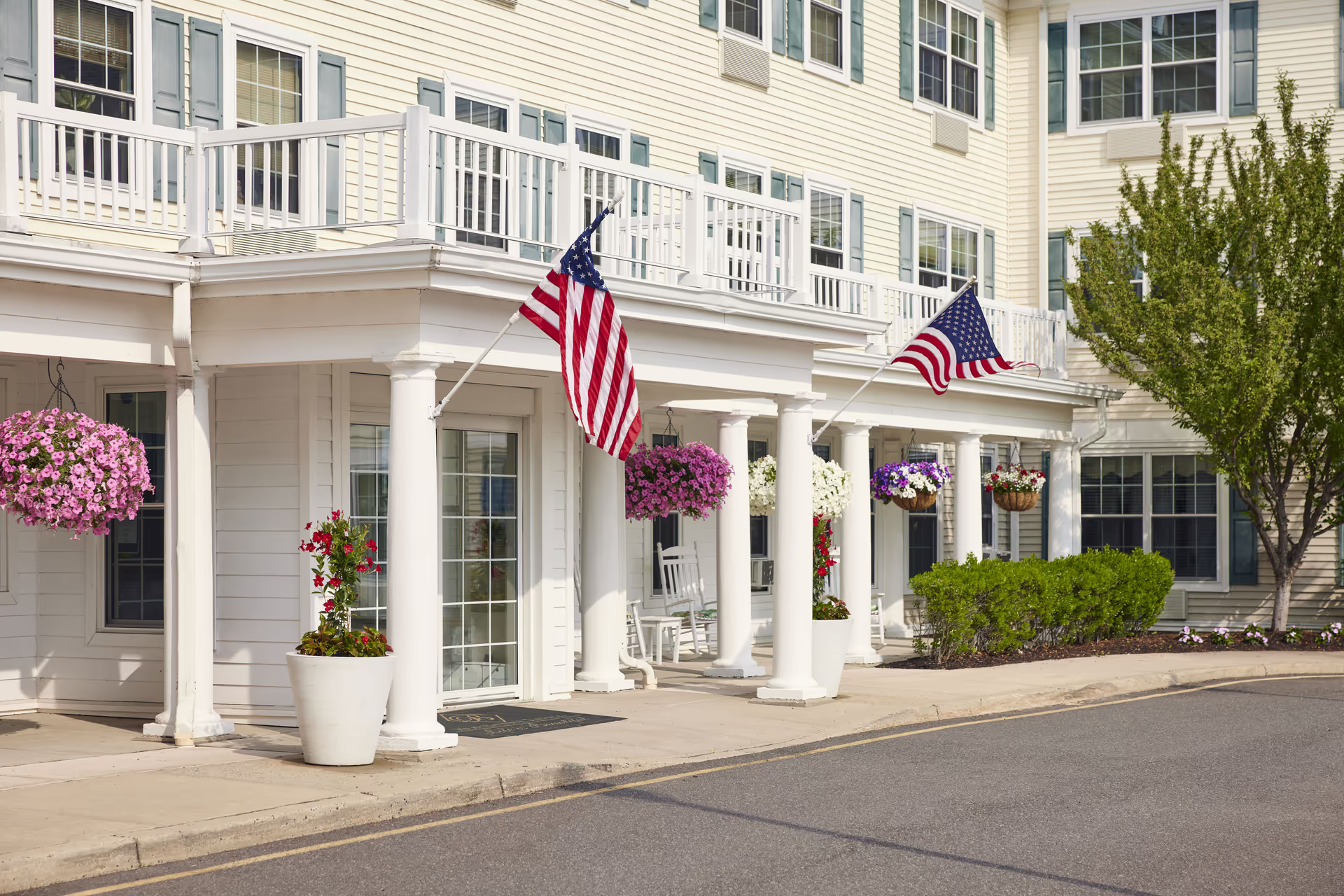
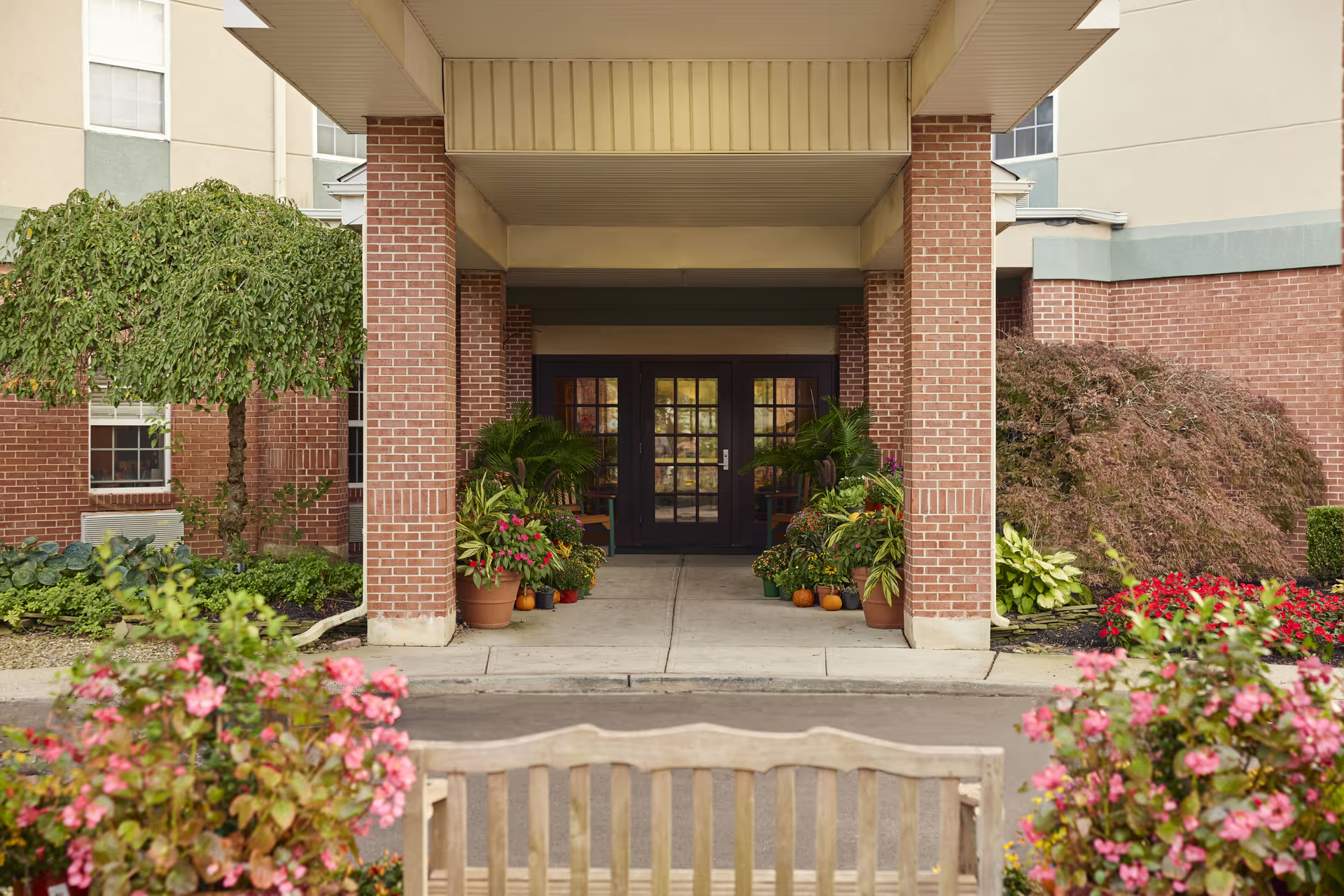
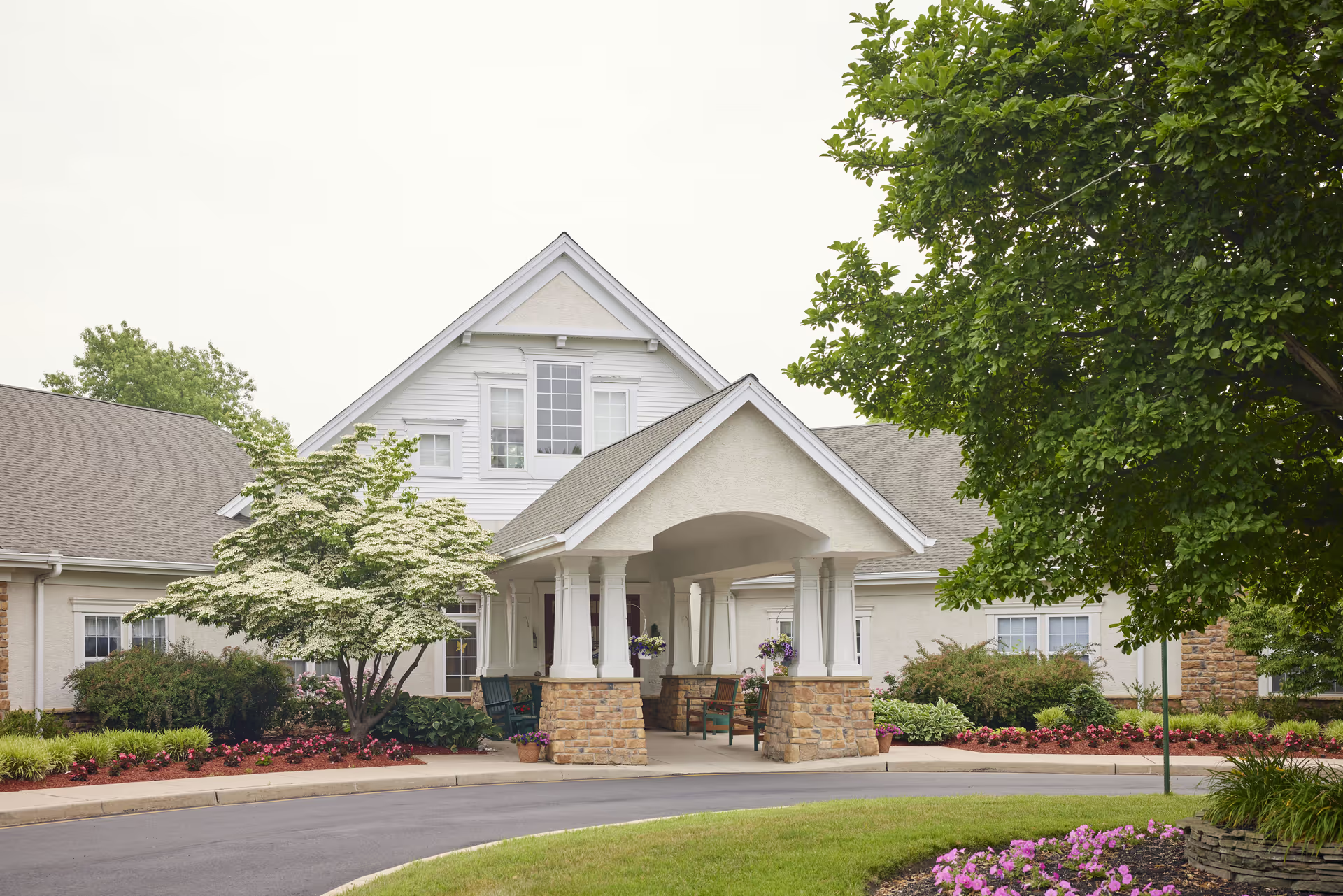
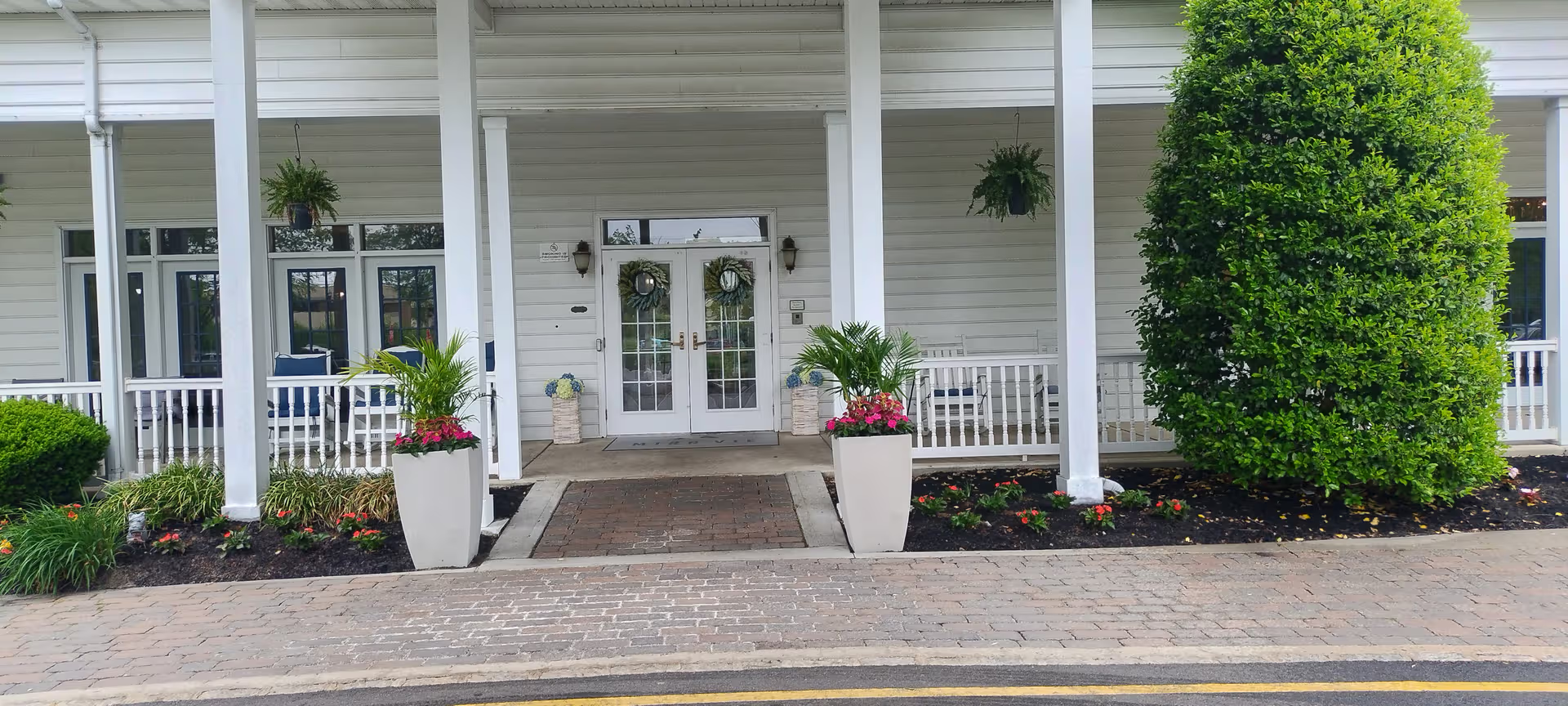
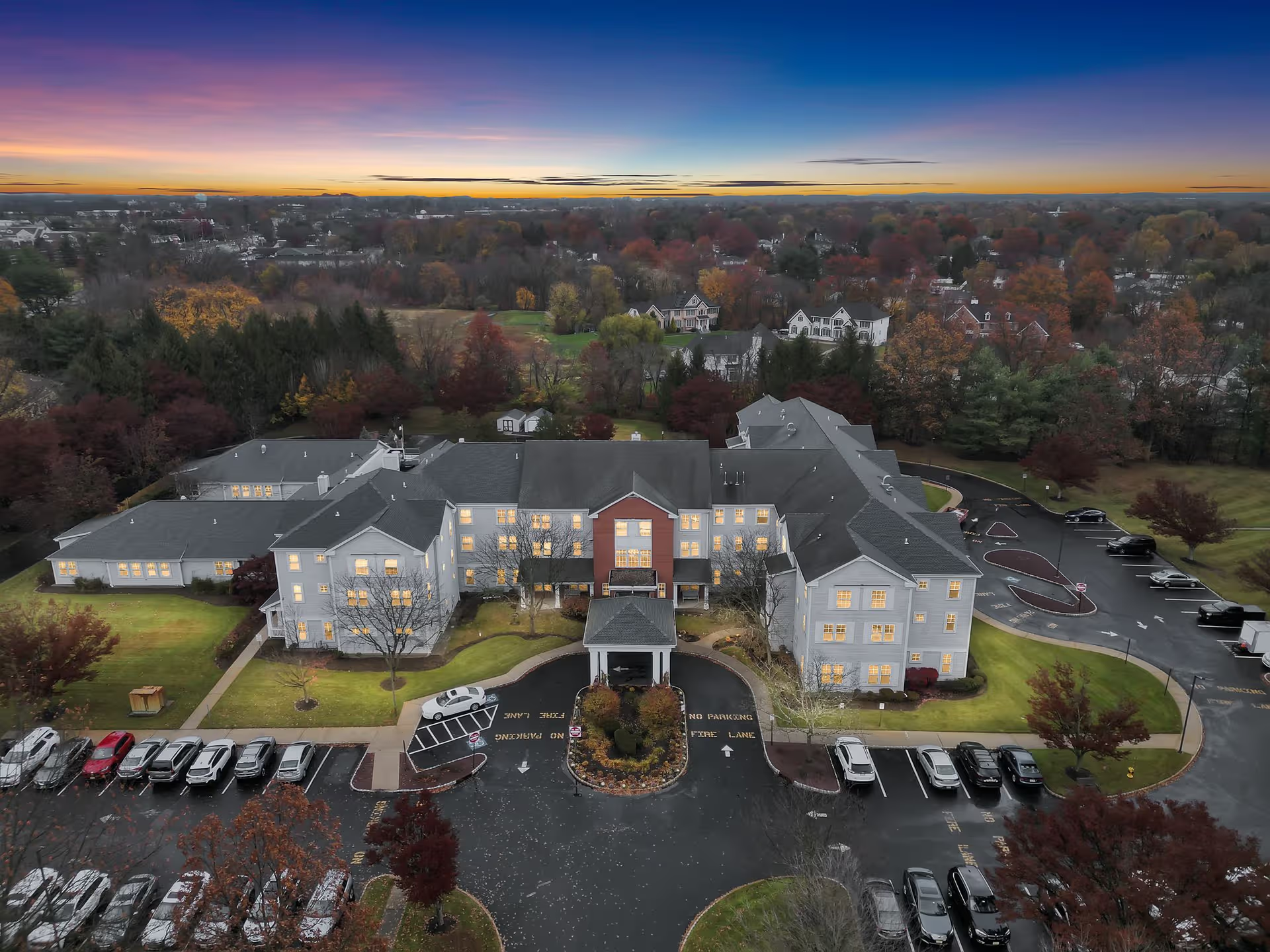
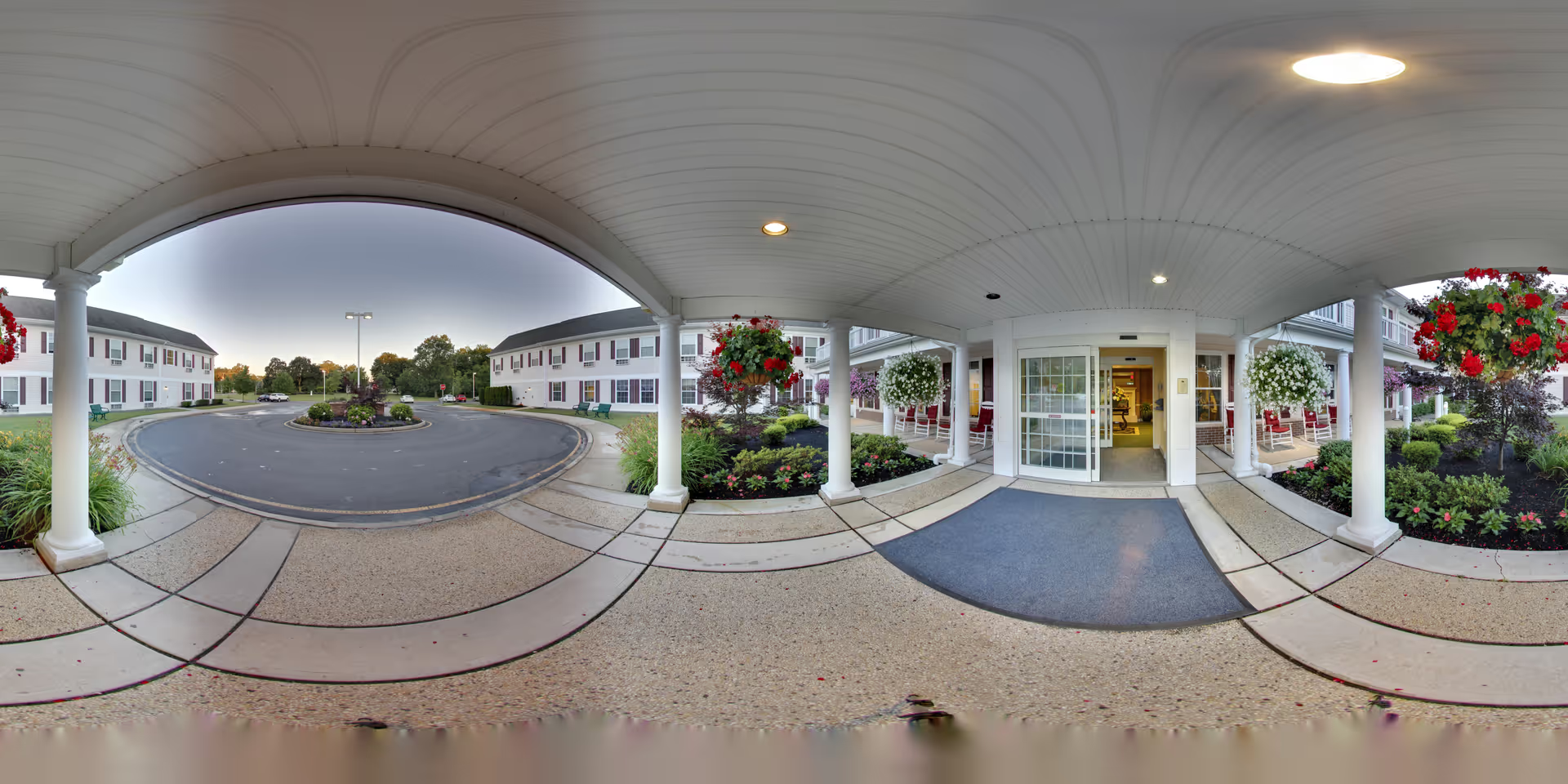
Facilities and cleanliness: The building and apartments are often called clean, modern, and well-kept, with several mentions of recent renovations and pleasant common spaces. Courtyards and outdoor areas are valued for resident use. A minority of accounts raise sanitation or infection-control concerns in specific incidents; these appear isolated relative to the volume of positive cleanliness comments but are nevertheless operational issues that families noted.
Management and communication: Admissions and marketing staff are frequently described as supportive and informative, and many families praise prompt, transparent communication (including daily texts and photos). Conversely, reviewers also report variable administrative accessibility, leadership turnover, and uneven responsiveness from social services or case managers. Pricing is another consistent theme: while some families find the cost comparable to local memory care, others perceive pricing pressure and raise concerns about value relative to occasional service gaps.
Notable patterns and guidance: For prospective families, the facility’s strengths lie in dementia-focused programming, strong therapy services, and a generally clean, secure environment with many staff who form meaningful bonds with residents. Key operational risks to vet on a tour or during admission discussions include current staffing levels and shift coverage, approaches to medication management and clinical oversight, protocols for infection control and IV care, timeliness of personal-care assistance, and the facility’s policy on outings and visitation. Asking for recent staffing ratios, examples of care-plan customization, menus and meal-service timing, and clarification of advance-directive and case-management practices will help prospective residents and families assess fit.