Atlantic Coast Rehabilitation and Healthcare receives predominantly positive feedback, especially for the warmth and professionalism of its nursing, aide, therapy, and support teams. Families and former residents often describe staff as attentive, respectful, and willing to help, and many report feeling informed and reassured. Rehabilitation is a recurring strength: reviewers describe focused physical, occupational, and speech therapy, with some noting meaningful gains in mobility, daily function, or recovery after surgery or illness. Social services and admissions staff are also frequently praised for guidance, responsiveness, and help coordinating care.
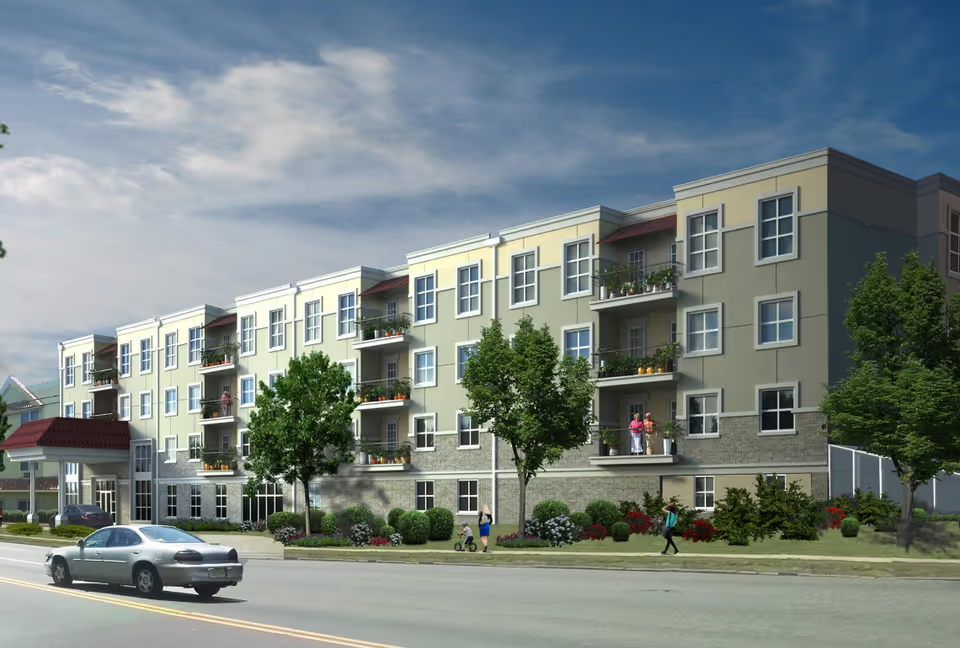
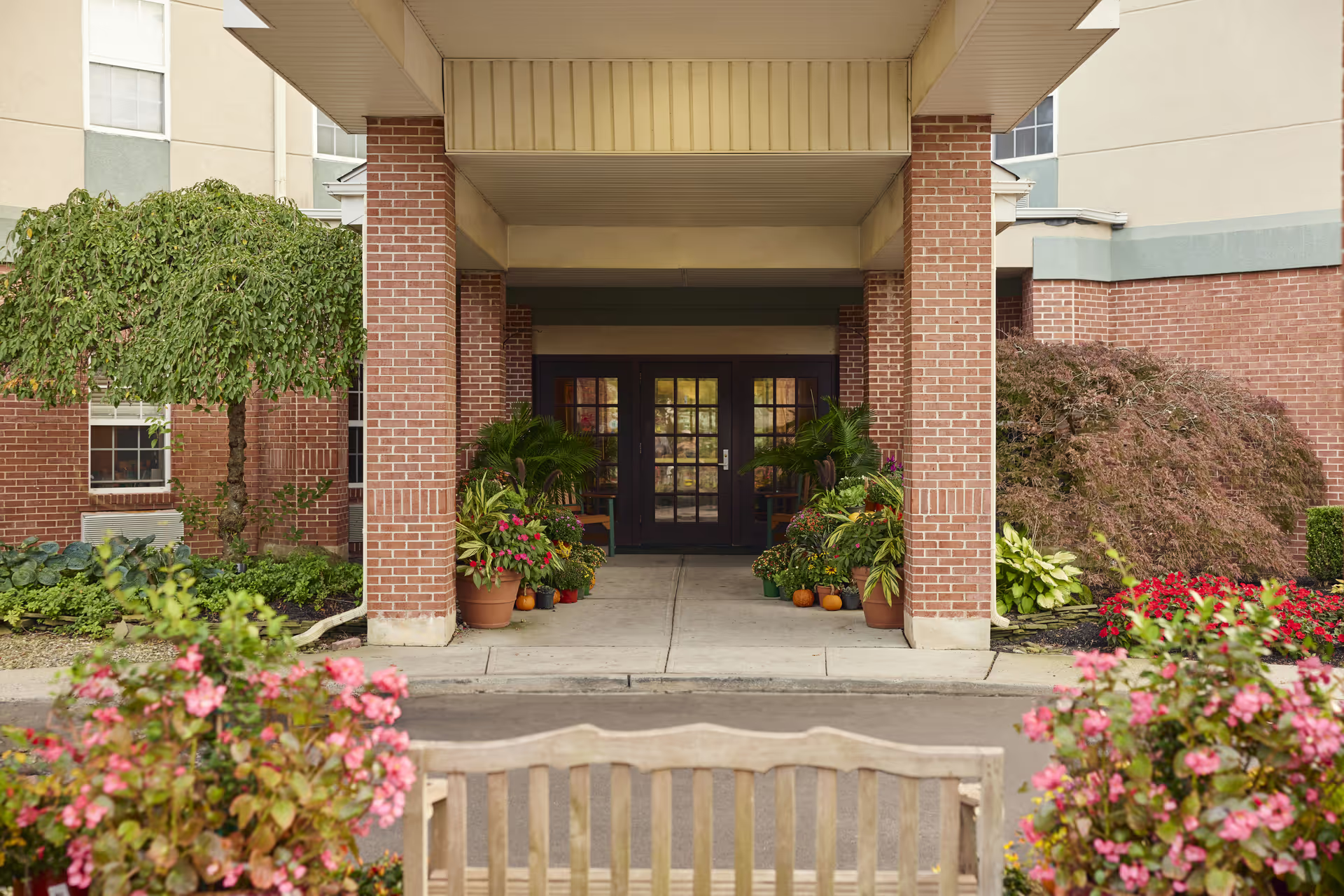
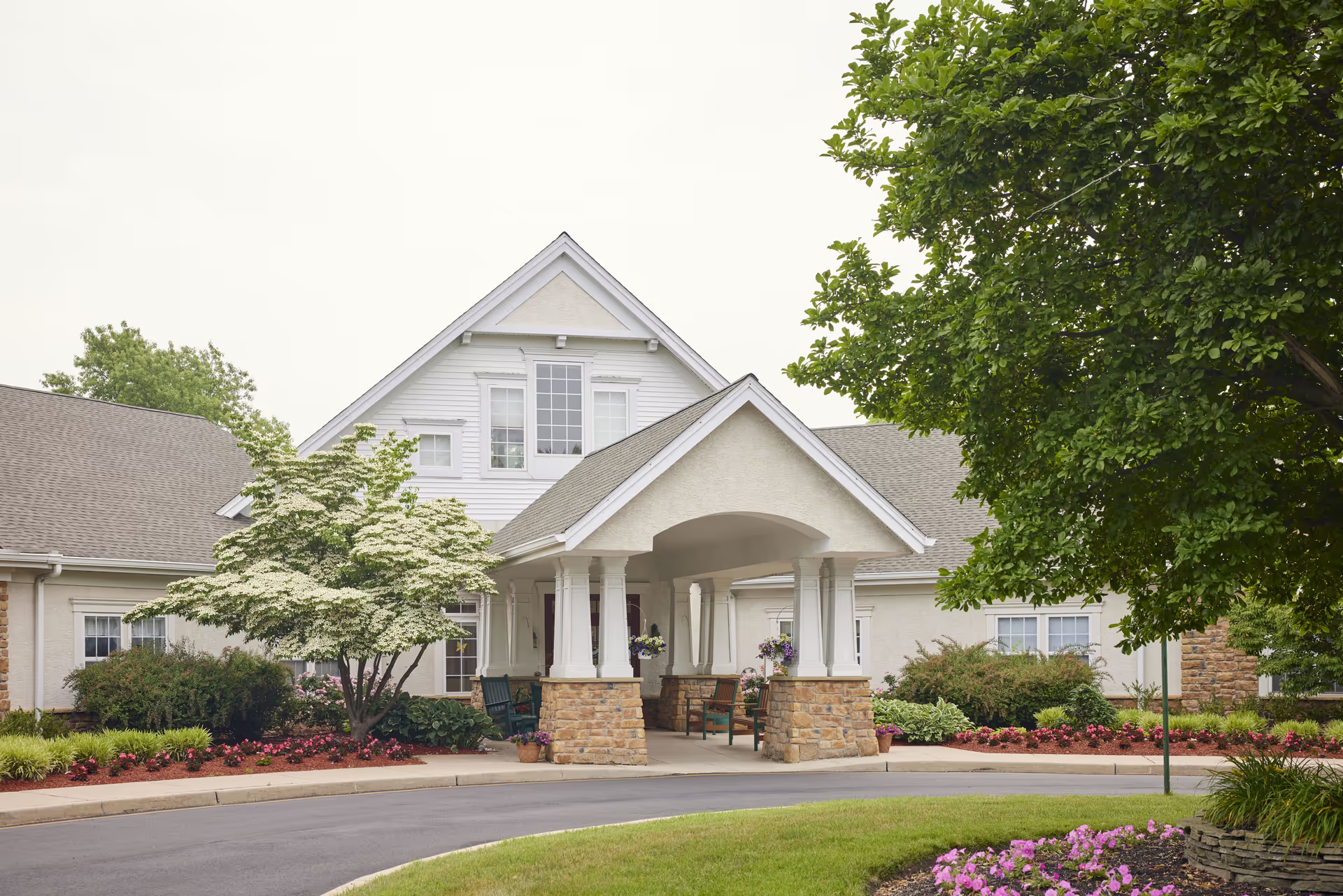
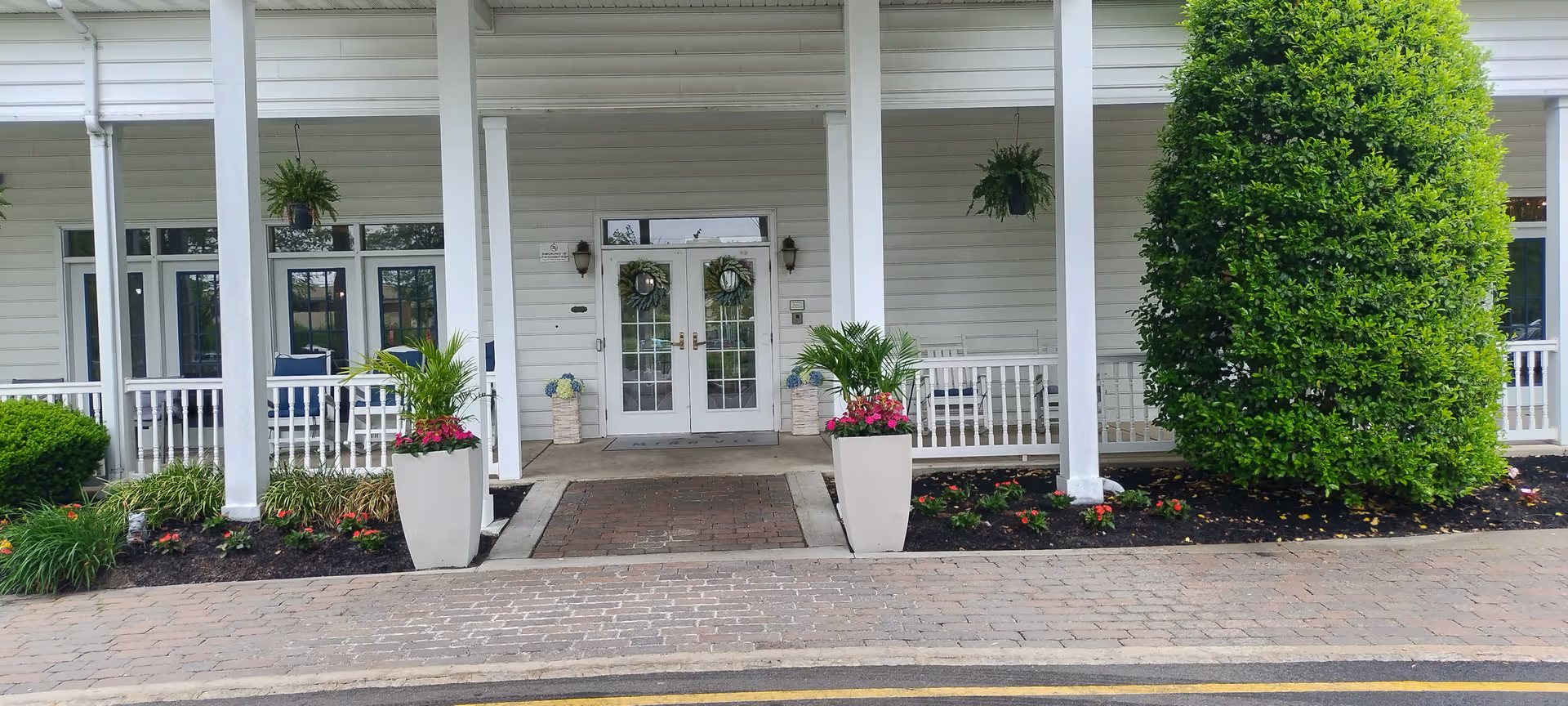
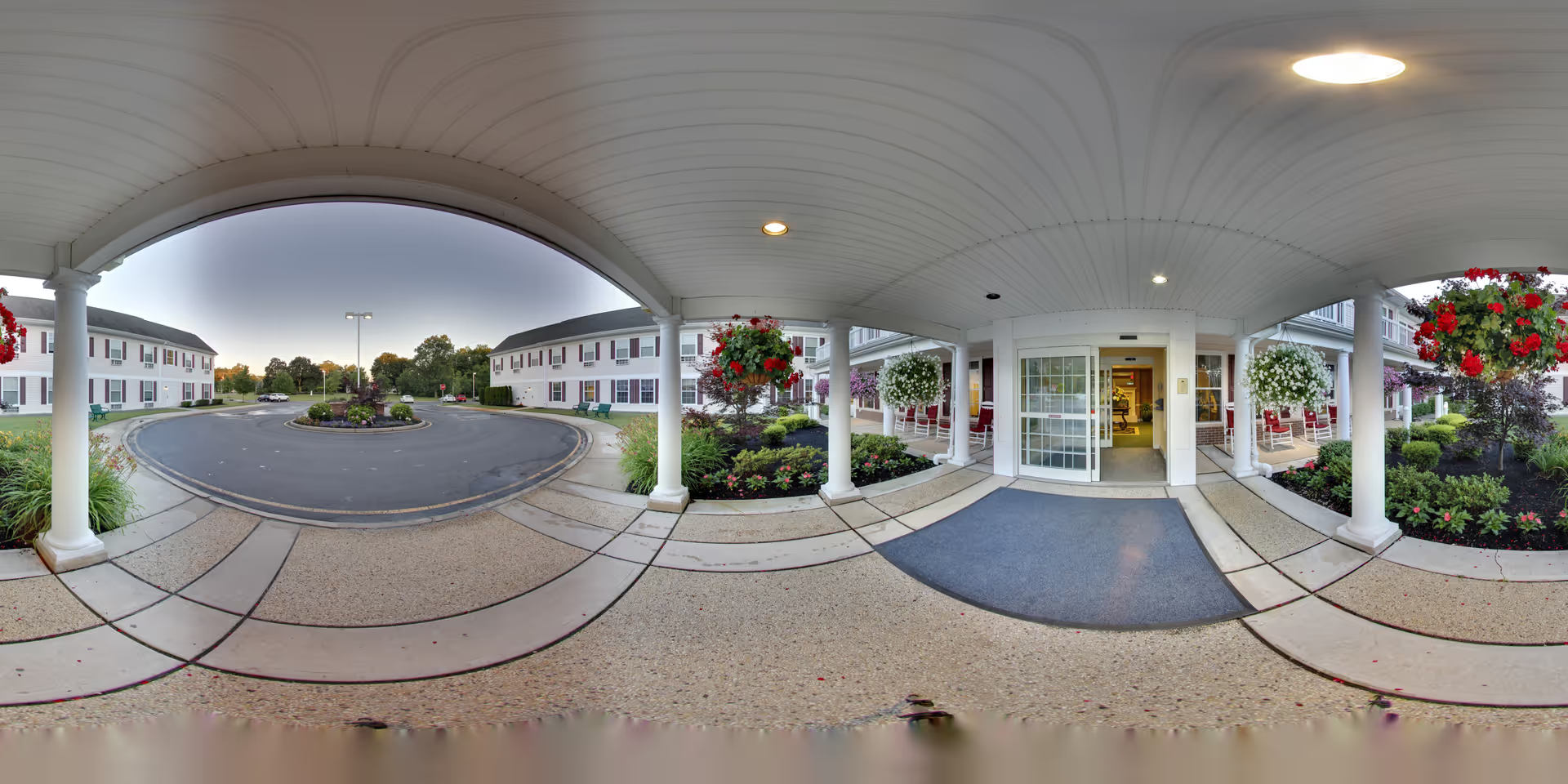
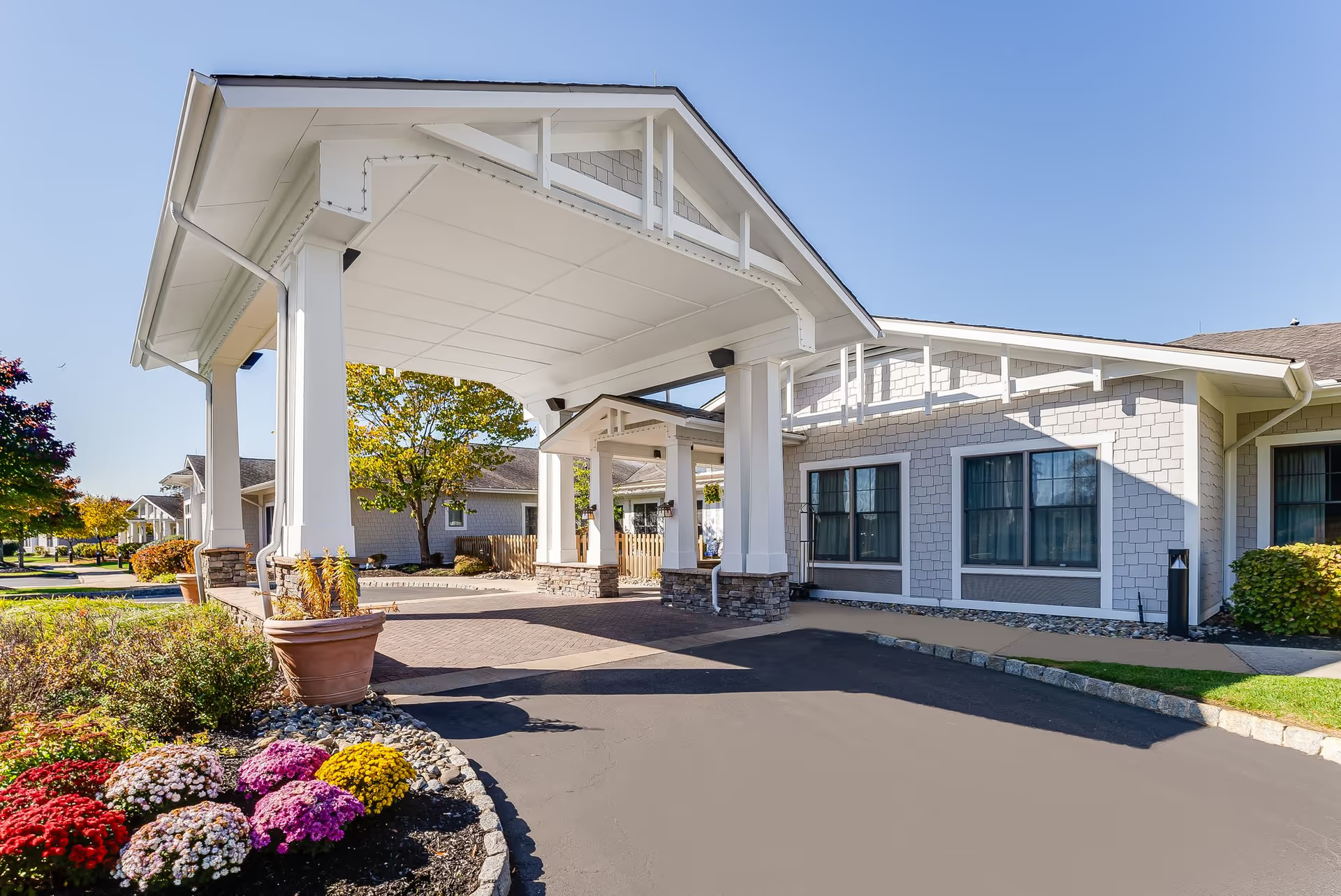
Cleanliness and the general environment are commonly rated highly. Many visitors describe the building and rooms as clean, comfortable, and welcoming, and some mention attractive decorations and activities that contribute to a community atmosphere. However, cleanliness feedback is not uniform; a few accounts describe housekeeping or room-upkeep concerns. Some families also report rooms that feel cramped, while visitors have noted difficult traffic, parking, or access.
Dining feedback is mixed. Numerous residents and families praise the meals, food-service staff, and willingness to address preferences or dietary needs. Other accounts describe limited portions, inconsistent meal quality, or difficulty accommodating individual preferences. The facility’s kosher food service is appreciated by some, while others say the menu or preparation did not suit the resident. Activities and seasonal events are viewed positively, though the amount of detail about programming is more limited than feedback about care and therapy.
The most significant concerns involve variability in staffing and care follow-through. Some accounts describe delays in responding to requests, completing scheduled wound care, or maintaining therapy availability during weekends or holidays. A few families also raise concerns about clinical monitoring, medication handling, and timely notification about a resident’s condition or an incident. These accounts contrast with the many positive descriptions of attentive care, but they are important topics for families to explore directly when assessing clinical routines and escalation procedures. One family raised end-of-life care concerns following a resident’s death after a hospital transfer; the review does not establish the cause. A resident also alleged pressure to post a favorable review, and another family questioned whether discharge timing was influenced by financial considerations. These are serious individual claims and should be understood as allegations rather than established findings.
Overall, the reviews portray a facility with notable strengths in staff kindness, rehabilitation, family support, and frequently praised cleanliness, alongside meaningful variation in staffing, responsiveness, dining, and care coordination. Prospective residents and families may wish to ask about weekend and holiday coverage, call-bell response expectations, wound-care and clinical-monitoring processes, how families are notified about changes, meal substitutions, room arrangements, and discharge planning.