Across the review summaries, Harrogate Retirement Community is consistently described as a well-appointed, amenity-rich retirement campus with a strong emphasis on clinical and rehabilitative services. Reviewers frequently highlight a multidisciplinary clinical approach—on-site physicians, nursing, wound-care specialists, and an active physical/occupational therapy team—that supports measurable recovery and transitions back to home. Many families and residents describe attentive caregiving, above-and-beyond assistance, and a ‘‘family-like’’ culture in which staff know residents by name and provide personalized support.
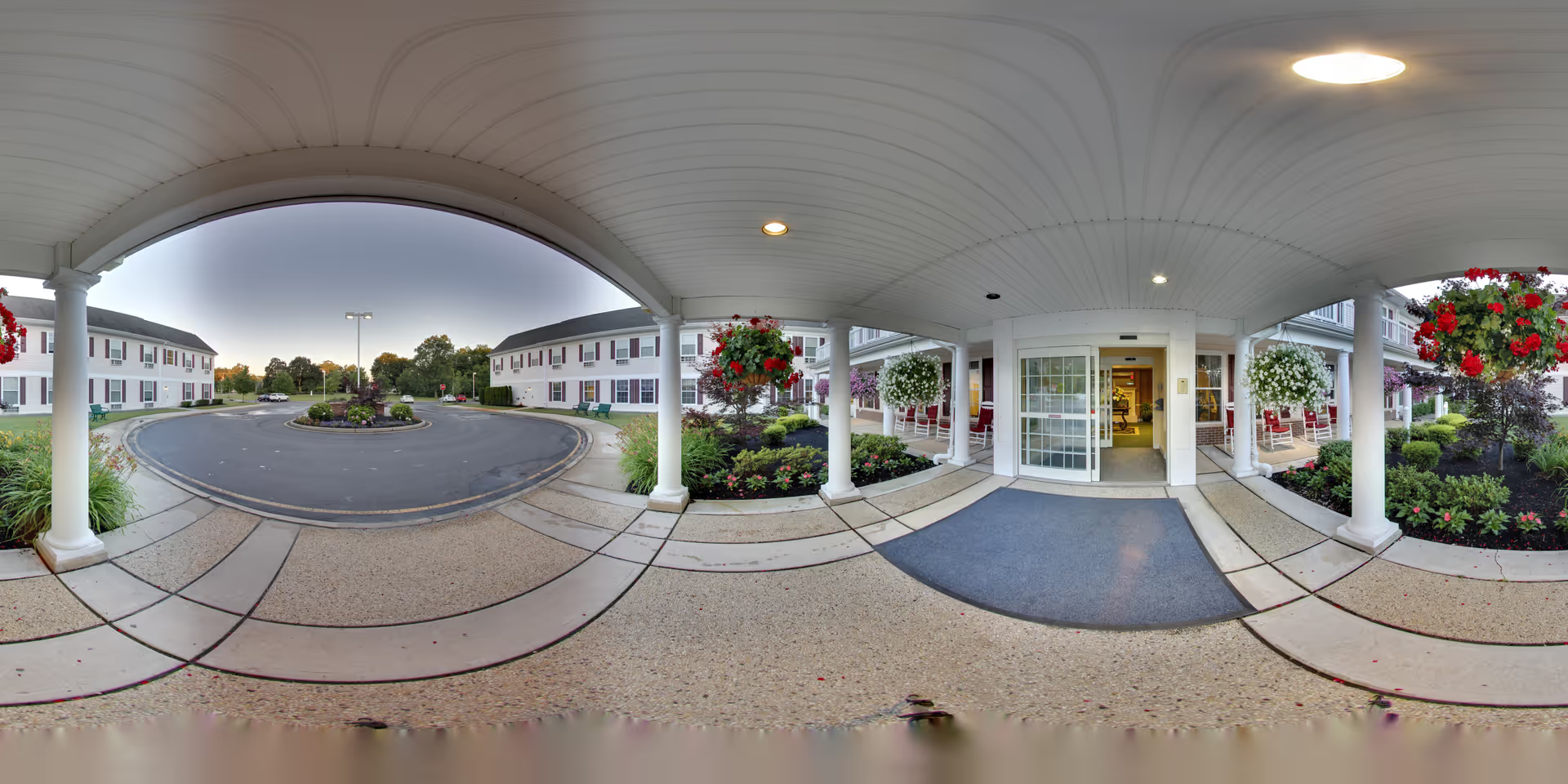
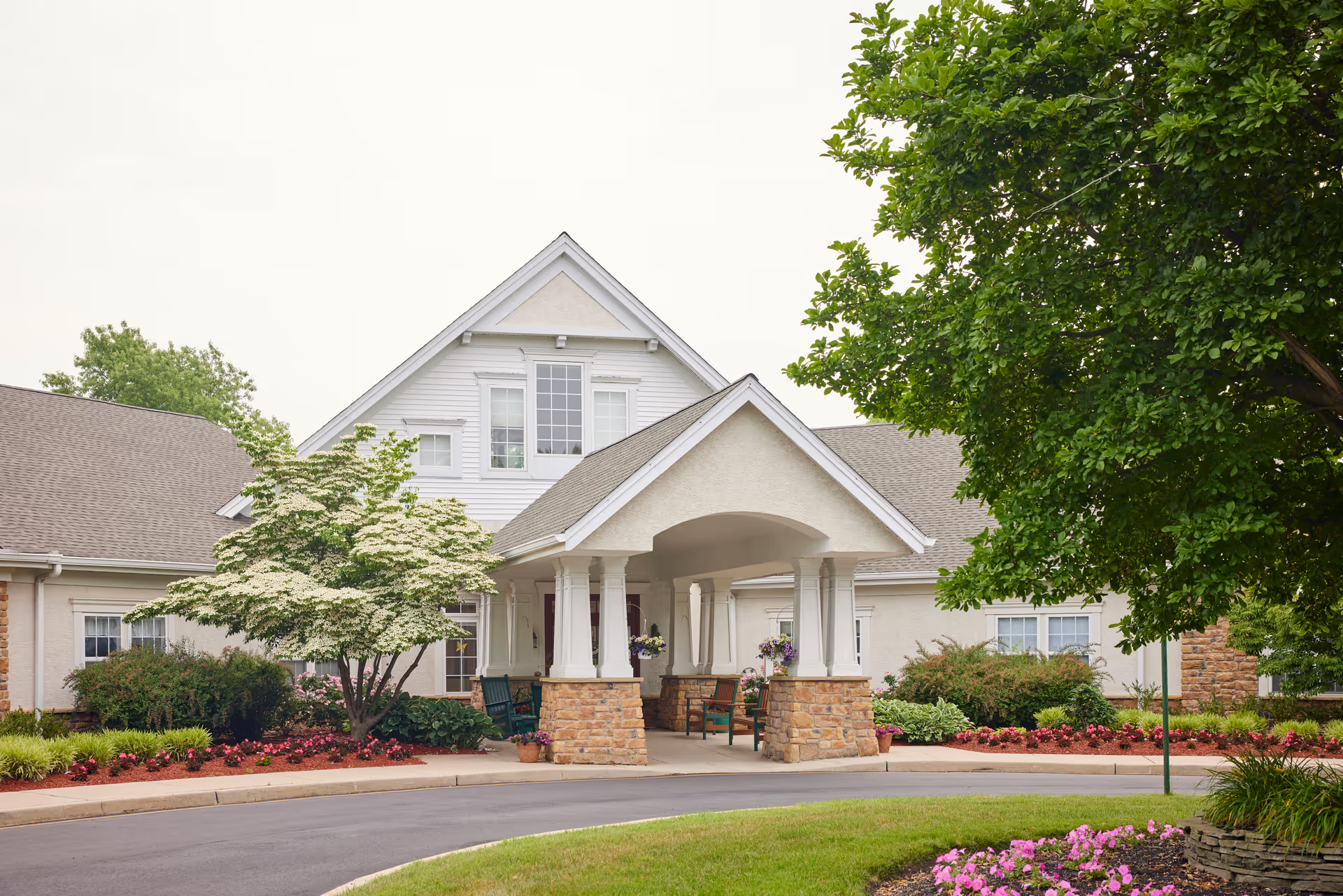
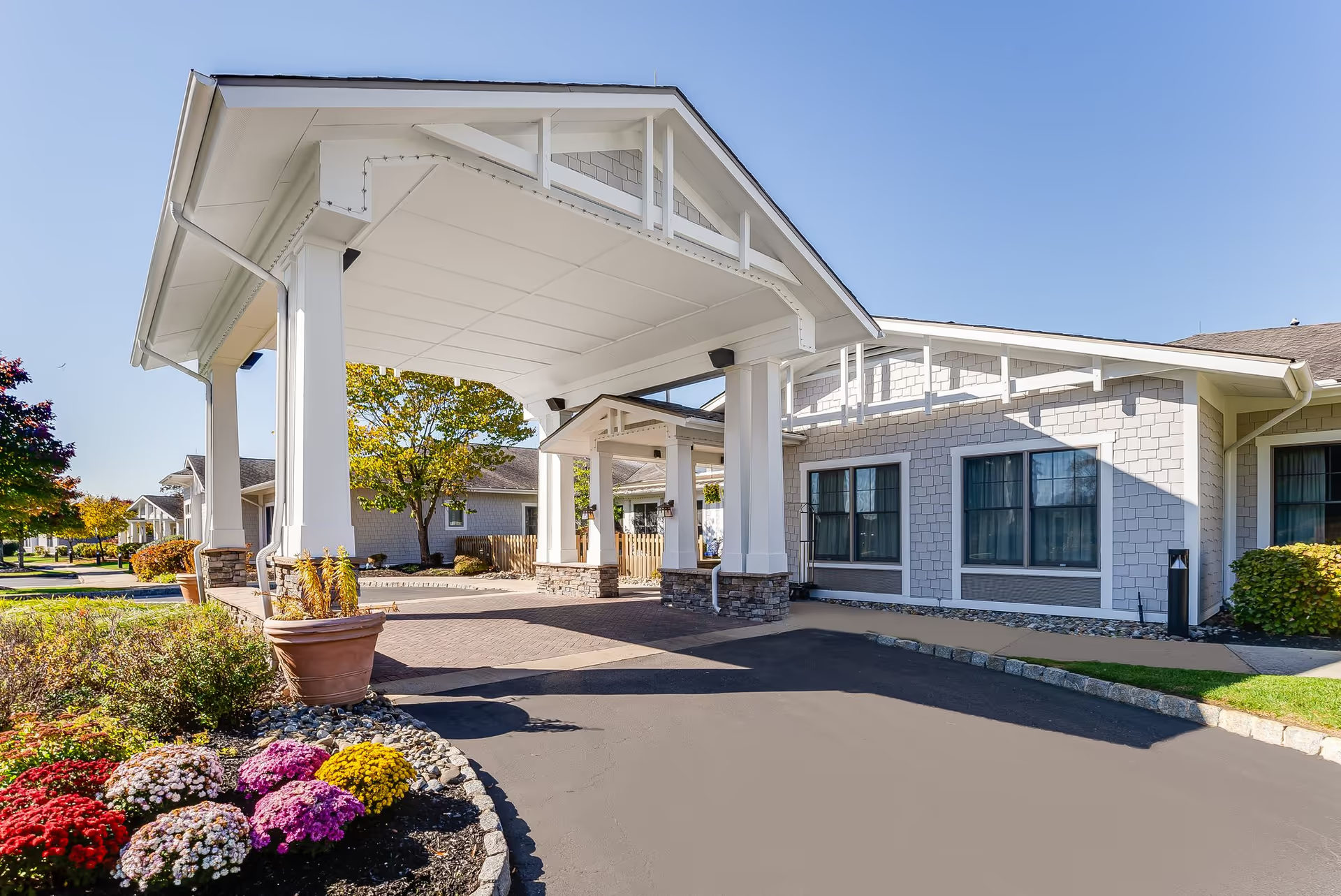
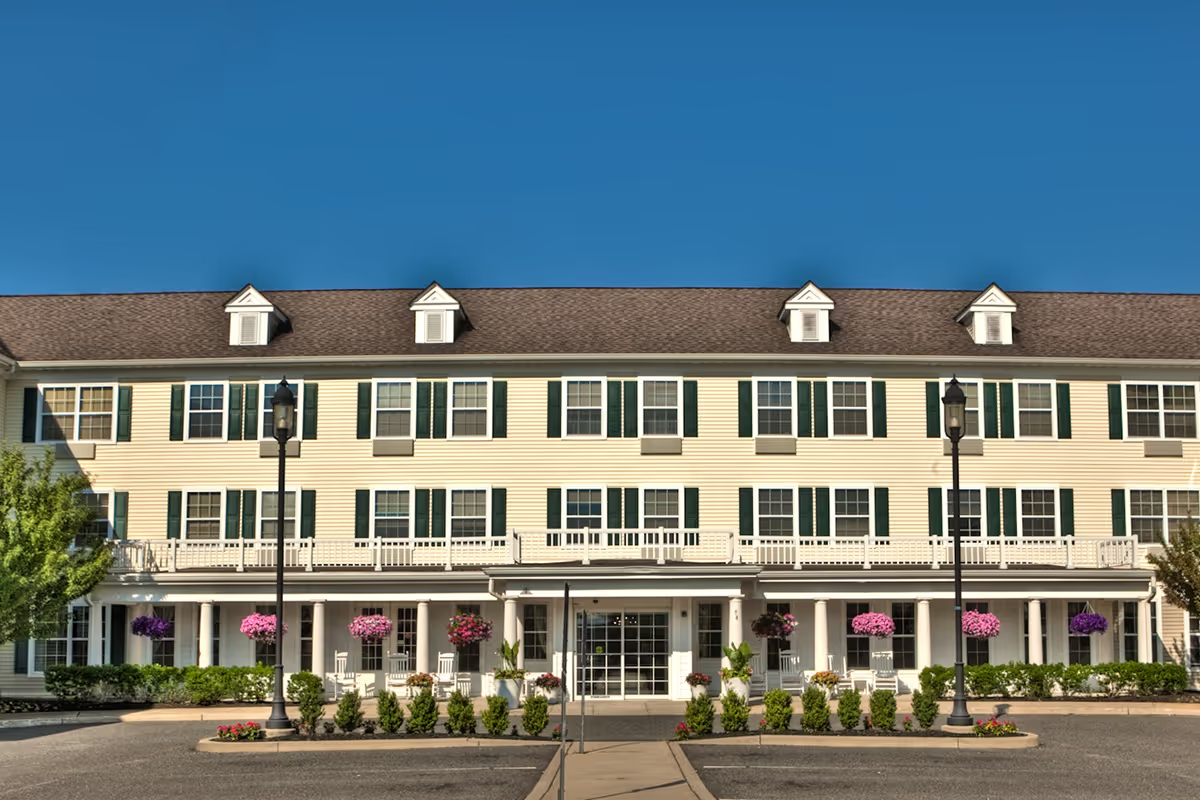
Dining and lifestyle offerings are a prominent strength. The dining program is commonly characterized as restaurant-style with varied menus, generous portions, and holiday meals; housekeeping and laundry services are described as regular and efficient in many accounts, including quick turnaround and folded-laundry delivery. The activities program is robust: organized daily events, trips, card nights, dances, arts and exercise classes, and frequent entertainment create high levels of resident engagement. Facility amenities—indoor heated pool, fitness center, salon, activity rooms, pleasant grounds and porches—support an active lifestyle and are repeatedly praised.
Operationally, reviewers commend admissions and move-in processes, responsive marketing and concierge staff, and visible coordination among administration, nursing, therapy, dining, maintenance, and housekeeping. Several comments single out hands-on leadership and effective care coordination between the clinic, health center, and external hospitals. Long-term residents emphasize a sense of belonging, neighborliness, and continuity of programming that supports social connection and quality of life.
Notable patterns of concern emerge alongside the positive feedback. Staffing levels and workload pressures are described as a recurring theme, with indications that overwork can lead to disorganization or delays in some services. Meal-service execution and food delivery occasionally show inconsistencies, including wrong meals or service interruptions for residents with special needs. A minority of accounts raise pest-control and sanitation concerns in specific units, and there are mentions of laundry or lost-item issues and irregular housekeeping schedules. Reviewers also note variability in clinical responsiveness and medical oversight, suggesting that clinical experience can differ depending on unit or shift.
Affordability and transparency around pricing are additional points of concern for prospective residents. Some reviewers flagged significant rate increases and a sense that increases exceeded expectations for annual adjustments, creating financial strain for residents on fixed incomes. Finally, apartment configurations and furnishings were described as smaller or more compact than expected in some units; prospective residents who prioritize larger in-unit kitchens or lounge furniture may find limited options.
Overall, Harrogate presents as a high-service, well-resourced retirement community with strong rehabilitative care, active programming, and attentive staff culture. Prospective residents and families would benefit from an in-person tour focused on current staffing ratios, unit-level cleanliness and pest-control practices, specific meal-service accommodations, furniture and apartment size options, and a clear explanation of current fee and rate-increase policies to assess fit and long-term affordability.