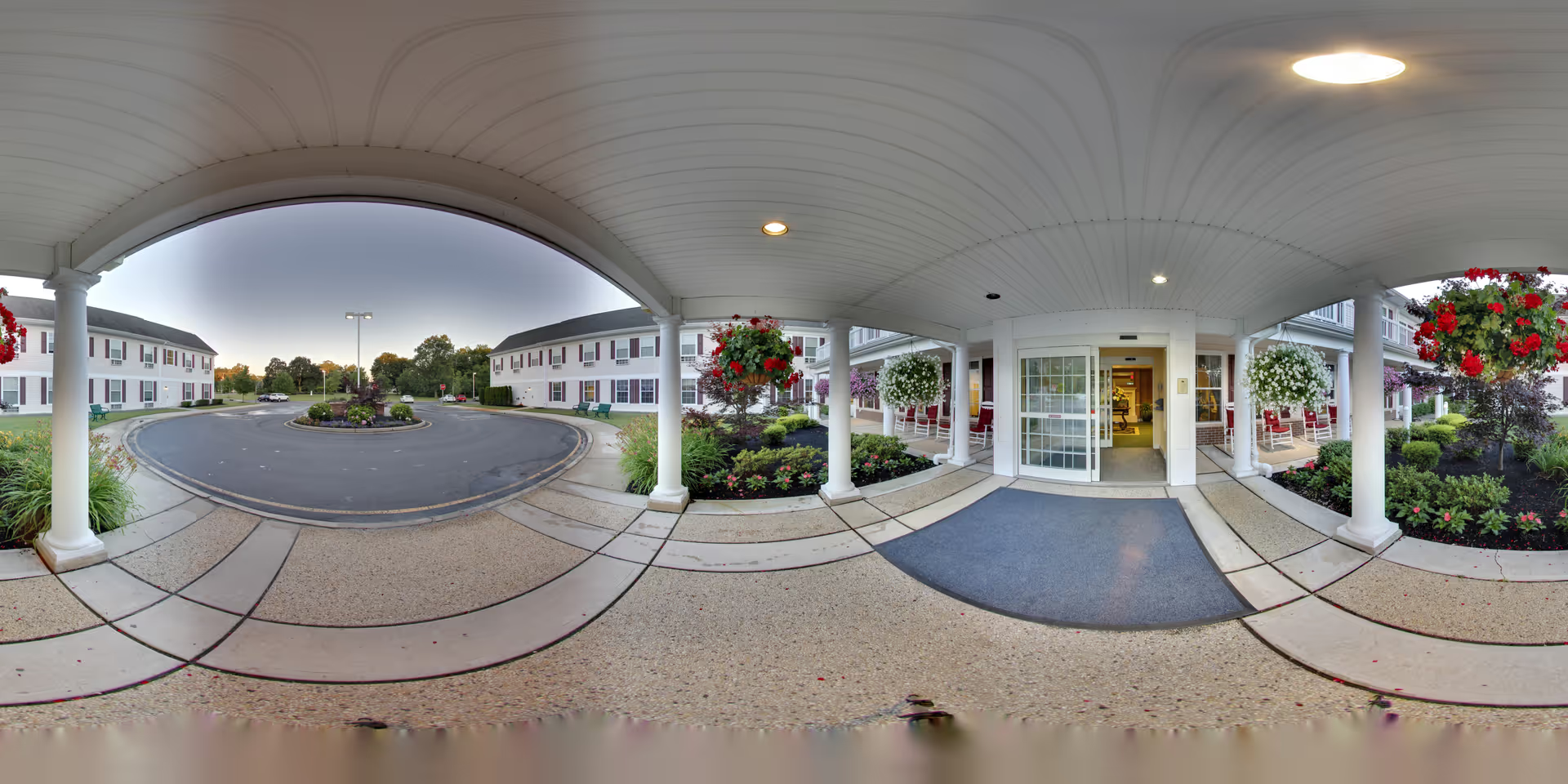
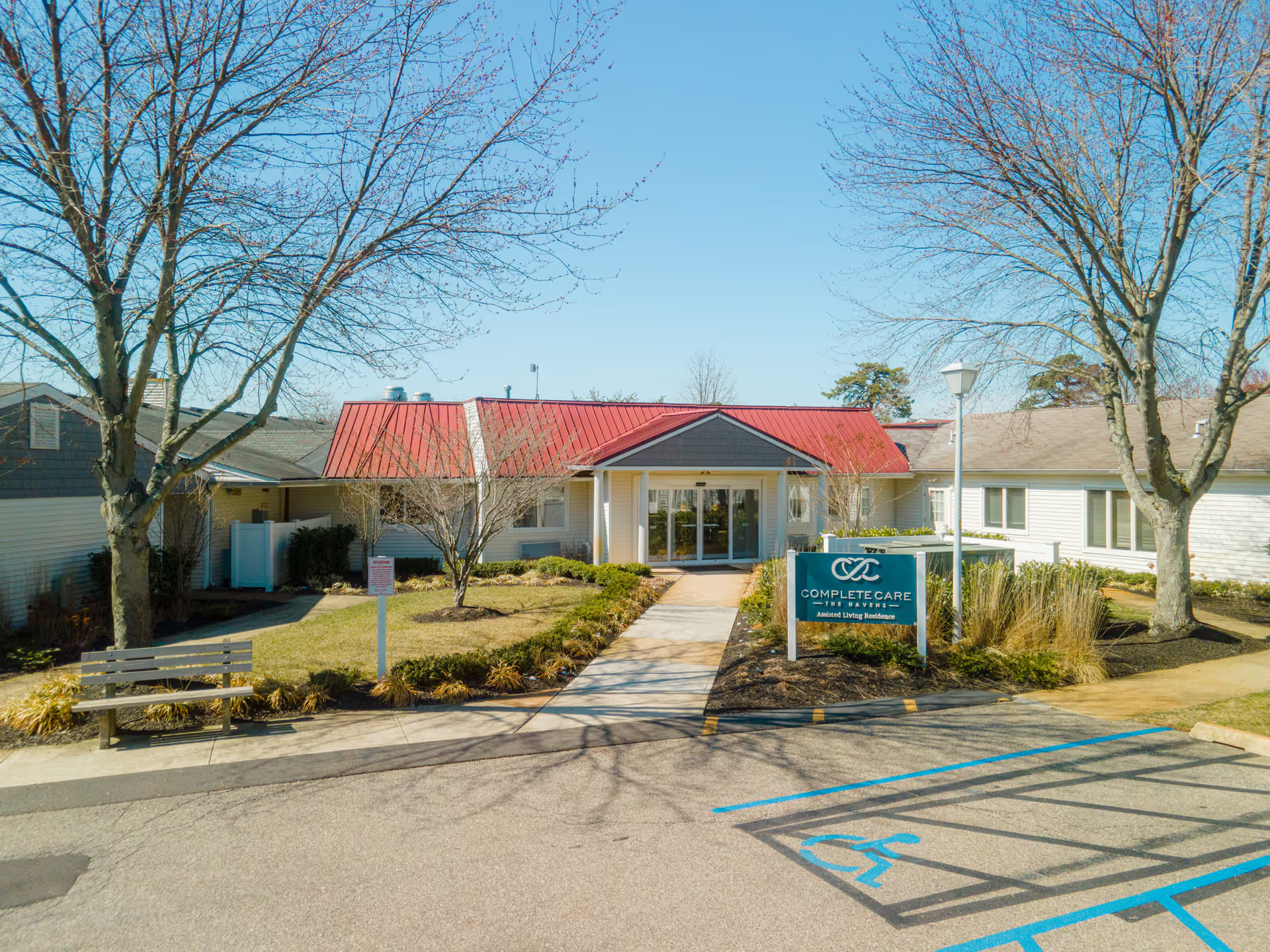
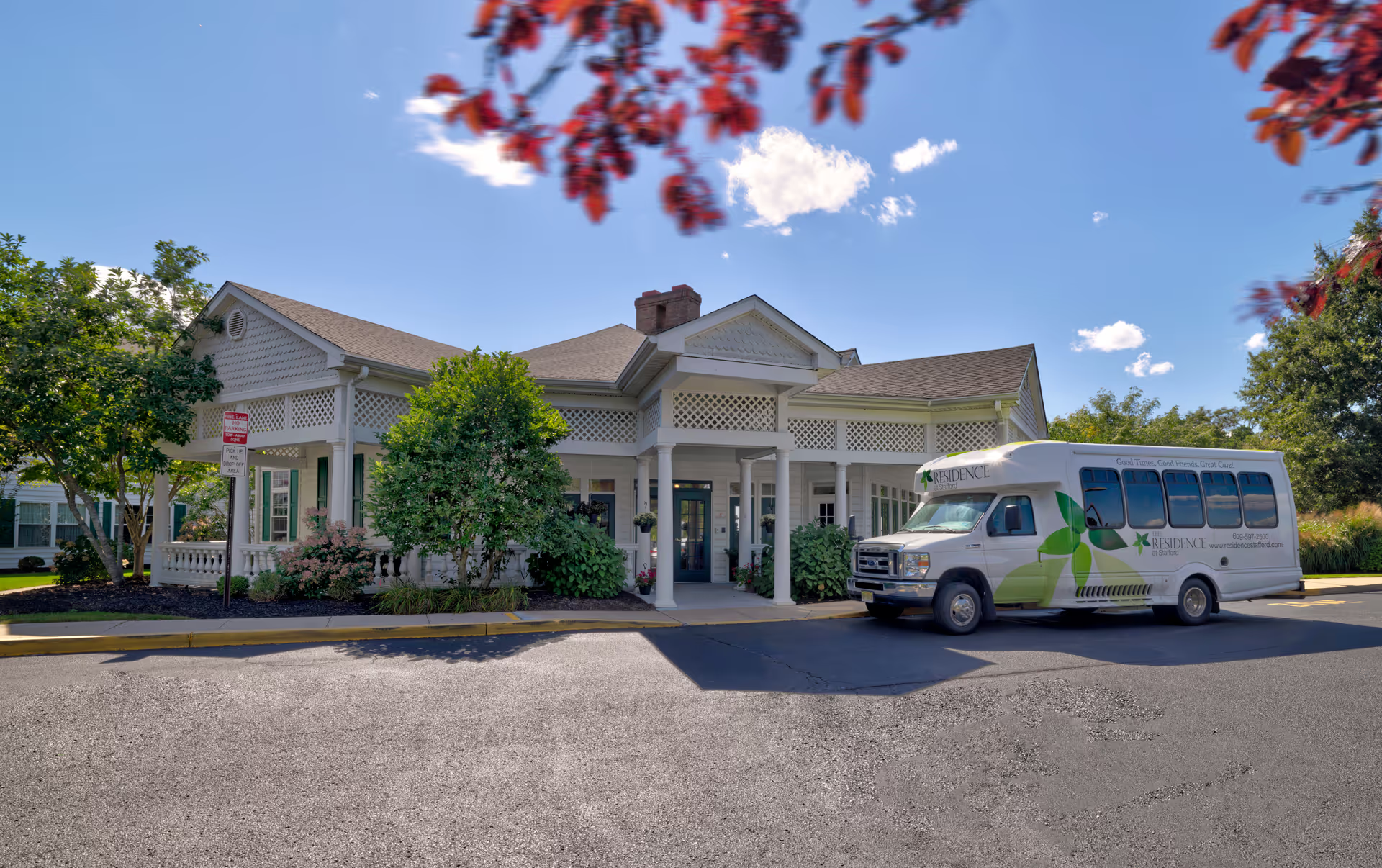
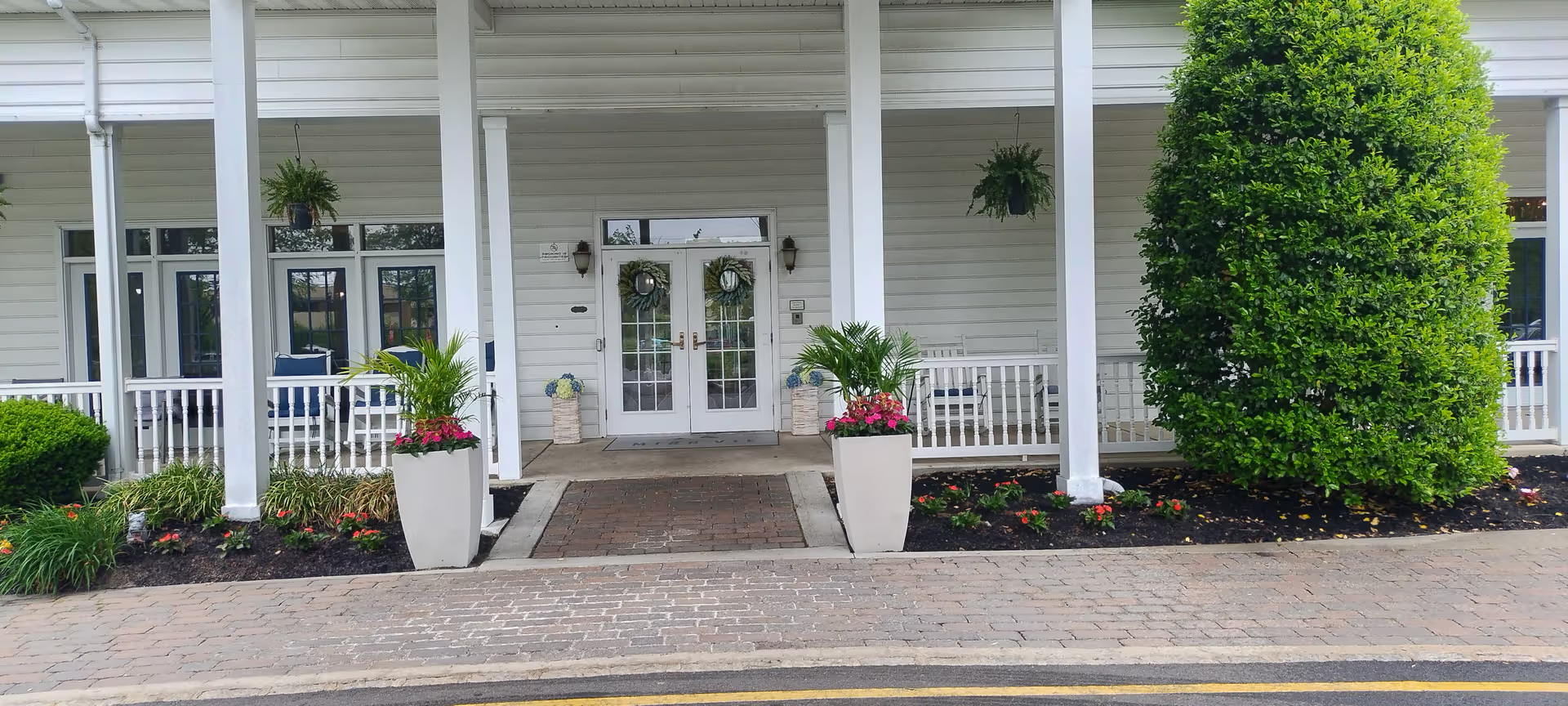
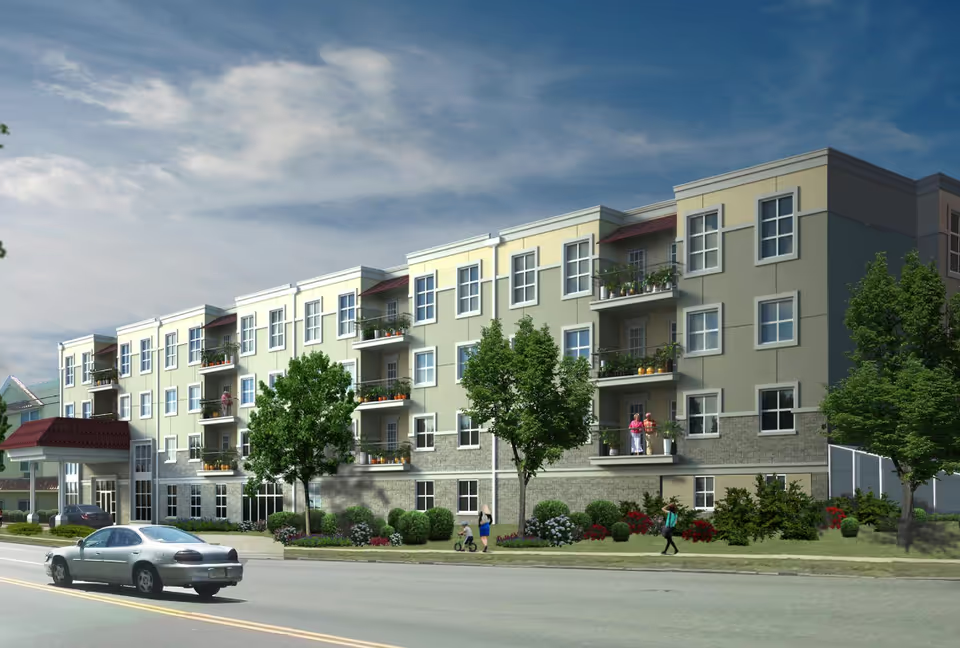
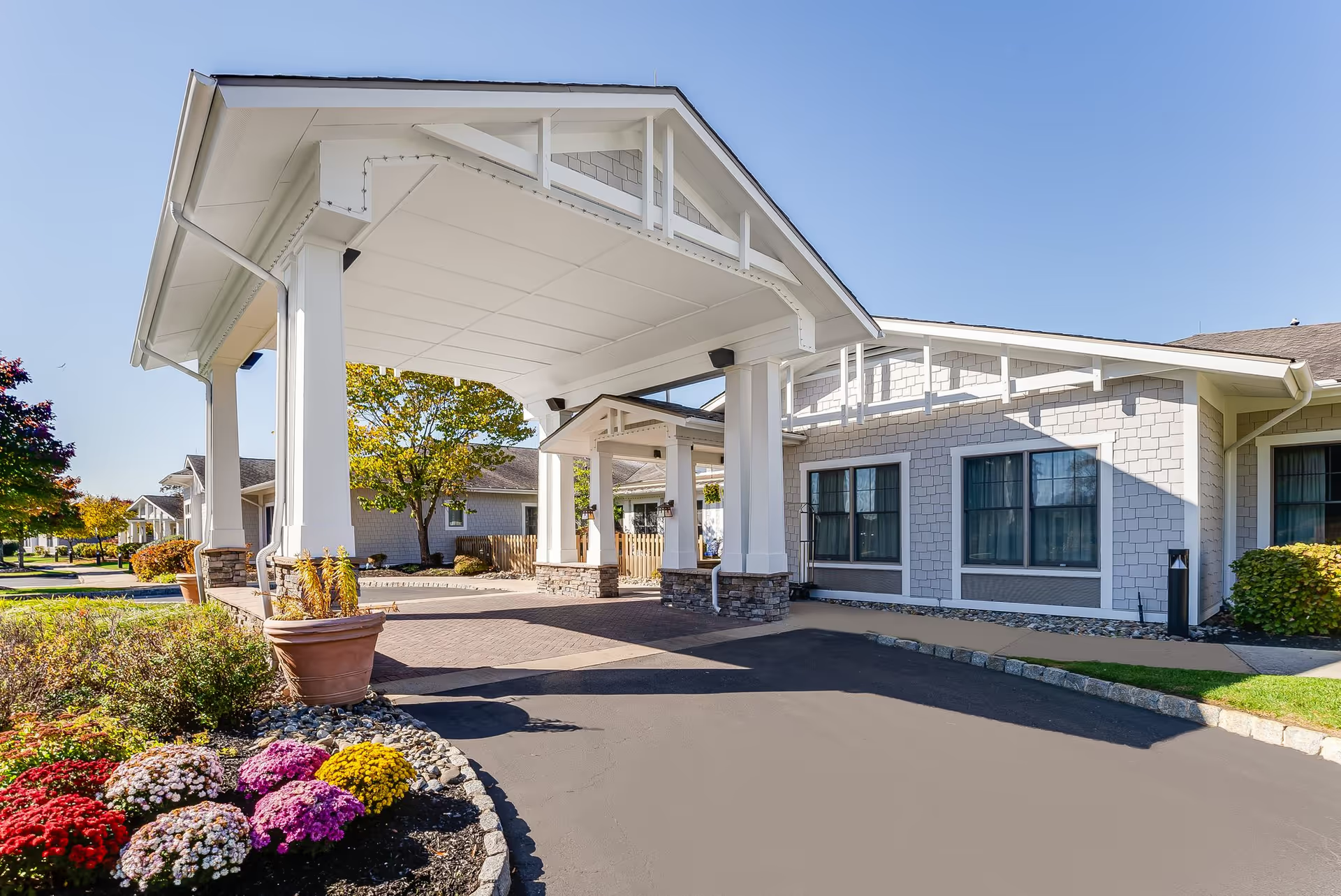
Spring Oak at Forked River presents a mixed but distinctive profile: several families describe an environment with hotel-like public spaces, personalized resident rooms, active programming, and a staff base that can be very compassionate and hands-on. Strengths highlighted across reviews include a welcoming lobby atmosphere, flexibility for residents to personalize suites, available on-site amenities (salon, gym, outdoor patio), and organized activity calendars that feature games, outings, holiday events and light exercise. Therapy services (physical and occupational) and transportation for off-site trips are noted as assets for residents needing rehabilitation or engagement beyond the campus.
Care and staff performance receive divided assessments. Many comments praise caregivers, nurses and the medical team as attentive, knowledgeable about medication handling, and willing to go beyond routine duties to help residents and families. At the same time, recurring concerns point to inconsistent staffing levels and coverage: reviewers describe periods when staffing appears insufficient to meet resident needs, and that inconsistency correlates with declines in service quality. Memory-care experiences are especially uneven — some families report robust programming, security measures and supportive engagement, while others point to shortages and cleanliness issues on that unit. Overall, care quality appears to vary by shift and unit rather than being uniformly delivered.
Dining and activities are generally cited as positive contributors to resident life, with many families noting varied menus, home-style meal options, celebratory meals and active social schedules. However, dining service consistency and staff interaction style are areas of concern; some comments indicate rough or poorly trained dining staff and variability in food quality between meals or days. Prospective families should expect a broadly active lifestyle program but also probe current dining staffing and training practices during a visit.
Facility condition and safety reveal contrasts. The community offers attractive features such as wide hallways, open layouts and secured access for memory care, but several reviewers identify aging infrastructure and maintenance shortfalls — examples include elevator problems, ventilation and mold-related concerns, and general wear in some common areas. Safety and emergency preparedness emerged as notable worries: reviewers describe gaps in emergency-power and CPAP contingency procedures, alarm/pendant reliability issues, and occasions of delayed response to calls. These items suggest the facility’s emergency protocols and equipment redundancies should be clarified before move-in.
Management, administration and communications show a similar pattern of strong individual contributors but systemic weaknesses. Front-desk and certain executive staff are frequently described as helpful and accommodating, yet multiple families reported difficulties obtaining timely responses from administration on billing, move-out paperwork, and post-incident follow-up. Contractual and administrative processes — specifically move-out notice requirements, confusing forms, and unexpected fees — are cited as pain points that can cause stress during transitions.
Notable patterns and guidance: reviewers’ experiences appear to cluster by unit, shift and timing. Positive experiences are often tied to particular staff members and well-staffed shifts; negative experiences correlate with perceived understaffing, maintenance lapses, and administrative delays. For families considering Spring Oak at Forked River, recommended due diligence includes touring multiple times (day/evening), asking for current staffing ratios and how they vary by shift, reviewing sanitation and incontinence-care protocols (especially in memory care), requesting the emergency-power and equipment contingency plan (including CPAP policies), sampling meal service, and examining the admission contract for fees and move-out terms. These steps will help assess whether the facility’s strong elements align with a prospective resident’s needs and expectations and whether operational weaknesses have been addressed.