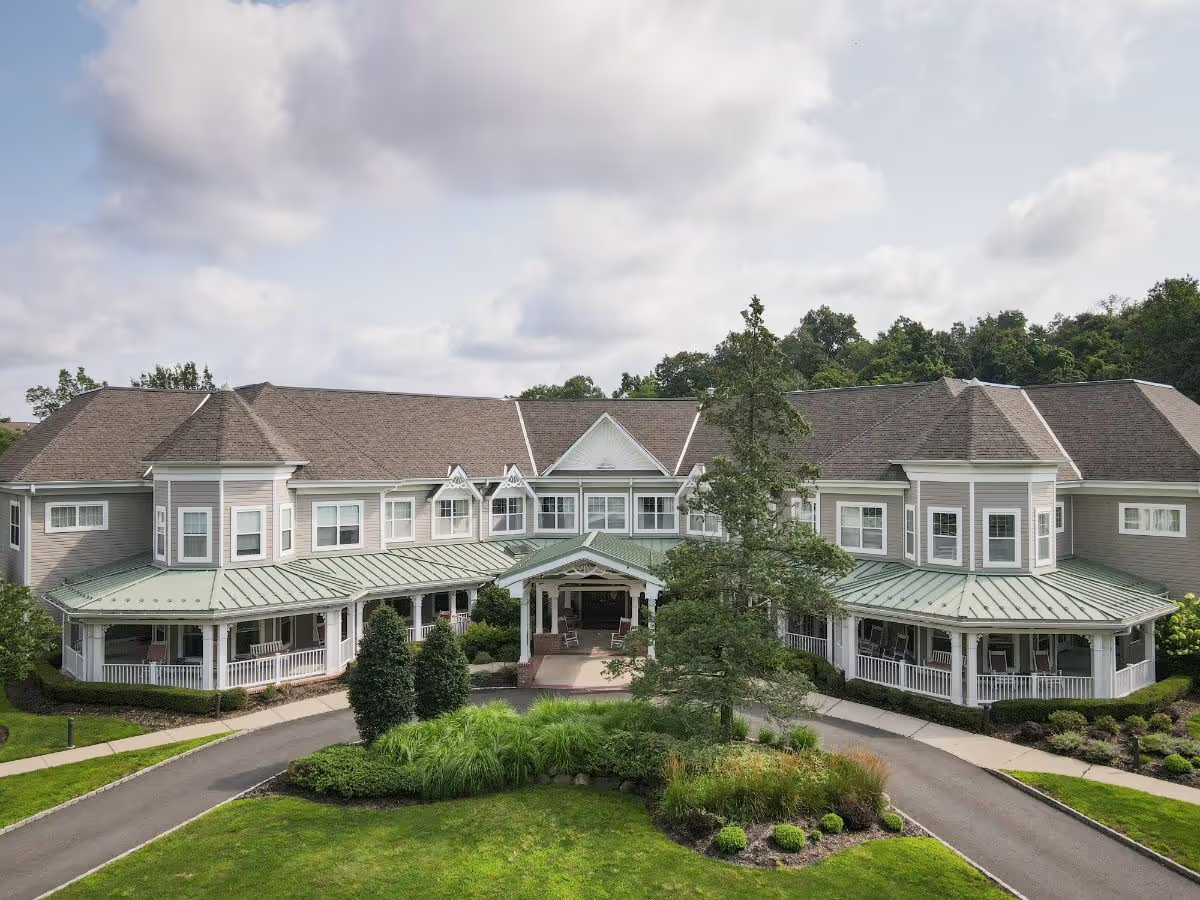
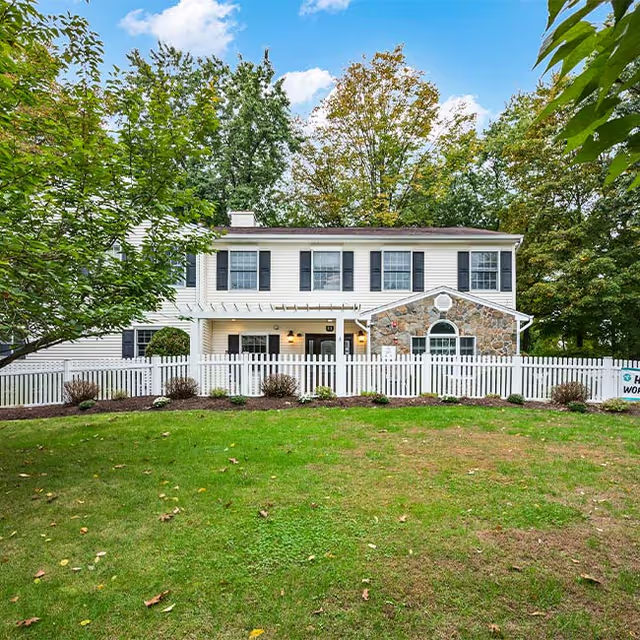
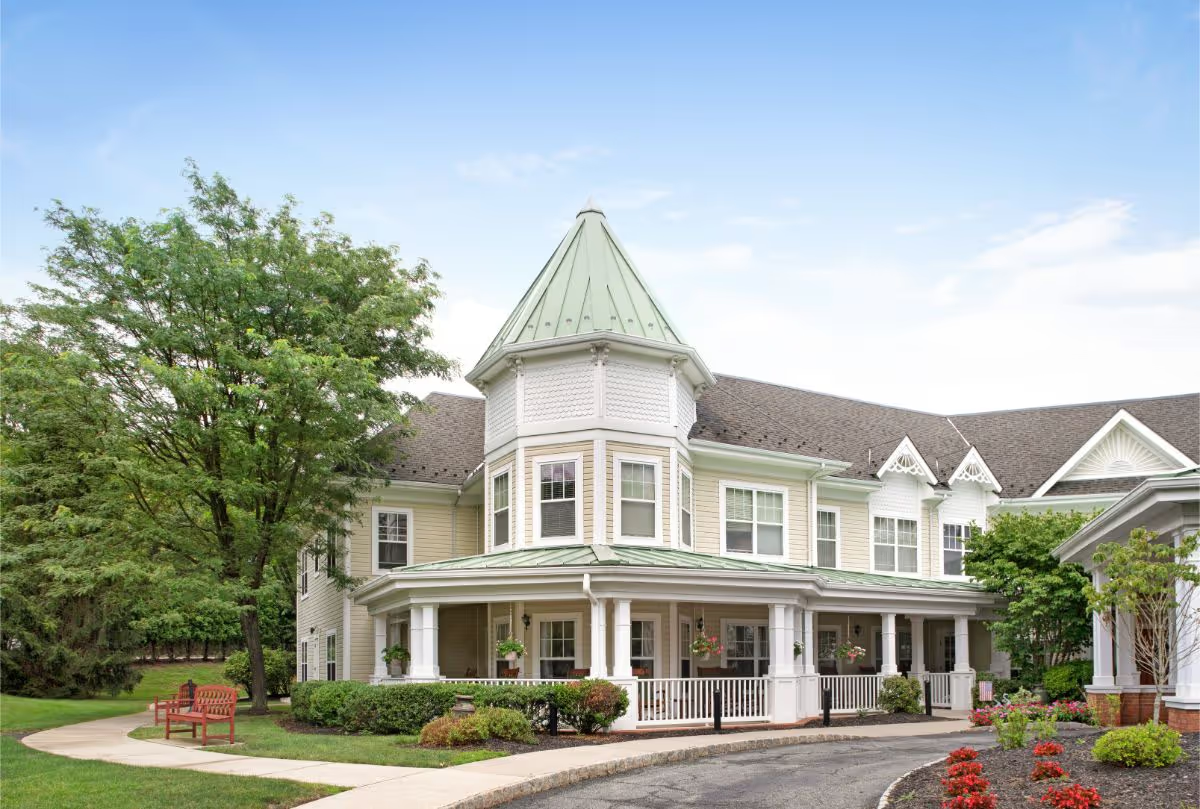
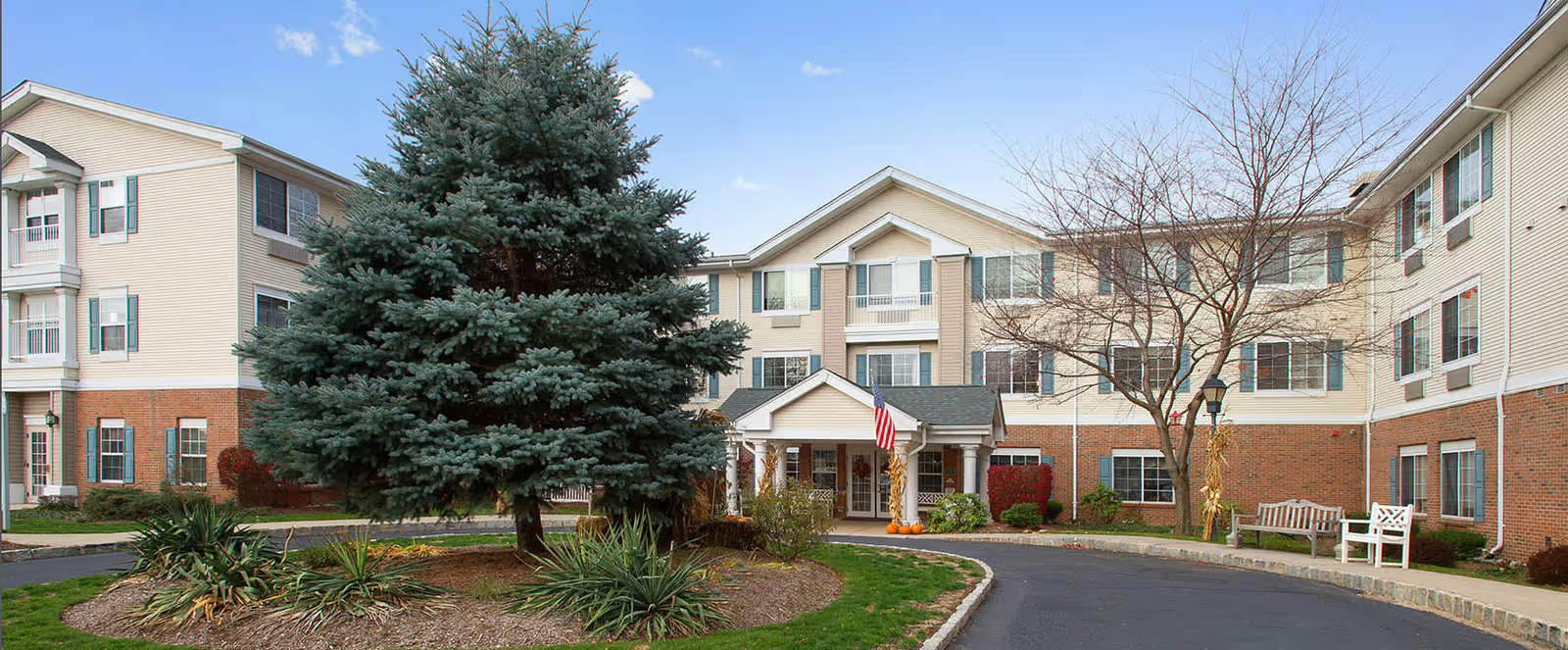
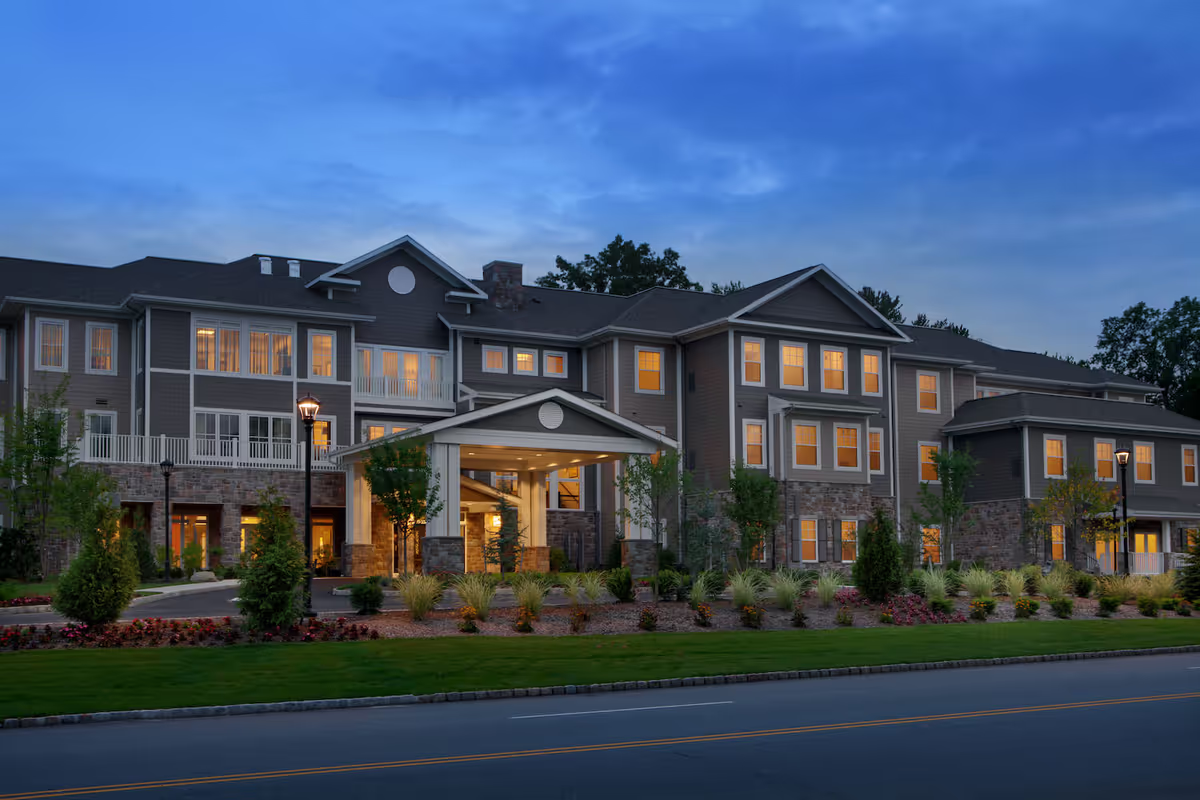
Lincoln Park Care Center elicits strongly polarized impressions. Many families commend individual caregivers, therapists, recreation staff and front‑desk personnel by name and describe warm, attentive interactions. The facility has a visible strength in short-term rehabilitation: several accounts describe measurable functional improvement, brisk therapy schedules, and successful discharges back home. Recreation and activities are frequently praised for keeping residents engaged, and the campus features—clean common areas, an accessible patio and a healing garden—are noted as supportive of recovery and family visits.
Direct-care staff receive substantial positive feedback for compassion and hands-on assistance; hospice and palliative teams are described as providing comfort and good communication at end of life for some families. Administrative support around benefits and Medicaid navigation is also cited as helpful in multiple reviews, and some visitors report prompt and courteous reception and admissions processes.
At the same time, a sizeable portion of reviews describe operational inconsistencies that affect clinical quality and family confidence. Concerns cluster around uneven nursing and medical oversight (including delayed recognition of clinical issues, wound management problems, and medication‑management questions), a pattern of reliance on agency and per‑diem staff, and variability in professionalism and responsiveness between shifts. Several families described problems with transfer/toileting assistance and falls, and others raised worries about infection‑control events and outbreak management during certain periods.
Cleanliness and sanitation are a recurring theme that varies by unit: while some visitors describe well‑maintained, clean areas, others report odor concerns, housekeeping lapses, and pest‑control issues in parts of the building. Complaints about missing personal items and incomplete inventory control appear repeatedly and are paired in some cases with billing or documentation disputes. Dining receives mixed reviews—some residents find meals satisfying and accommodating, while others encounter unappetizing options or failures to respect dietary restrictions.
Communication and management consistency are uneven. Several reviewers praised prompt administrator responses and good family updates; others describe delays in notification, voicemail/accessibility problems, limited social‑work availability, and unresolved billing issues. Night and weekend staffing patterns are cited as weaker than daytime staffing in a number of accounts, contributing to the perception of variable care across shifts.
Taken together, the pattern suggests a facility with clear strengths in rehabilitation, engaged recreation, and many committed individual staff members, but also with operational vulnerabilities that affect continuity of care: staffing stability, clinical oversight, sanitation consistency, property controls, and family communication. Prospective residents and families would be well served by asking about current staffing ratios and agency use, wound- and medication‑management protocols, dietary accommodations, procedures for documenting and securing personal belongings, and examples of recent quality‑improvement actions when evaluating placement.