Overall impression: Renaissance at Lincoln Park elicits strongly mixed impressions. Many families and residents describe a modern, well-kept facility with committed, compassionate staff and strong rehabilitation services; others raise operational concerns that affect trust and continuity of care. Prospective residents should weigh the facility’s visible strengths in environment and therapy against reported variability in clinical processes and staffing.
Care quality and clinical communication: Numerous reviewers praised attentive nursing, coordinated care-planning conferences, and clear updates to families. Rehabilitation (PT/OT) and some named clinicians received consistent praise for helping residents regain strength and function. At the same time, there are substantive concerns about inconsistent clinical assessment and medication-management processes, and a subset of families reported serious clinical events that point to gaps in rapid recognition and escalation. Families seeking a facility should verify current clinical protocols, incident-response practices, and how the facility coordinates with outside hospice or specialty providers.
Staffing and staff conduct: Many reviews describe staff who are empathetic, patient-centered, and family-like in their interactions; several long-tenured nurses and supportive supervisors were singled out positively. However, reviewers also described variability in staff conduct and bedside manner and a reliance on agency personnel that appears to contribute to inconsistency. Nighttime and after-hours coverage and maintenance availability were identified as operational gaps. These traits suggest that staffing patterns can shift resident experience depending on shift and staff mix.
Dining, activities, and resident life: Activity programming and resident engagement were frequently mentioned as strengths; reviewers reported residents being kept involved and active. Opinions on dining were mixed — while some praised food and refreshments, others described inconsistent meal quality. Prospective residents should consider tasting meals during a visit and asking about menu rotation and accommodations for dietary needs.
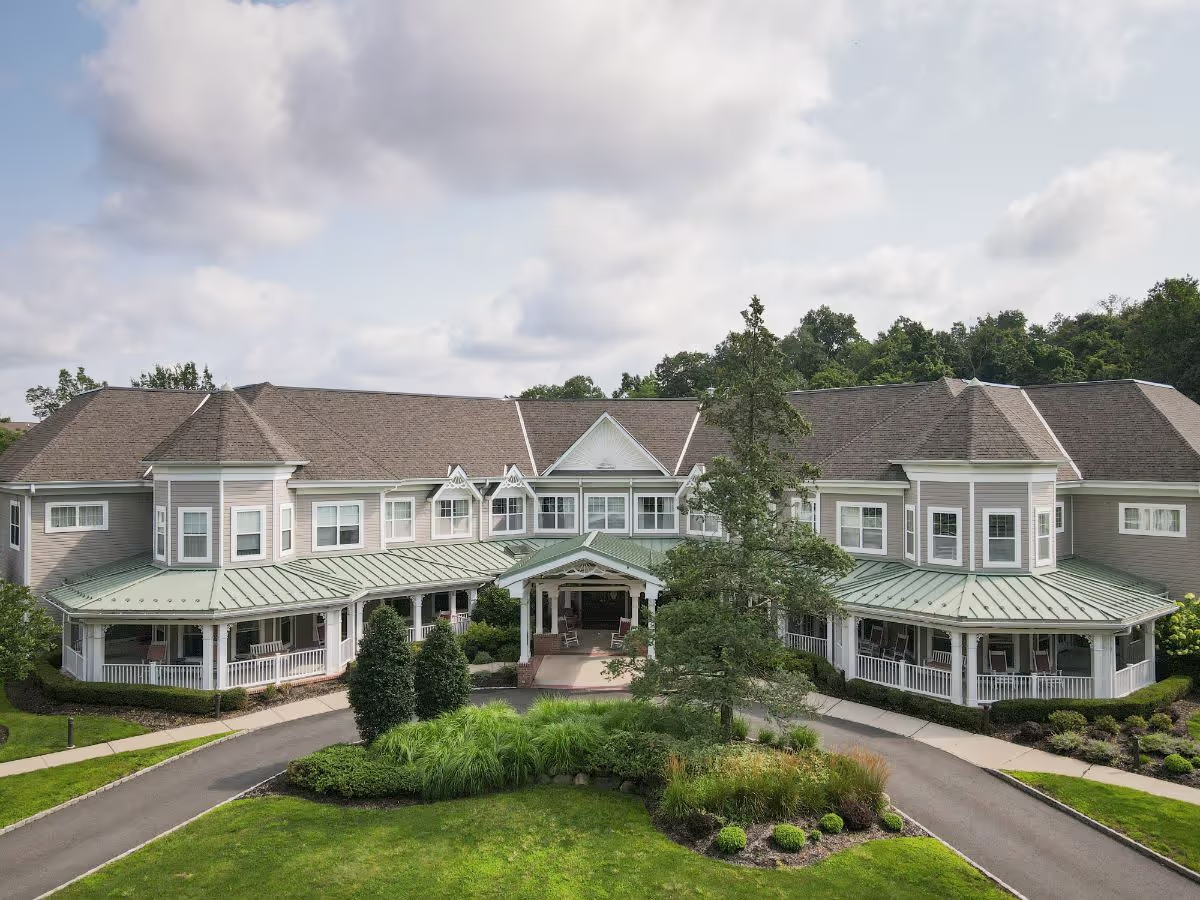
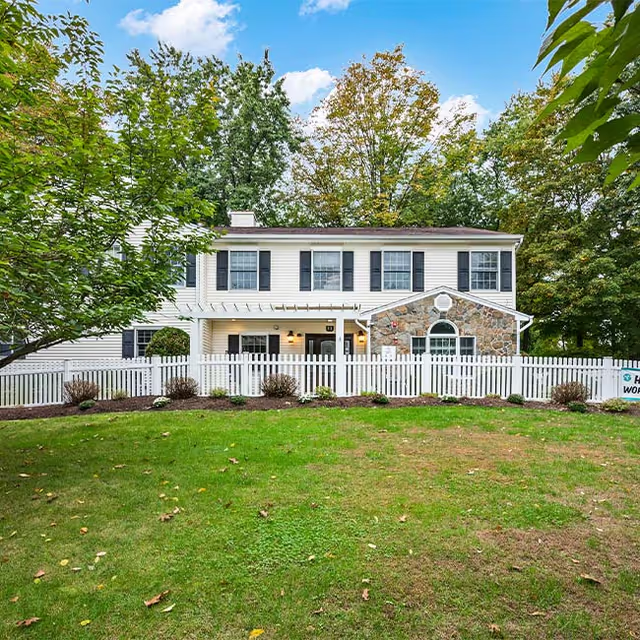
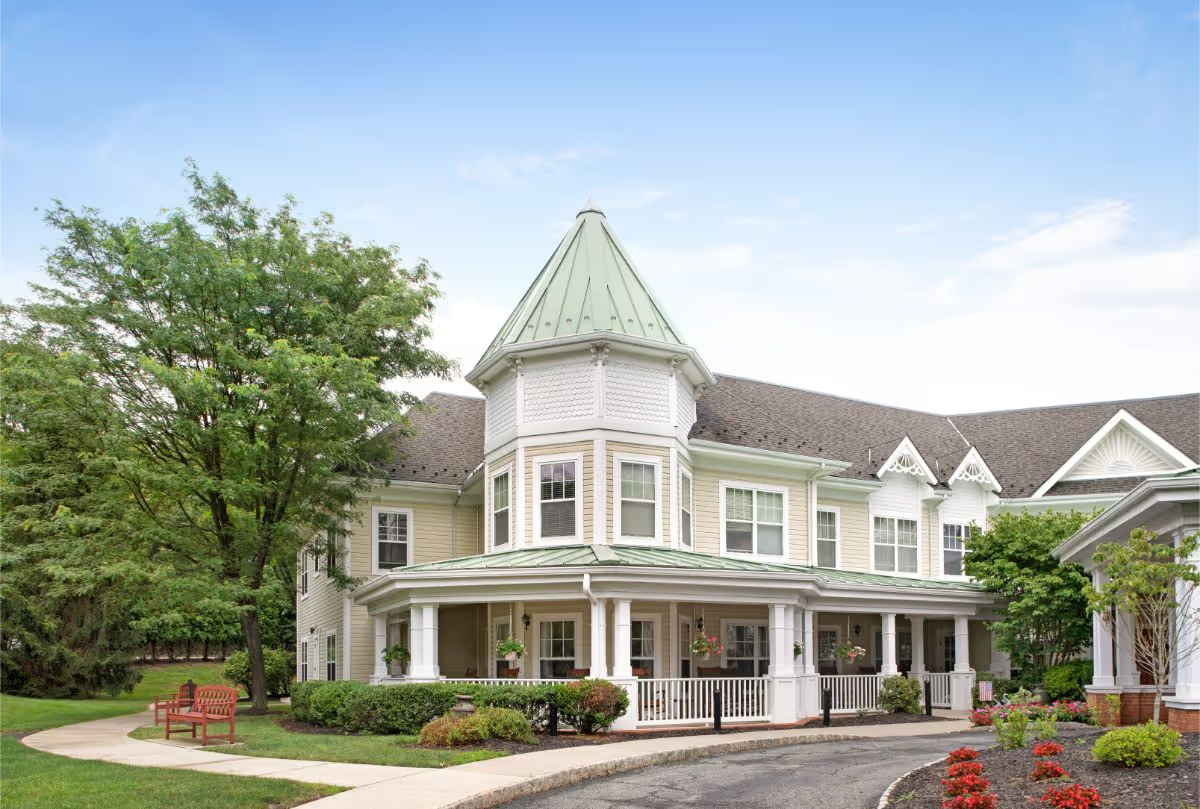
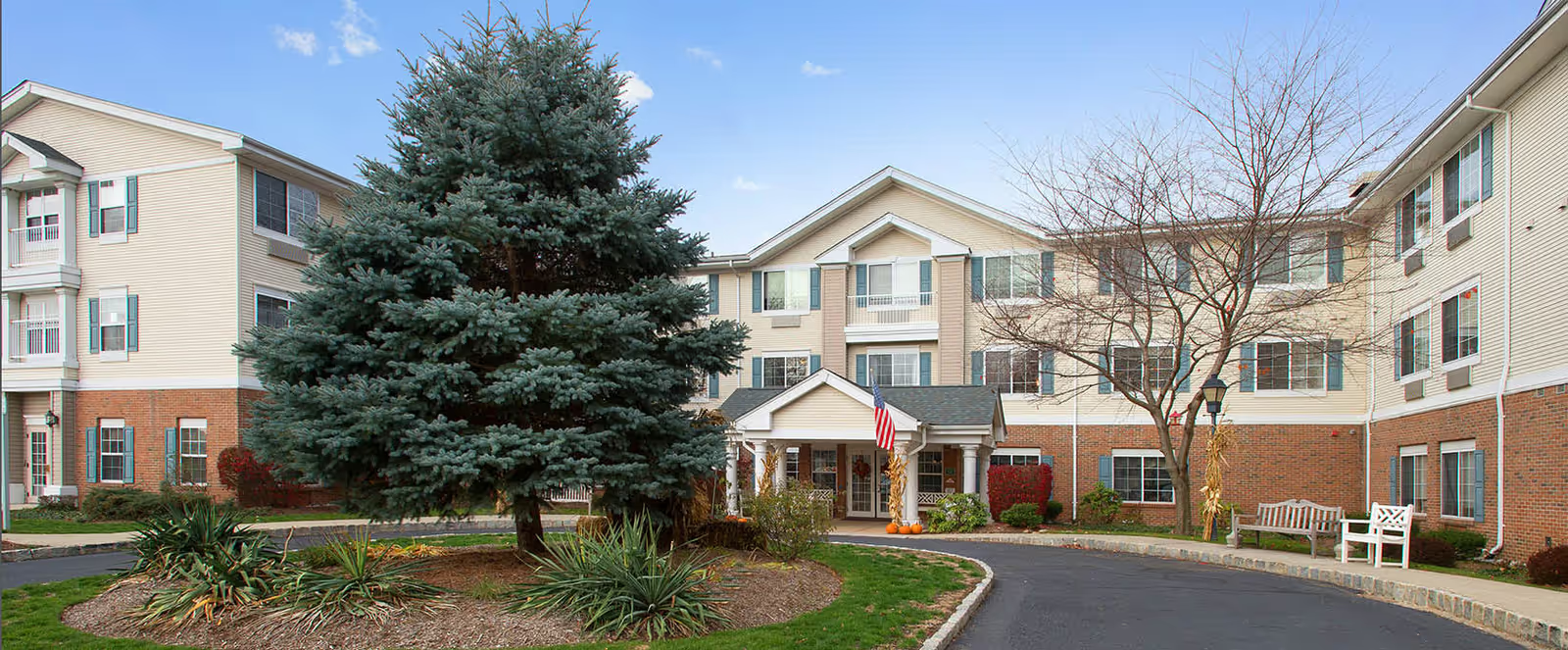
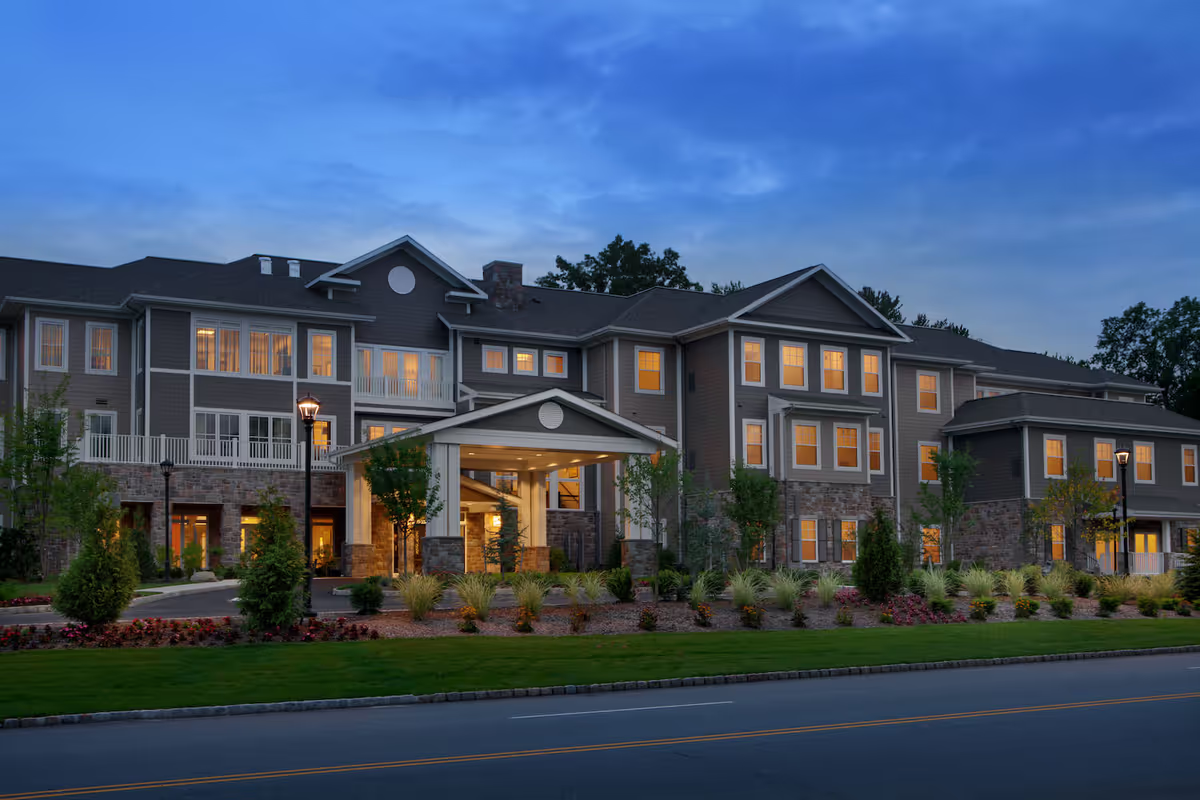
Facilities and cleanliness: The building, décor, and resident rooms were often described as bright, modern, and comfortable. Many reviewers called the facility unusually clean and well-maintained. A minority of comments noted intermittent sanitation or odor-management issues and sticky flooring in some areas; these appear episodic rather than systemic but are worth confirming during an in-person tour.
Management, transparency, and family communication: Administrative and admissions staff, including reception and Medicaid coordination, were commonly praised for being helpful and efficient. Conversely, concerns were raised about how the facility handles adverse events and whether families or staff feel comfortable raising concerns without reprisal. Several reviewers called out inconsistent family communication during critical clinical events and gaps in end-of-life coordination. Those evaluating the community should ask specific questions about incident reporting, family notification timelines, hospice partnerships, and avenues for lodging concerns.
Notable patterns and takeaway: The strongest, most consistent positives are compassionate direct-care staff, strong rehab services, and a clean, modern environment. The primary operational weaknesses to probe further are staffing variability (including agency use and night coverage), inconsistencies in clinical assessment/medication processes, food quality variability, and perceived limitations in transparency after incidents. An on-site visit that includes meals, a therapy session observation, and direct questions about staffing ratios, hospice coordination, and incident communication will help families determine whether the facility’s strengths align with a prospective resident’s needs.