The reviews present a mixed but informative picture of care at the facility. Many families and residents highlight a core strength in direct caregiving: nurses, CNAs, and aides are frequently described as compassionate, attentive, and willing to go above and beyond. Several reviewers credit the facility with effective physical-therapy-driven recoveries and note engaging recreation programming and festive special events that contribute to a positive social environment. Admissions and front-desk staff, as well as specific leaders, receive praise for responsiveness and facilitation of successful discharges and transfers in numerous accounts.
At the same time, there are recurring operational concerns that prospective residents and families should evaluate closely. Staffing levels and workload pressures are a consistent theme; reviewers describe delayed responses to call bells, slow assistance from aides, and periods when clinical staff appear stretched thin. Related to staffing, communication and conduct are uneven: some families report respectful, professional interactions while others recount dismissive or inappropriate tones, hung-up calls, or difficulty reaching social-work resources outside of weekday hours.
Clinical-safety and care-process issues emerge as a second major theme. Several accounts raise concerns about medication-management and clinical monitoring, with examples leading to hospital intervention described by families. There are also reports suggesting variability in therapeutic practice—some residents experienced highly effective, professional PT, while others described therapy perceived as overly aggressive. These mixed outcomes point to inconsistent application of care protocols and handoffs that prospective families should probe during visits.
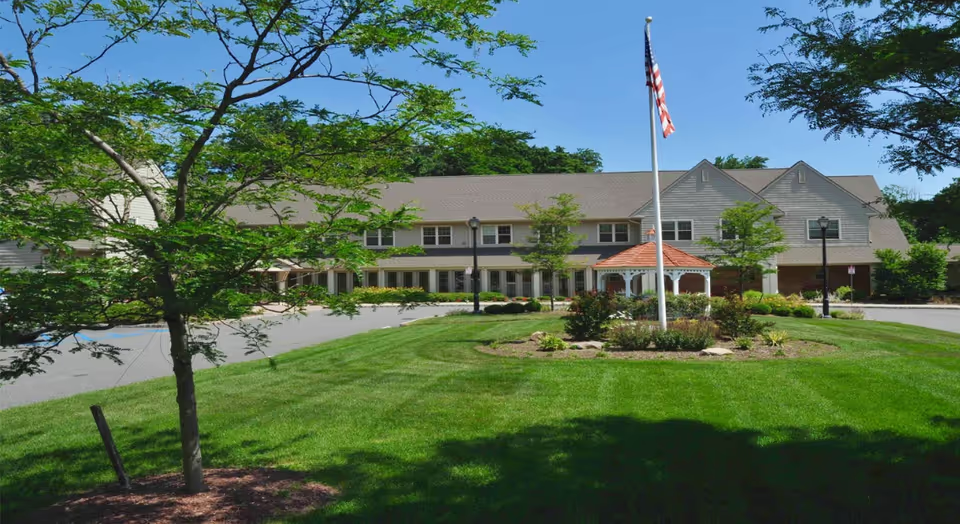
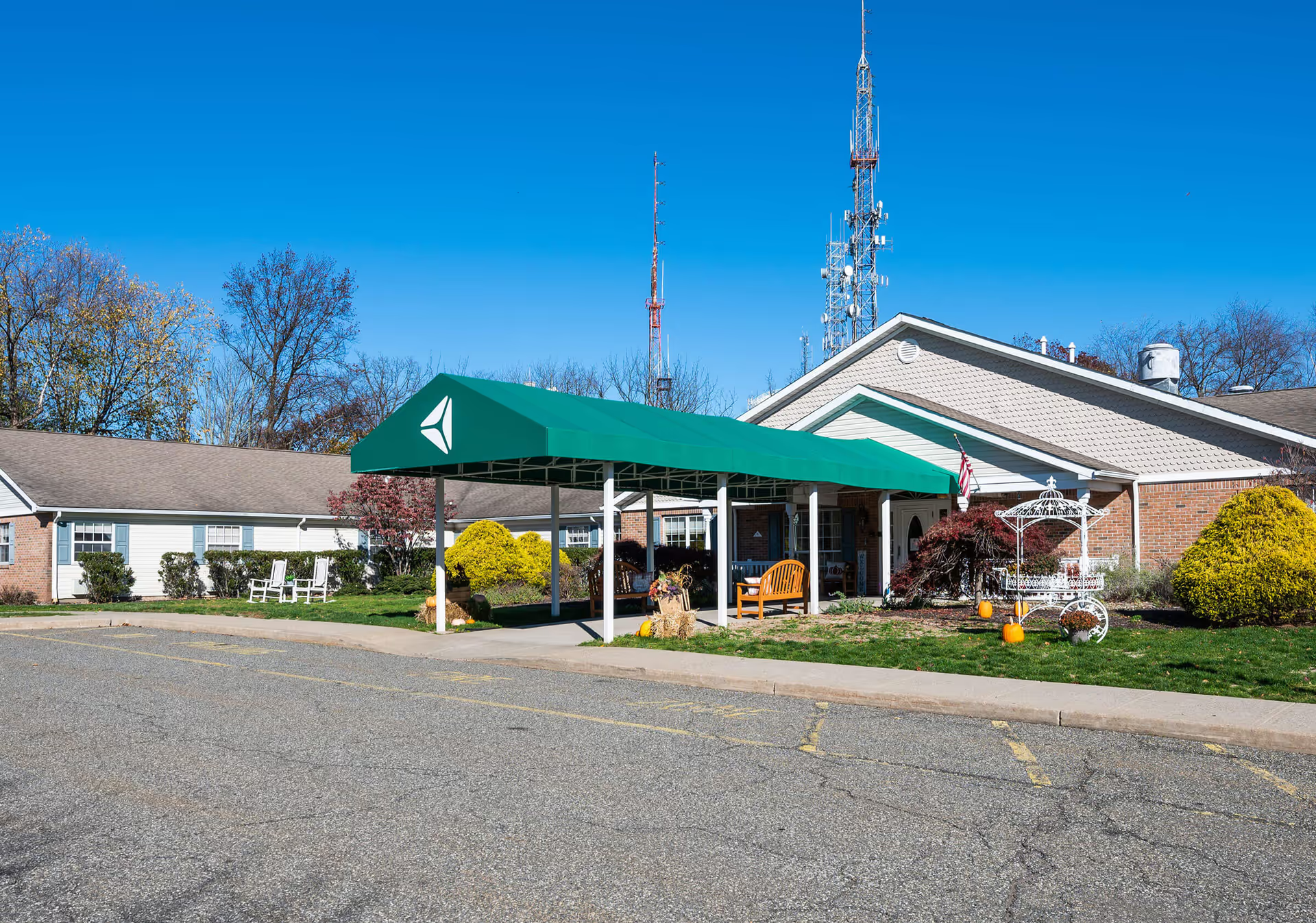
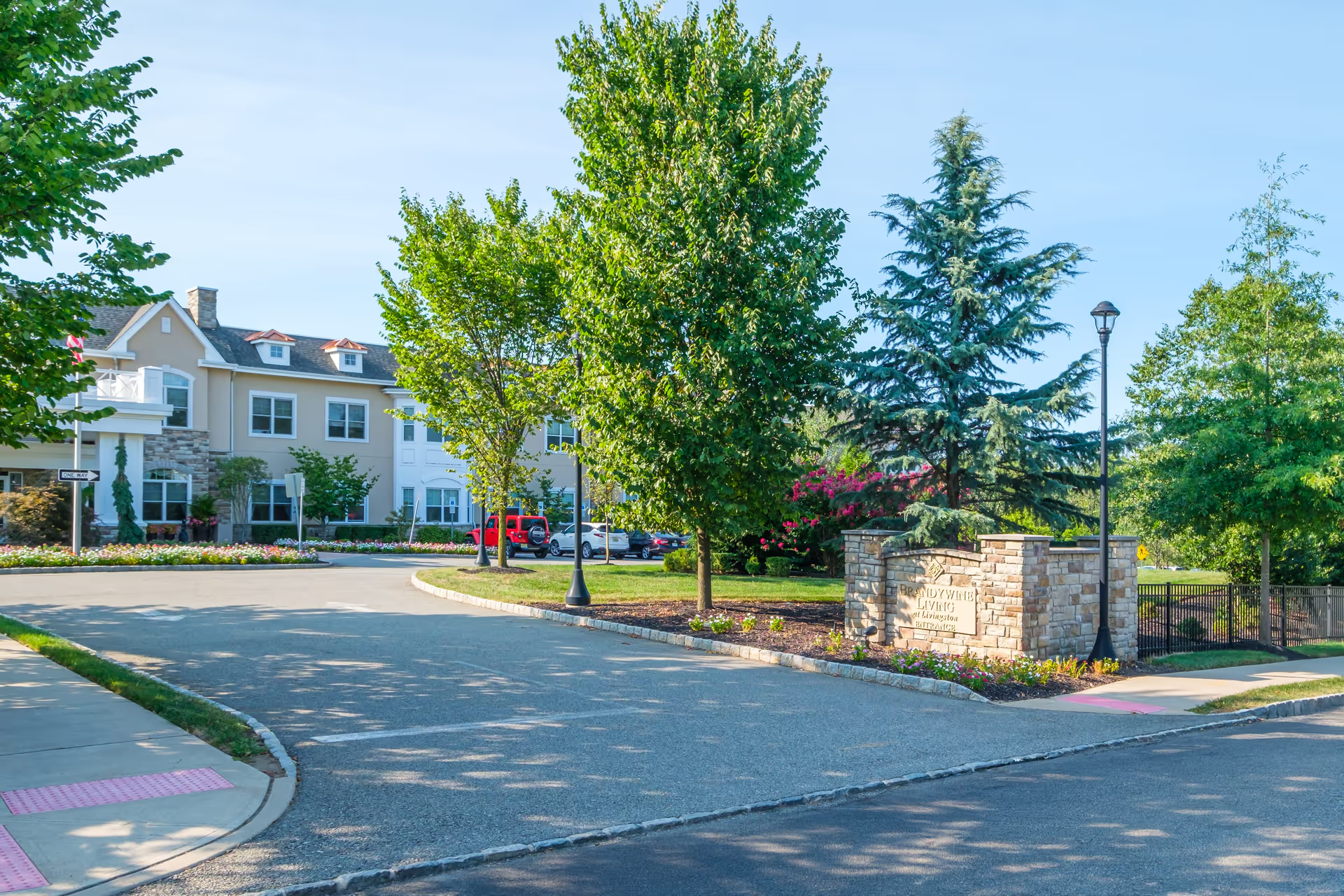
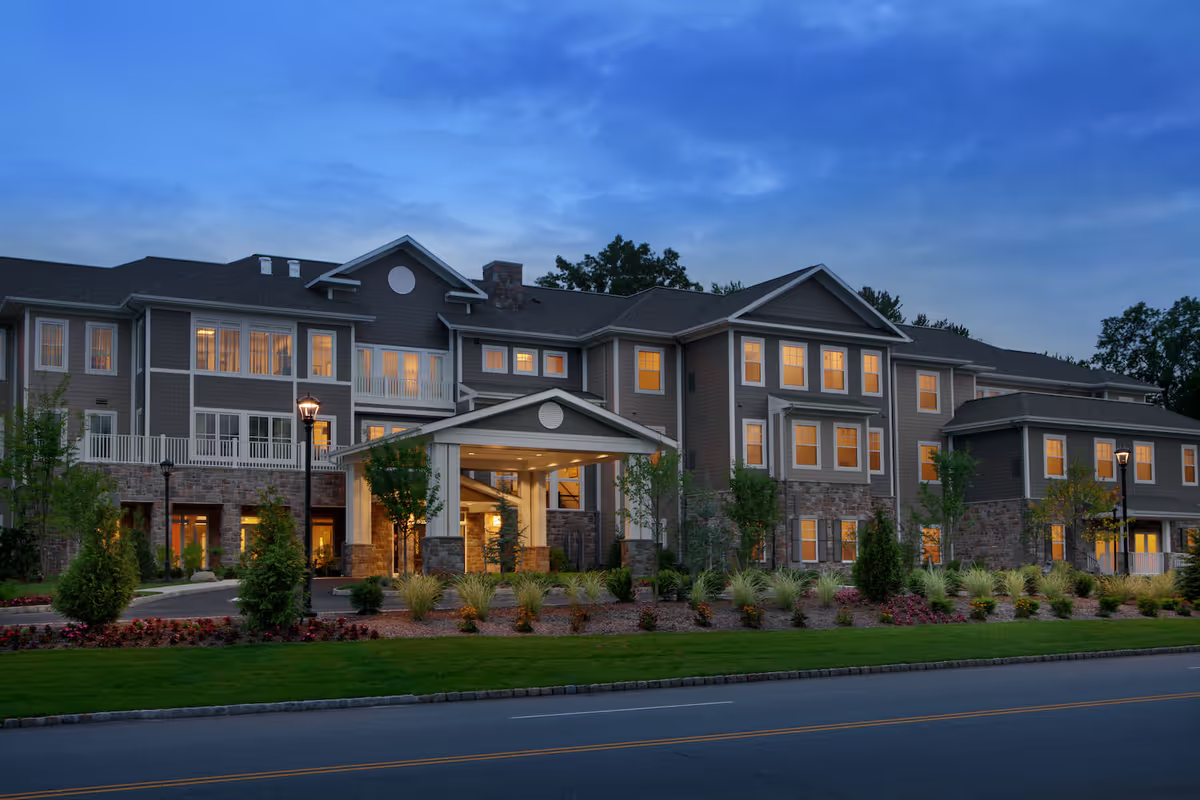
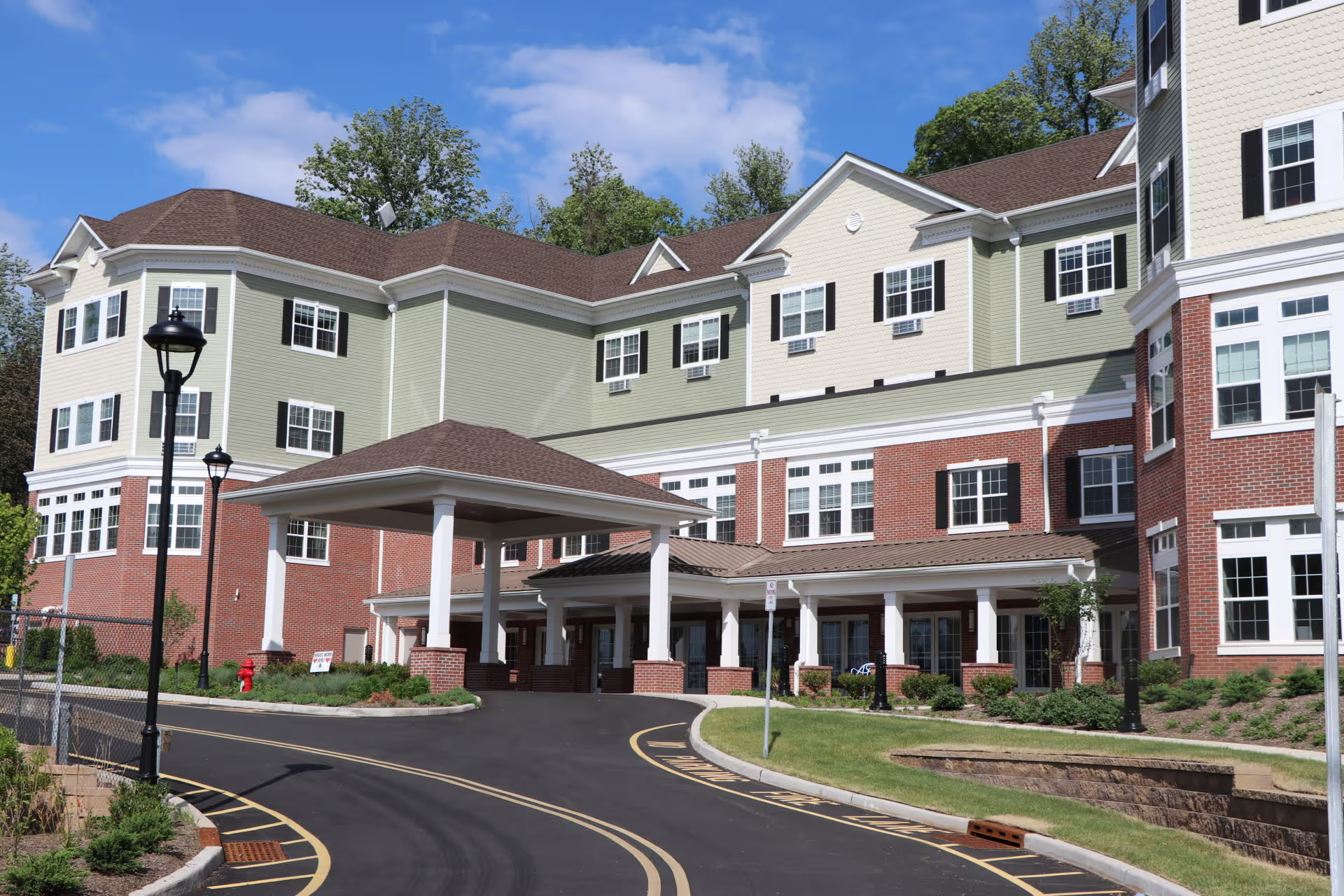
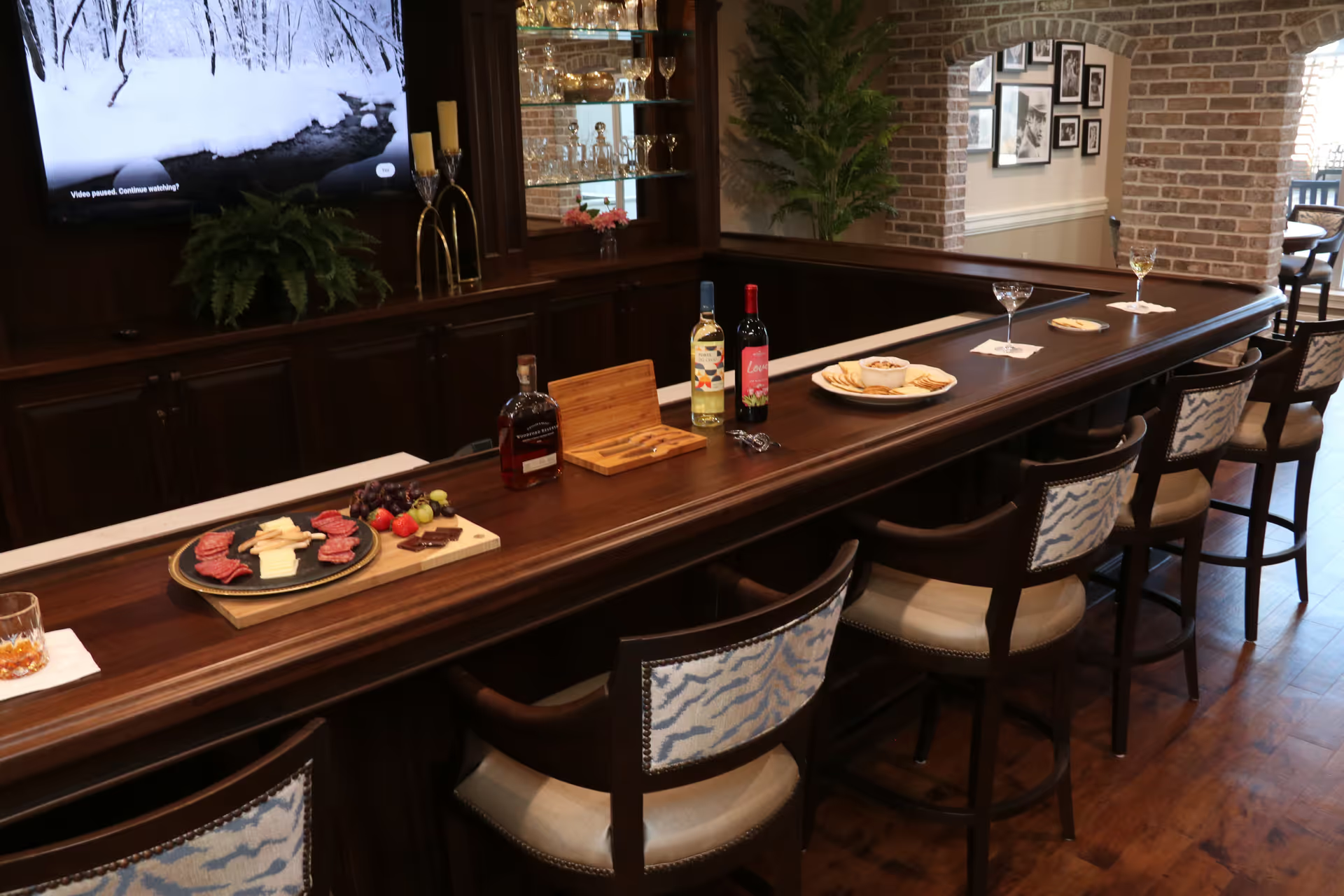
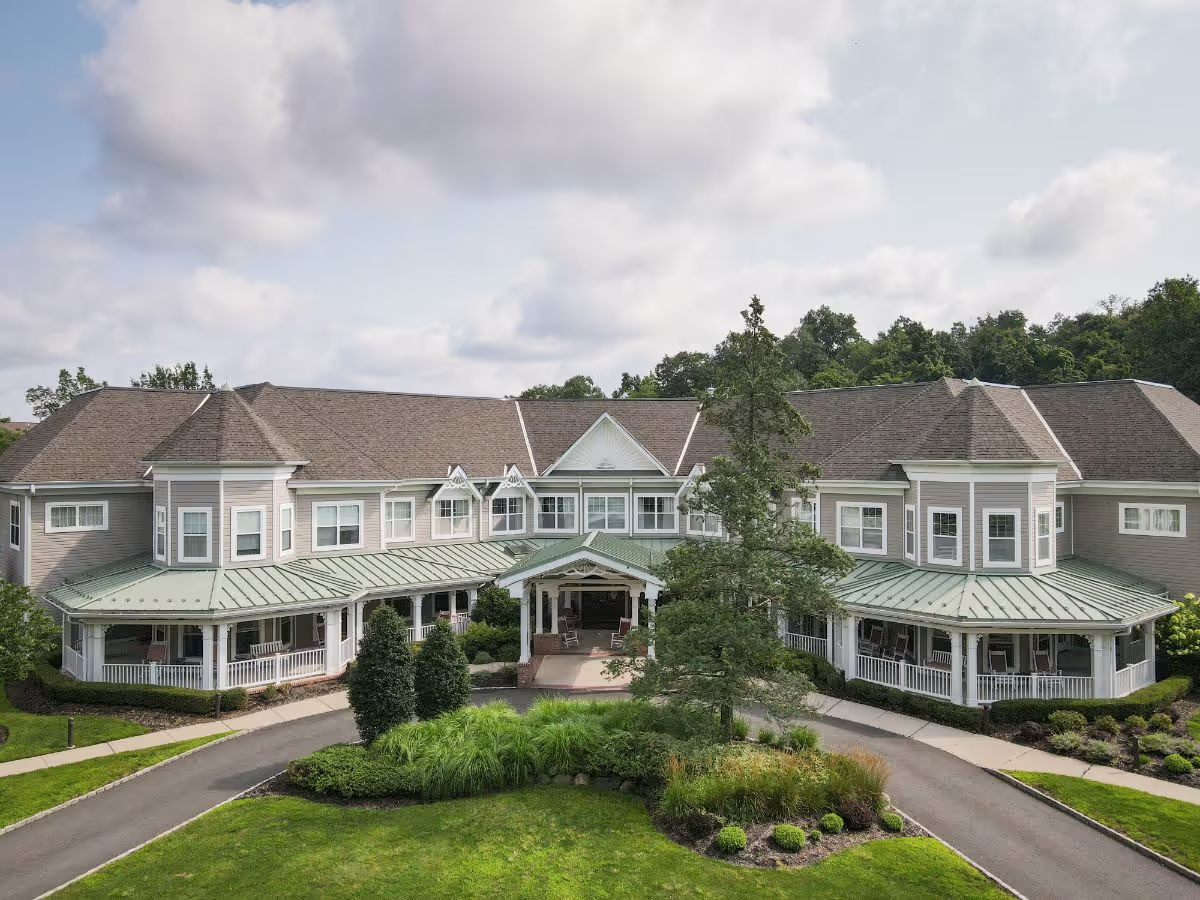
Facility condition and dining also show divergence across reviews. Many visitors praise clean, comfortable common areas and note ongoing renovations that are improving the environment. Conversely, other reviewers cite sanitation and maintenance weaknesses, pest-control concerns in particular areas, worn furnishings, and broken room items that were not promptly repaired. Dining feedback ranges from enthusiastic praise for special-event menus to criticisms of unappealing everyday meals; this suggests variable meal quality and occasional reliance on outside food delivery.
Management and administrative responsiveness are portrayed as inconsistent. Positive accounts describe accessible leadership and helpful social-work support, while negative accounts describe slow or unresponsive management, limited weekend coverage, and concerns about accountability after adverse events. A small number of serious individual allegations — including concerns about wound care, falls, and escalation to hospital settings — were described; these prompted some families to pursue formal complaints or transfers. Given the gravity of such incidents, prospective families should ask for documentation about clinical-incident processes, staffing ratios, medication-safety protocols, and recent inspection or corrective-action history.
Overall, the facility appears to offer strong person-to-person care in many cases, especially when staffing levels and leadership engagement are stable. However, operational variability—particularly in staffing, clinical oversight, housekeeping/maintenance, and consistent meal service—creates an uneven experience. Families considering this center should conduct an in-person tour (including kitchen/common-area inspection), ask targeted questions about staffing ratios, therapy protocols, medication-safety measures, pest-control programs, weekend social-work availability, and how the facility handles clinical escalations and family communication. These specific inquiries will help determine whether the facility’s strengths align with an individual resident’s needs and risk profile.