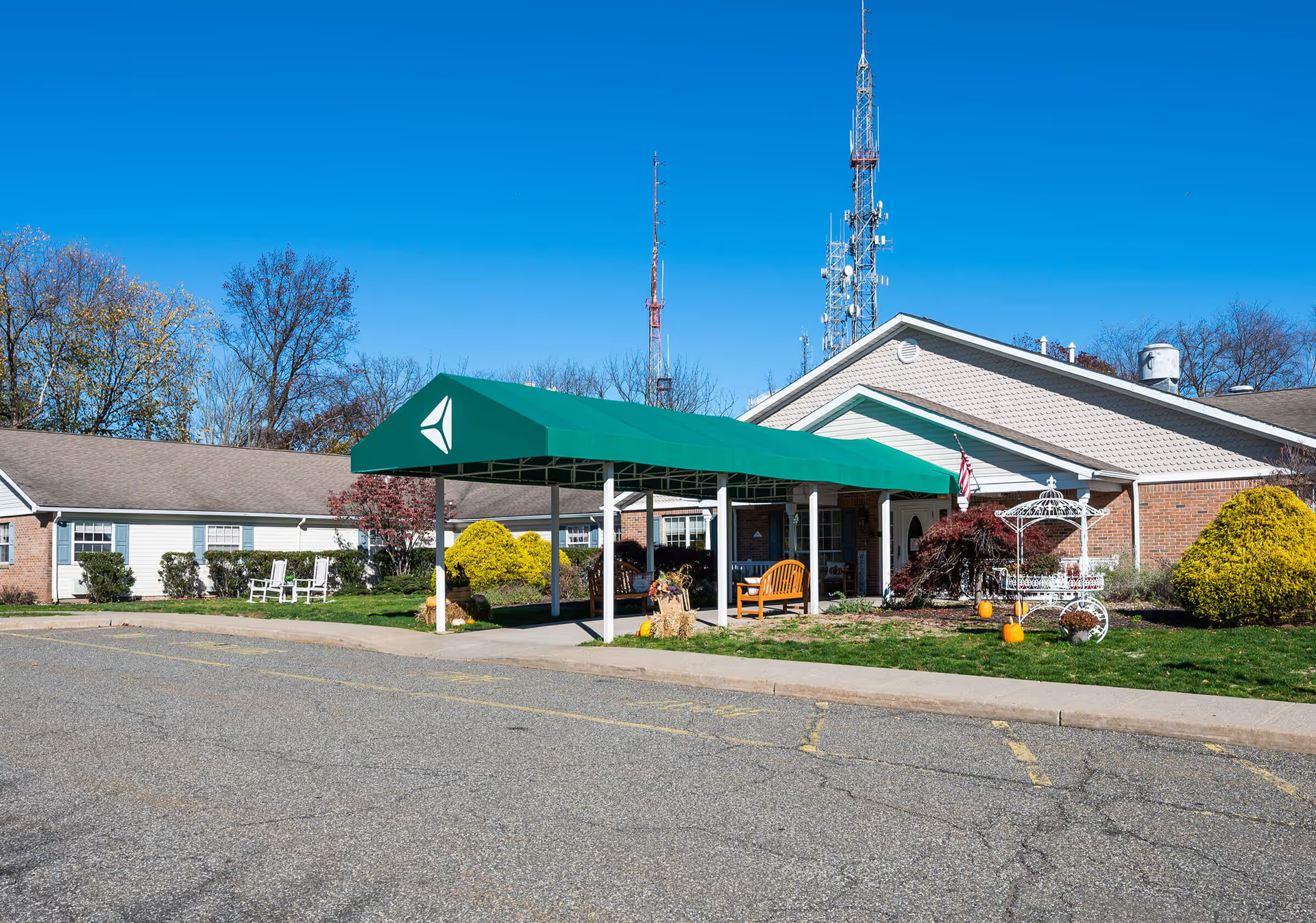
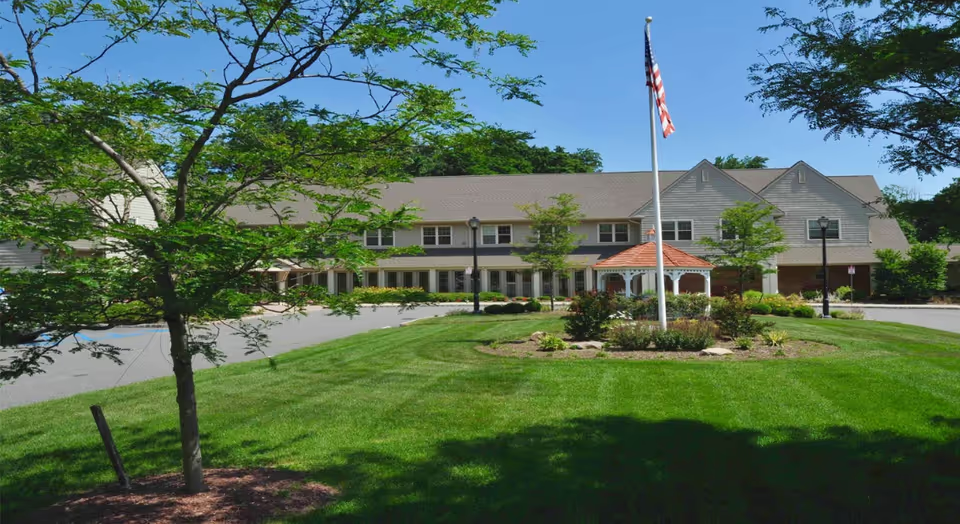
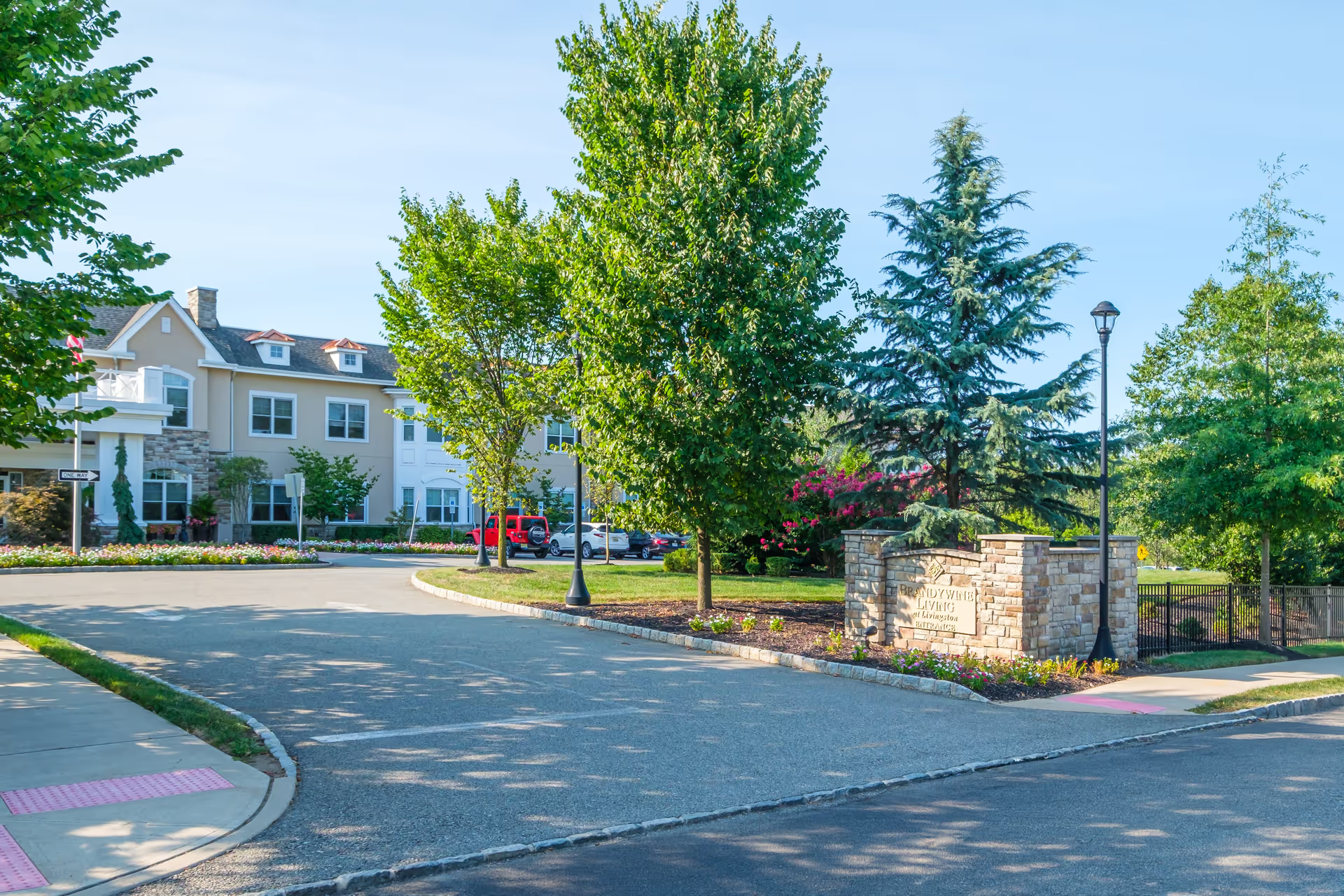
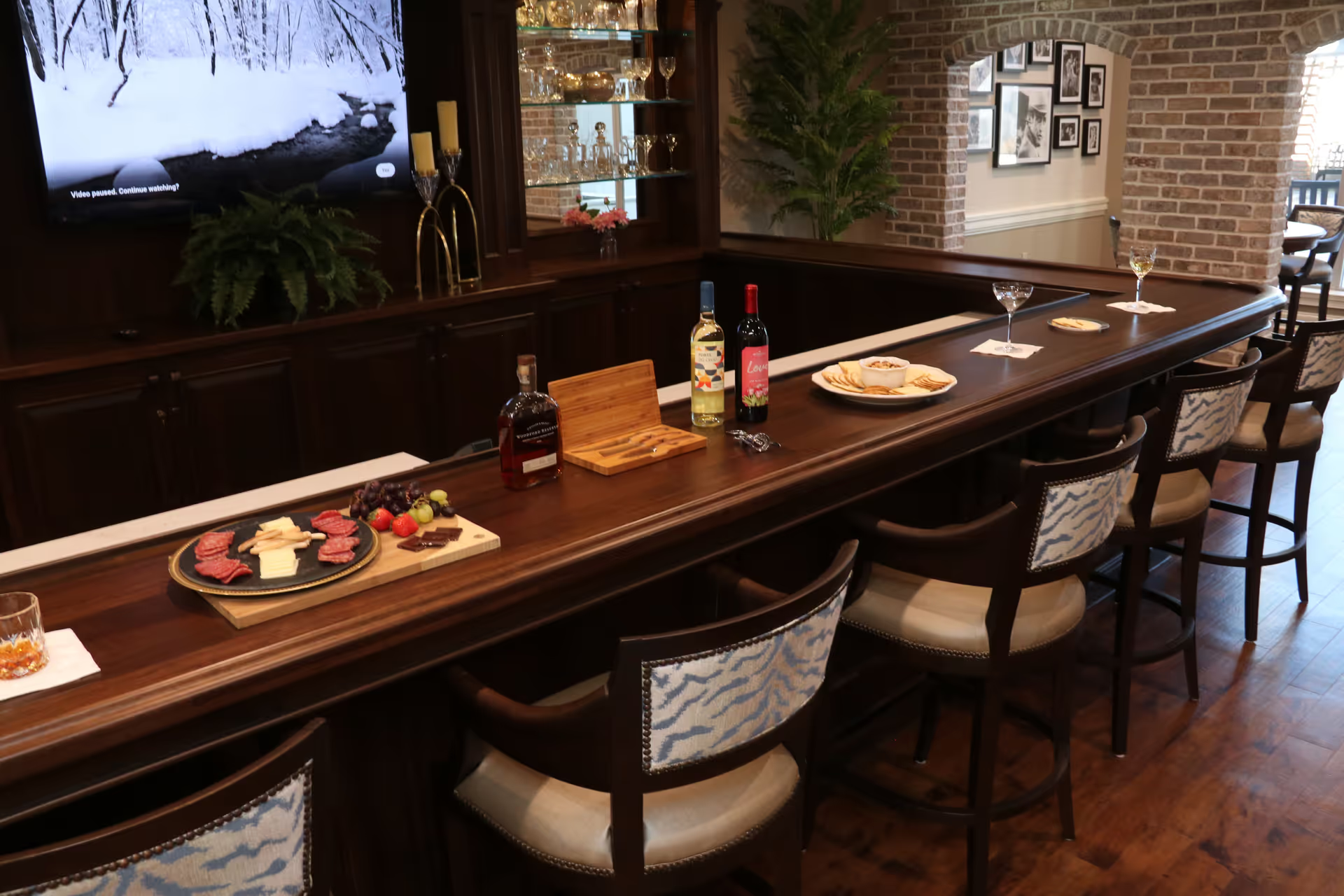
Branch Brook Park Manor presents as a small, family-owned assisted living community with a clubhouse-style, welcoming atmosphere. Reviewers consistently describe a clean, comfortable environment with private-room options, home-cooked meals, and easy access to public transportation. The community emphasizes dementia-focused approaches and describes programming that includes art, music, and social/therapy-style activities; a planned daycare center was also mentioned as part of future programming.
Clinical support is a clear strength for residents with low to moderate care needs. The facility has on-site registered nursing, aides dedicated to bathing and ADL assistance, daily cleaning, and separate laundry services. Several accounts describe attentive, personalized staff interactions and rehabilitation-like benefits (improved mobility for some residents), indicating strengths in hands-on, individualized care. Families also noted a communicative administrator and a small, caring staff that fosters a homelike feel.
Dining and social programming are prominent positives: an on-site cook provides home-style meals and staff organize social clubs and therapeutic activities. The environment is described as social and comforting, with residents often characterized as friendly and welcoming. These elements support engagement for residents living with cognitive impairment and contribute to the community’s perceived value proposition.
Operational limitations and concerns are also present. The community appears better suited to residents who require low-to-moderate assistance rather than high-acuity or heavy nursing care; reviewers admonish that it may not be ideal for those with advanced medical needs. Staffing levels are described as small, with limited coverage at times, which raises questions about sustained responsiveness and day-to-day supervision for higher-need residents. Several comments pointed to concerns about medication management and resident alertness, and others raised issues about lighting and ambience in some interior spaces.
Practical considerations include accessibility limitations (multiple stairs) and instances of shared-room crowding. Some families contrasted the facility with more modern alternatives and noted perceived increases in pricing and opacity around billing and owner communications. While administration is described as communicative by some, there are also concerns about billing transparency and management practices that prospective families should clarify during a visit.
Overall, Branch Brook Park Manor may be a strong fit for prospective residents seeking a clean, small, dementia-aware community with personalized attention and an affordable price point. Prospective families should assess fit by asking specific questions about staffing ratios and coverage, medication-management protocols, room occupancy options, accessibility for mobility-limited residents, and recent billing practices. An in-person tour focused on lighting, communal spaces, and staff availability during peak periods will help determine whether the community meets an individual resident’s clinical and lifestyle needs.