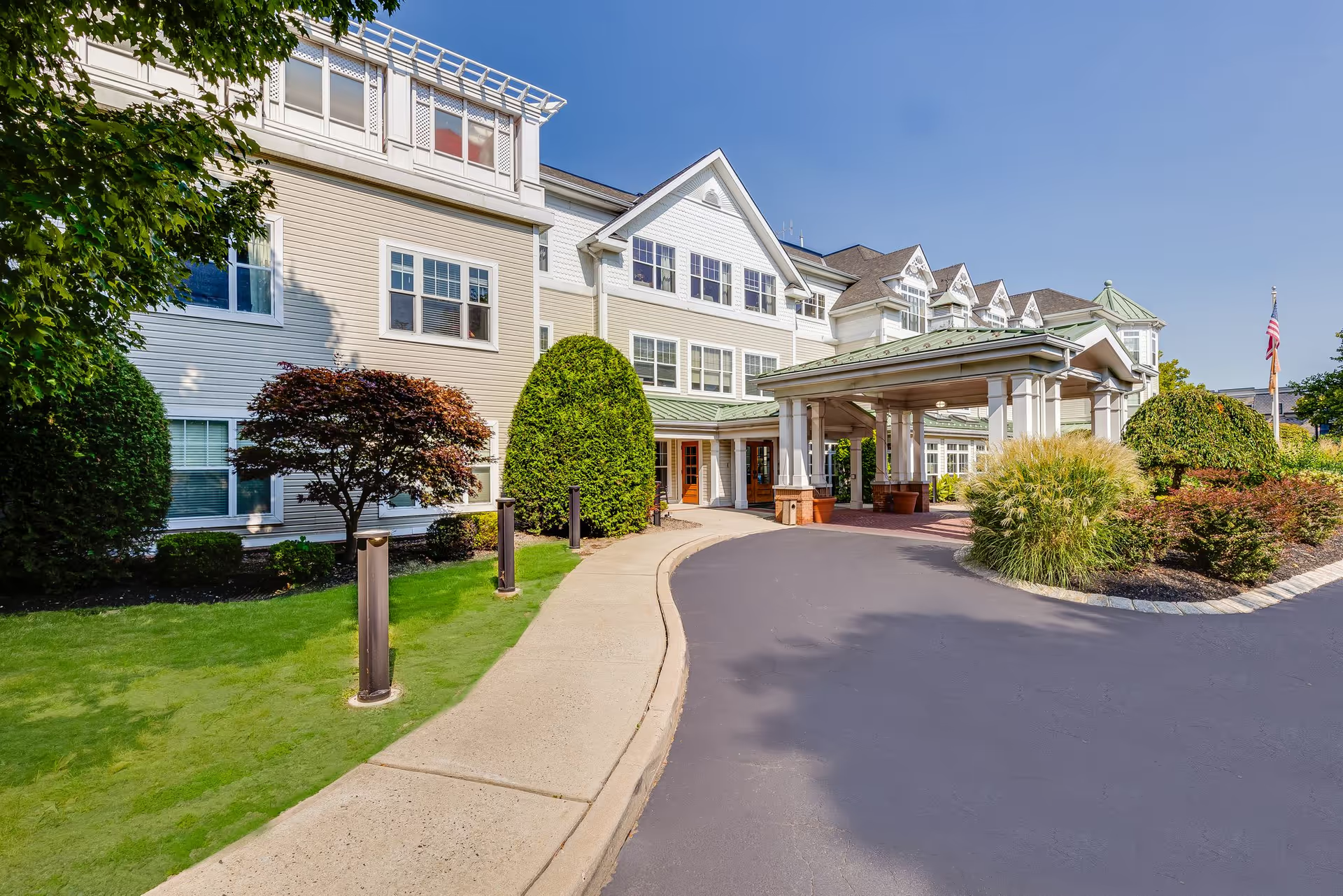
Harbour View Senior Living Community generates distinctly mixed but thematically consistent feedback. Its strongest and most frequently cited asset is the caregiving team: licensed nurses, directors of nursing, and direct-care aides receive consistent praise for compassion, accessibility, and individualized attention. Many families describe clear communication from nursing and admissions staff, hands-on owners who have engaged with residents, and rehabilitation therapists who support post-hospital recovery. The overall atmosphere is often described as warm, social, and family-like, with ample common spaces, pleasant outdoor areas, and studio/large rooms that many residents find comfortable.
Dining and activities are important parts of the resident experience. Numerous accounts praise the food—nutritious, adaptable to preferences, and often generous—while an active recreation department offers bingo, crafts, singalongs, and holiday programming that many residents enjoy. At the same time, reviewers note variability: some describe limited activity depth beyond staple offerings (for example, heavy reliance on bingo), and others describe occasional declines in meal quality or cold service. Therapy and rehab services are generally seen as responsive and effective when needed.
Operational and facility issues form the principal areas of concern. Staffing instability and periods of understaffing, particularly during ownership transitions or evening shifts, are recurring themes; these dynamics are linked in several accounts to slower response times and inconsistent delivery of routine care tasks. Housekeeping and laundry reliability are inconsistent across reports, and there are sanitation and odor concerns mentioned for specific areas. Reviewers also cite building-system problems—intermittent heating, hot-water outages, and electrical faults—and a pattern of deferred maintenance or cosmetic renovations that do not always align with operational improvements.
Management and administrative processes show a clear split in experience tied to ownership changes. Some families note marked improvement under newer, hands-on owners, including better staffing and programming; others experienced disruption during transitions, citing missing mail/paperwork, unclear billing, and opaque fee practices. Safety and supervision for residents with cognitive impairment is another operational weakness raised: concerns include insufficient monitoring of residents who wander or strike doors, and vehicle vandalism/safety incidents in the community environment.
Taken together, Harbour View presents as a facility with considerable strengths in direct care, communication, and social programming, and with physical accommodations that many residents find comfortable and attractive. At the same time, prospective residents and families should investigate the facility’s current staffing patterns, observe housekeeping and dining service at different times of day, verify building-system reliability, and obtain clear, written billing and medication-management policies—especially if considering a move during or shortly after an ownership transition. Unannounced visits and direct conversations with nursing leadership can help assess whether the operational weaknesses described have been addressed in the facility’s current phase of management.