Alaris Health at St. Mary’s elicits strongly mixed impressions. Many families and residents describe high‑quality rehabilitation services, compassionate bedside care, and helpful ancillary staff; physical and occupational therapy, wound care, and some social work/patient advocacy services receive particularly positive mention. Admissions, front‑desk procedures, and certain housekeeping/amenity areas are also noted as efficient and welcoming, and several reviews indicate improvements under new management and an active renovation program.
At the same time, there is a consistent pattern of operational concerns that prospective families should evaluate closely. Clinical responsiveness is uneven: reviewers describe delayed responses to call bells, inconsistent monitoring (for example, missed vital checks), and instances where timely escalation to acute care was not perceived as consistent. Relatedly, there are recurring concerns about medication administration and consent practices that suggest the facility’s medication workflows and informed‑consent documentation merit review during any tour or intake discussion.
Staffing and staff conduct are another area of divergence. Numerous accounts praise individual nurses, therapists, aides, and social workers for professionalism and empathy, but other accounts describe understaffing, high turnover, and variable professionalism on certain shifts. Language barriers among some staff and inconsistent communication from leadership, nursing management, or social services are frequently cited; families report difficulty obtaining clear updates and timely notifications about changes in condition.
Food service and dining produce mixed feedback. The dietitian and some meal accommodations receive favorable comments, and some reviewers credit the kitchen with responsive menu planning. Conversely, there are recurring complaints about meal temperature, occasional incorrect meal assignments, and variability in food quality or availability during off shifts.
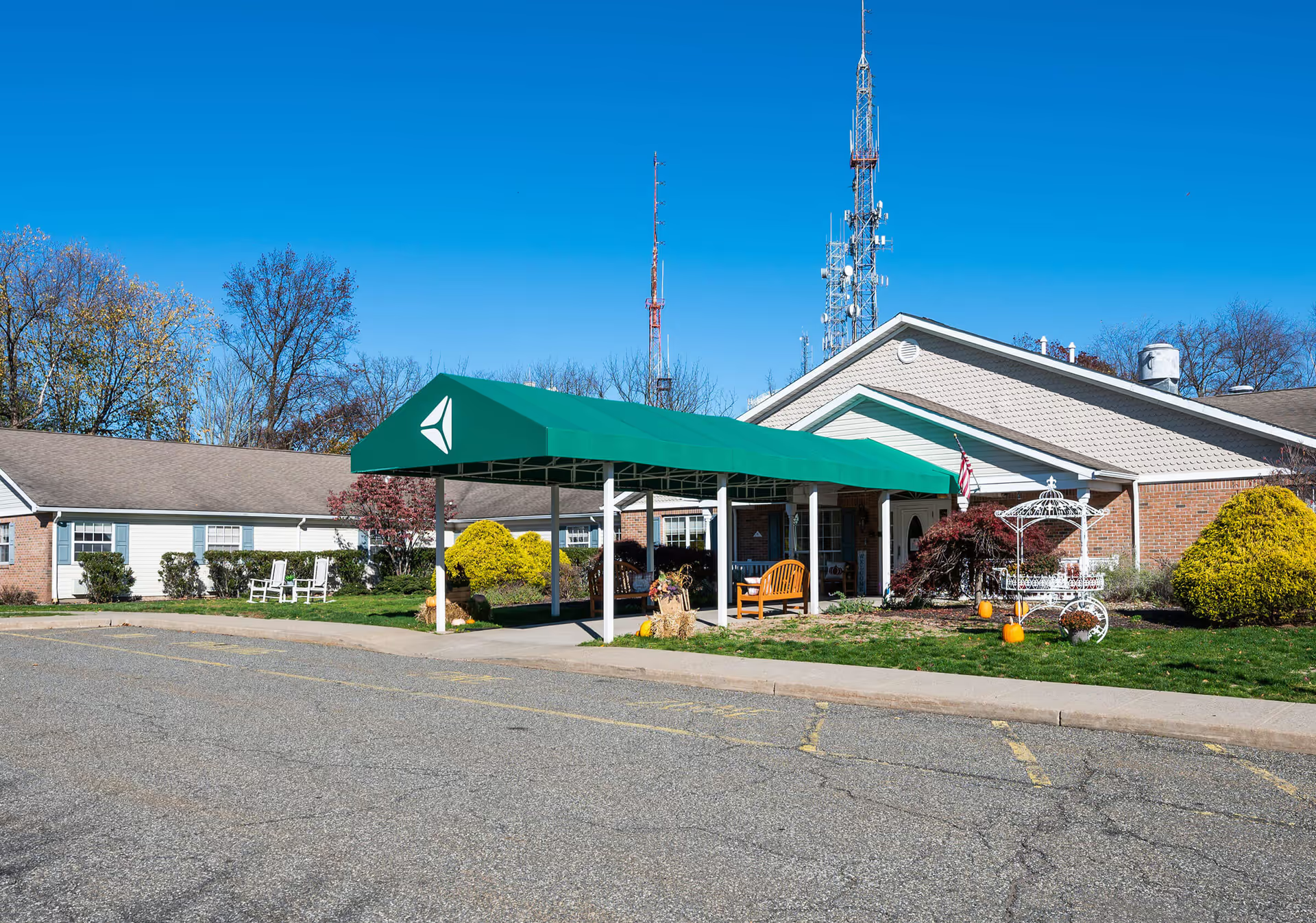
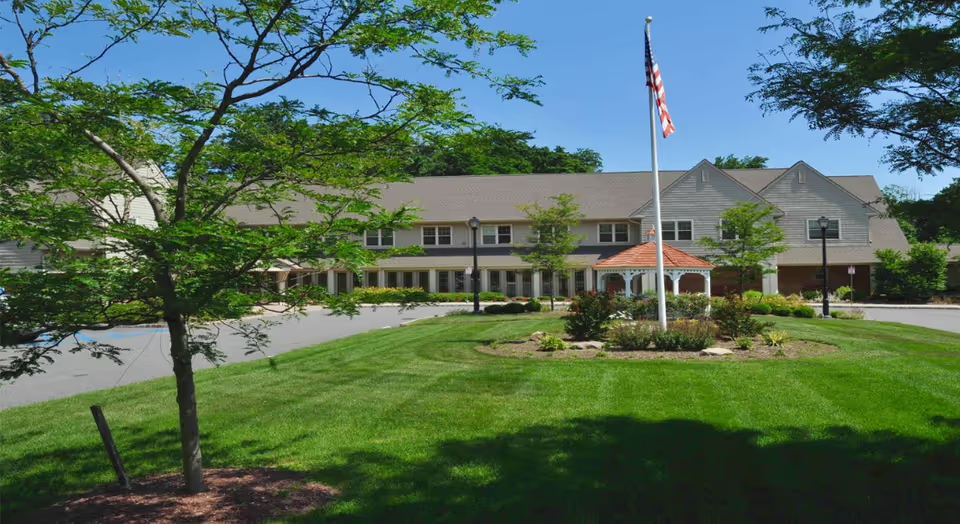
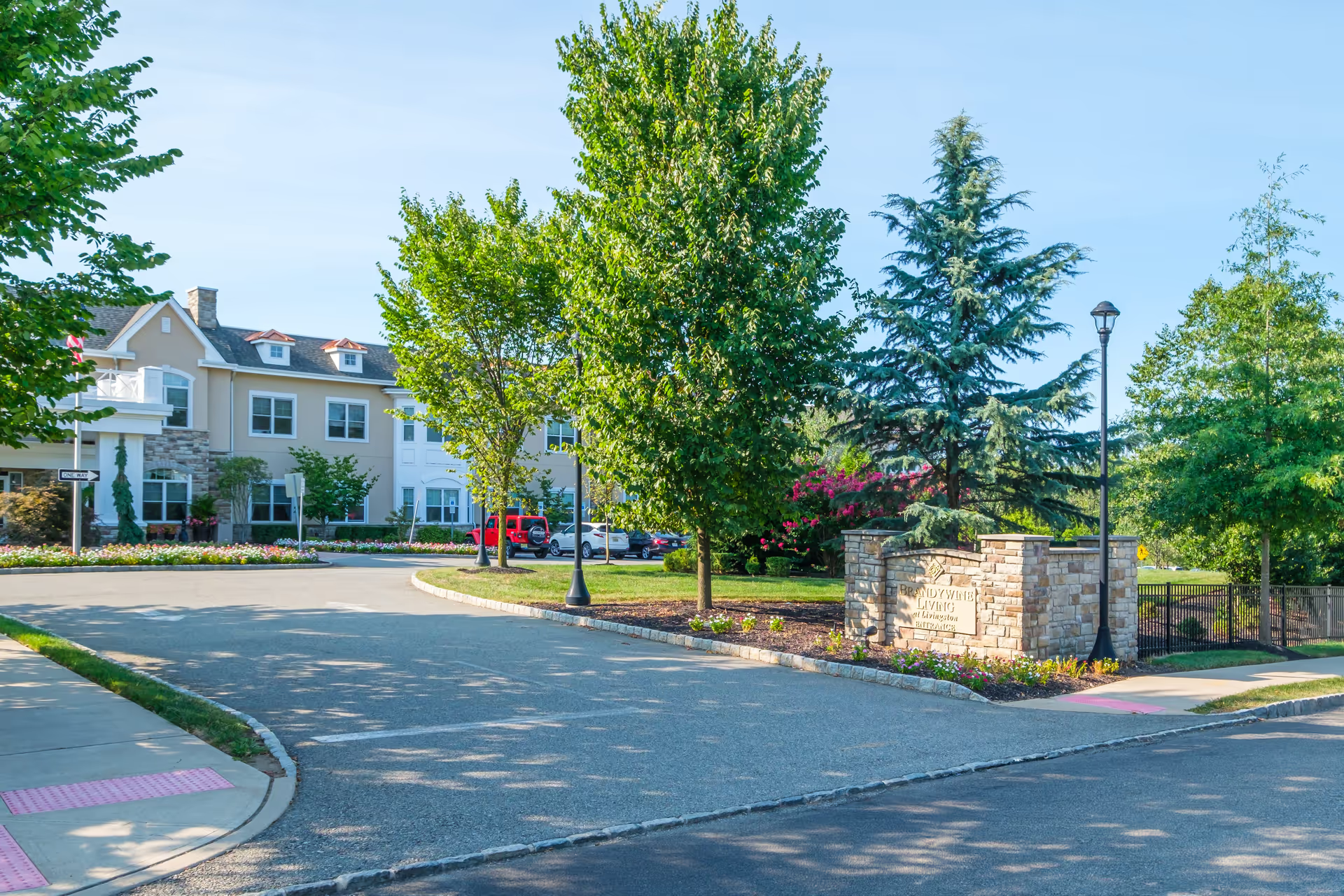
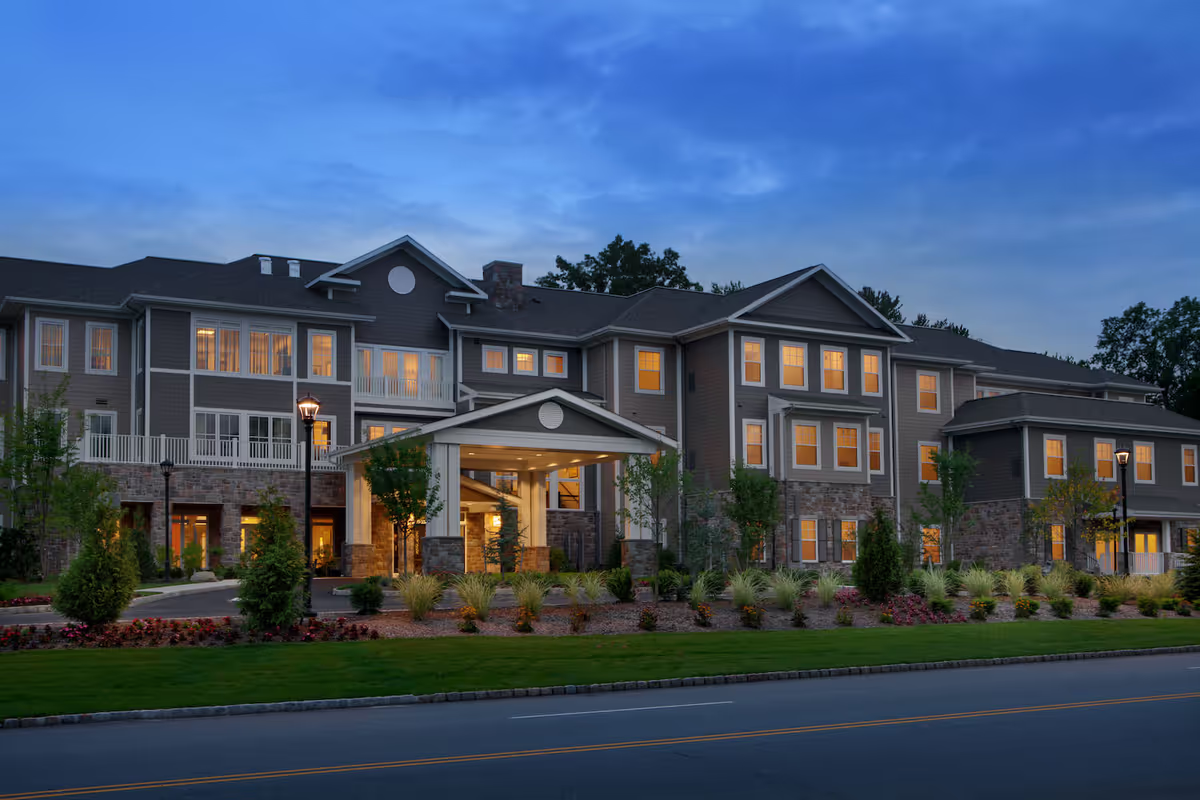
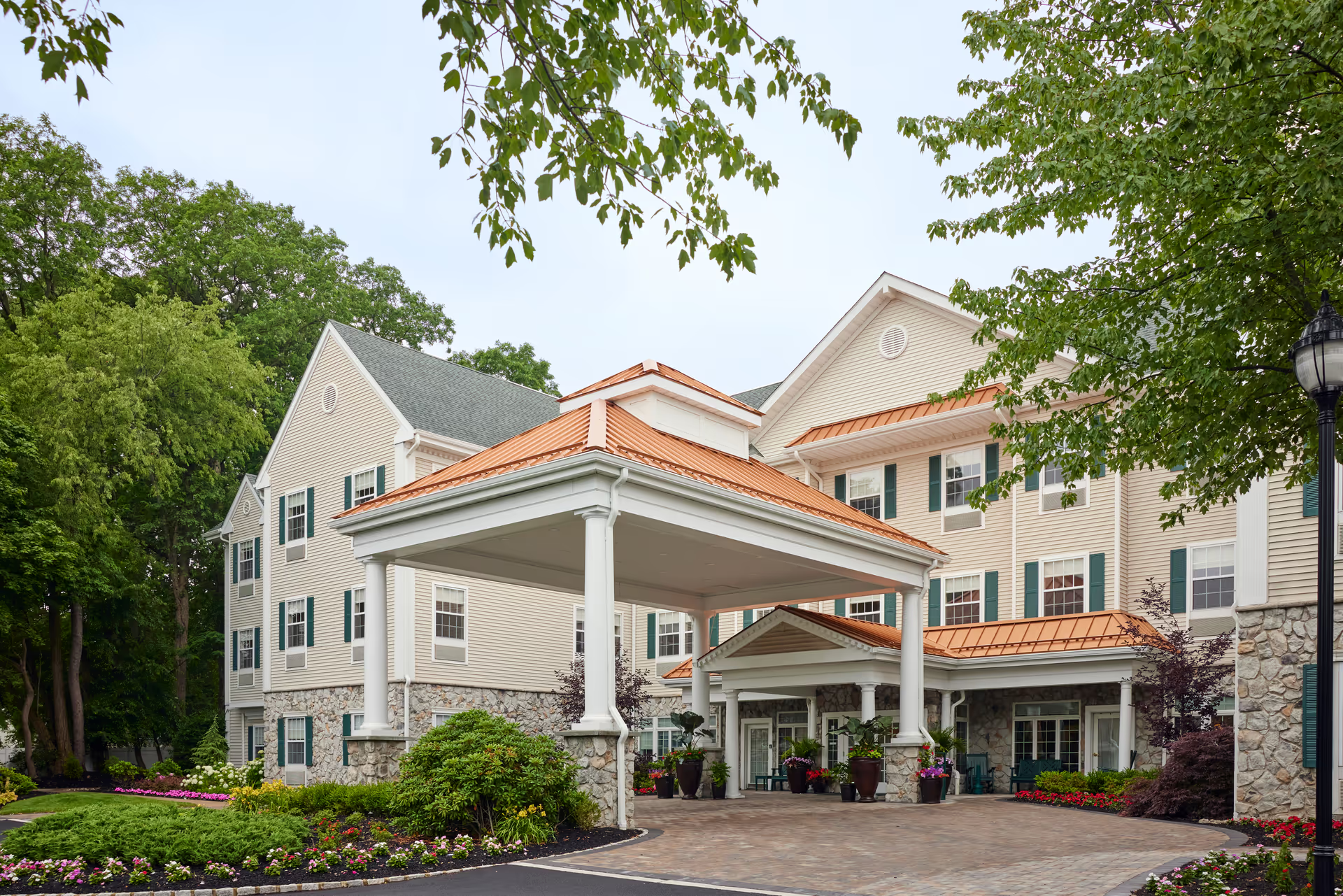
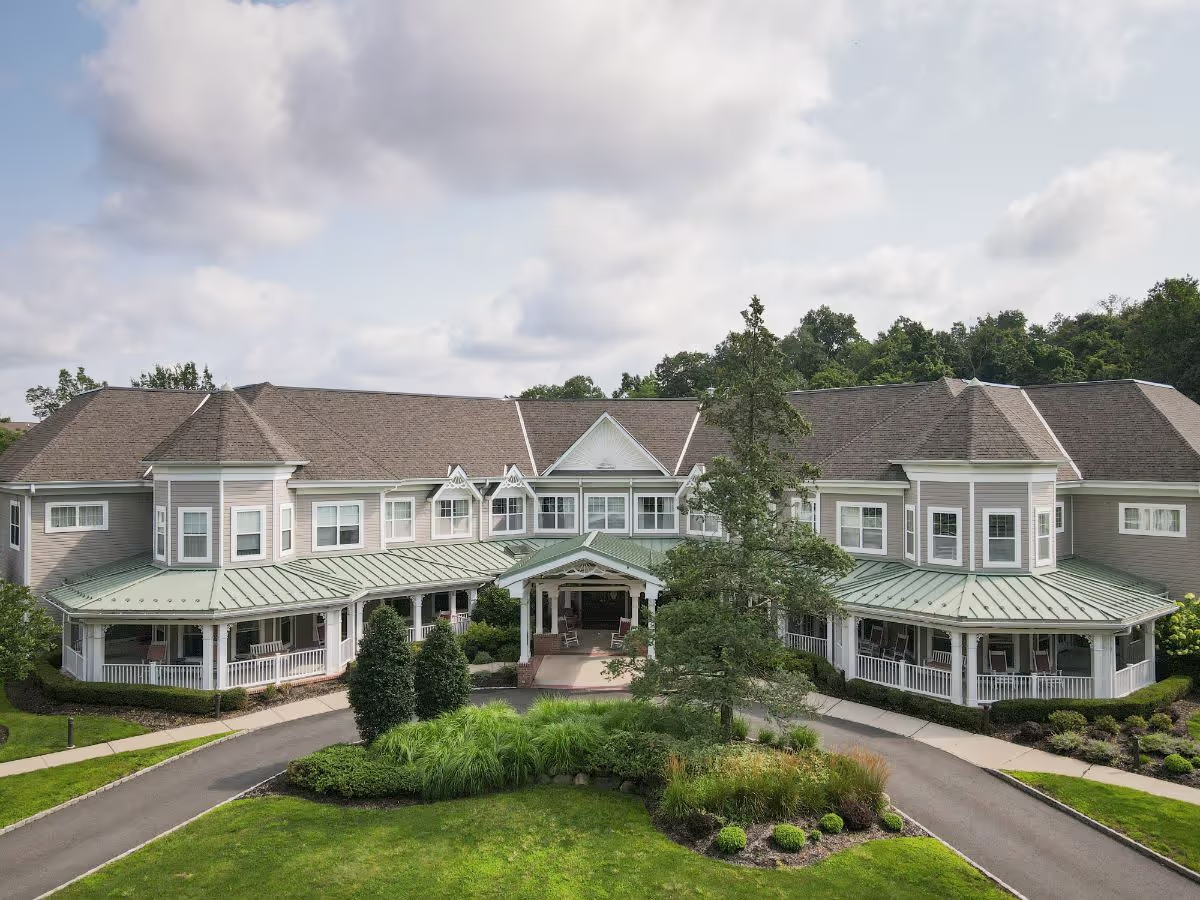
Facility and environmental issues are prominent in the reviews. While common areas, gardens, and certain units are described as clean and bright, other accounts document maintenance deficits: aging rooms, peeling paint, leaking bathrooms, localized mold/rust concerns, HVAC/air‑conditioning problems, safety issues with bed setups and railings, and pest‑control concerns in some areas. These kinds of infrastructure and sanitation issues are operational traits that should be clarified with the facility, particularly around infection prevention, preventive maintenance, and housekeeping protocols.
Management and governance appear to be in transition for parts of the facility. Several reviewers note visible improvements with new leadership and renovation efforts; others raise concerns about inconsistent oversight, poor incident documentation, and, in a few instances, serious allegations related to billing or financial practices and follow‑up after adverse events. There are also recurring observations about restrictive visitation policies during infection‑control events and variability in how those policies are implemented.
Overall, experiences at this facility are polarized: strong clinical and therapy strengths coexist with systemic operational weaknesses in staffing, communication, environmental maintenance, and process controls. Prospective residents and families should conduct a focused tour and ask for current staffing ratios, recent inspection/survey findings, infection‑control and pest‑management records, medication‑administration policies and consent forms, incident reporting procedures, and clarification of any recent management changes. Verifying these operational details will help determine whether the facility’s strengths align with the specific needs and risk profile of the potential resident.