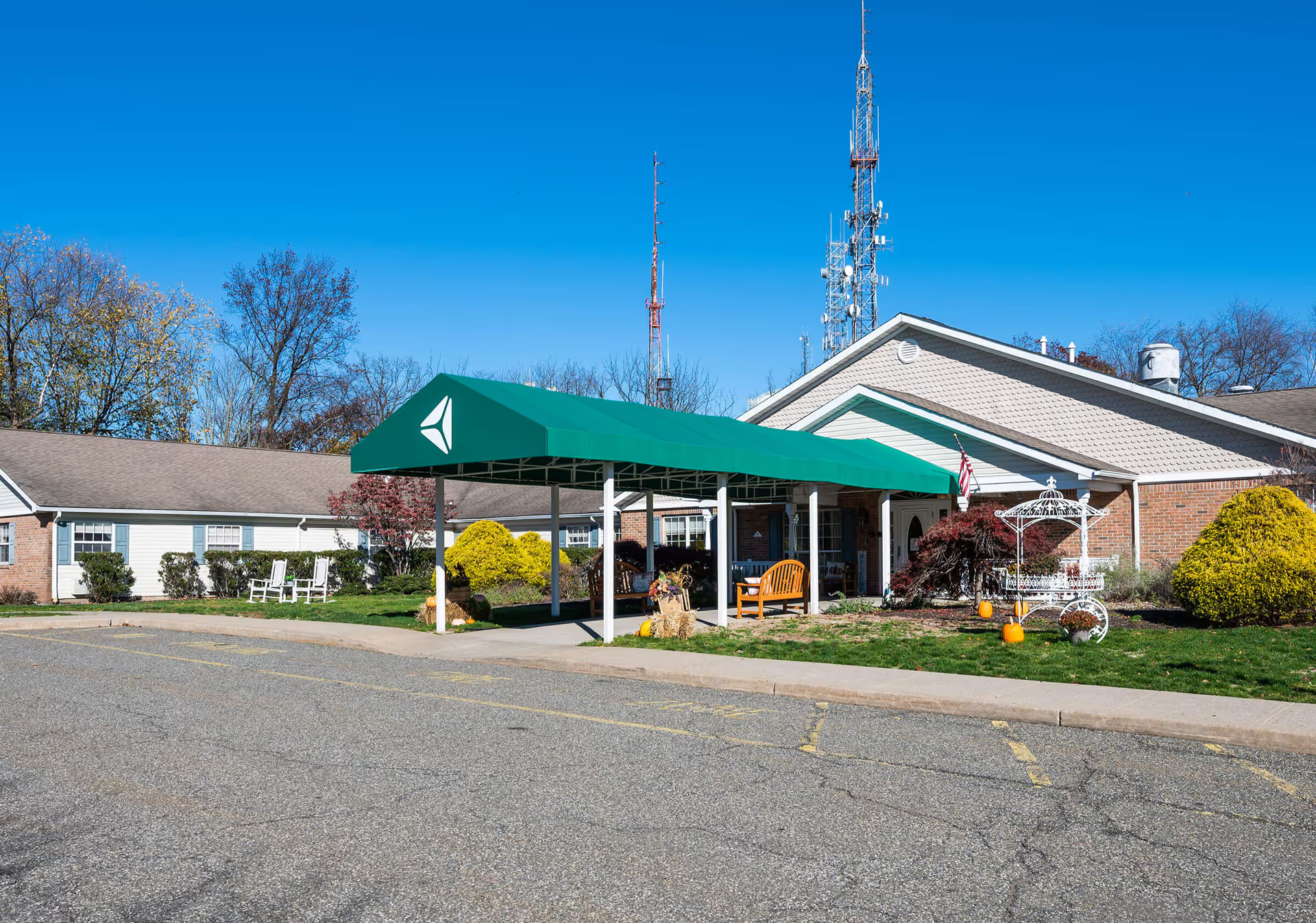
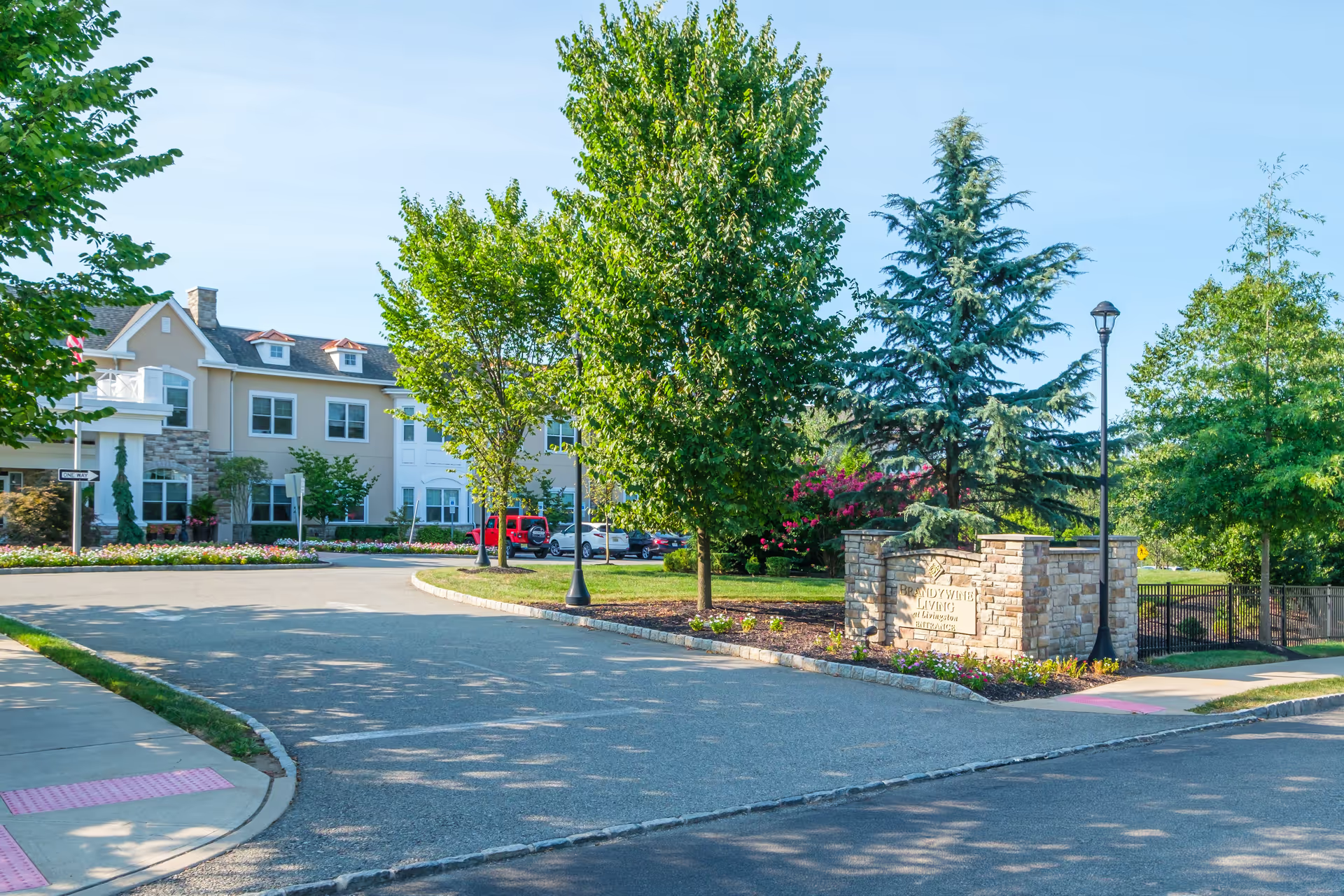
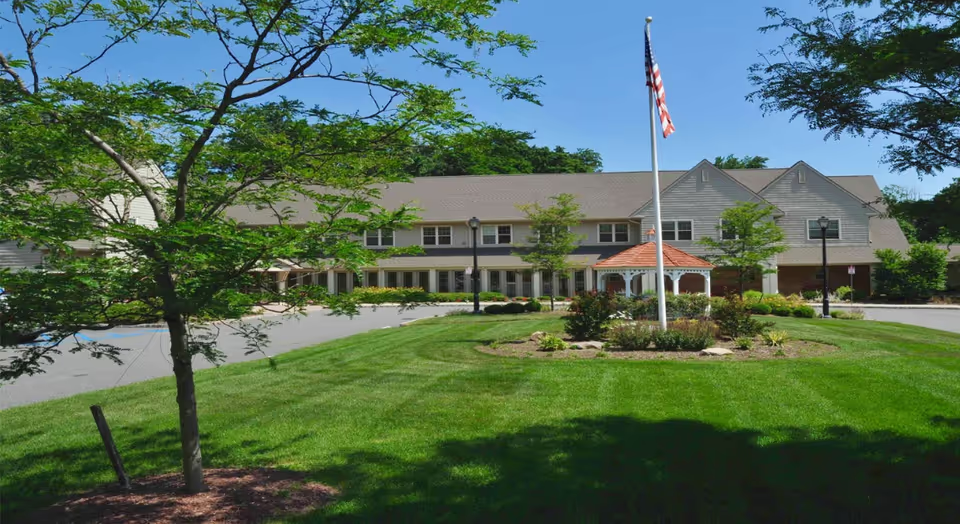
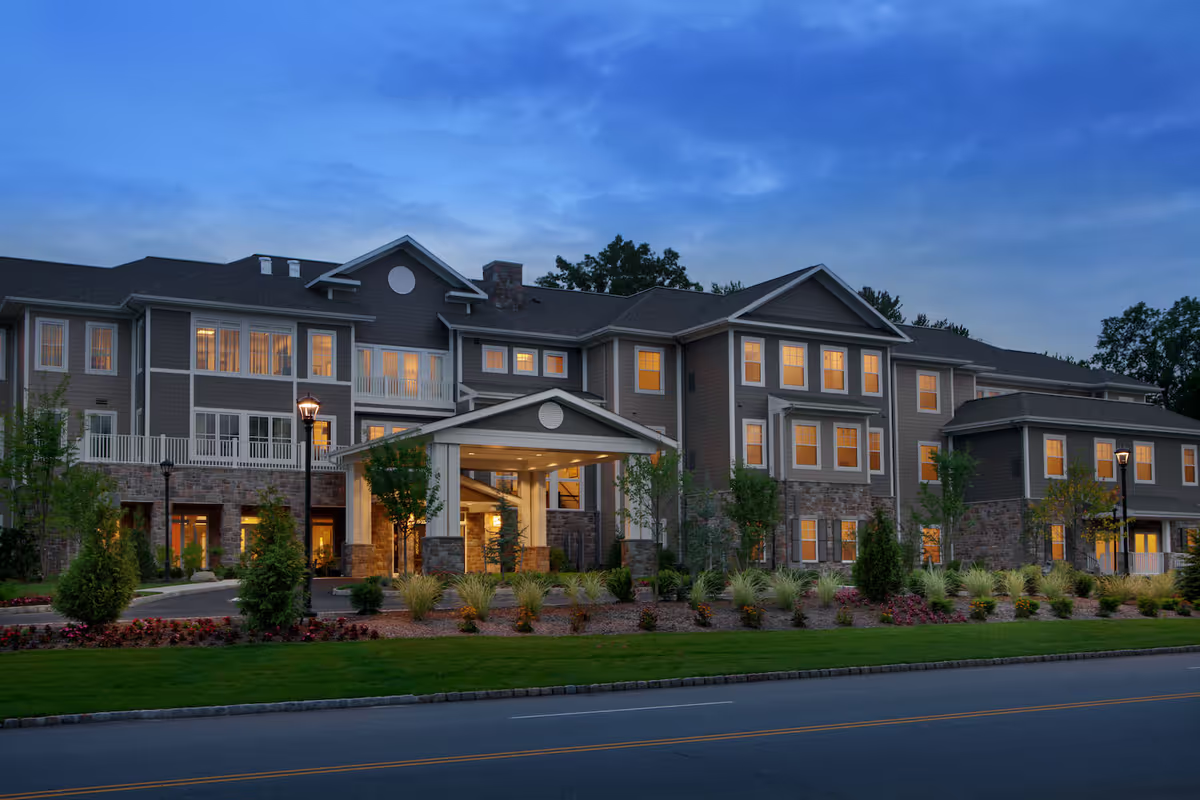
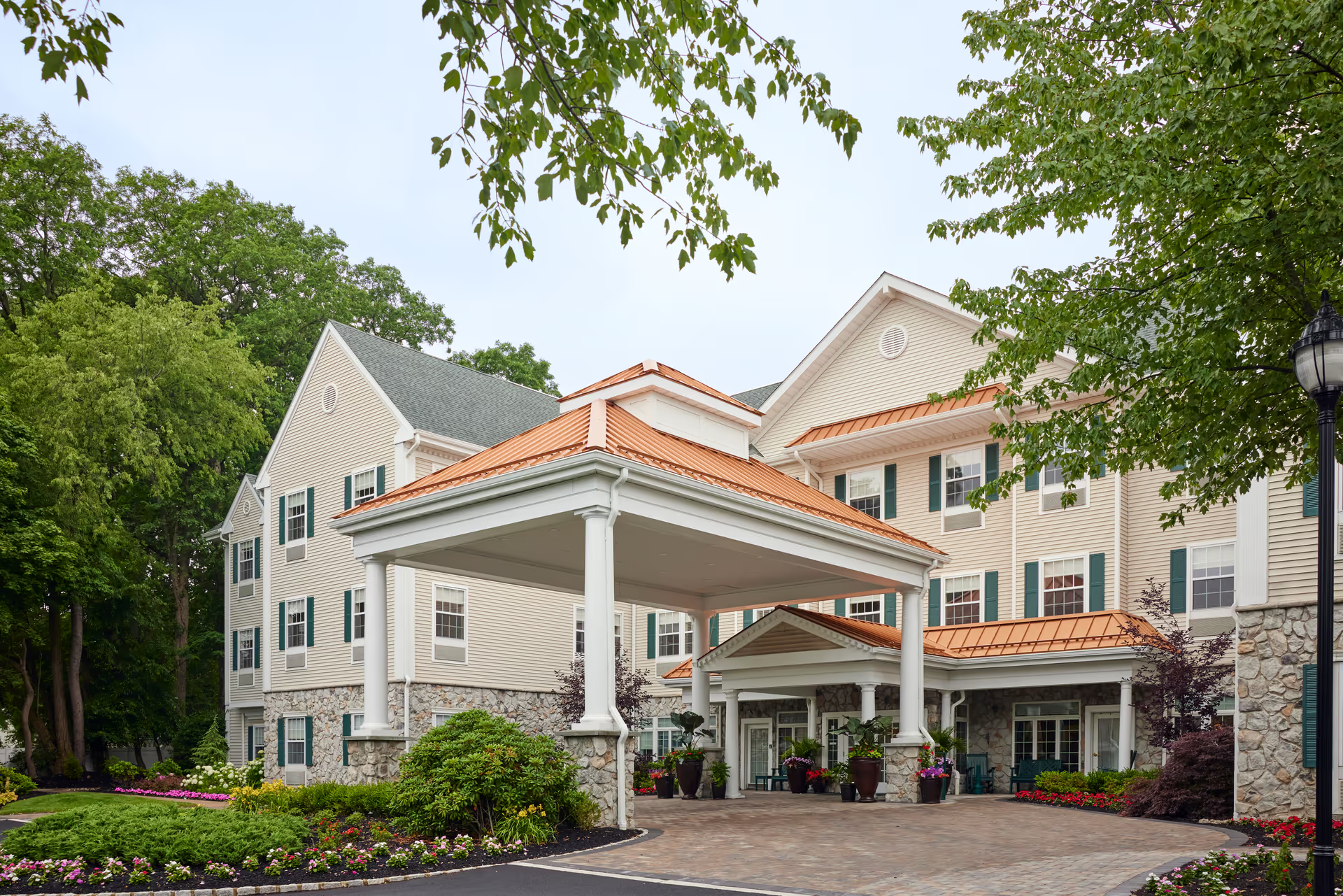
White House Healthcare Center elicits a mix of strong positive impressions and recurring operational concerns. Strengths most consistently described include a caring, attentive direct-care workforce and a robust therapy program: many families highlight effective physical, occupational, and speech therapy that supports measurable rehab progress. The facility’s common areas and grounds are frequently described as clean and well maintained, with pleasant outdoor seating and secure visitor sign-in procedures that help families feel safe during visits. Administrative accessibility and supportive social-work involvement are also noted as assets, as are specific clinical capabilities such as wound care.
At the same time, the reviews reveal notable and repeated areas of concern that prospective residents and families should assess. Dining quality and meal presentation are commonly described as inconsistent, with some family members indicating that kitchen output did not meet expectations. Sanitation and pest-control management appear uneven: while many reviewers praise overall cleanliness, others describe isolated sanitation lapses and housekeeping inconsistencies. Personal-property management is another recurrent operational weakness—families reported missing or mishandled belongings, which points to weaknesses in inventory and transfer protocols.
Care-process gaps are reported in several domains. Reviewers describe variable staff professionalism and responsiveness, including delays in personal care tasks and inconsistent bathing schedules. There are also reports suggesting lapses in medication-administration practices and in clinical communication—examples include delays in pain management and concerns about timing or oversight of medications. Safety-process shortcomings are raised in relation to equipment and transfer practices (for example, bed-rail management and manual lift operation), and there are accounts of transportation safety concerns. Multiple reviewers noted crowding due to shared rooms and the presence of multi-occupancy rooms, which can affect privacy and care logistics.
Communication and management practices are a mixed picture. Many families commend visible, helpful administrators and responsive social workers; however, other accounts describe inconsistent front-office interactions, variable admissions experience, and breakdowns in communication with families during clinical events such as hospital transfers or bed reassignments. Staffing continuity and turnover appear to contribute to uneven care quality in some units, and activity programming engagement is not uniform—recreation is strong in some reports but described as insufficiently engaging in others. Finally, a small number of reviewers raised serious concerns including billing irregularities; those items are presented as allegations and merit direct follow-up with the provider or regulatory authorities.
Practical takeaways for prospective residents and families: the facility demonstrates clear strengths in rehabilitation, direct-care compassion, and facility upkeep, but it also exhibits operational variability in dining, sanitation, property handling, clinical communication, and safety protocols. A focused tour and targeted questions can help clarify how the center addresses these areas: ask to see recent sanitation audits and pest-control records, review policies for property inventories and transfers, inquire about medication-safety procedures and staffing continuity, request sample menus and meal-service procedures, and observe activity programming and shared-room configurations. Those steps will provide a more complete picture of whether White House Healthcare Center’s strengths align with a given resident’s priorities and clinical needs.