Complete Care at Arbors elicits strongly polarized feedback. Many families and former patients praise the facility’s therapy programs, housekeeping, and several individual caregivers, while other accounts highlight recurring operational weaknesses that affect clinical consistency and family confidence.
Care quality and clinical teams: Physical and occupational therapy are frequently singled out as strengths — therapists are described as skilled, persistent, and effective in restoring function. Some bedside nurses and CNAs are characterized as compassionate and attentive, and hospice/palliative staff receive positive mentions for comfort-oriented care. However, reviewers also describe inconsistent nursing availability, especially at night, and recurring delays in medication administration and coordination with pharmacies. There are specific concerns about the facility’s ability to manage complex clinical needs such as ostomy and certain wound-care situations; families describe instances where higher-acuity interventions required transfer back to hospital-level care. Documentation inconsistencies and delayed clinical communication to families are recurring operational themes.
Staffing, responsiveness, and conduct: A dominant pattern across reviews is variable staffing and responsiveness. Call-bell delays, extended waits for pain medication, and limited nighttime supervision are commonly reported. Reviewers note both exemplary individual staff members and broader morale problems; burnout and perceived low staffing levels are cited as contributors to inconsistent care. Some families described problematic staff tone or unprofessional interactions; others emphasized warm, family-like relationships with caregivers. There are isolated, serious claims about administrative conduct; these are exceptional in nature but have led to heightened family concern and, in at least one account, regulatory or law-enforcement involvement.
Dining and activities: Dining receives mixed evaluations. Multiple accounts describe meals as unappetizing, served cold, or inconsistent with dietary restrictions, and some families said they routinely provided supplemental meals. Conversely, other reviewers praise the food as good and the dining staff as attentive. Activities programming is consistently a relative strength: organized events, therapeutic activities, and amenities such as therapy animals are noted as improving resident quality of life and social engagement.
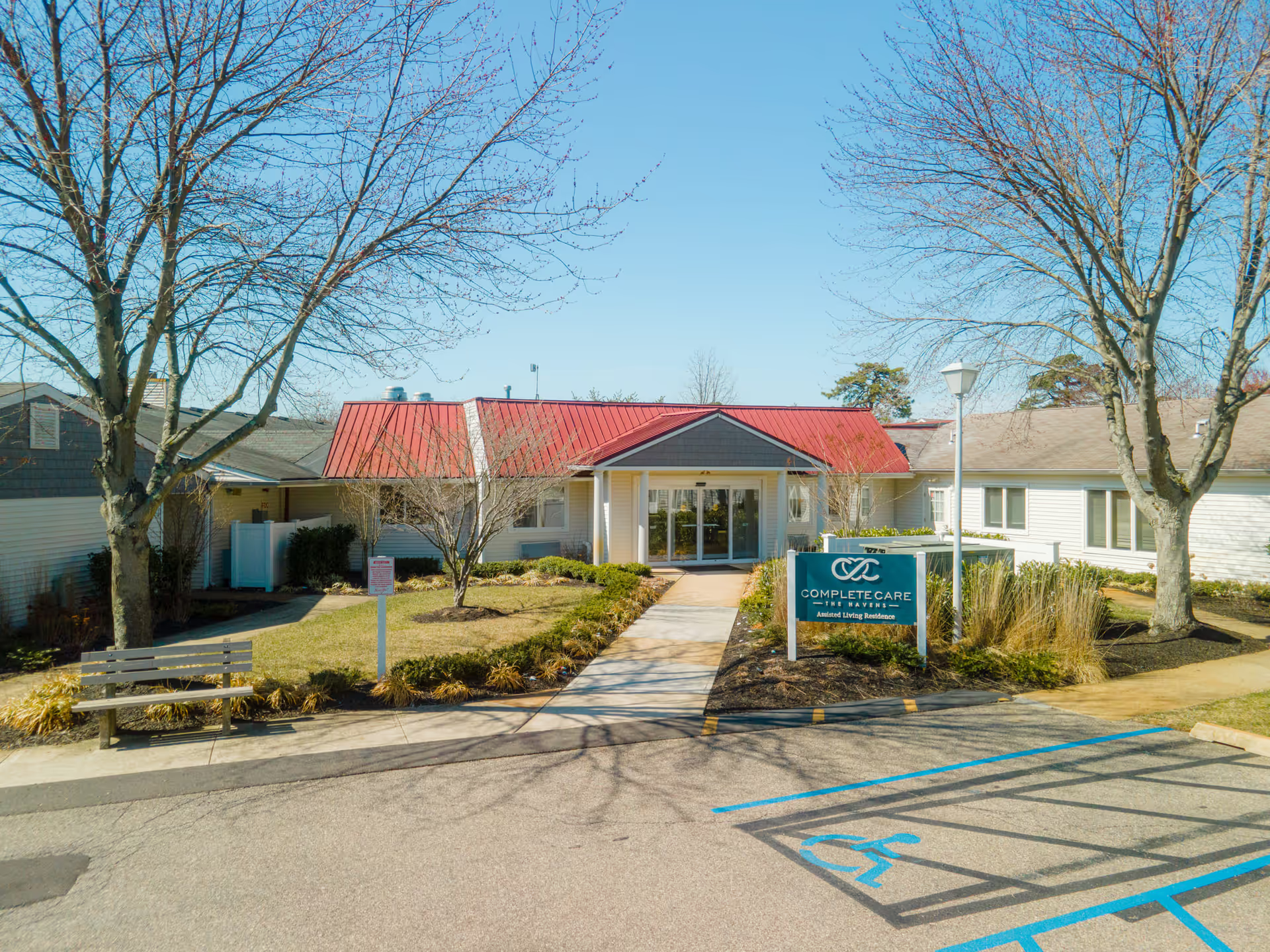
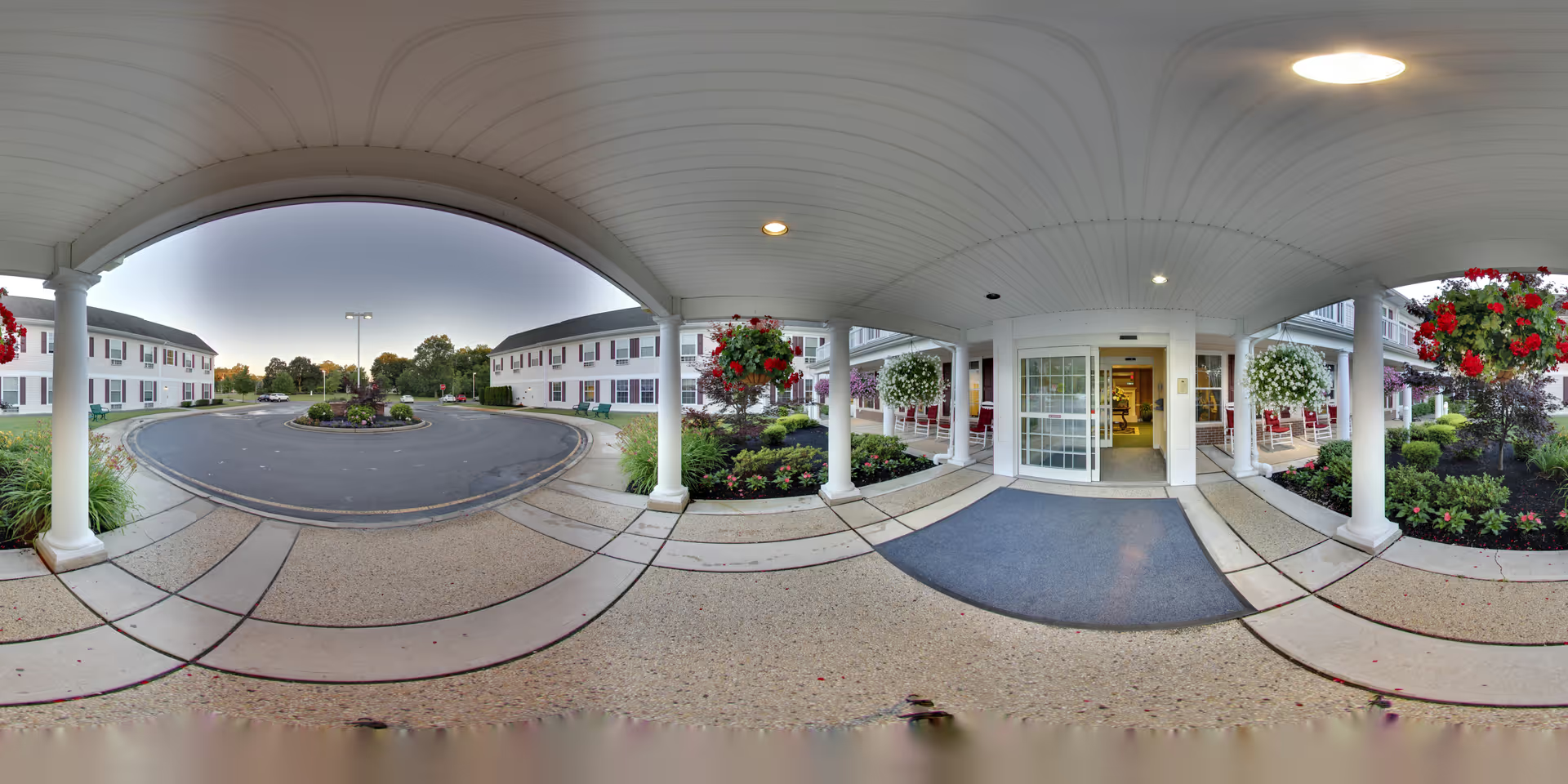
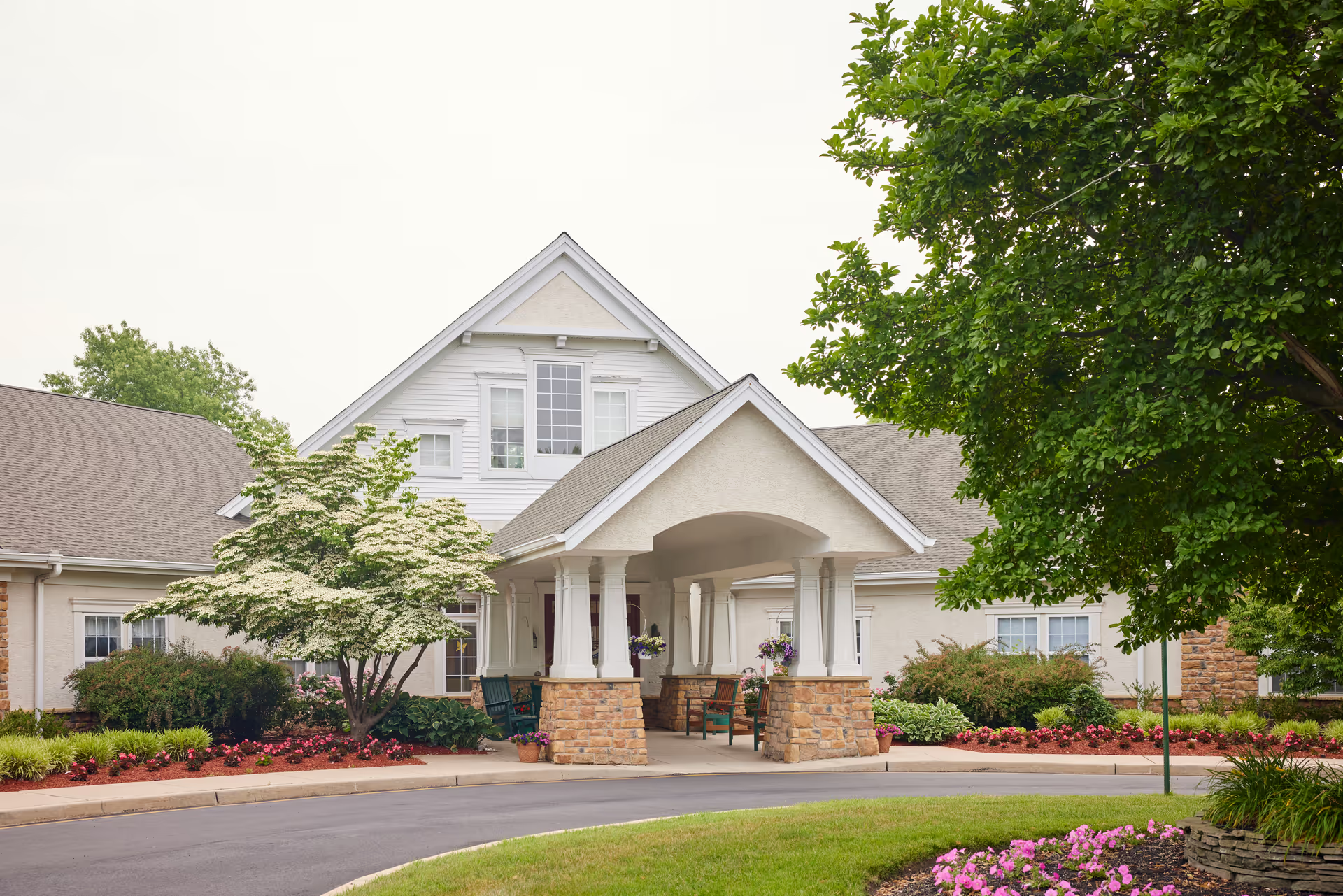
Facilities, housekeeping, and maintenance: The building, common areas, and many resident rooms are described as clean and recently renovated; housekeeping and maintenance are often praised for responsiveness and attention to personal touches. Nonetheless, some reviews raise sanitation and pest-control concerns in specific units, along with isolated equipment or room amenity failures (TVs, heaters) that were sometimes addressed promptly by maintenance.
Management and administration: Administrative experiences are mixed. Some families report helpful, communicative social-work and admissions staff and cite improvements after leadership changes. Others describe billing disputes, poor coordination at discharge, and instances of collections activity that strained trust. Communication breakdowns during transfers or acute events — including delays arranging ambulances or accompanying residents to emergency care — are an important recurring concern.
Notable patterns and recommendation guidance: The overall pattern suggests strong rehabilitative capacity and many dedicated frontline staff, but operational inconsistencies that most commonly stem from staffing levels, medication/pharmacy coordination, and communication gaps. Prospective families should weigh the facility’s therapy strengths and clean environment against the potential for uneven nursing responsiveness, variable dining, and administrative coordination issues. When considering admission, families may wish to: clarify overnight staffing ratios and call-bell response protocols, confirm protocols for complex clinical needs (ostomy/wound care and medication timing), discuss dietary accommodations in writing, and establish clear points of contact for clinical updates and billing. These steps can help align expectations with the facility’s areas of strength and operational limitations.