Complete Care at Green Acres elicits a broadly polarized set of impressions: a substantial number of family members and residents praise the facility for strong rehabilitation services, attentive clinical staff, a clean environment, and an active social program, while a distinct group of accounts highlights operational and safety-related concerns. This overview summarizes the salient themes to aid prospective residents and families in evaluating fit.
Care and clinical services: Therapy (physical, occupational, and speech) consistently receives high marks for effectiveness, timeliness, and motivating staff. Many families credit the therapy teams with measurable functional recovery. Nursing and aide staff are frequently described as compassionate and attentive during daytime hours, with numerous examples of staff going beyond baseline responsibilities. However, reviewers also cite important clinical concerns: medication-administration errors, prescription inaccuracies, and delays in responding to call bells or urgent needs—particularly during off-hours. These point to uneven clinical oversight and the need for clear protocols for high-risk transitions (for example after dialysis or other treatments).
Staff and professionalism: The facility benefits from committed long-term staff members, an accessible administration, and engaged admissions and social-work teams who are often singled out for responsive communication and follow-up. At the same time, reviewers note variability in staff professionalism and English proficiency in some shifts, and the use of agency or temporary staff who may not meet the same consistency standards. These differences contribute to the mixed experiences families report.
Dining, activities, and social life: Green Acres' activities program and social environment are frequently cited as strengths—diverse programming, an active activities director, and opportunities for socialization and family involvement. Many reviewers describe the dining room as large and social. Dining quality is a contentious area: some reviewers commend the food, while others report frequent cold meals, limited selection, or food-preparation issues. Meal-temperature control and menu consistency appear to be recurrent operational pain points.
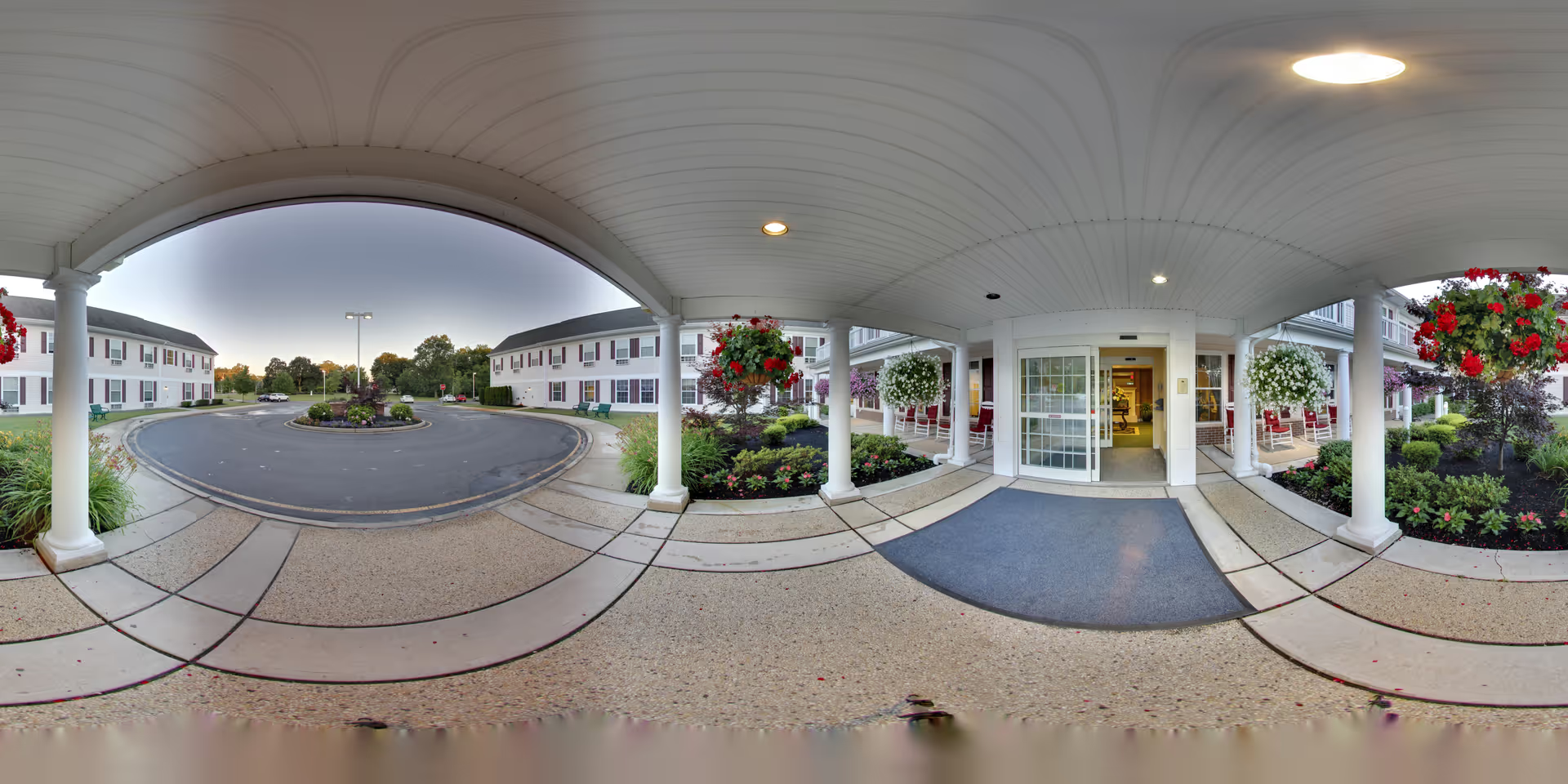
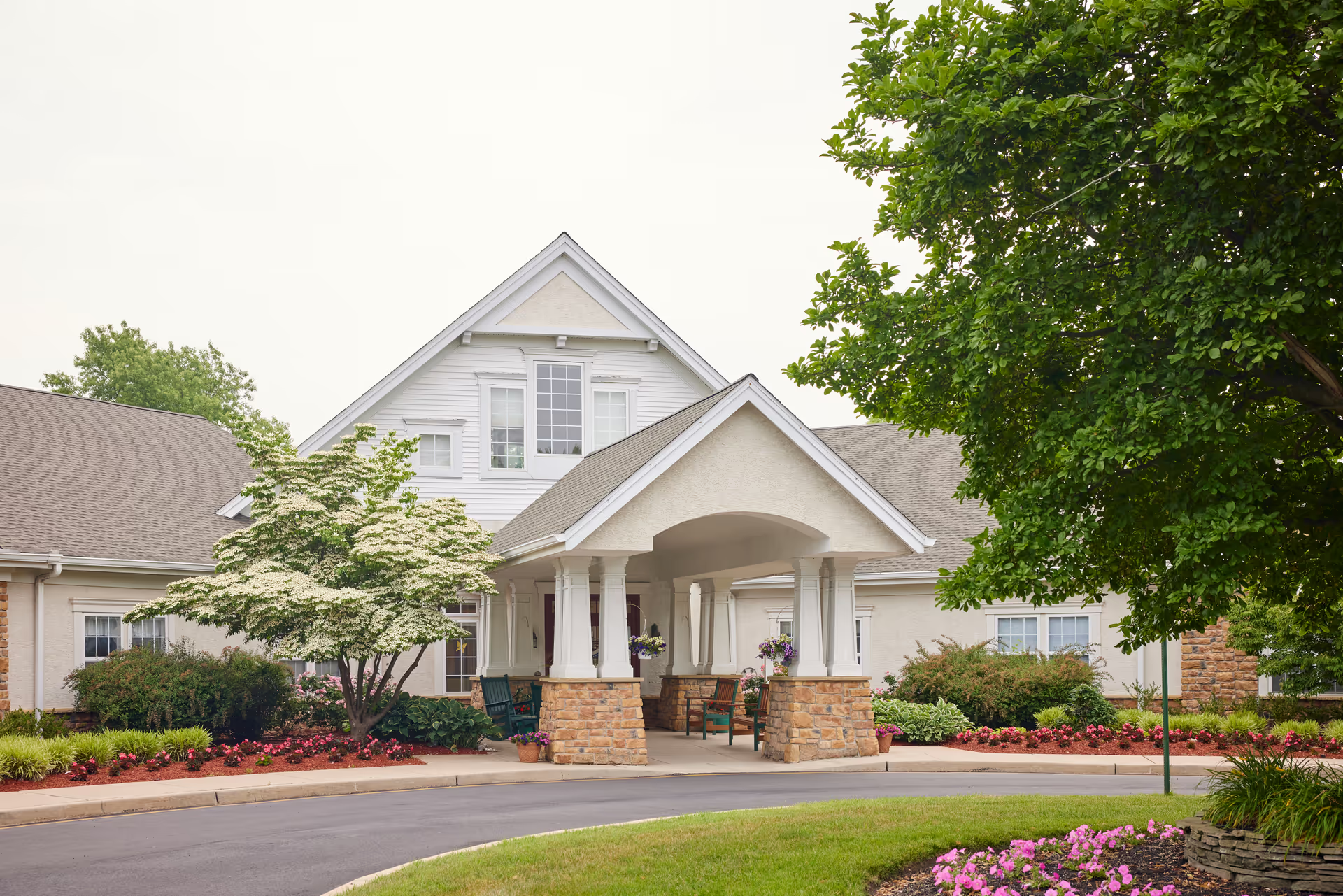
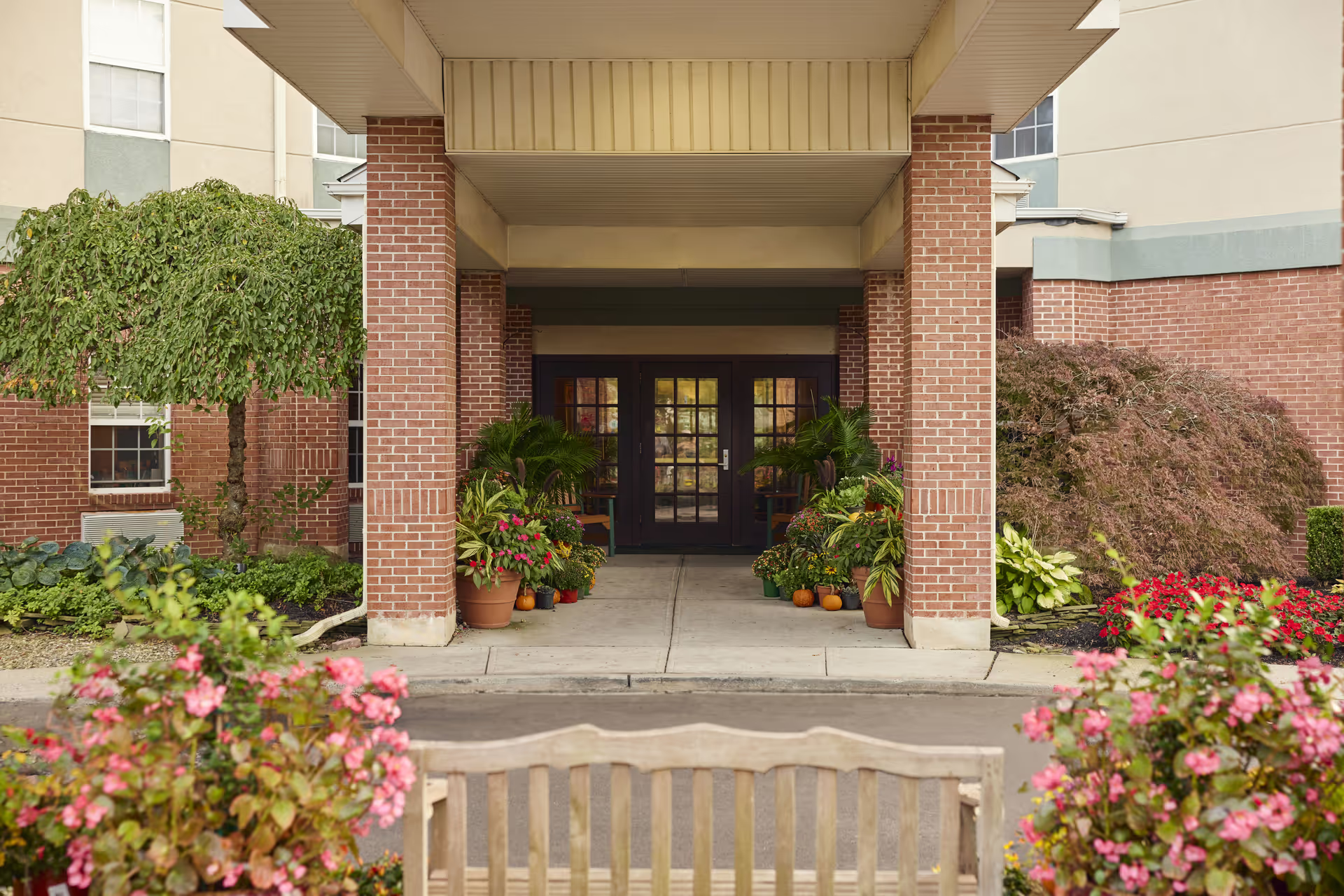
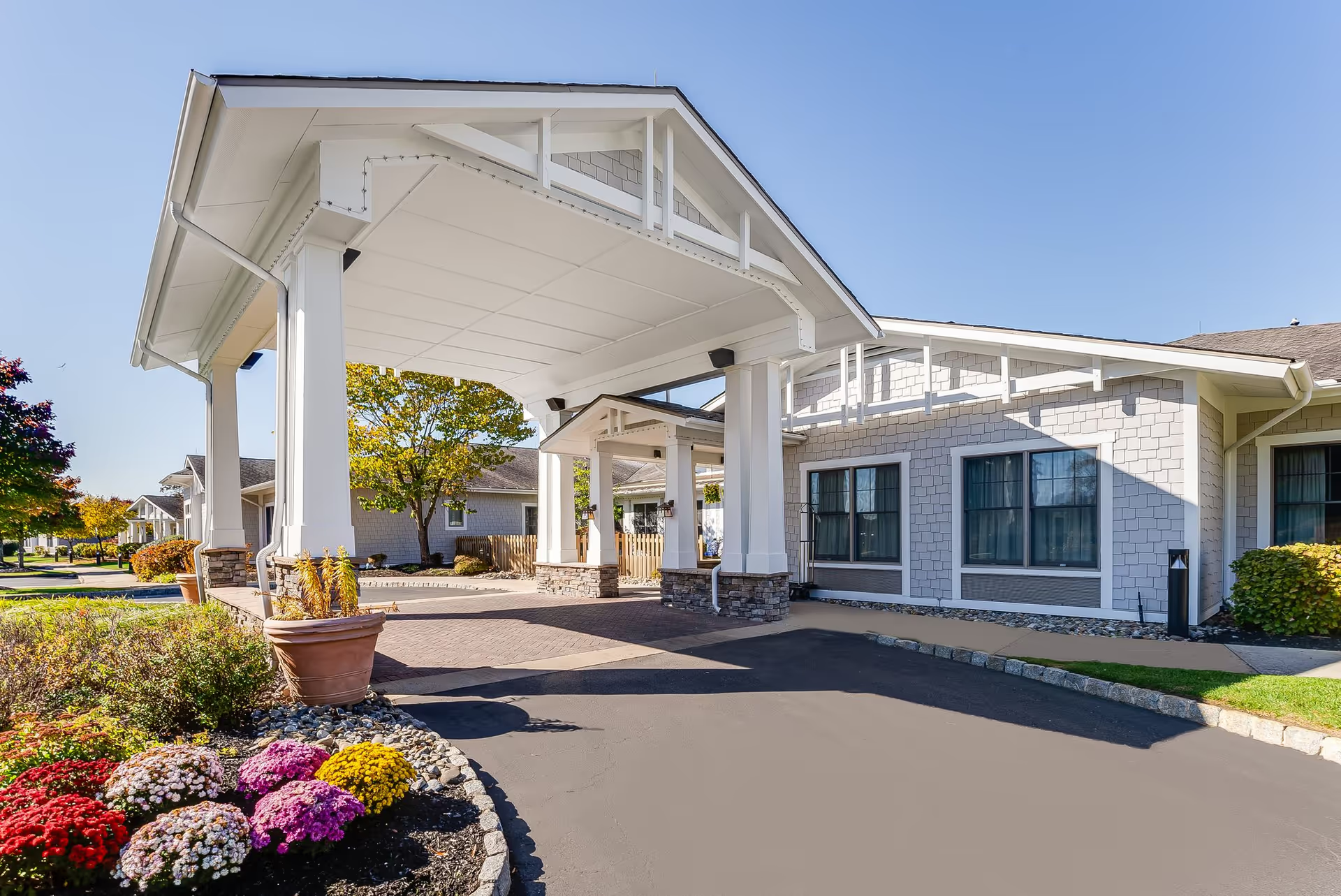
Facilities and environment: Physical spaces and amenities are commonly praised: clean hallways and rooms, bright rehabilitation areas, a well-equipped gym, and secure entry controls. Several reviewers highlight comfortable private rooms and thoughtful in-room amenities. That said, reviewers also report variability between units—some areas are described as very well-maintained while others raise cleanliness or housekeeping concerns. Noise, roommate compatibility, and privacy vary depending on unit and bed assignment.
Management, billing, and property controls: Management responsiveness is often lauded—administrators who listen, provide follow-up calls, and resolve issues quickly are named positively. Conversely, there are recurring operational critiques around discharge planning, room transfers, billing transparency, extra charges, and inconsistent handling of personal property and laundry. A subset of families raised serious concerns about discharge practices and financial-billing clarity; these merit direct discussion with facility leadership during any tour or admission.
Notable patterns and recommendations: The dominant pattern is one of strong rehab capability and many examples of compassionate daytime care, tempered by operational inconsistencies—especially around off-hours clinical coverage, medication controls, food-service reliability, property handling, and communication between departments. Prospective families should consider an in-person tour that includes the therapy gym and sample meal, ask about staffing patterns across 24 hours, clarify medication-safety and property-management policies, and request specifics on discharge planning and billing transparency. Doing so will help align expectations with the facility’s strengths and identify whether the variability noted in reviews is acceptable for a given resident’s needs.