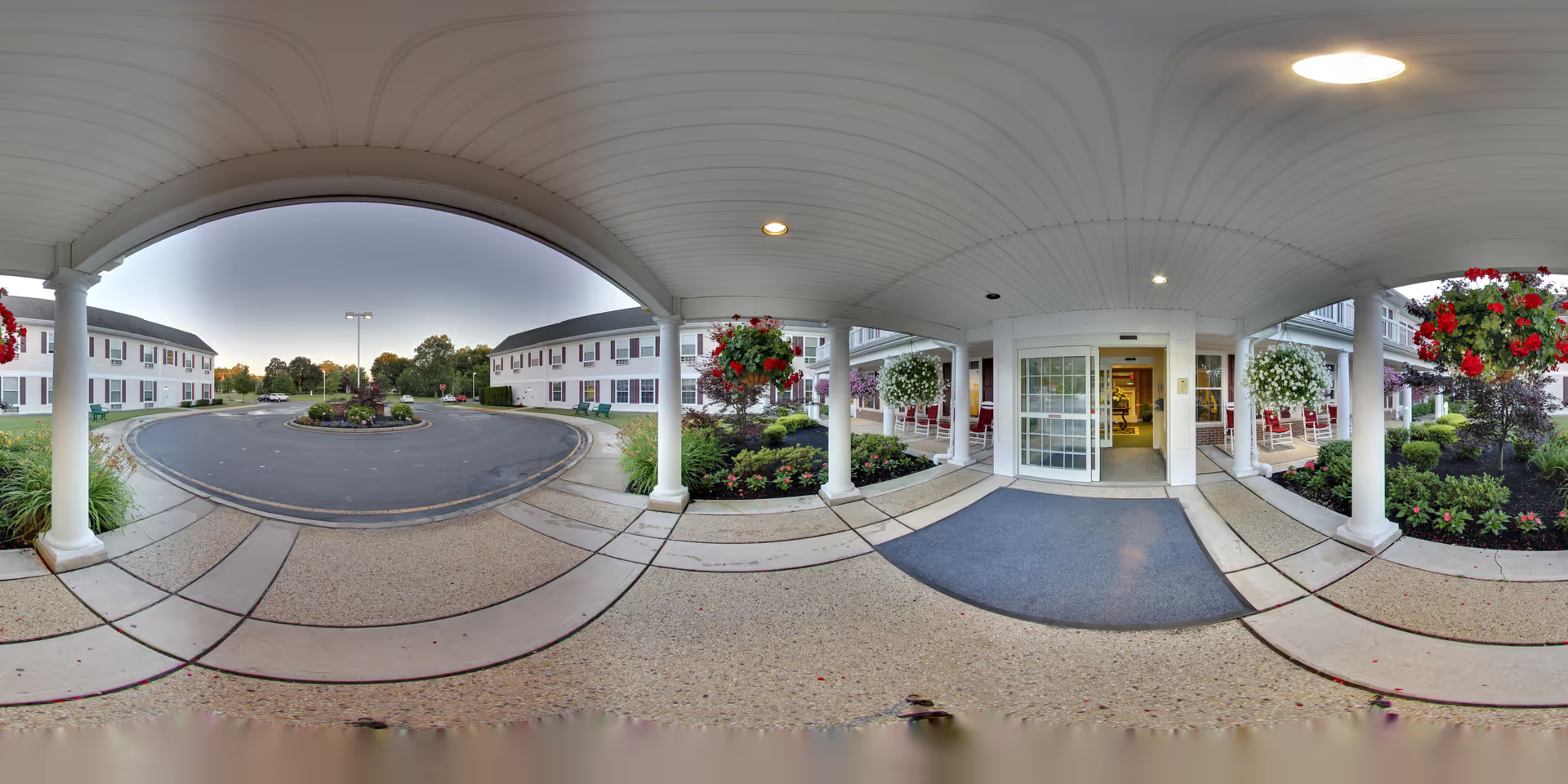
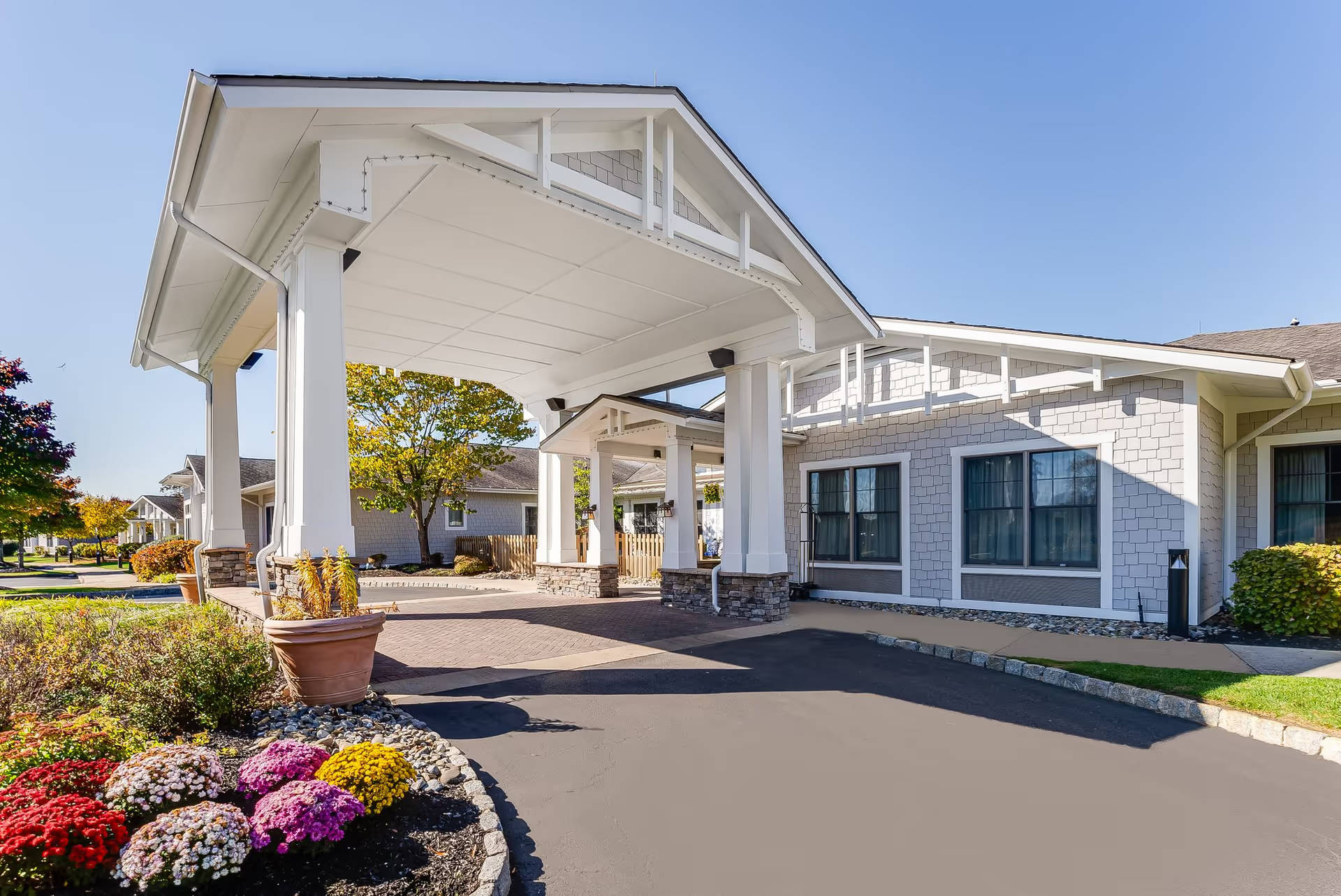
Complete Care at Holiday City elicits strongly mixed impressions. A substantial portion of feedback highlights dedicated individual caregivers, a capable rehabilitation program, and active recreation offerings—elements that families and residents identify as meaningful contributors to recovery and daily quality of life. Multiple reviews single out specific staff and therapy teams for professionalism and compassionate attention, and parts of the building have been renovated with private rooms and a well‑equipped therapy gym that several families found helpful for transition home.
At the same time, a recurring pattern of operational weaknesses appears across reviews. Staffing inconsistency and insufficient coverage—especially overnight and on weekends—was frequently cited and is associated with slow responses to call lights, delays in providing toileting and bathing assistance, and extended waits for basic care. These responsiveness issues were linked by families to declines in clinical status in some cases, and reviewers described variability in how routinely personal-care tasks and wound/dressing changes are completed. Medication-administration problems and pharmacy coordination gaps were also described repeatedly, including delayed doses and difficulties obtaining prescriptions in a timely manner.
Sanitation and housekeeping inconsistencies and pest-control concerns were raised alongside complaints about food quality and meal-timing variability. Some reviewers described rooms and common areas that need more consistent housekeeping attention, and the quality and temperature of meals were described as uneven. Facility maintenance and environmental comfort deficits—chiefly heating, lighting, and noise—were also noted as factors that diminished resident comfort.
Communication and clinical coordination are additional areas of concern. Many families described limited physician access, inconsistent clinical explanations across shifts, and difficulty obtaining medical documentation or clear updates. Relatedly, reviews indicate weaknesses in belongings management and security controls, including missing items and questions about record integrity. One or more reviews raise serious allegations of impersonation, theft, and medical-record tampering; those claims fall outside routine operational complaints and warrant formal investigation by appropriate oversight authorities.
Management and leadership perceptions are polarized. Some reviewers praise a new administrator and cite measurable improvements in activities and staff morale, while others identify leadership and accountability gaps that contribute to recurring service failures. Where management has engaged directly, families report better outcomes; where it has not, concerns persist about the facility prioritizing billing/insurance processes over consistent bedside care.
Practical takeaways for prospective residents and families: the facility offers strong rehabilitative resources and several highly regarded caregivers, but families should assess current staffing ratios, overnight supervision protocols, medication-supply processes, infection-control and pest-management practices, and housekeeping plans during visits. When choosing or monitoring placement, insist on clear care plans, documented medication administration protocols, and regular communication checkpoints with clinical leadership. For any serious allegations or clinical deterioration, families should consider escalating to the facility’s leadership and external oversight (ombudsman or state survey agency) to ensure prompt review and corrective action.