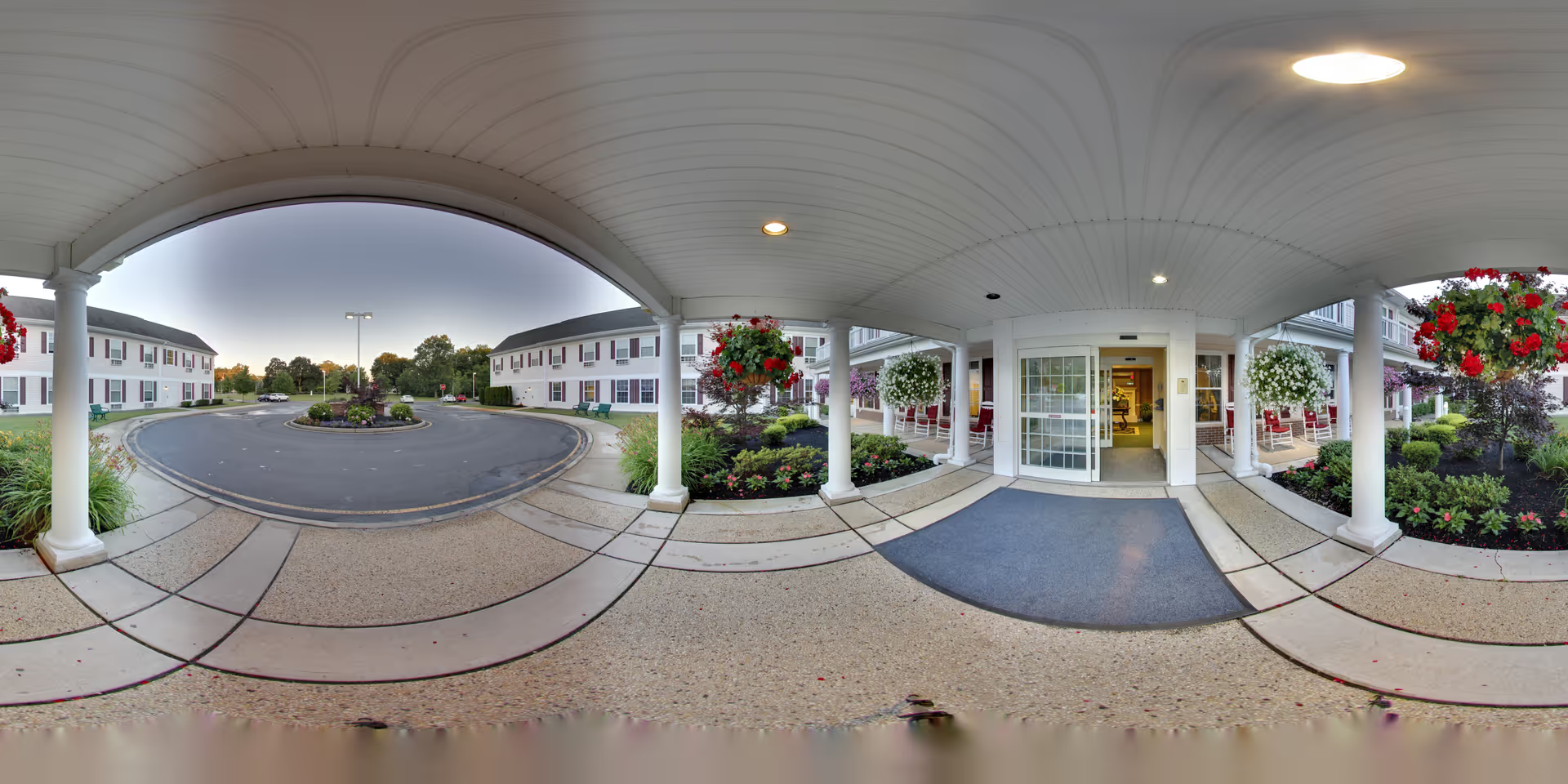
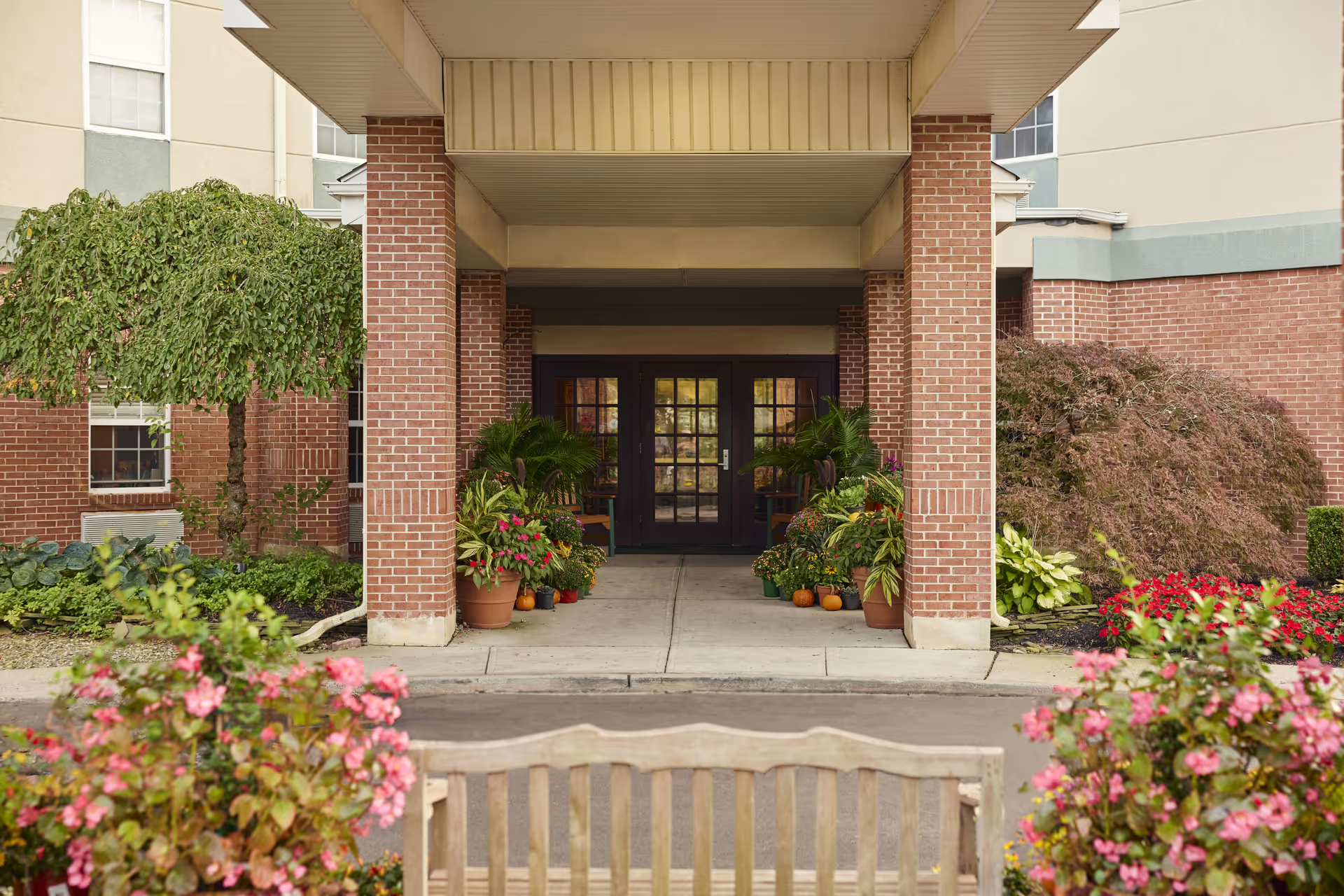
Spring Oak at Toms River presents as a facility with strong relational strengths and a broad service offering. Many families describe compassionate, attentive caregiving staff and capable nursing and on-site therapy resources; admissions and move-in coordination are frequently characterized as organized and supportive. The community offers a variety of apartment types, recently renovated units, pleasant communal dining and library spaces, outdoor courtyards, and multiple levels of care including memory support and respite stays. Pricing and billing models — including inclusive monthly fees and Medicaid acceptance — are viewed as competitive by numerous families.
Care quality and staff performance are mixed in the reviews. Numerous accounts praise individual caregivers, nurses, and the activities team for responsiveness, empathy, and building rapport with residents. At the same time, several reviewers raised concerns about operational consistency: examples include delays or gaps in clinical follow-through, inconsistencies in medication administration, and irregular personal-care routines such as bathing schedules. A small number of reports describe serious clinical outcomes tied to wound-care and infection-control practices; these accounts indicate the need for clear quality-assurance oversight and stronger clinical follow-up processes.
Dining and activities are important strengths with qualifications. The activities program is highlighted repeatedly for its energy and variety — an active director, regular outings, arts and crafts, veterans’ lunches, and cognitive-stimulation offerings are cited as contributors to resident engagement. However, food quality and meal variety draw mixed feedback: some residents and families praise the dining experience, while others note limited choices, inconsistent temperature/serving conditions, and portions that do not meet expectations. Memory-support residents and those on secured floors may face practical barriers to full participation in community activities because of escorting and locked-unit policies.
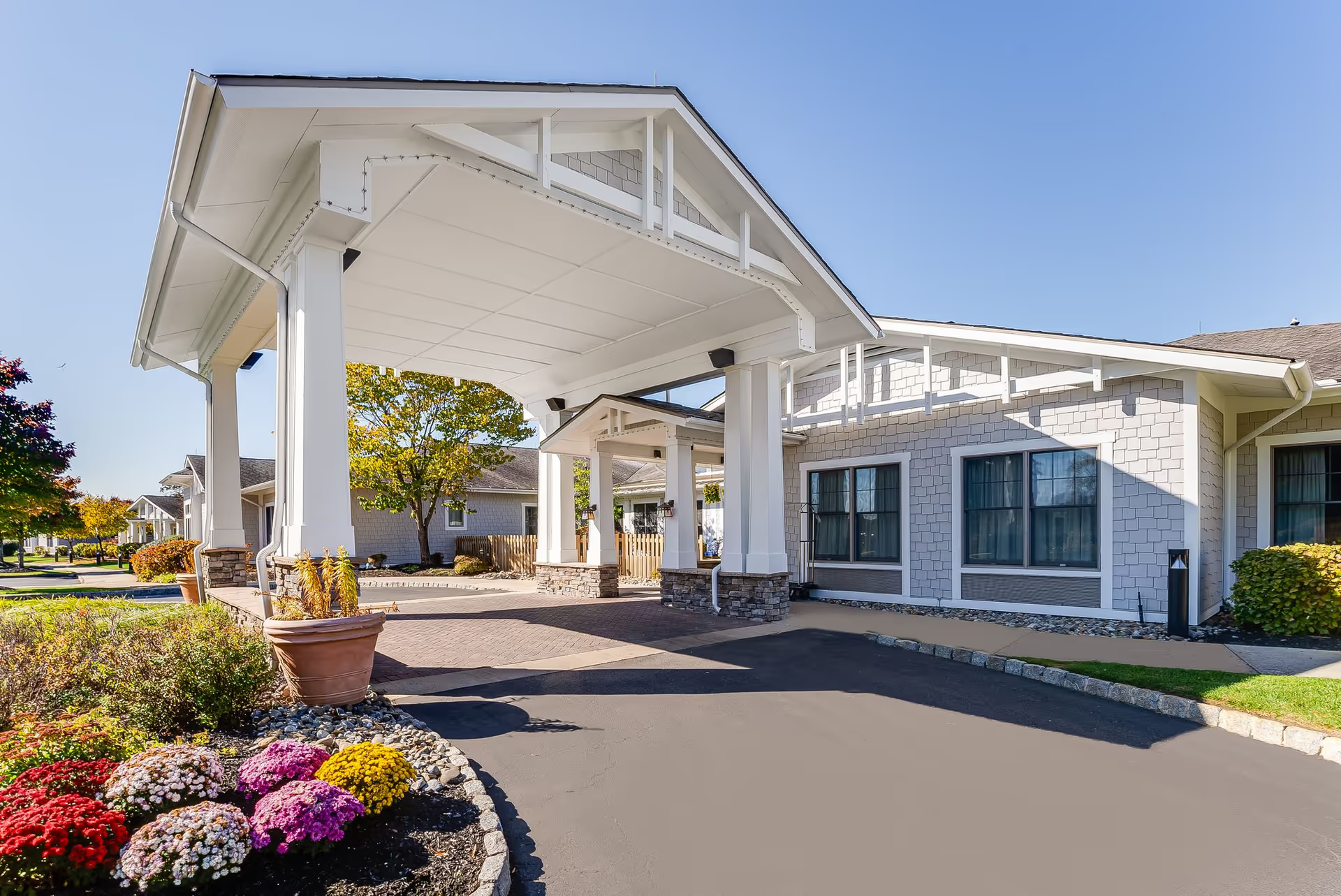
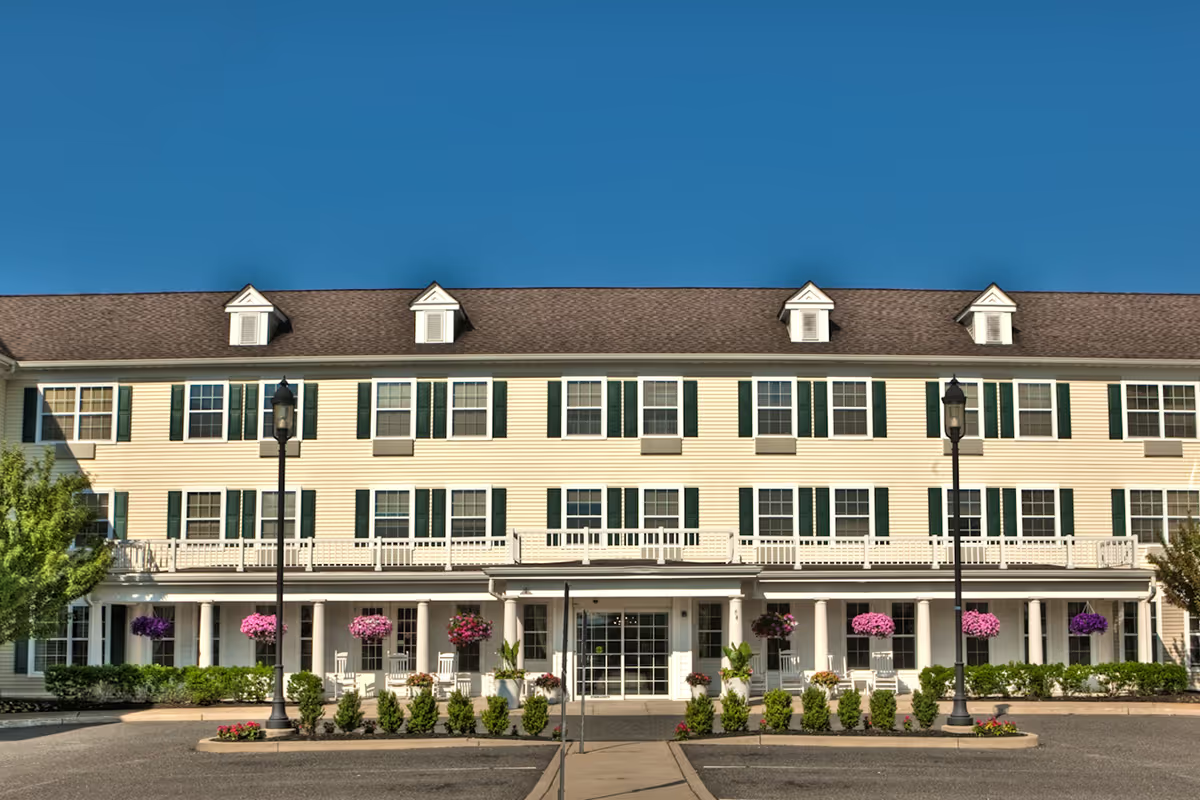
Facility condition and amenities are generally favorable in communal areas and many apartments, but reviews show variability. Common areas, newer rooms, and outdoor spaces are frequently described as clean and inviting; conversely, some older interior areas and select apartments have maintenance or cleanliness inconsistencies. Noise from HVAC units and occasional housekeeping or room-prep delays were mentioned. Transportation is offered for appointments, but operational limits — particularly return-trip reliability and scheduling — have been a recurring operational gap.
Management, billing, and administrative processes show both strengths and weaknesses. Admissions staff and certain managers receive strong praise for being welcoming and helpful, and for smoothing transitions. Contrastingly, several reviews describe billing and insurance-administration errors (invoices not forwarded to insurers, charges for unrendered services) and uneven responsiveness from management or front-desk staff. Staffing variability, including turnover and periods of understaffing, is cited as a contributor to inconsistent care and communication lapses. There is also at least one allegation relating to resident property loss, underscoring the importance of strong security and accountability procedures.
Overall, Spring Oak at Toms River may be a good fit for families who prioritize a warm, socially active community with supportive front-line staff and inclusive service packages. Prospective residents and families should consider asking specific, verifiable questions about clinical-quality oversight, infection-prevention protocols, medication administration checks, transportation return policies, and billing/insurance workflows during tours and before move-in. Observing staffing levels during peak care times and requesting documentation of housekeeping and maintenance schedules may help set expectations and identify whether the facility’s operational practices align with a family’s priorities.