Reviewers describe a facility with sharply mixed experiences: several families and patients praise strong rehabilitation outcomes, active recreation programming, and individual staff members who provide attentive, personalized care, while an equal number raise consistent operational concerns. The pattern is one of variability — certain units, shifts, and staff deliver very good care, whereas other areas of operation show persistent weaknesses.
Care quality and clinical management: Multiple accounts indicate inconsistent clinical practices when resident acuity increases. Wound care, moisture-management, and pressure-injury prevention are recurring areas of concern, with families noting gaps in turning schedules and wound follow-up. Medication administration timing and alarm responsiveness are also problematic in some shifts, and there are descriptions of delayed or missed medications and slow responses to IV or device alarms. Several reviewers linked these operational gaps to rehospitalizations or deteriorations in condition; conversely, some residents experienced measurable improvement under the facility’s rehabilitation program.
Staffing and conduct: The workforce is described as a mix of dedicated, knowledgeable clinicians (therapists, some nurses, and aides) and staff who appear overextended or inexperienced. Night and weekend staffing shortages, high turnover, and low morale are recurring themes; these contribute to long call-light response times, delayed assistance, and inconsistent continuity of care. Families highlight particular personnel who provided exceptional support, and some reviewers noted improved responsiveness after management changes.
Dining and activities: Activity programming and recreation leadership receive frequent praise, including organized events, daily visits, outdoor walks, and an engaged recreation director. The therapy staff and rehab offerings are often described as effective. Dining reports are mixed: some residents gained weight and appreciated menu choices and three meals daily, while others experienced late meals, inconsistent meal quality, and complaints about food temperature and variety.
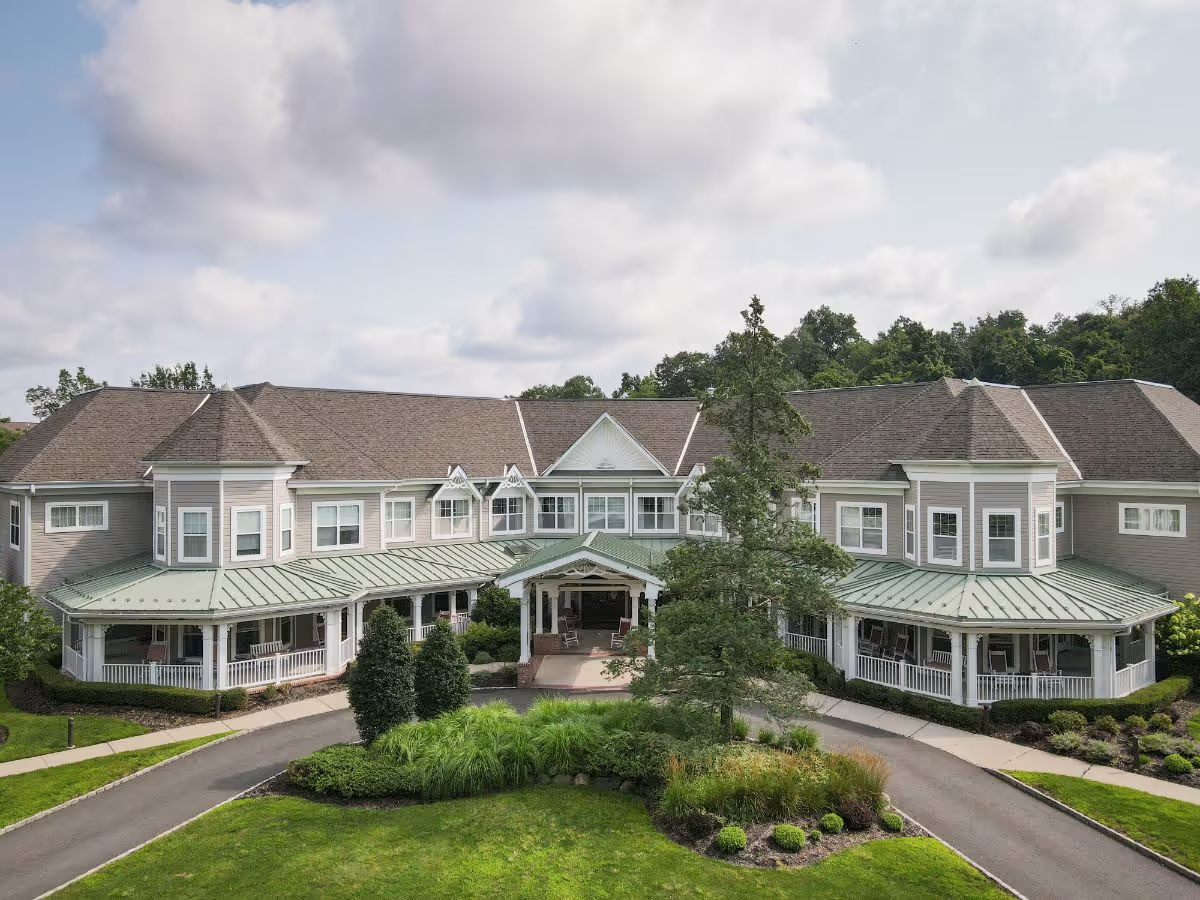
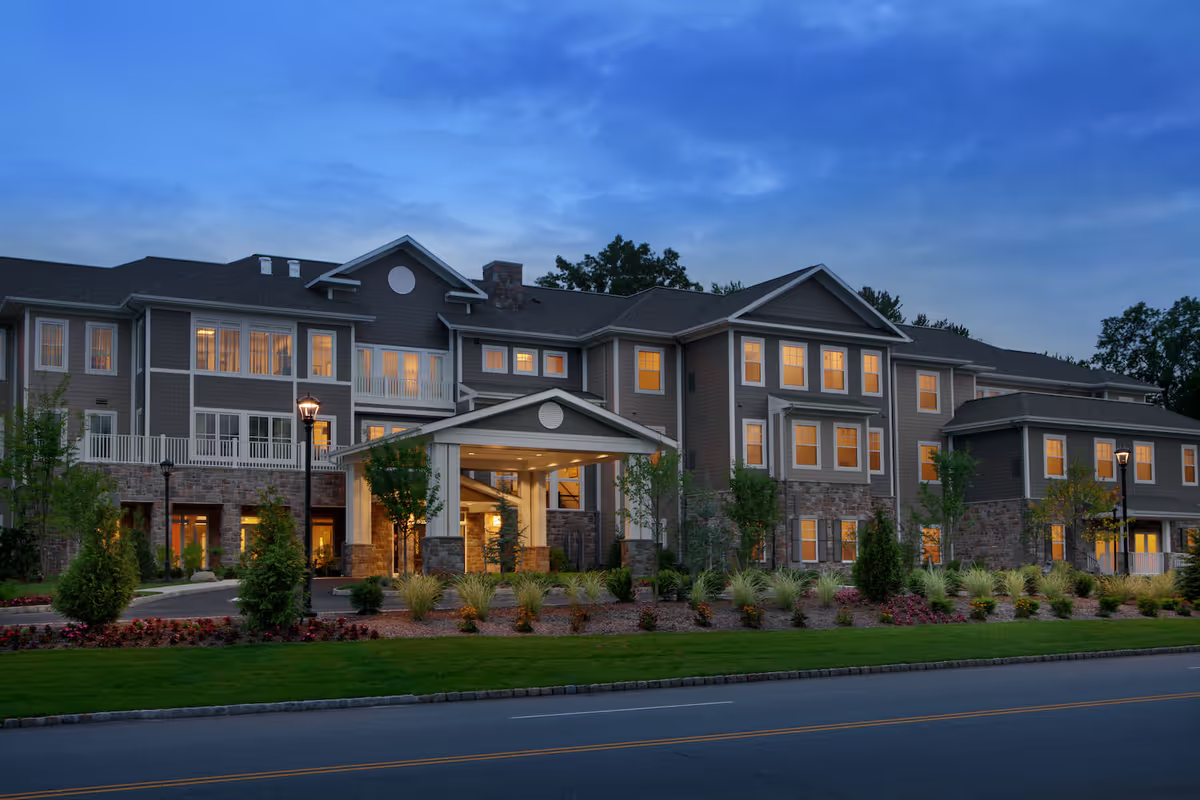
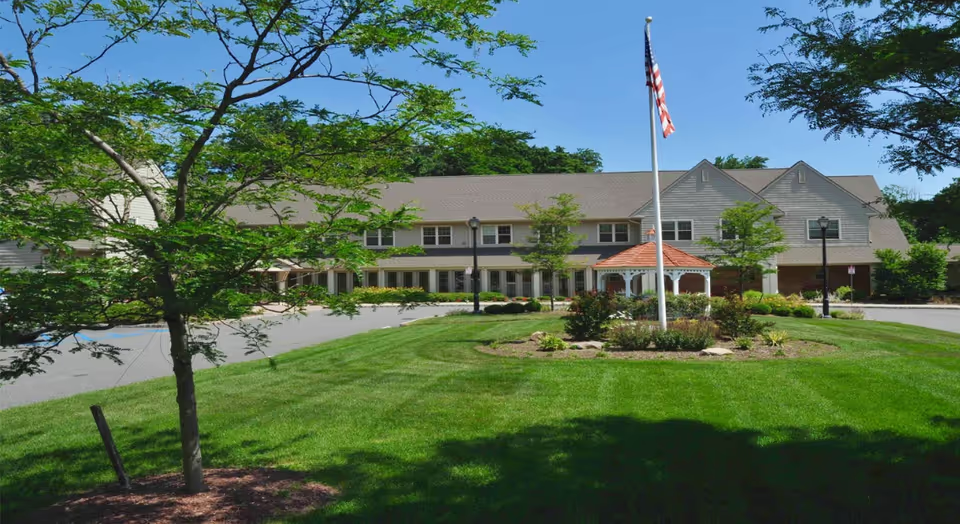
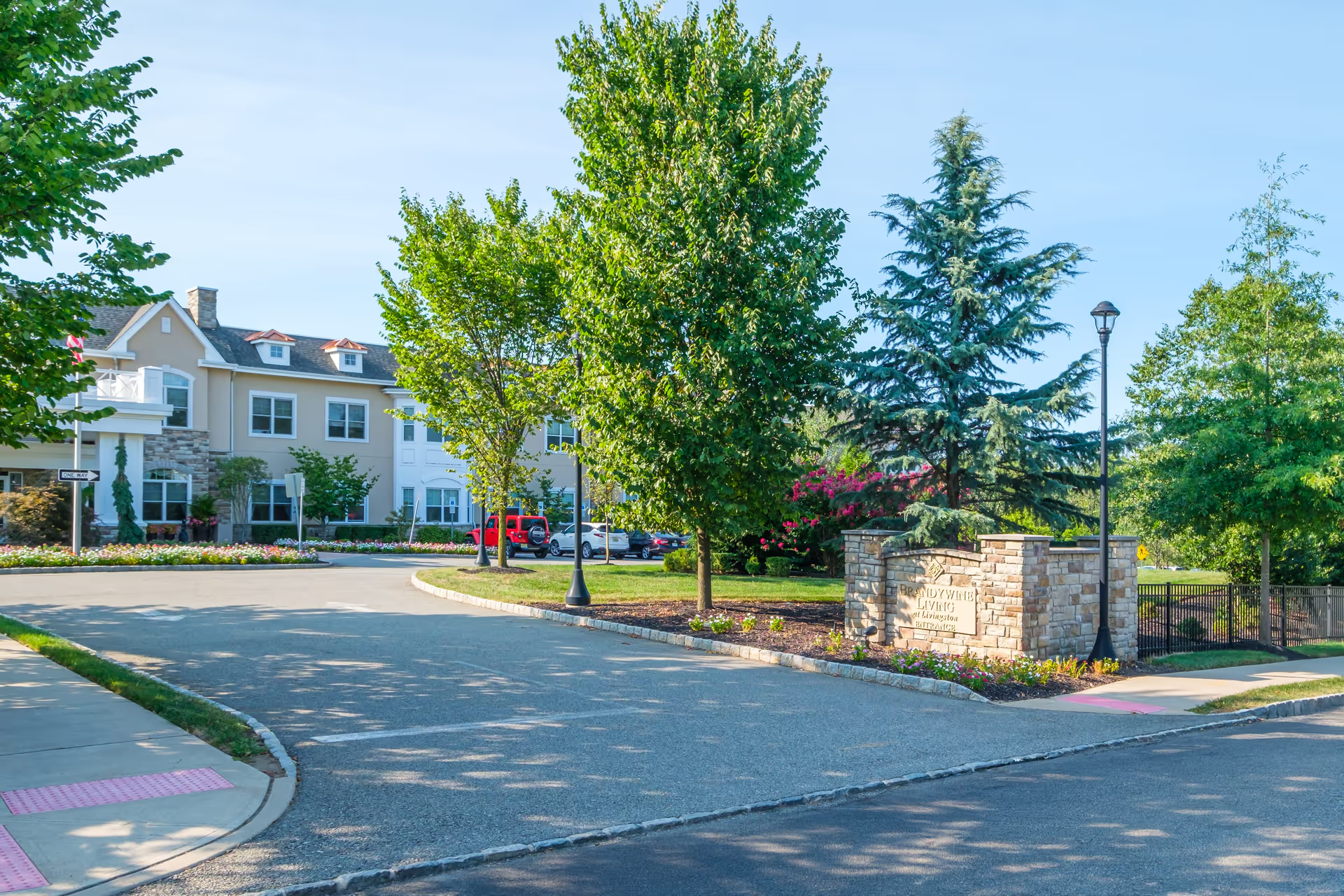
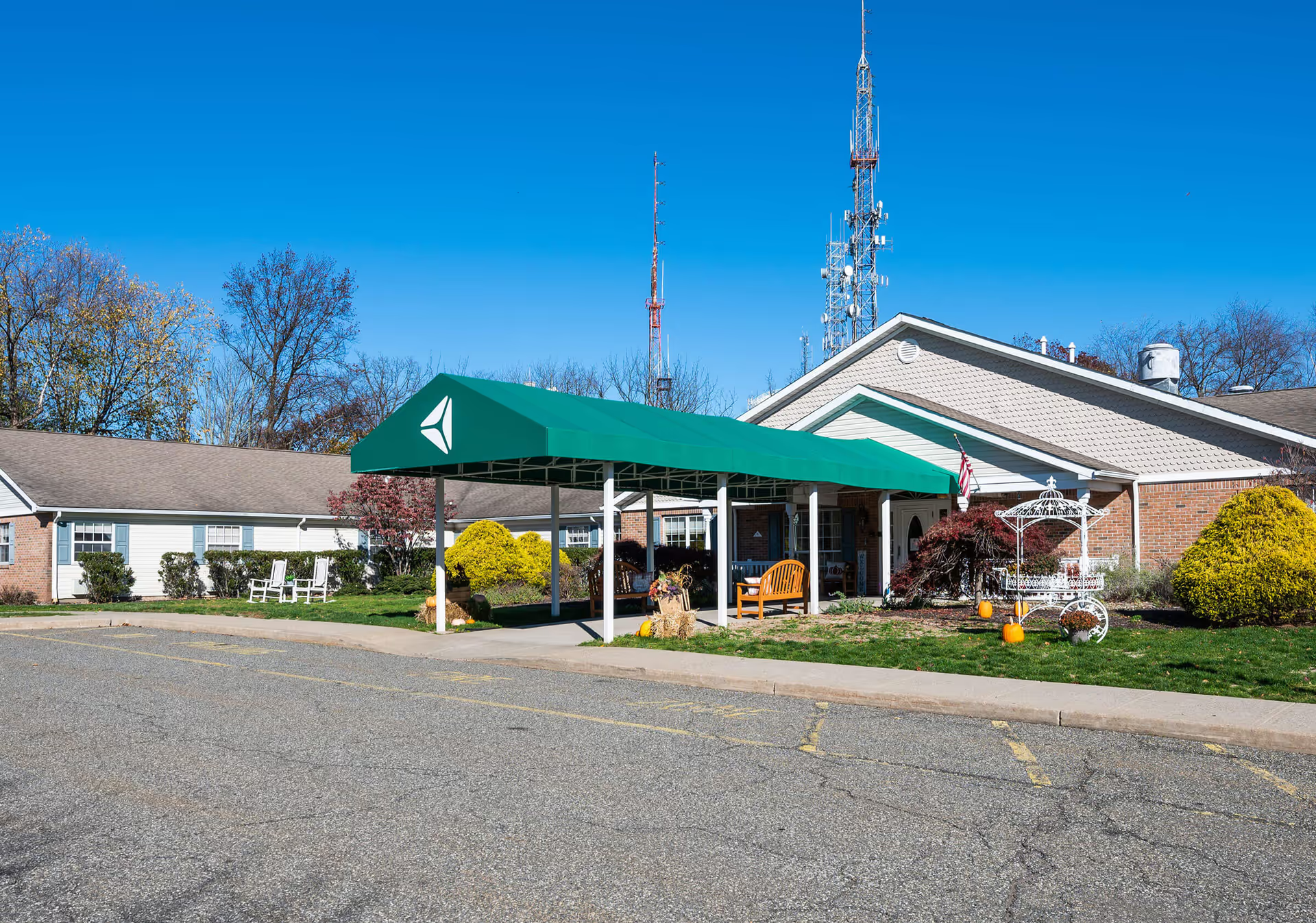
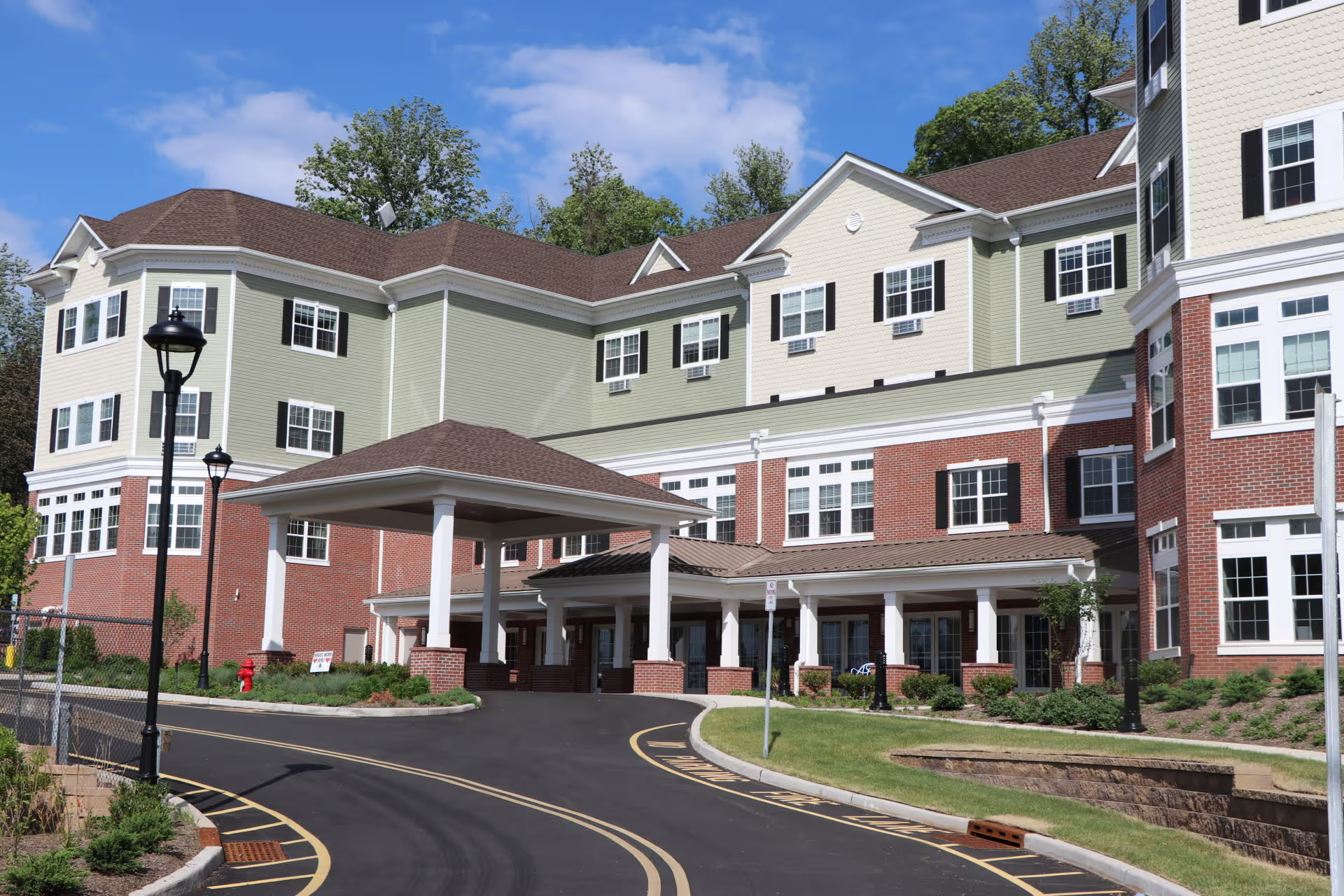
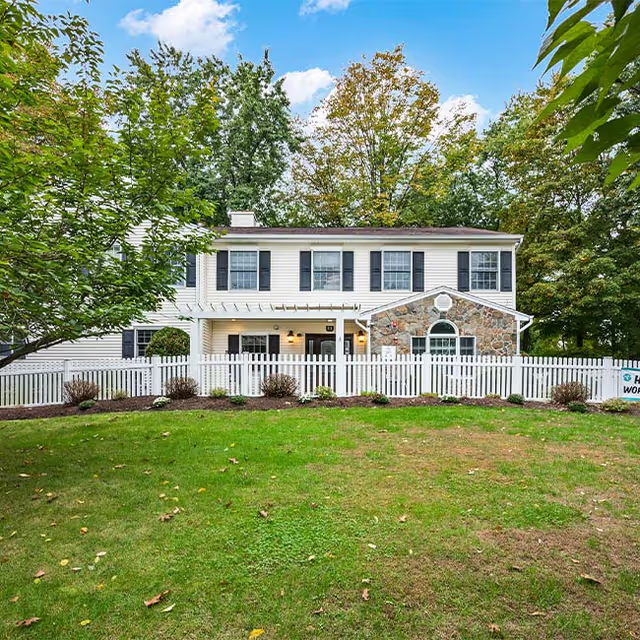
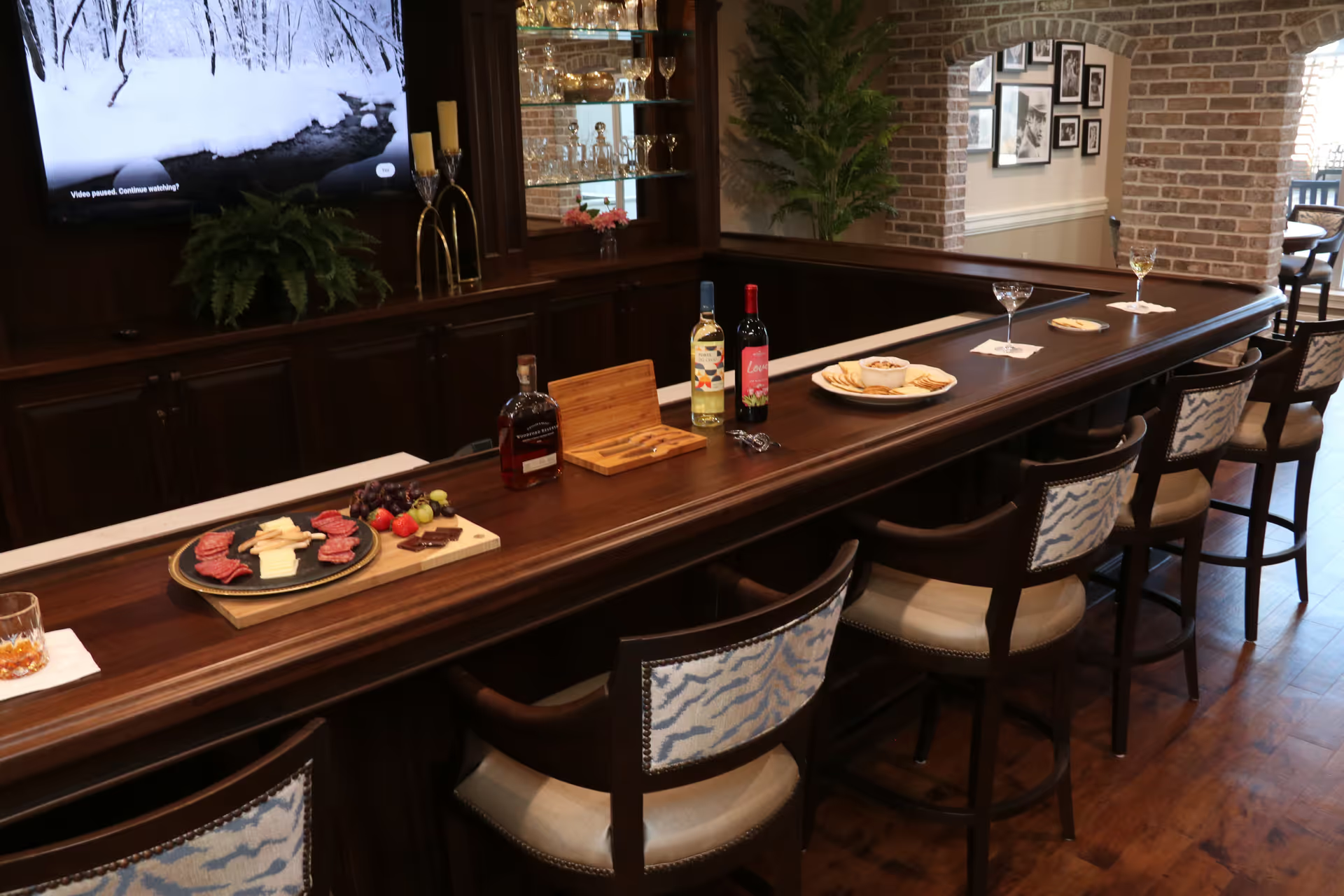
Facilities and maintenance: Physical plant impressions vary by unit. Positive comments reference clean, well-serviced rooms and attractive common areas, whereas negative comments cite outdated rooms, odor concerns, stained carpeting, broken light switches, and inconsistent maintenance. These inconsistencies appear to affect resident comfort and the overall atmosphere.
Management, communication, and oversight: Communication with families is uneven. Many reviewers describe poor care coordination and delayed or insufficient communication about clinical changes, while others report helpful, responsive administrators and social workers. There are mentions of for-profit operational pressures shaping resource allocation decisions. Allegations of missing personal items and concerns about supervision quality were raised; reviewers recommended close family involvement and oversight, particularly during higher-acuity stays.
Notable patterns and takeaways: The dominant pattern is variability — positive outcomes and compassionate individual staff coexist with operational weaknesses that are most evident during nights, weekends, and periods of higher resident acuity. Prospective families should weigh the facility’s strengths in rehabilitation and recreation against documented inconsistency in clinical oversight, maintenance, and communication. Practical steps for families include asking about staffing ratios by shift, written wound-care and turning protocols, documented therapy schedules, local inspection reports, and arranging regular in-person check-ins during a loved one’s stay.