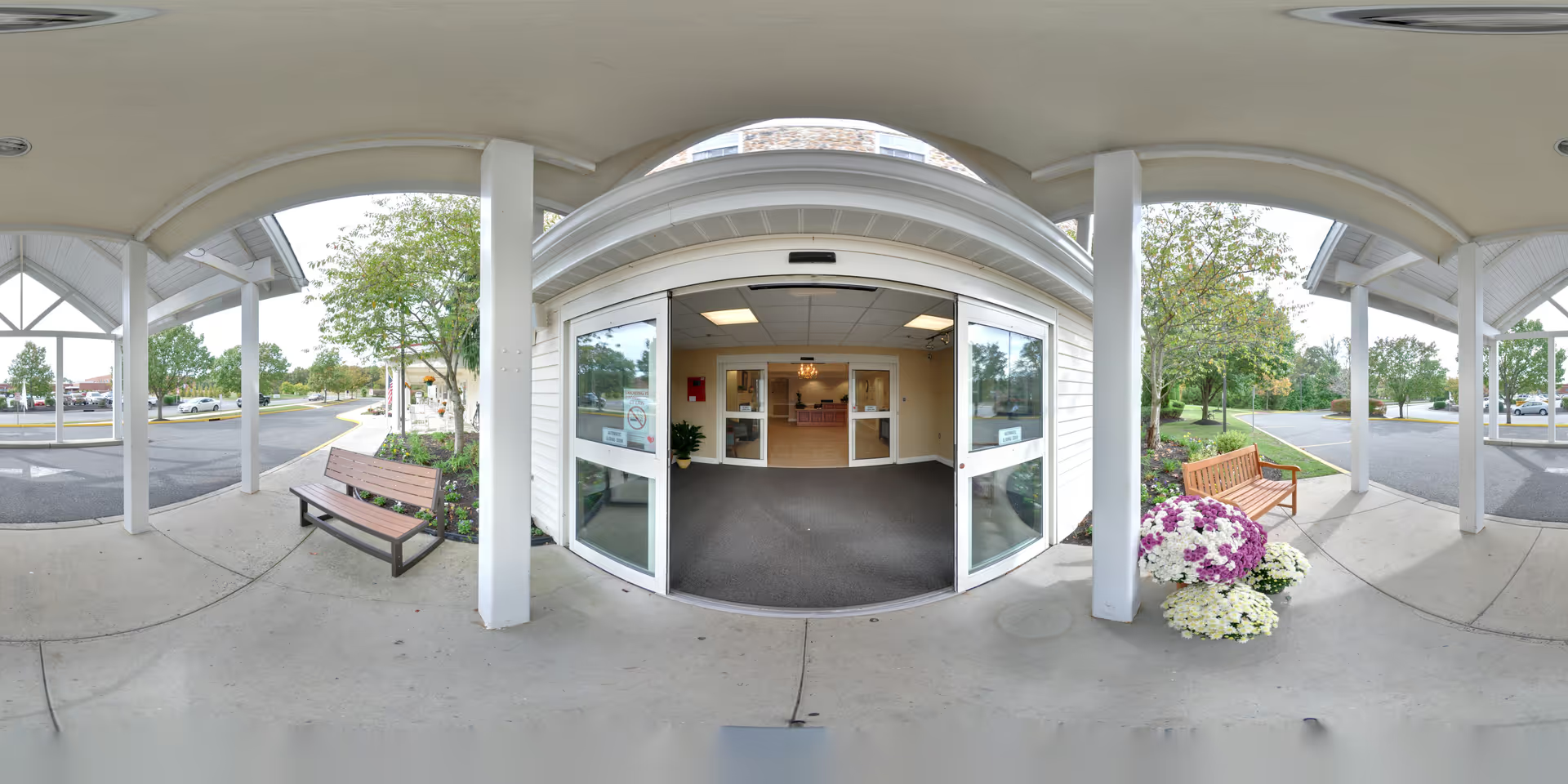
Atlas West Deptford elicits a broad range of experiences. A substantial body of feedback highlights strong clinical rehabilitation services and a caring direct-care workforce: physical and occupational therapy programs are frequently described as effective and motivating, and many reviewers praise nurses, nurse aides, physician assistants, social workers, and concierge staff for attentive, compassionate care. The facility offers on-site clinical supports (speech therapy, podiatry), amenities (salon, laundry) and structured activities that families say help patients remain engaged during stays. Several families also appreciated clear discharge planning and hospice coordination when needed.
Care quality shows clear strengths and consistent patterns. Therapy-driven rehabilitation and individualized PT/OT programs are a prominent strength, often tied to measurable functional gains. Nursing and aide performance receives high marks in many accounts for bedside attention and daily assistance. However, there is notable variability: reviewers describe inconsistent responsiveness to call lights, slower service on particular shifts (especially nights), and examples of medication- and documentation-related problems. These indicate gaps in medication-management timing, handoffs, and monitoring that prospective families should verify during the admission process.
Dining and activities are mixed. The facility has a dietitian on staff and offers balanced meal choices that some residents find healthy and suitable for dietary restrictions. At the same time, multiple accounts describe inconsistent meal quality, menu errors and occasions when food did not meet expectations; families with complex dietary needs should confirm meal plans and monitoring. Activities and social programming are frequently cited as engaging and inclusive, with unit-level events, private celebrations, and recreation staff noted for creating a family-like atmosphere.
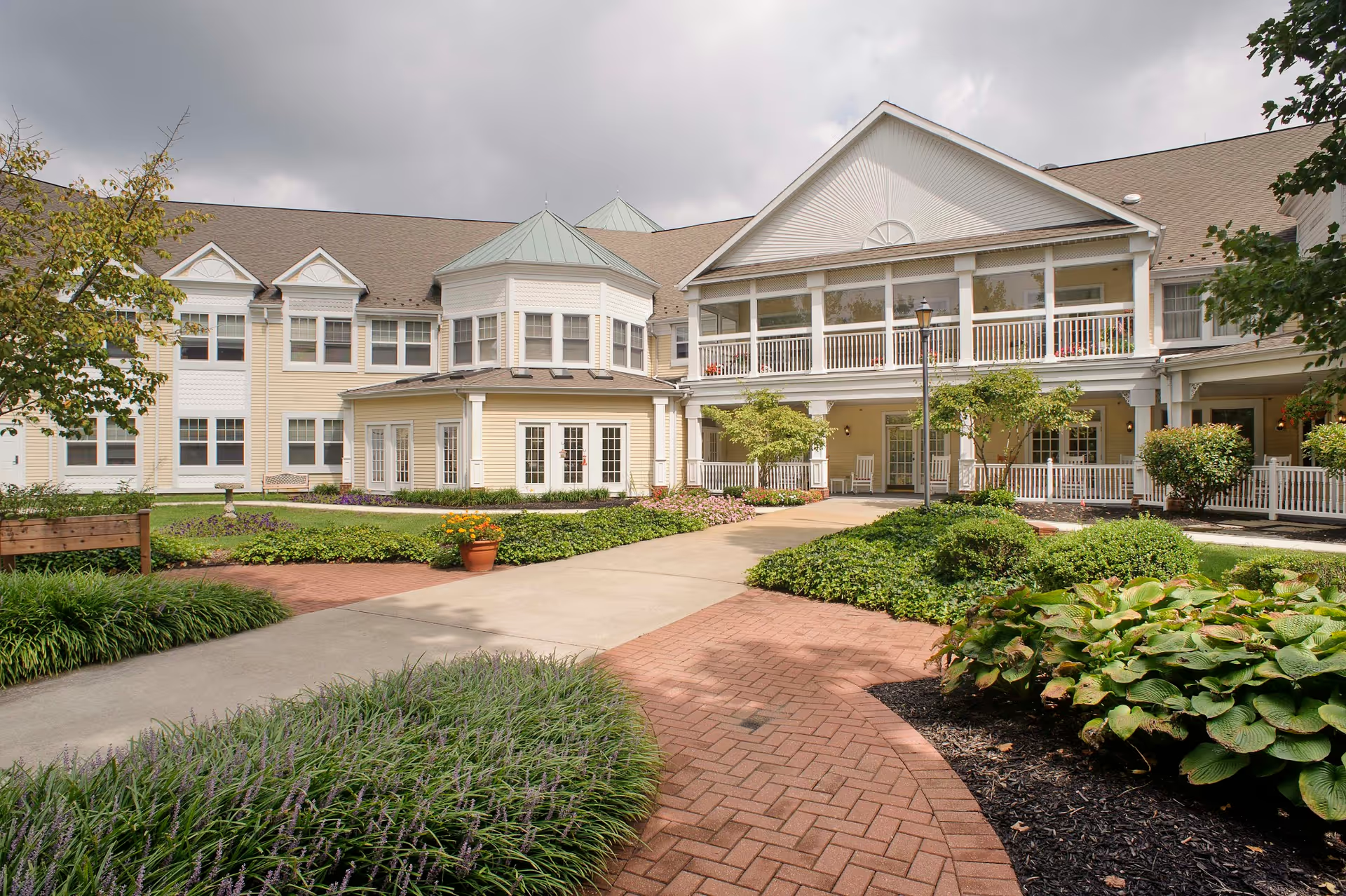
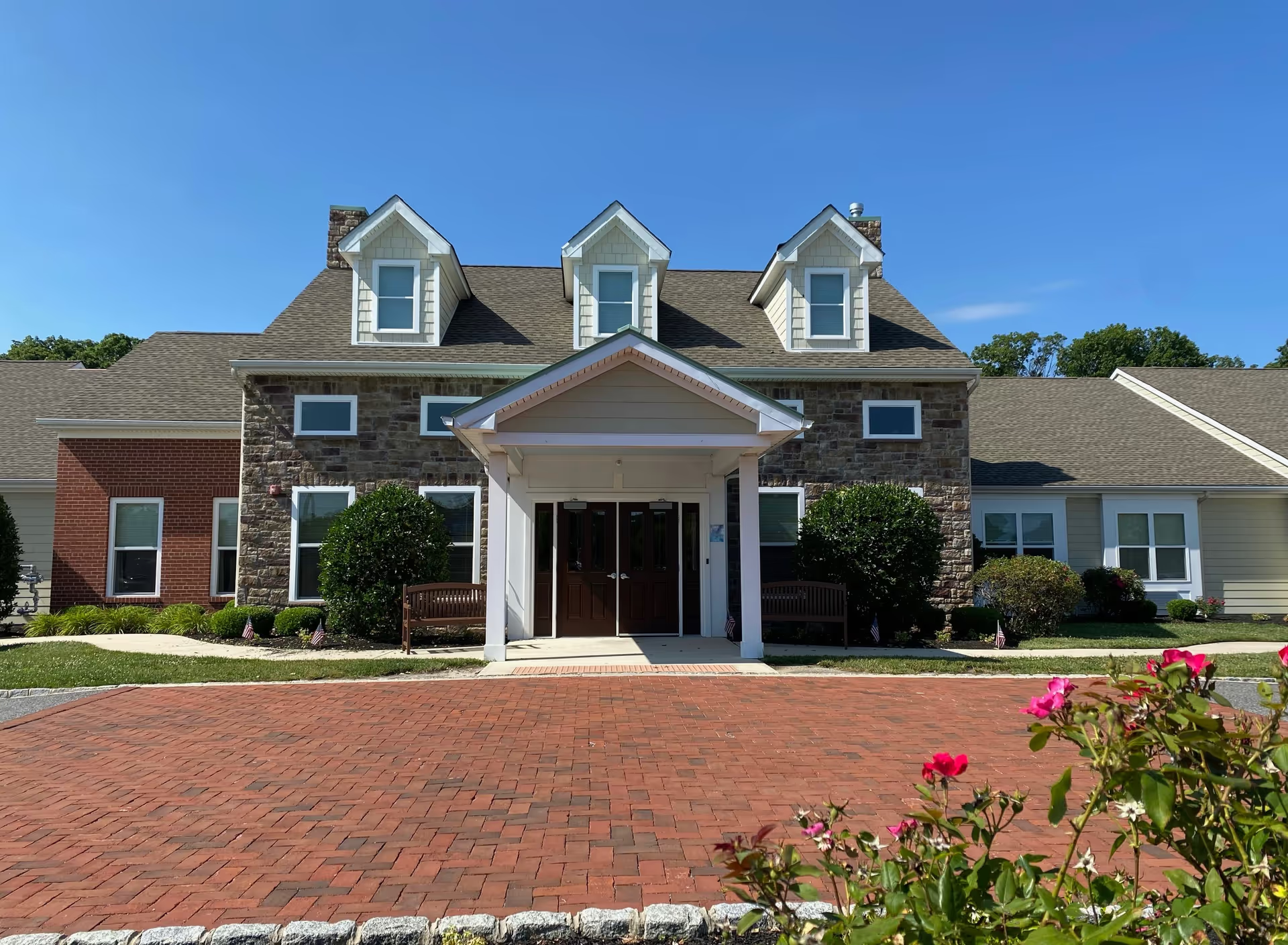
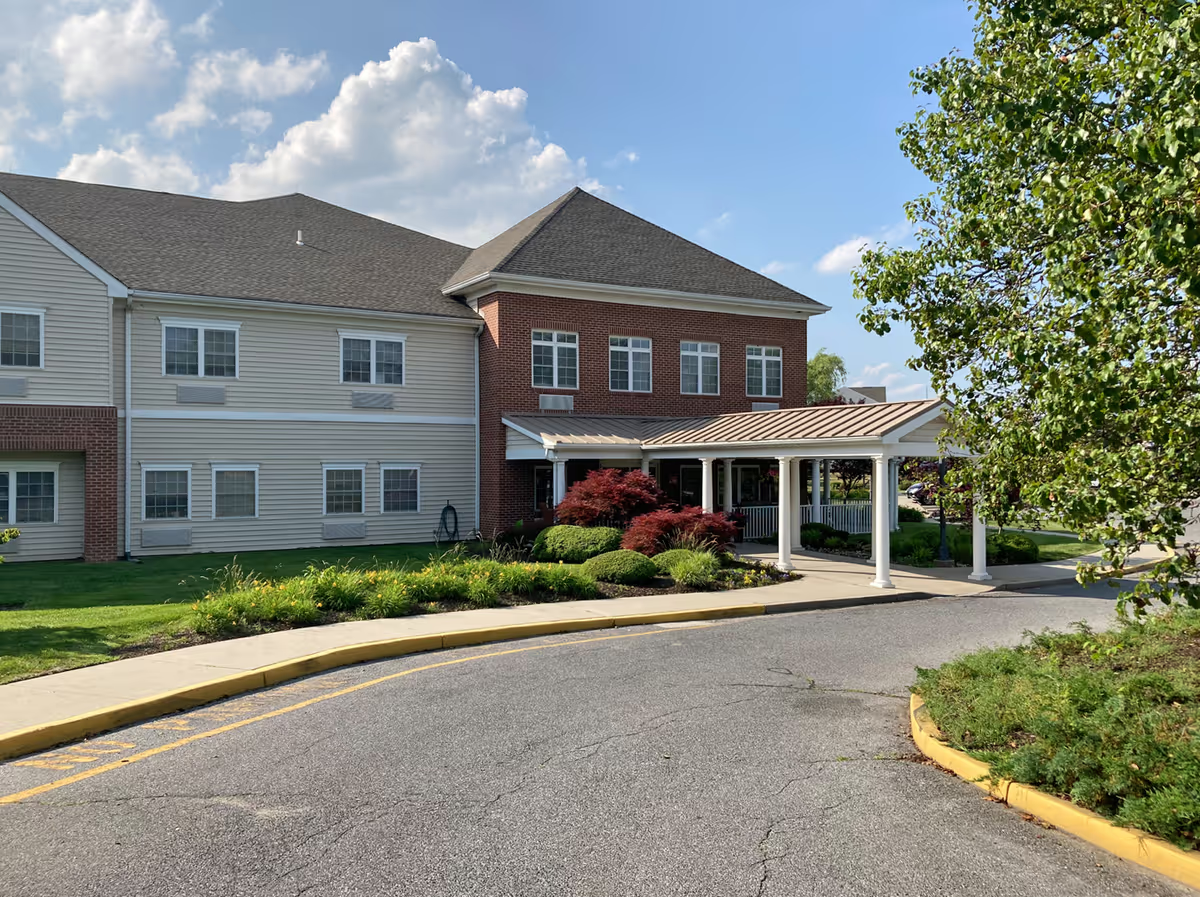
Facility condition and operations show variability. Many reviewers report clean, well-maintained common areas and rooms, but other accounts cite aging infrastructure—peeling wallpaper, stained ceiling tiles, and bathroom limitations—and localized sanitation or incontinence-care concerns. Safety practices around transfers and mobility also present a pattern of concern: several descriptions indicate difficult transfers and the need for additional oversight during mobility tasks. These point toward operational areas (maintenance, infection-control vigilance, mobility-assist protocols) that appear uneven across units or shifts.
Management and culture are similarly mixed. Several families praise an open-door leadership style, proactive social work support, and responsive administration; others describe inconsistent follow-up on incidents, unsatisfactory incident investigations, and at least one set of serious allegations involving theft and record/identity irregularities. While many staff members are described as long-tenured and family-oriented, there are intermittent accounts of short staffing, workload pressure, and variability in staff professionalism during certain shifts.
Bottom line: Atlas West Deptford demonstrates clear strengths for post-acute rehabilitation, therapy-driven recovery, and individualized support from many nursing and social-work staff. At the same time, consistent themes — variable responsiveness by shift, occasional maintenance and sanitation issues, meal inconsistencies, medication- and transfer-safety gaps, and concerns about administrative follow-through — suggest areas to evaluate closely. Recommended actions for prospective residents and families: tour during multiple times of day, ask about staffing levels and shift coverage, review medication-administration and transfer protocols, confirm dietary accommodations with the dietitian, and request documentation of incident-response and recovery outcomes before admission.