The reviews for Complete Care at Summit Ridge present a polarized picture: many families and residents describe strong rehabilitative outcomes, engaged therapy teams, and caring front-line staff, while others describe operational and clinical shortcomings that affected care continuity and safety. Positive accounts emphasize effective physical and occupational therapy, an active calendar of social and spiritual activities, renovated common areas and outdoor spaces, and several administrators and social workers who were responsive and accessible. These strengths align with the facility’s apparent capacity for short-term rehabilitation and for creating a family-like, socially engaging environment for many residents.
Care quality shows clear variation by unit and over time. Numerous reviews highlight prompt therapy, helpful staff education on movement and healing, and successful short-term rehabilitation progress. Counterbalancing that, there are multiple accounts of clinical management issues: delayed or inconsistent medication administration, wound-care and infection-management gaps, and transfers to acute care for complications. Some reviewers described insufficient physician presence or oversight on the units, and a pattern of discharge/transfer coordination problems. Those patterns suggest that while rehabilitation services can be a strong point, clinical oversight and continuity of higher-acuity care are areas of concern.
Staffing and staff conduct are recurring themes. Many reviewers praise individual CNAs, nurses, therapists, and front-desk personnel as compassionate, attentive, and communicative. At the same time, other reviews describe slow call response times, perceived rudeness or unprofessional conduct, and variability in aide assignment and performance. Short-staffing—exacerbated at times by COVID-related staffing gaps—is cited as a contributor to delayed responses and uneven care. Family communication is similarly inconsistent: some administrators and social workers are described as proactive problem-solvers, whereas other accounts describe poor updates, inaccurate information, and difficulties during admissions or discharge planning.
Dining and activities are frequently mentioned as positives, with multiple references to enjoyable meals, organized activities, on-site church services, and outdoor visiting spaces that support resident engagement. However, there are intermittent complaints about meal accuracy and delivery (examples include substitutions or missing ordered items), indicating variability in food-service execution.
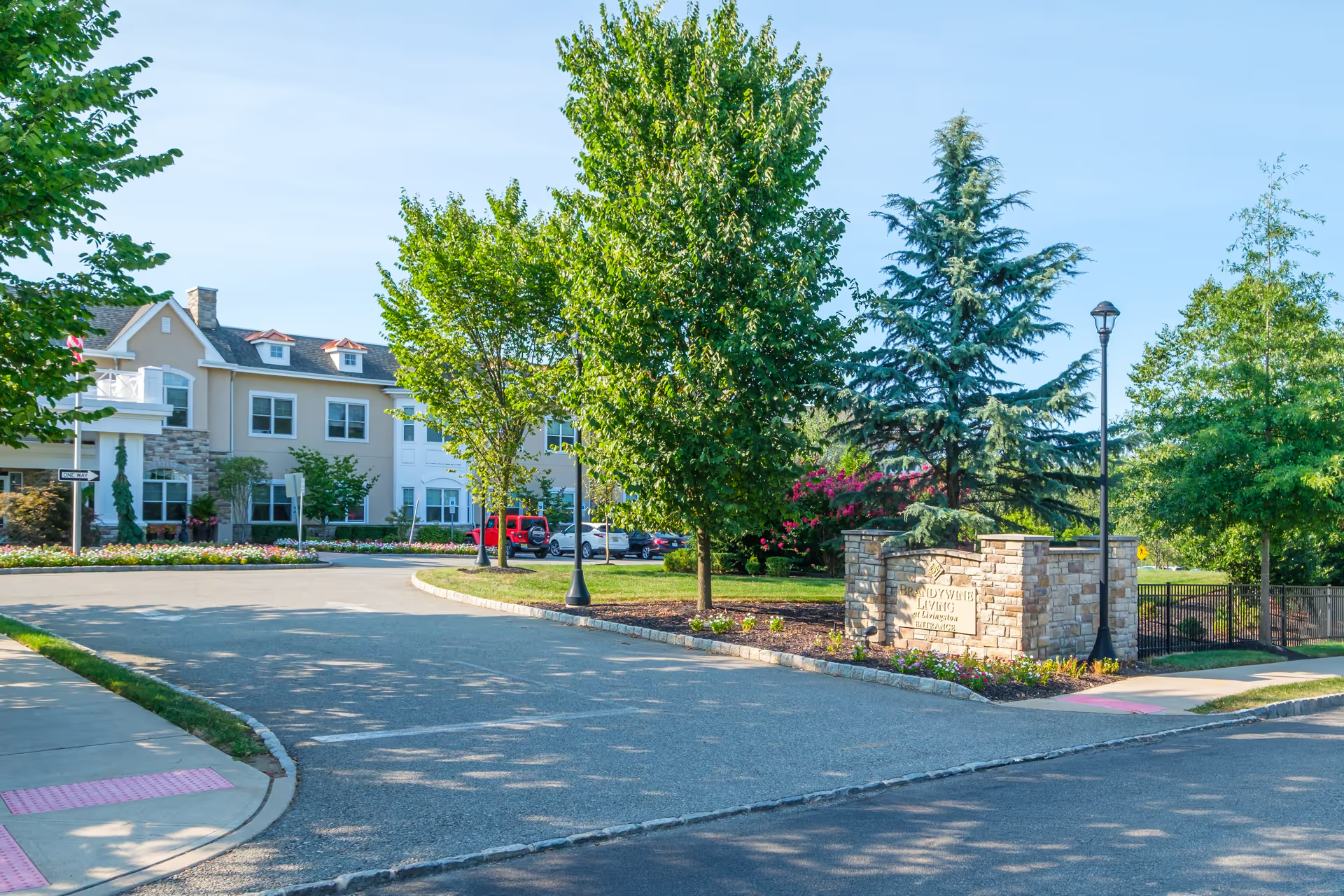
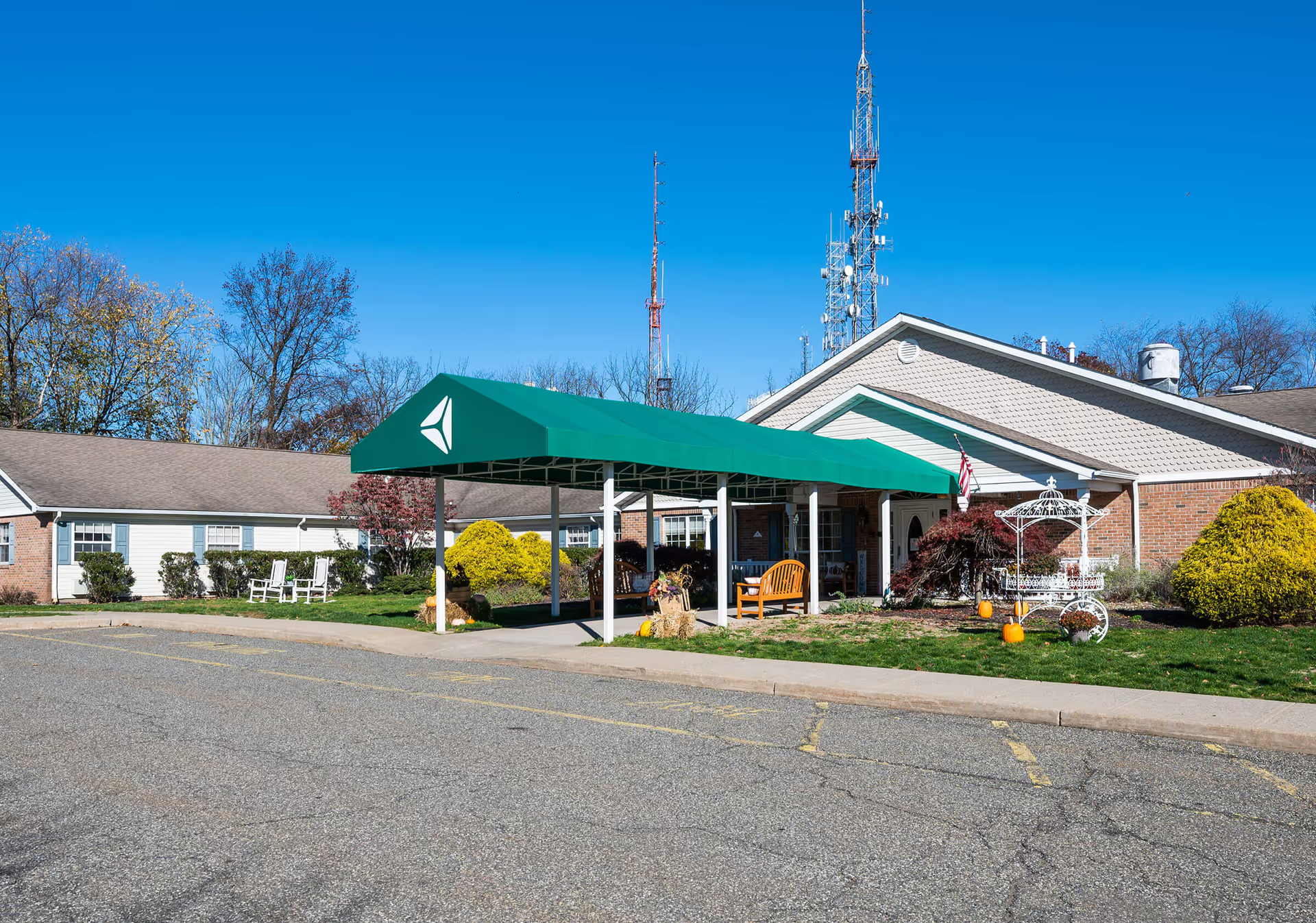
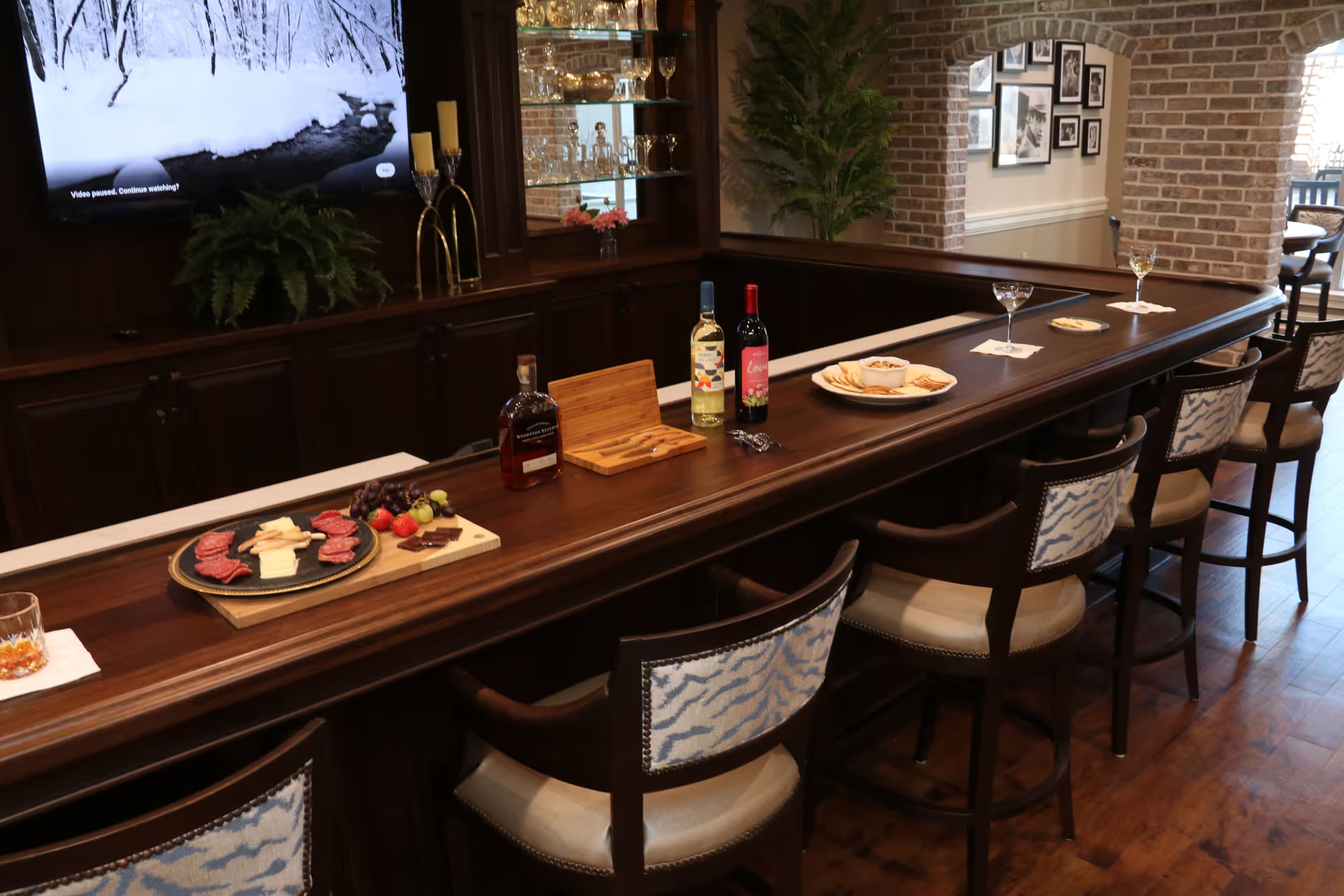
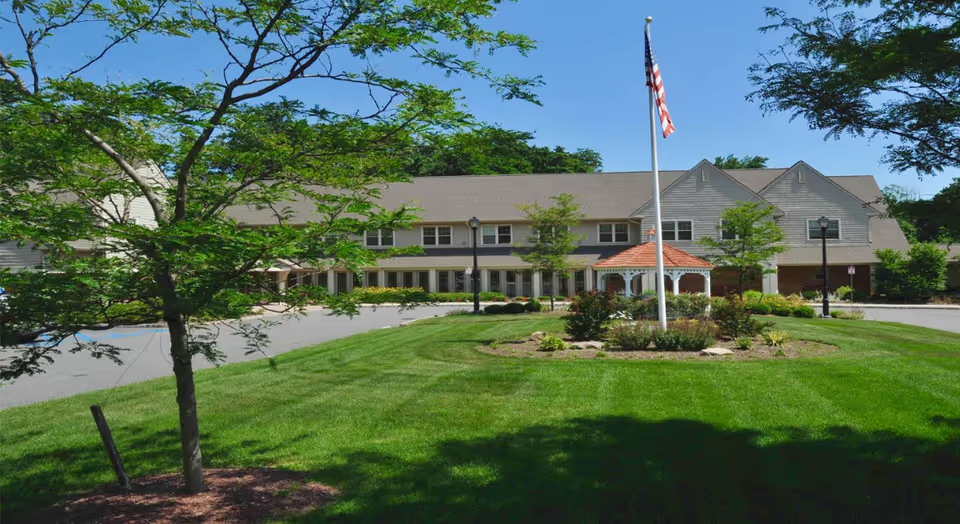
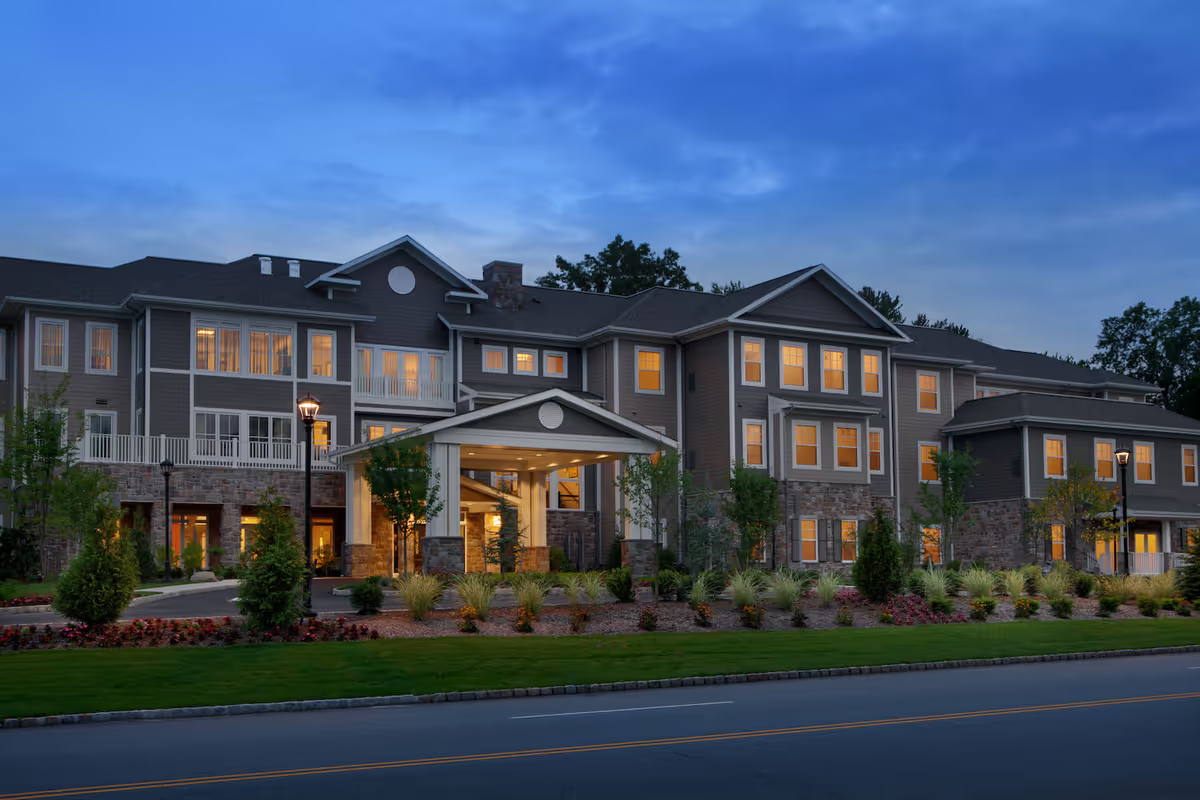
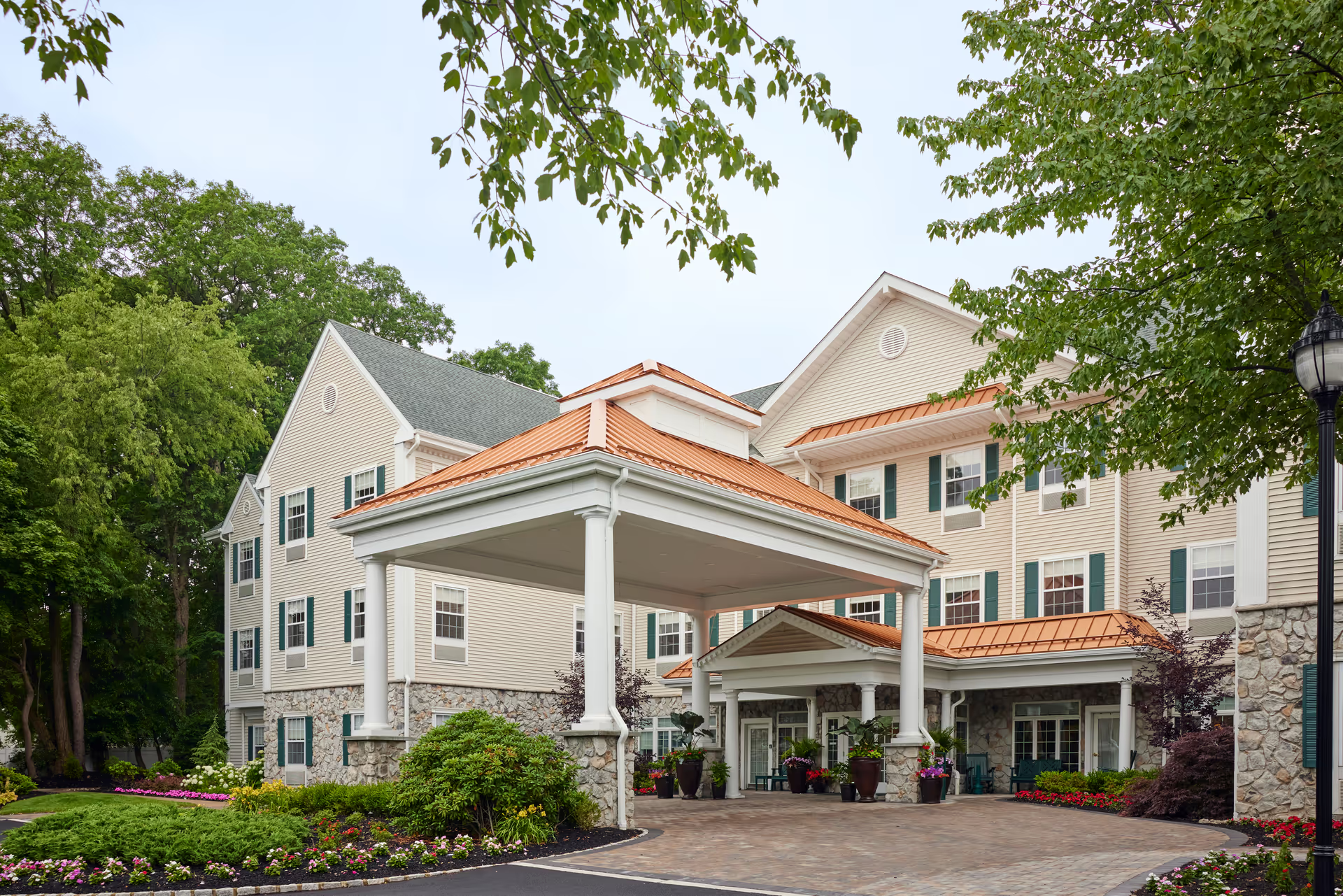
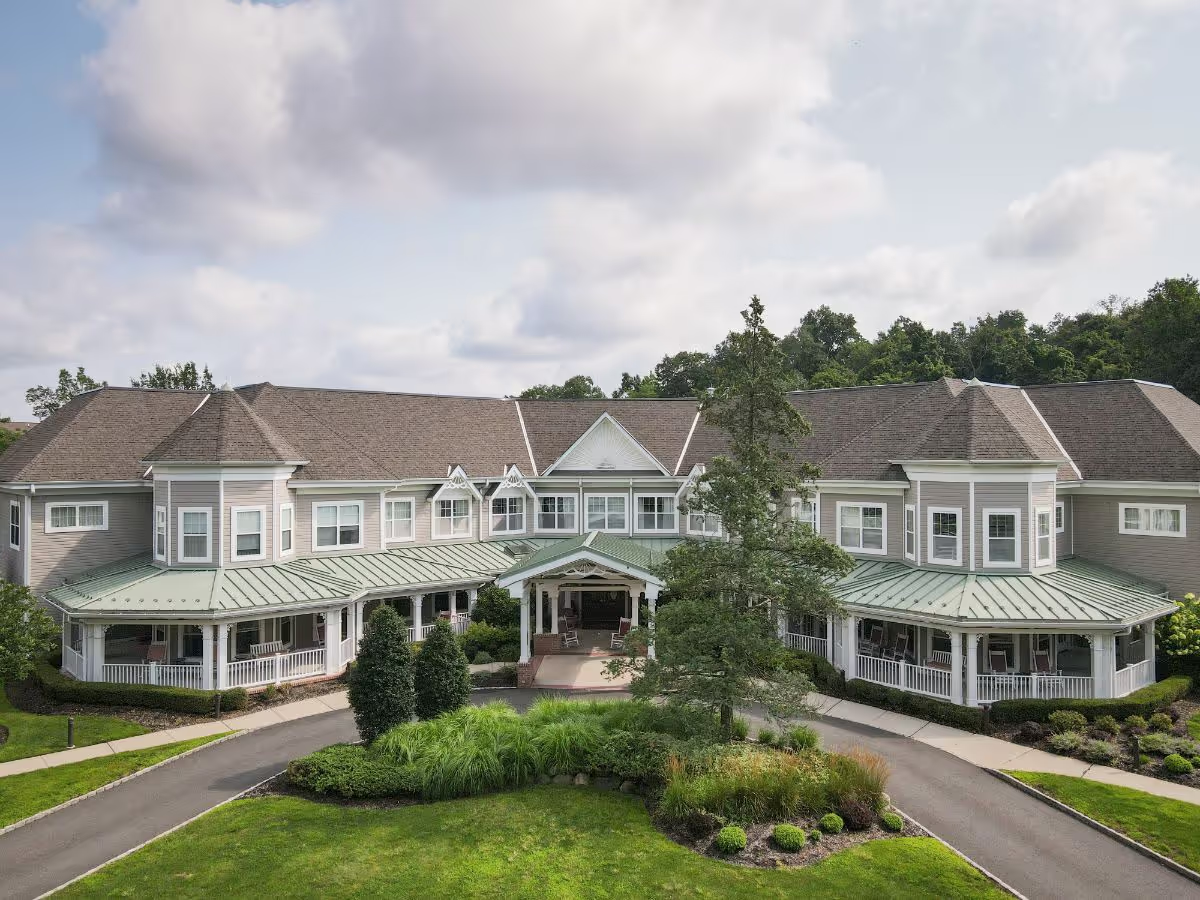
Facility condition reflects mixed impressions. The property includes renovated, attractive common areas and a pleasant outdoor patio; several reviewers note clean private rooms and a home-like atmosphere in updated sections. Conversely, other reviewers describe dated rooms, maintenance issues (broken beds, peeling surfaces, non-functioning blinds), sanitation and odor concerns in particular units or hallways, and isolated pest-control issues. Reports of missing personal items and inadequate tracking of resident belongings indicate weaknesses in property security and inventory controls.
Management and organizational patterns are inconsistent. Several reviews single out administrators and social workers who are responsive, visible, and effective at resolving issues; other reviews describe administrative unresponsiveness, poor communication, and a lack of transparency in admissions and billing. There are even more serious claims in some accounts, including allegations of billing irregularities and poor admissions transparency; these allegations warrant direct inquiry by prospective families and may require verification through regulatory channels.
Notable overall patterns: satisfaction appears to cluster around rehabilitative residents and areas under recent renovation or under engaged leadership, while dissatisfaction concentrates around units with staffing shortages, maintenance deficits, and lapses in clinical oversight. The facility appears to have undergone leadership and ownership changes that several reviewers say produced measurable improvements; this suggests unit-level and time-dependent variability.
For prospective residents and families: inspect the specific unit where the resident will live or receive care, ask for current staffing ratios and physician coverage, review medication- and wound-care protocols, verify meal-service practices and property-item policies, and request written explanations of admission/billing terms. Also consider asking for recent inspection reports or documented corrective actions related to sanitation, maintenance, and clinical incidents. These steps can help clarify whether the aspects praised in many reviews are present in the unit and time period you are evaluating, and whether the operational weaknesses raised in other reviews have been addressed.