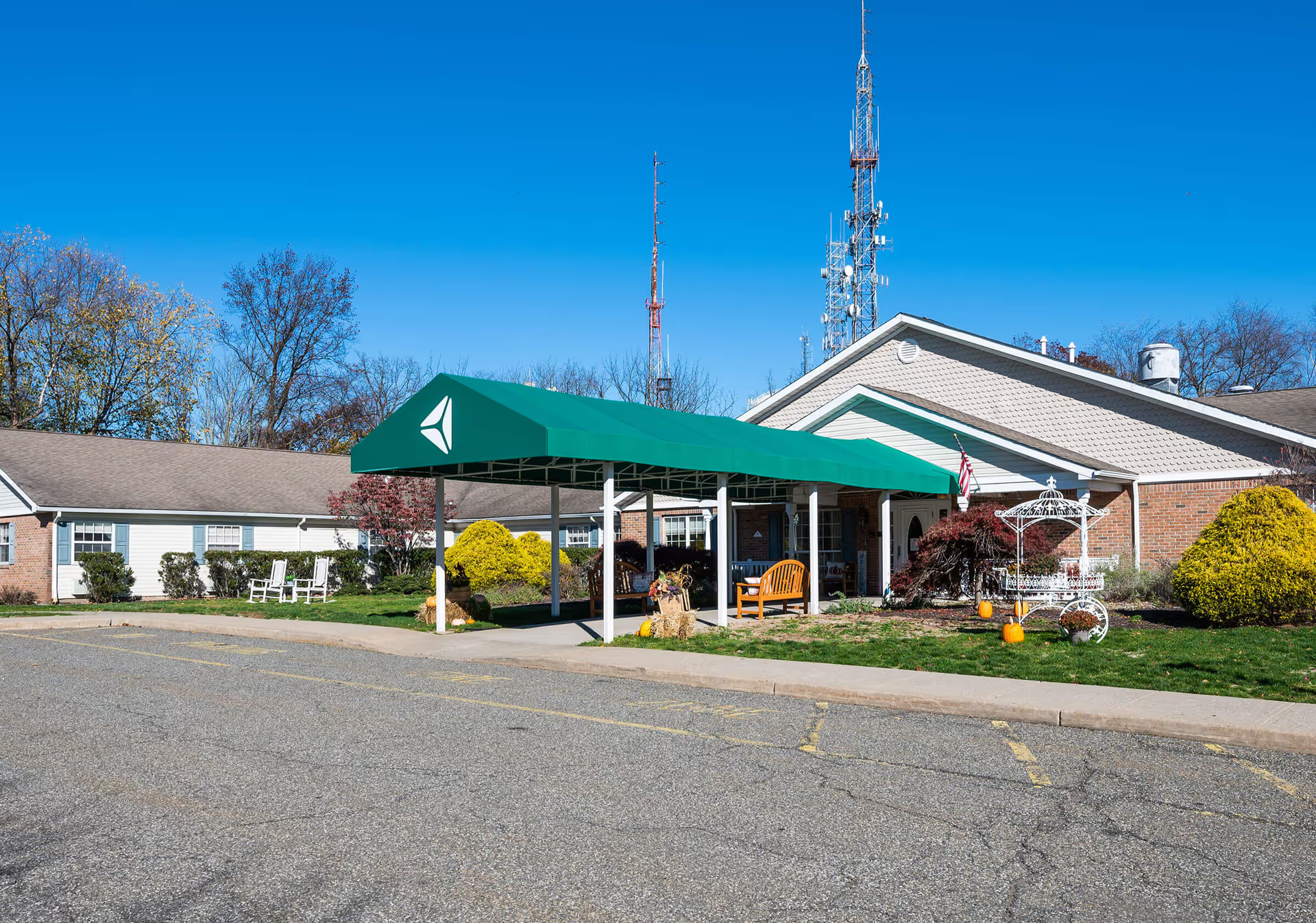
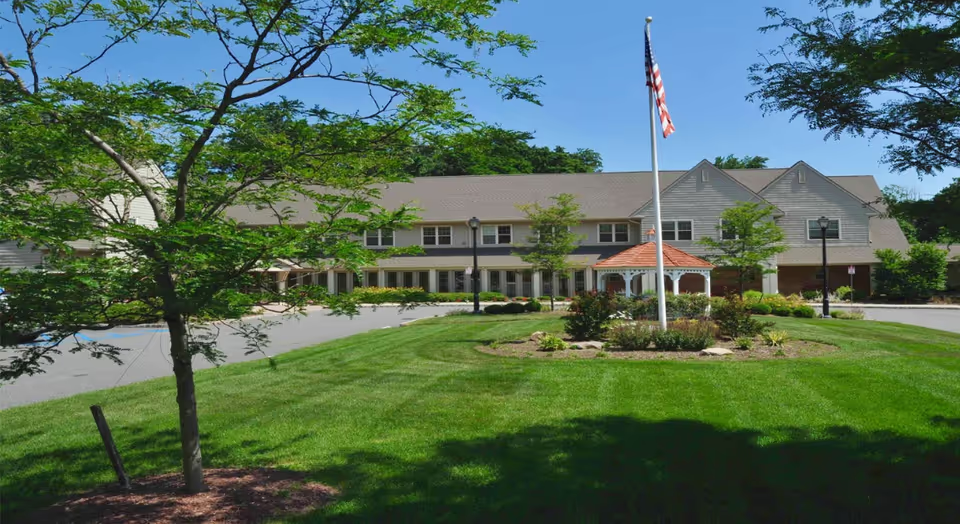
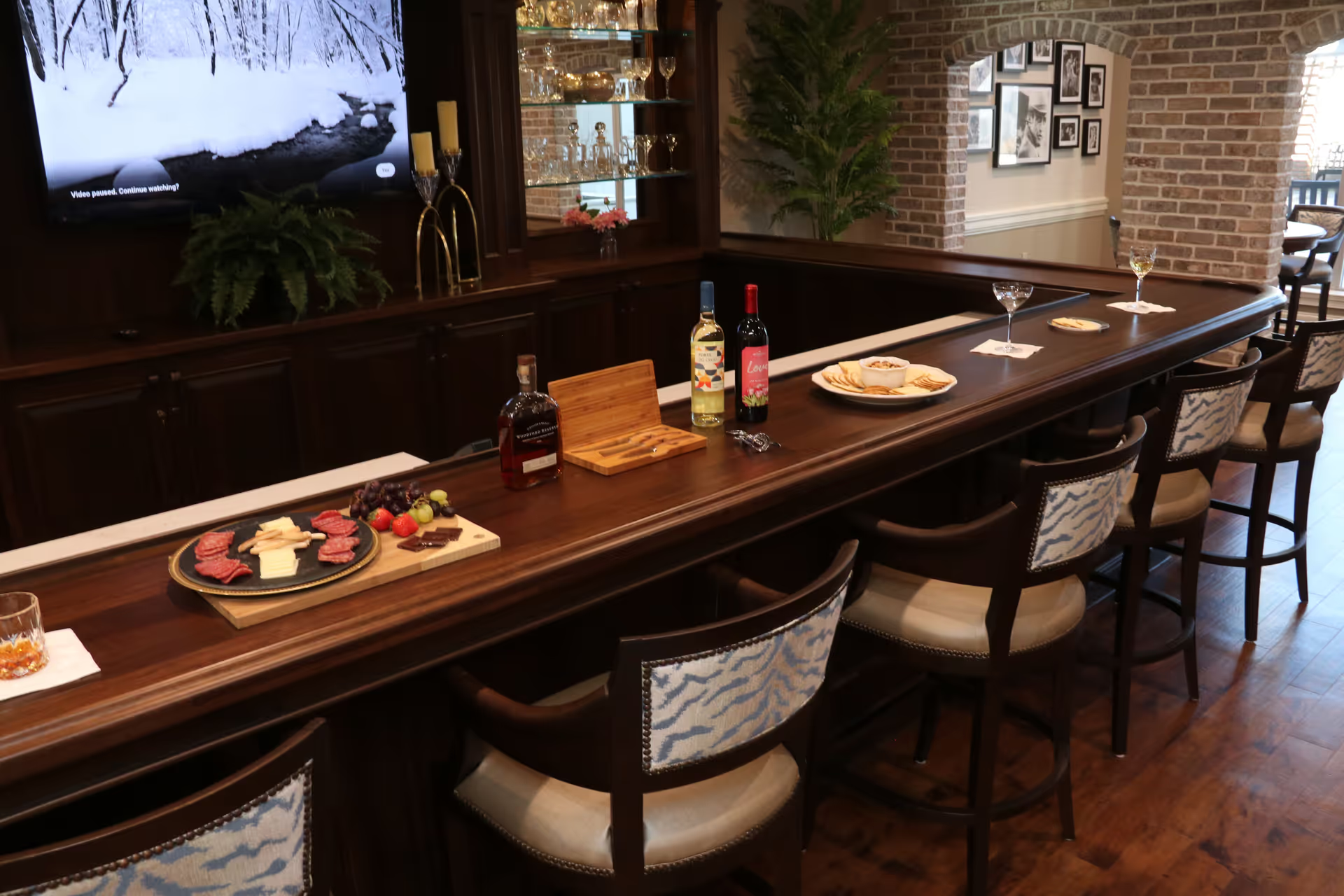
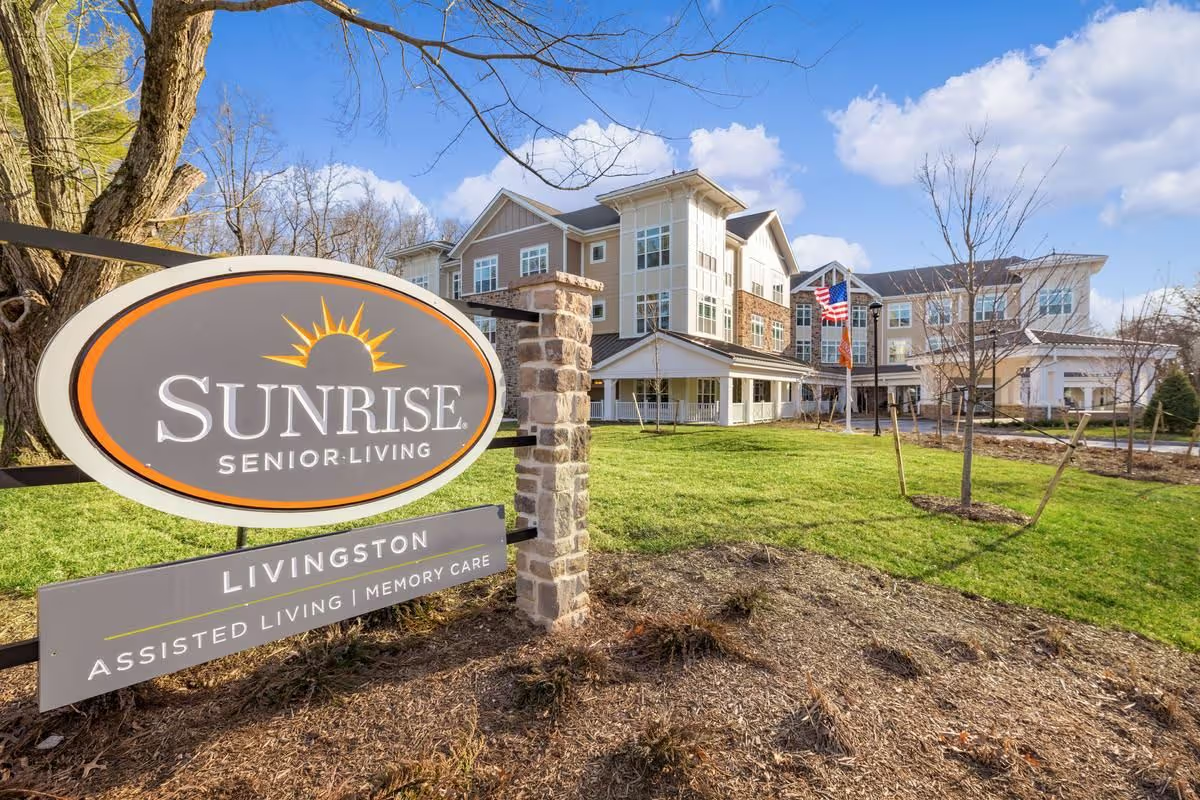
Daughters of Israel Home elicits mixed impressions across reviewers, with distinct strengths alongside recurring operational concerns. Many families and volunteers describe comfortable accommodations, pleasant outdoor areas, and visitor-friendly spaces. The facility provides kosher dining options and holiday programming, and several accounts highlight active recreational programming, posted schedules, and opportunities for social engagement. On the clinical side, reviewers acknowledge that the facility offers sub-acute rehabilitation and long-term care tracks, with several families noting effective physical and occupational therapy and skilled medical clinicians in some units.
Care quality and staffing present a bifurcated picture. Positive accounts emphasize compassionate direct-care staff and responsive nursing in certain units, while other accounts describe inconsistent nursing care, long waits for assistance, and chronic understaffing that affects timely toileting, mobility assistance, and response to call bells. There are multiple indications of variability across units and shifts, suggesting that experience can depend heavily on staffing level and specific floor assignment. Several families praised therapy teams and medical clinicians for productive rehab outcomes; others reported interruptions in therapy continuity.
Dining and housekeeping are also areas of contrast. The facility supports kosher meals and special holiday accommodations, and some reviewers praise the laundry service and meal variety. However, multiple accounts cite unreliable meal timing, food served at inappropriate temperatures, delayed feeding assistance, and occasional tray/cleanliness issues. Sanitation concerns are described in some rooms and bathrooms, and reviewers point to inconsistent housekeeping outcomes across the facility.
Clinical controls, documentation, and infection prevention emerge as prominent concerns. Reviewers described gaps in admission records and clinical documentation, inconsistent use of personal protective equipment, and variable infection-control practices. A few families reported adverse clinical developments that led to hospitalization and raised questions about clinical oversight and end-of-life care coordination. These are serious issues that prospective families should clarify with facility leadership and through inspection of current licensing and inspection records.
Management and communication patterns are mixed. Positive notes include accommodating staff, accessible social workers on some units, and volunteer involvement that contributes to a home-like environment. Conversely, reviewers cite uneven management oversight, limited social-work resources in certain cases, and difficulties obtaining timely communication or satisfactory resolutions for care concerns. Cost perception varies; some find services commensurate with amenities, while others describe out-of-pocket expenses for supplemental aides or services to ensure adequate assistance.
For prospective residents and families: the facility offers clear strengths in cultural programming, some strong clinical and therapy teams, and pleasant physical amenities. At the same time, consistent themes to investigate during a tour and care-planning conversations include staffing ratios and response times on the specific unit you are considering, infection-control protocols, documentation and admission processes, meal-service practices, and availability of social-work and care-coordination support. Asking for current staffing levels by shift, recent inspection reports, and examples of how the facility addresses hygiene and clinical documentation gaps will help assess fit and risk for an individual resident.