Reviews for Green Hill Senior Living and Rehabilitation are highly polarized: many families describe excellent rehabilitation outcomes, compassionate caregivers, and a comfortable, homelike setting, while others raise substantive operational concerns. Strengths most consistently cited include a robust therapy program (PT/OT), attentive aides and nurses, private room options that are clean and recently updated, and a full continuum of care from independent living through skilled nursing. Several reviewers also praised the activities program, outdoor spaces, transportation to appointments, and certain administrative staff who were helpful during admission and care transitions.
Care quality and staff: Clinical strengths are apparent in the facility’s rehabilitative services and in individual staff members who receive frequent positive mention for responsiveness and skill. However, reviewer accounts identify inconsistent staffing patterns—particularly on nights, weekends, and holidays—and variability in staff experience when agency or recently graduated personnel are used. This inconsistency correlates with reports of delays in responding to call bells, uneven assistance with activities of daily living, and concerns about medication administration and clinical oversight. A few reviews include serious allegations relating to medication handling and withheld paperwork; these appear as isolated but significant concerns and merit direct inquiry during any placement discussion.
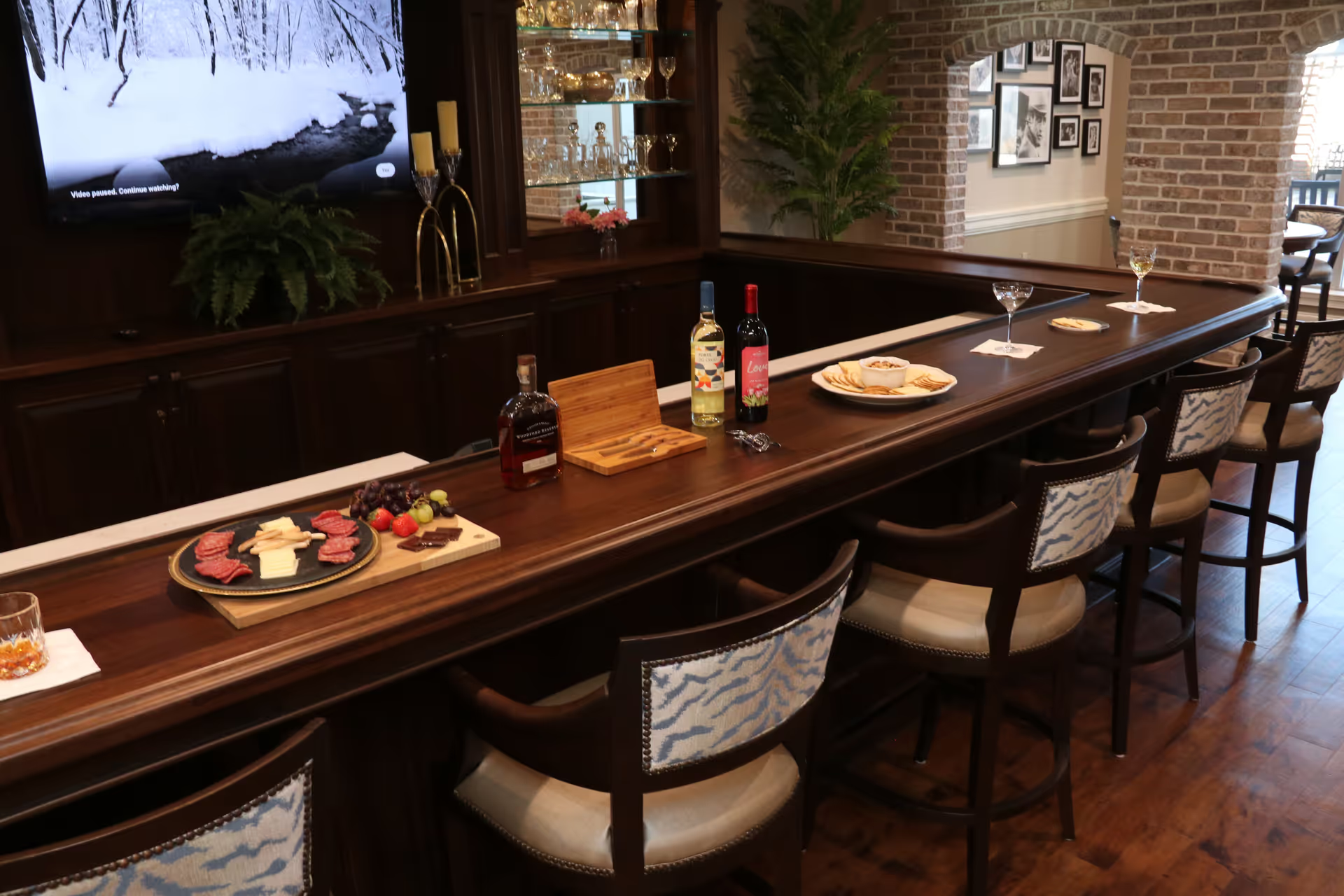
Dining and activities: Many families complimented engaging activities, bingo, crafts, and a coordinated recreation schedule that supports social engagement. Therapy-driven activities are frequently credited with measurable functional improvement. Opinions about dining are mixed: some reviewers describe high-quality, varied meals, while others report inconsistent food temperature, limited diet accommodations, or monotony in menu options. Prospective residents should confirm dietary planning and special-diet protocols if nutritional needs are a priority.
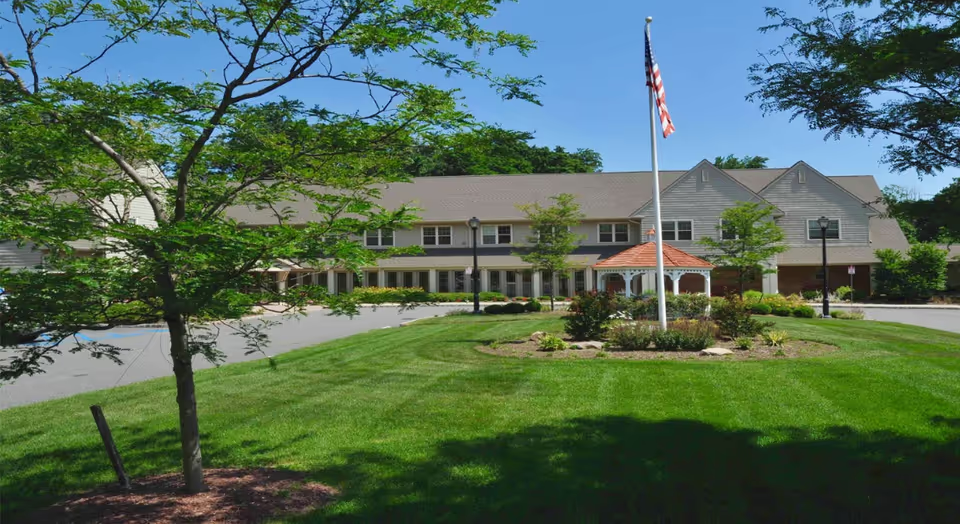
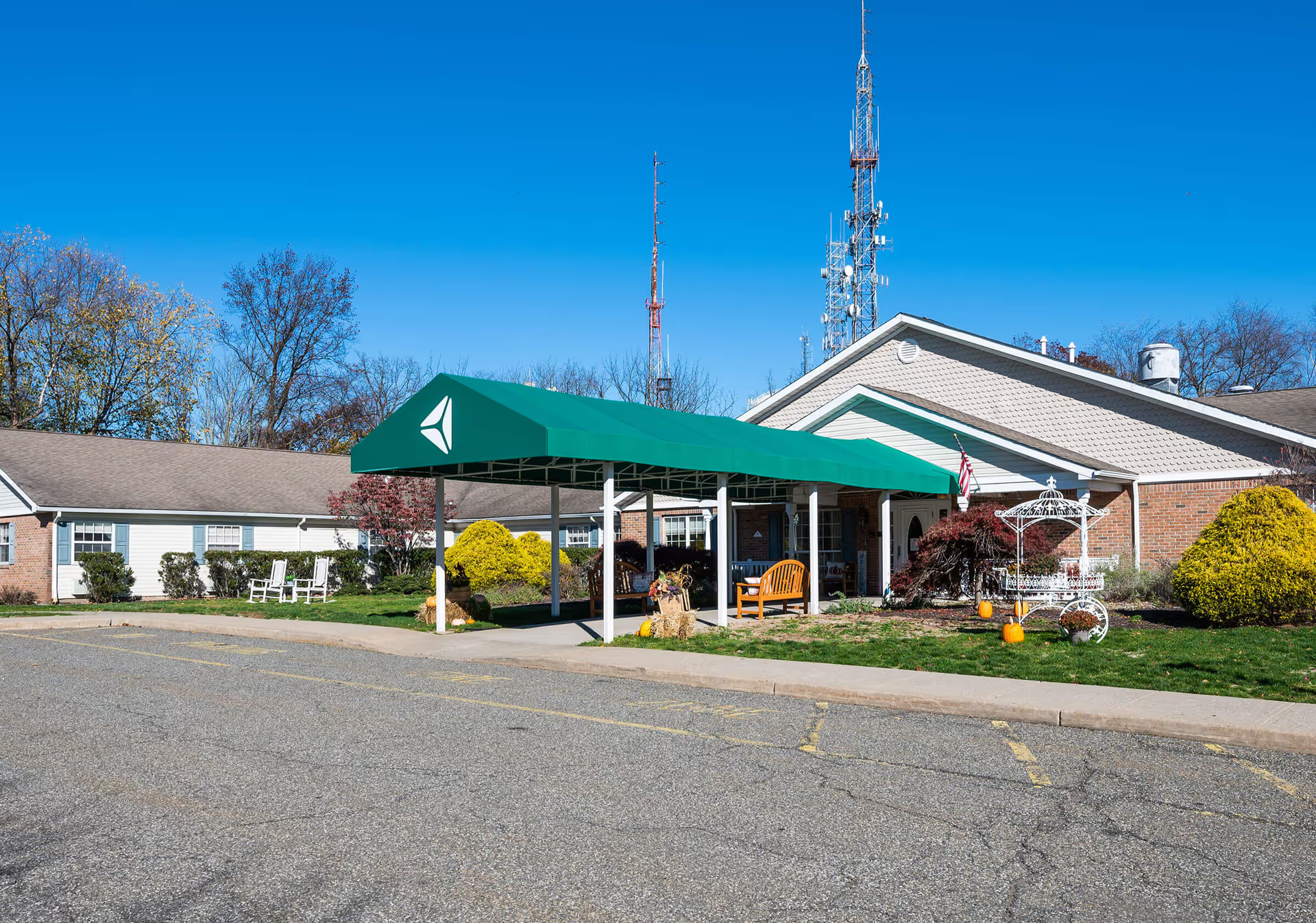
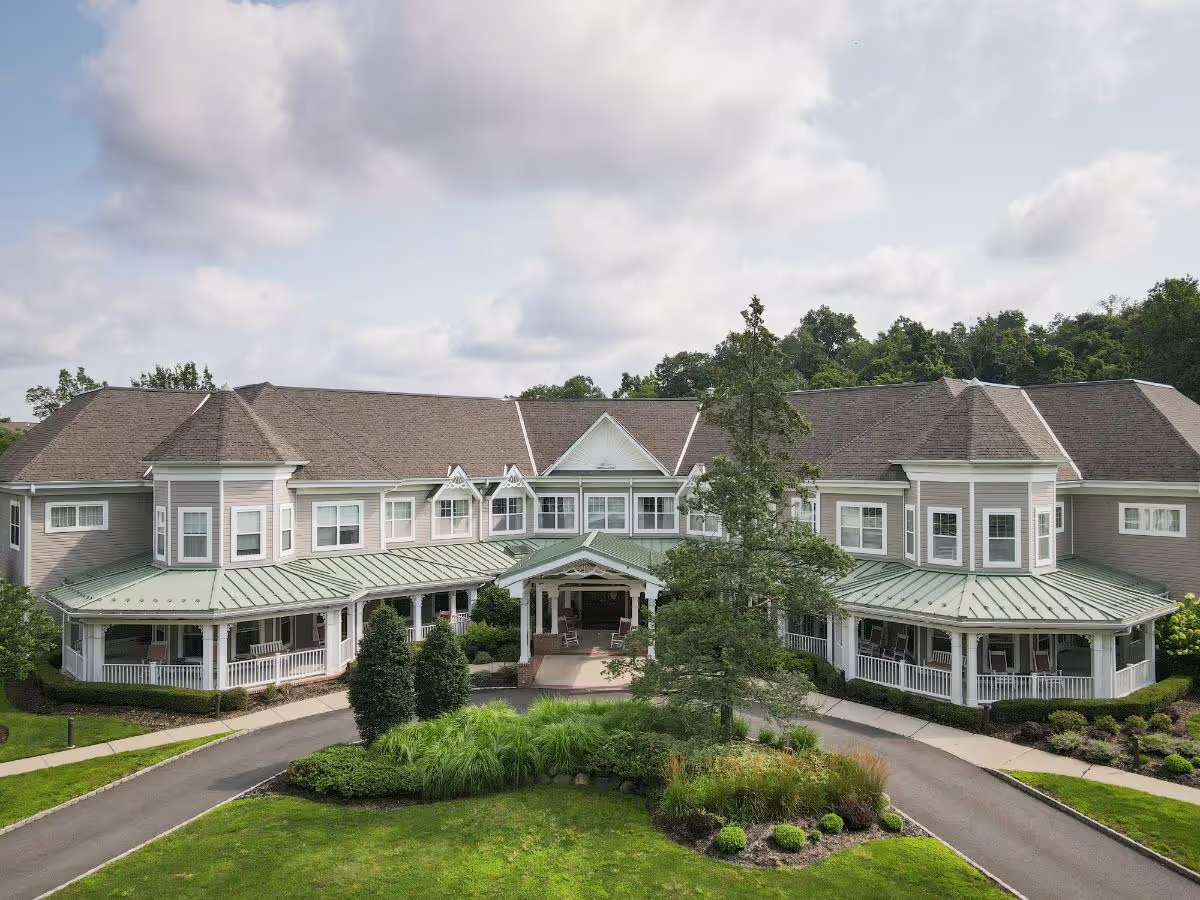
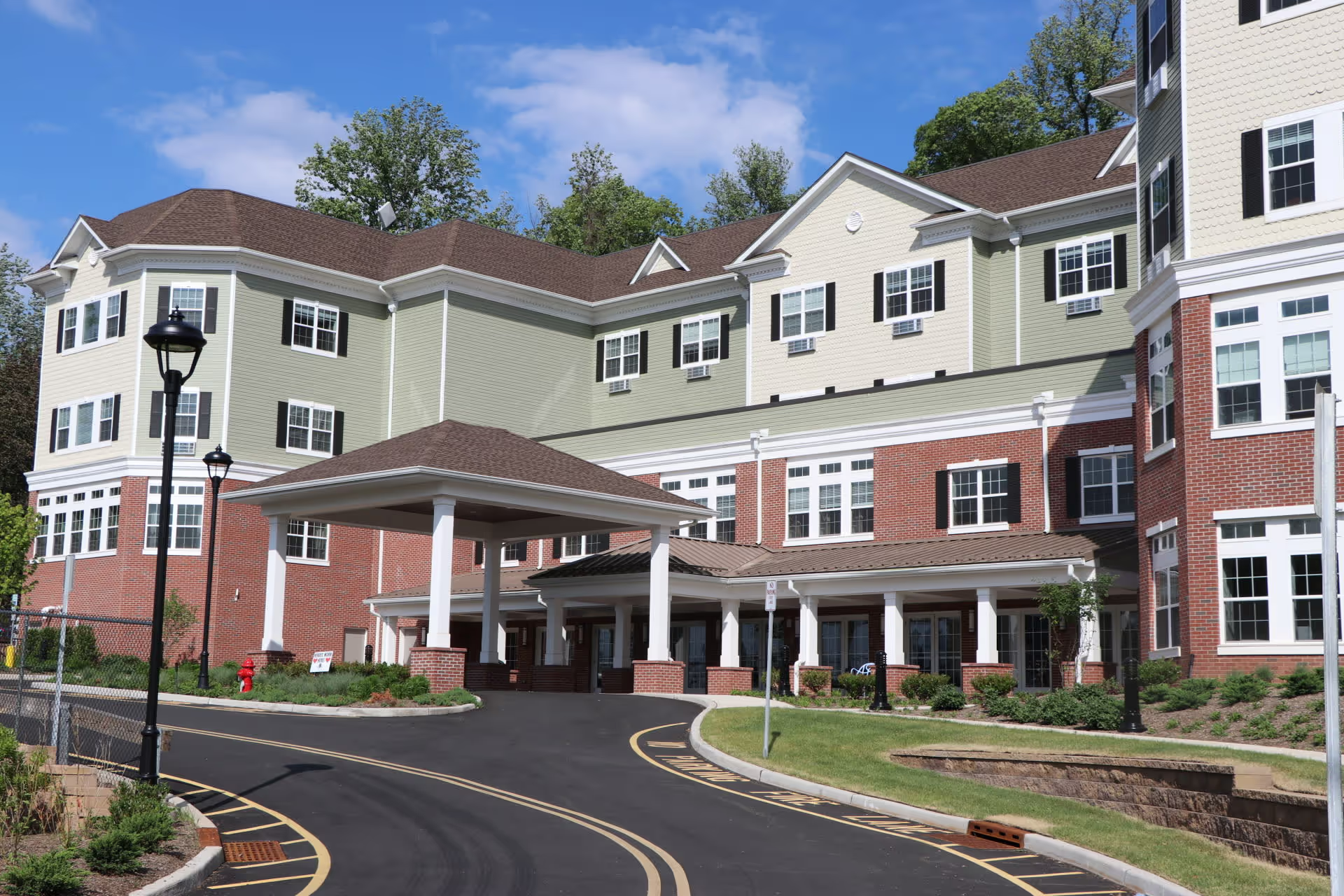
Facilities and sanitation: The property presents a contrast between renovated private rooms and older common areas. Positive comments note clean, well-kept renovated rooms and attractive outdoor spaces. At the same time, other reviewers describe sanitation and odor concerns in certain common areas, and multiple comments point to aging infrastructure (dated finishes, elevators needing attention, worn furnishings) that affects the environment. Housekeeping and linen availability also appear inconsistent in some accounts.
Management and operations: Administrative experiences range from highly supportive to frustrating. Strengths include helpful admissions, social services support, and staff who proactively communicate clinical updates. Operational weaknesses reported include poor family communication about status and discharge, disorganized admission/discharge paperwork, billing and refund delays, and occasional pressure around payment or placement decisions. Several reviewers recommend verifying staffing ratios, reviewing the use of agency staff, and obtaining clear discharge and billing timelines before admission.
Notable patterns and guidance: The overall pattern is one of strong clinical and rehabilitative capability tempered by variability in day-to-day execution—staffing consistency, communication, meal service, and facility maintenance are the clearest areas of divergence. Prospective residents and families should tour multiple times (including evenings/weekends), meet staff across shifts, request recent state inspection reports, ask for written policies on medication management and infection control, confirm diet and laundry/linen protocols, and obtain clear written expectations about staffing ratios and discharge procedures. Doing so will help align expectations with the facility’s mixed operational profile and identify whether the strengths highlighted by many reviewers match an individual resident’s needs.