Crestwood Village Five presents a mixed picture that will appeal to buyers prioritizing location, social programming, and an inclusive-fee structure, while prompting caution for those sensitive to governance style and transparency. Strengths cited across reviews include a convenient regional location with easy access to healthcare, a clubhouse with a free gym and library, complimentary bus transportation, and an active social calendar that features dances, bingo, monthly flea markets, movies, game nights, first-aid and technology classes, and organized trips. The community is described as well landscaped with a variety of home models and condo-style ownership; HOA fees are perceived by many as covering a broad range of services.
Information about clinical or assisted-care services is minimal in the available comments; this appears primarily to be a 55+ residential/condo community rather than a licensed care facility. A few reviewers raised concerns about emergency-response practices, so prospective residents or families should clarify emergency protocols, on-call services, and response times prior to moving in.
Staff and day-to-day interactions are described in divergent terms. Several residents praise front-desk and activity staff, and activity leaders receive specific positive mention for keeping programming engaging. At the same time, there are repeated statements about management and certain administrative staff exhibiting a confrontational or uncompromising tone. The pattern described points to variability in customer-service experience—some residents find staff compassionate and helpful, while others describe poor communication, ignored phone calls, and unilateral enforcement actions from the association.
Dining-specific feedback is essentially absent; reviews do not provide substantive information about on-site meal services or a community dining program. Prospective residents should verify whether meal services exist and, if important, request menus, staffing information, and inspection histories directly from management.
Activities and amenities are generally a positive feature: a robust social program (when operations are fully open) and recurring events that support an active retirement lifestyle. COVID-19 was noted as having reduced in-person programming for a period, which aligns with many communities’ pandemic experiences; several reviewers express eagerness for a full reopening of activities. However, some residents perceive activity offerings as limited or permission-driven, so the daily social environment may depend on current leadership and post-pandemic recovery of programming.
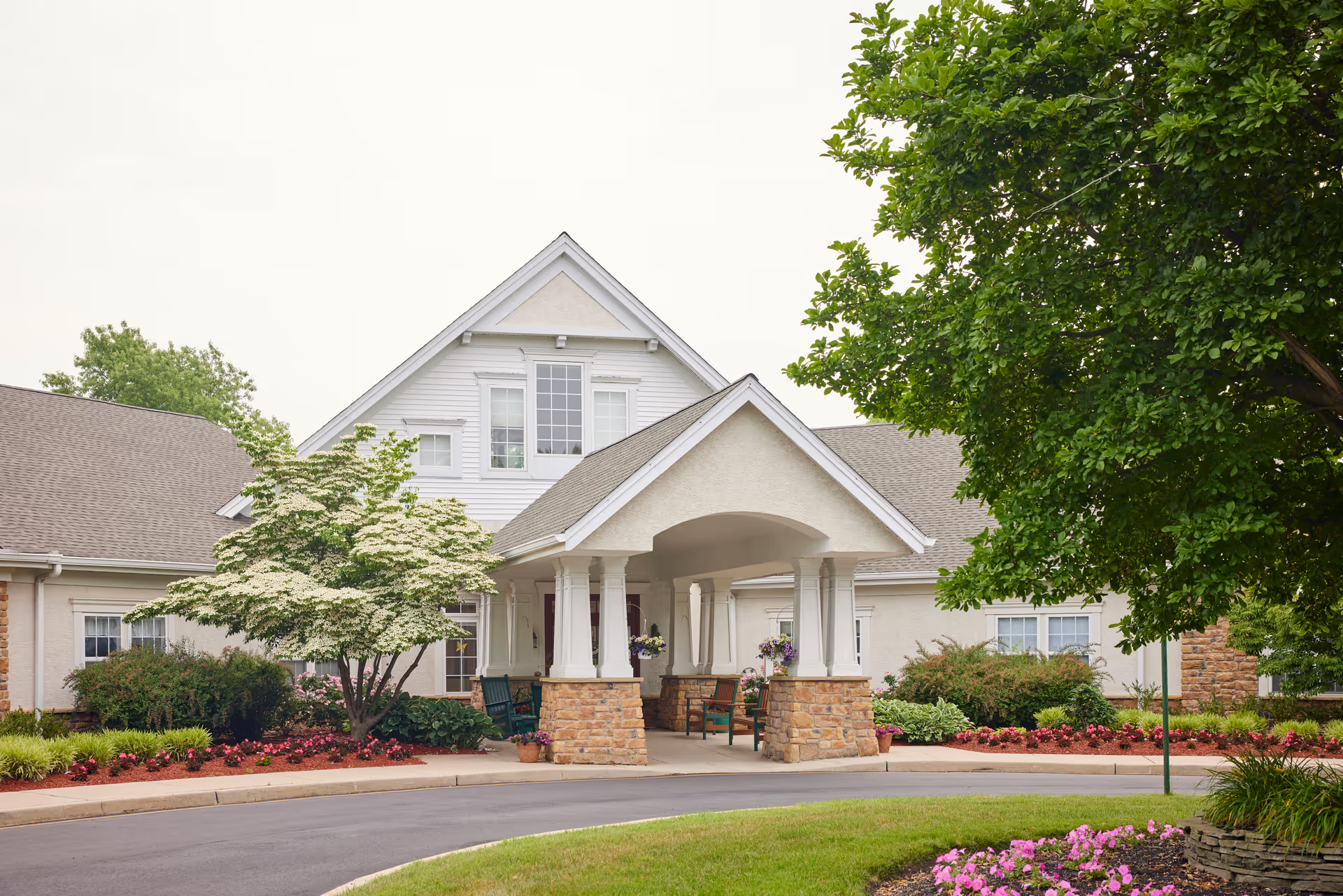
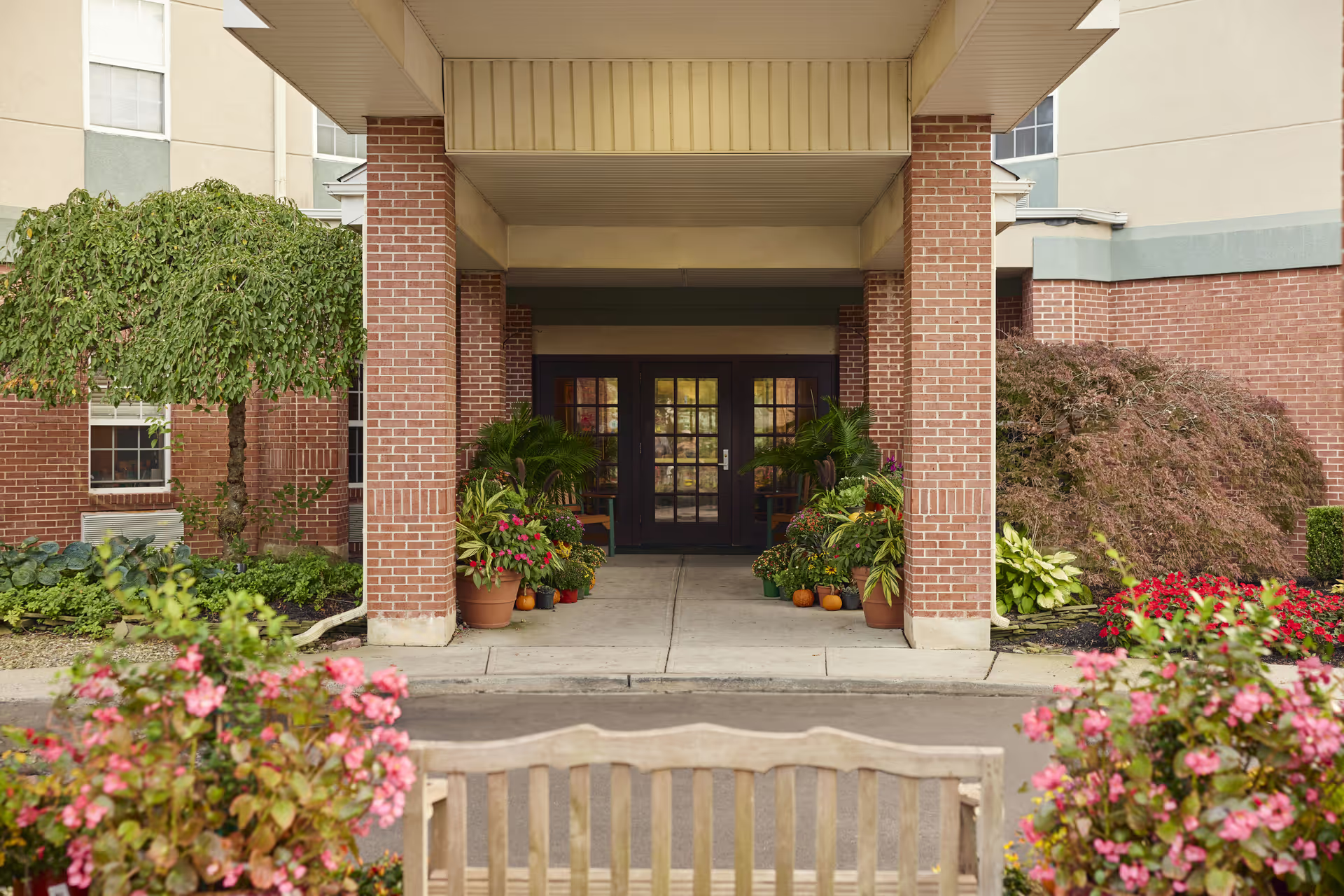
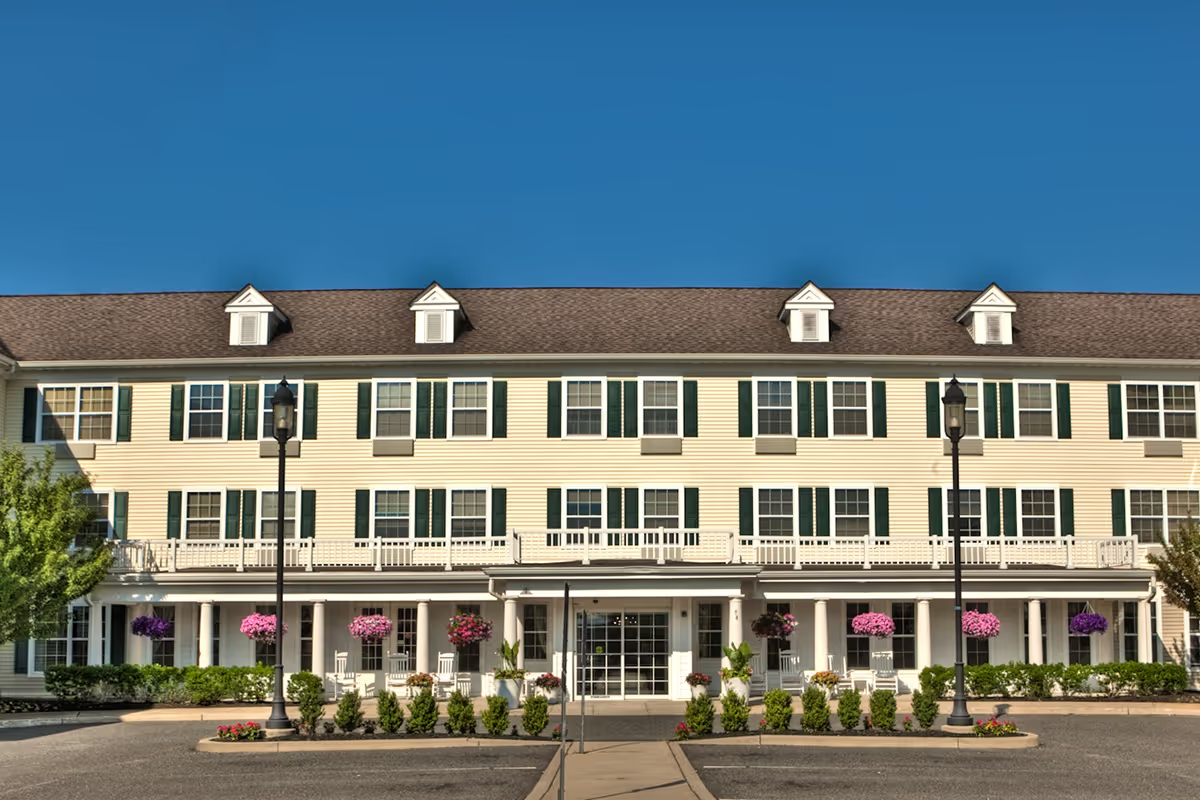
Facilities are described as pleasant in many areas (landscaping, some clubhouse improvements), but reviewers also point to inconsistent upkeep: needs for exterior cleaning/pressure washing, trash management, and other maintenance tasks were raised. There is also specific concern about wildlife on the grounds (deer/turkeys) which may be a consideration for outdoor maintenance and landscaping plans.
Management and governance are the most frequently cited area of concern. Reviews suggest an authoritarian HOA governance style with strict enforcement of bylaws, fines, and collections actions; examples include fines for unauthorized modifications, requirements to submit paperwork for home changes, and instances where repairs or approvals were disputed. Several comments reference lack of transparency around fines and fees, the use of legal counsel funded by maintenance accounts, and challenges in accessing or understanding governing documents. The community’s ownership mix (allowing non-resident owners and rentals) is also noted as an influencing factor in community priorities and enforcement practices.
Overall pattern and practical advice: Crestwood Village Five offers a strong set of location-based advantages and a social infrastructure appealing to active retirees, but it also exhibits recurring governance and communication issues that prospective residents should investigate. Recommended pre-move actions include reviewing HOA bylaws and financial statements, asking for written explanations of fine and appeals procedures, confirming maintenance and emergency-response protocols, speaking with current residents about day-to-day management, and conducting a walk-through of exterior and common-area upkeep. Those who prioritize a vibrant social calendar and comprehensive HOA-covered services may find the community attractive; those seeking a more collaborative or transparent HOA environment should proceed with careful due diligence.