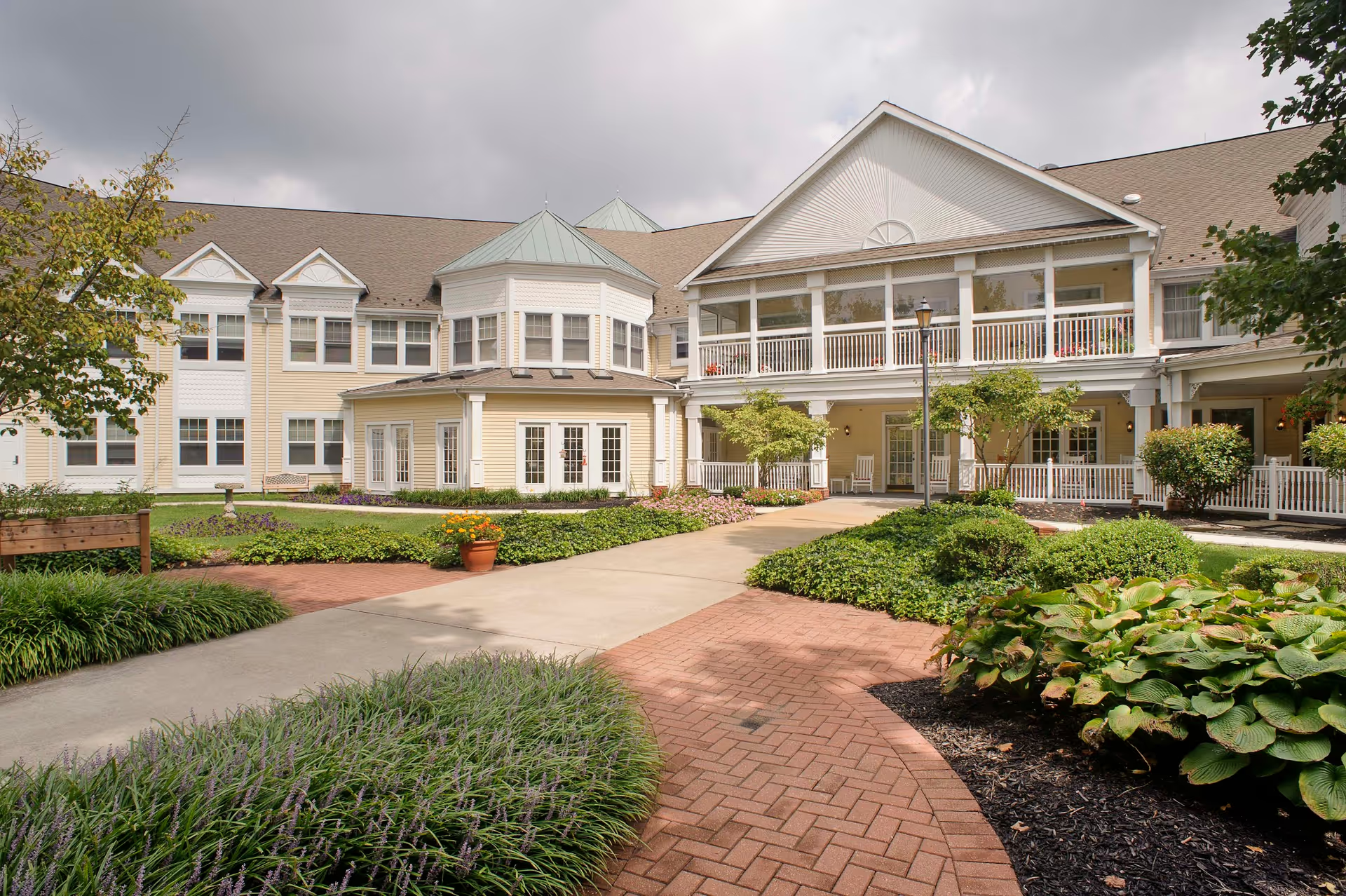
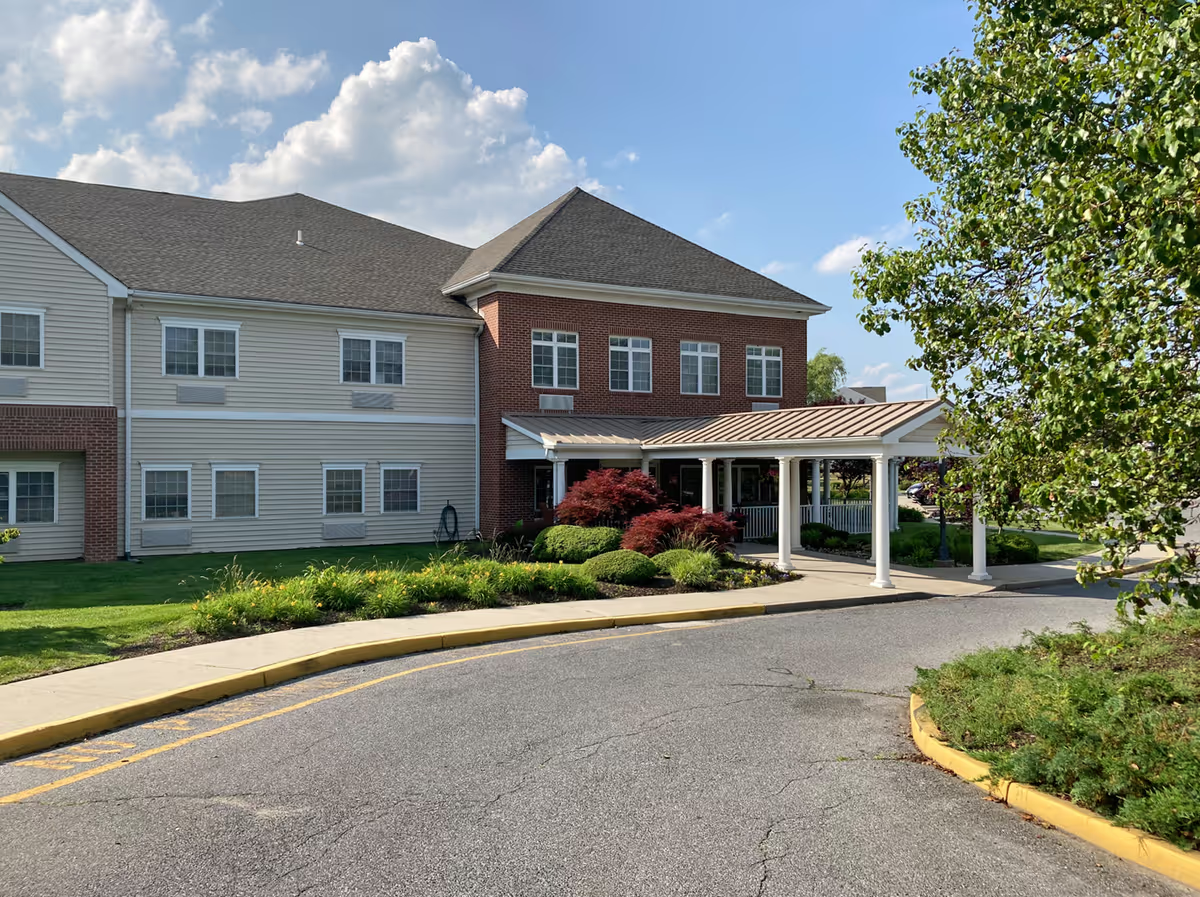
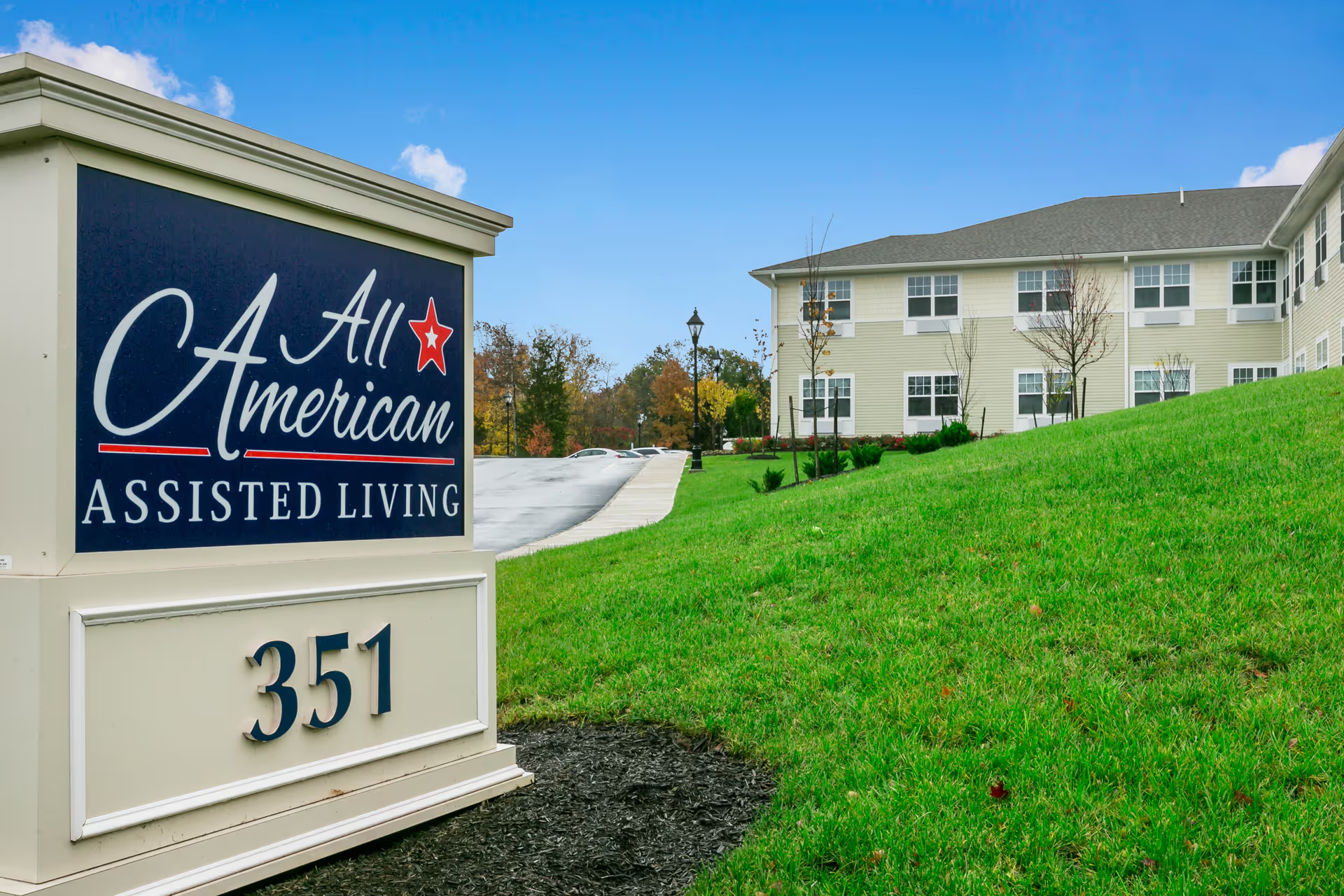
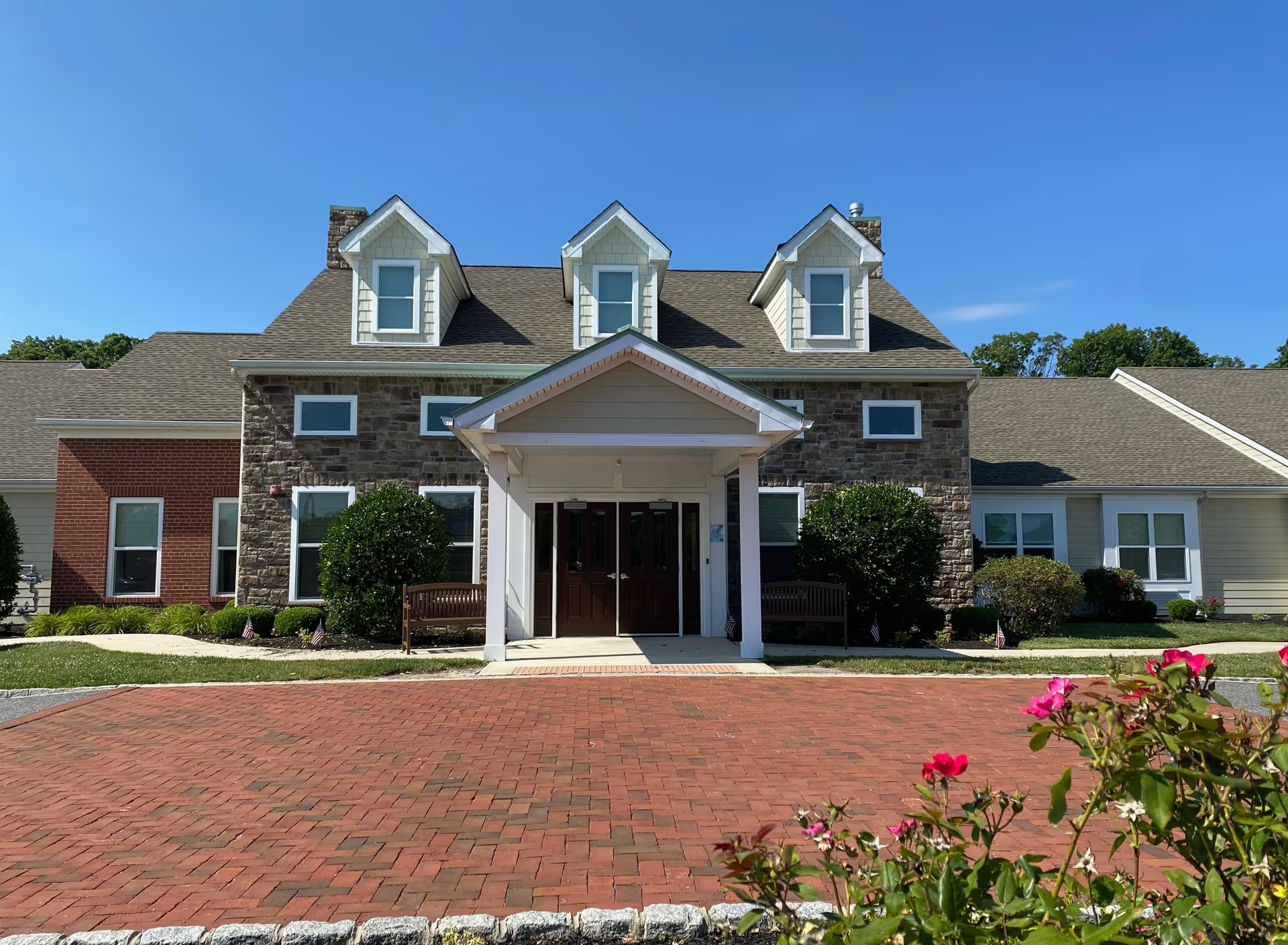
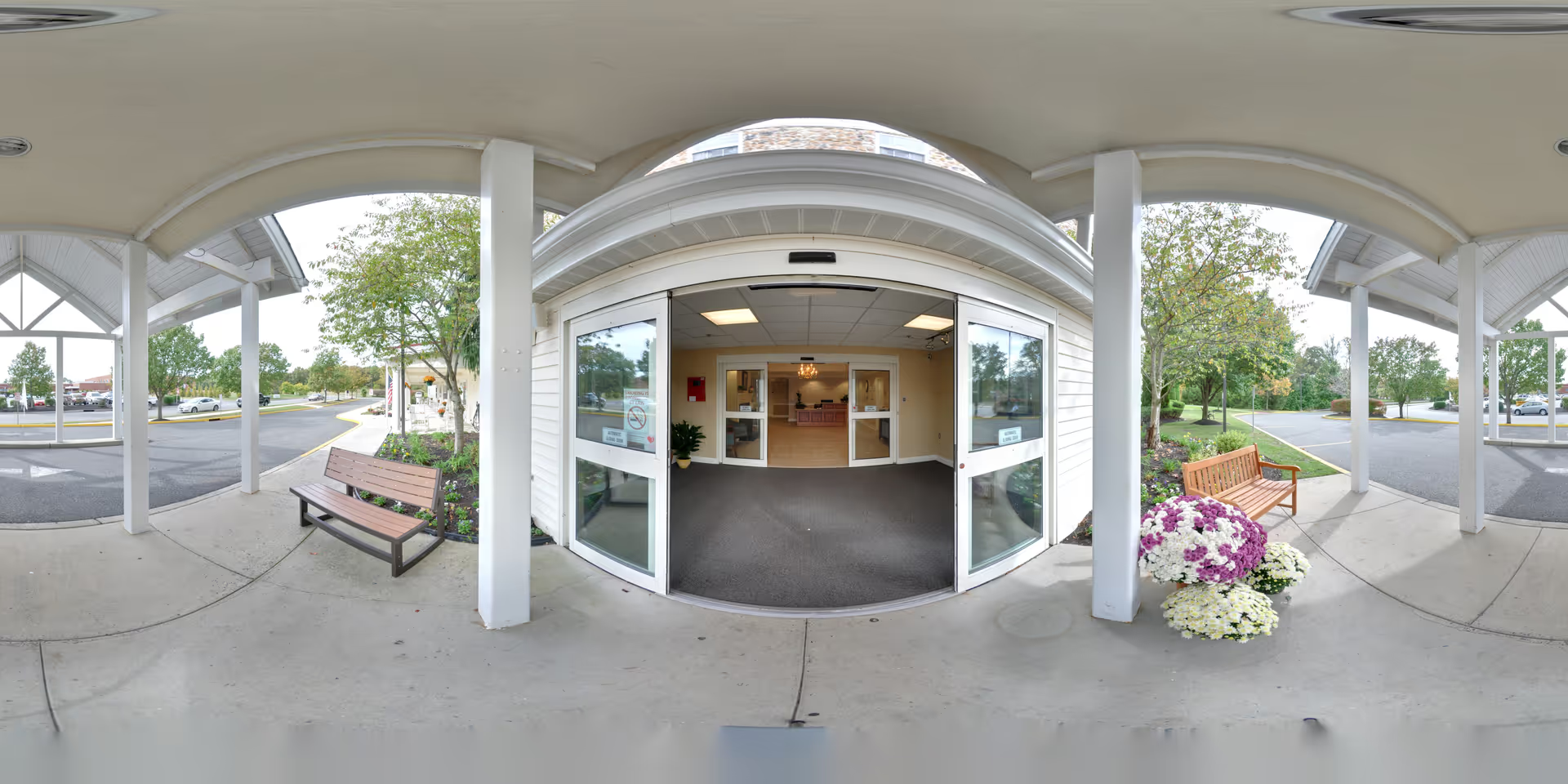
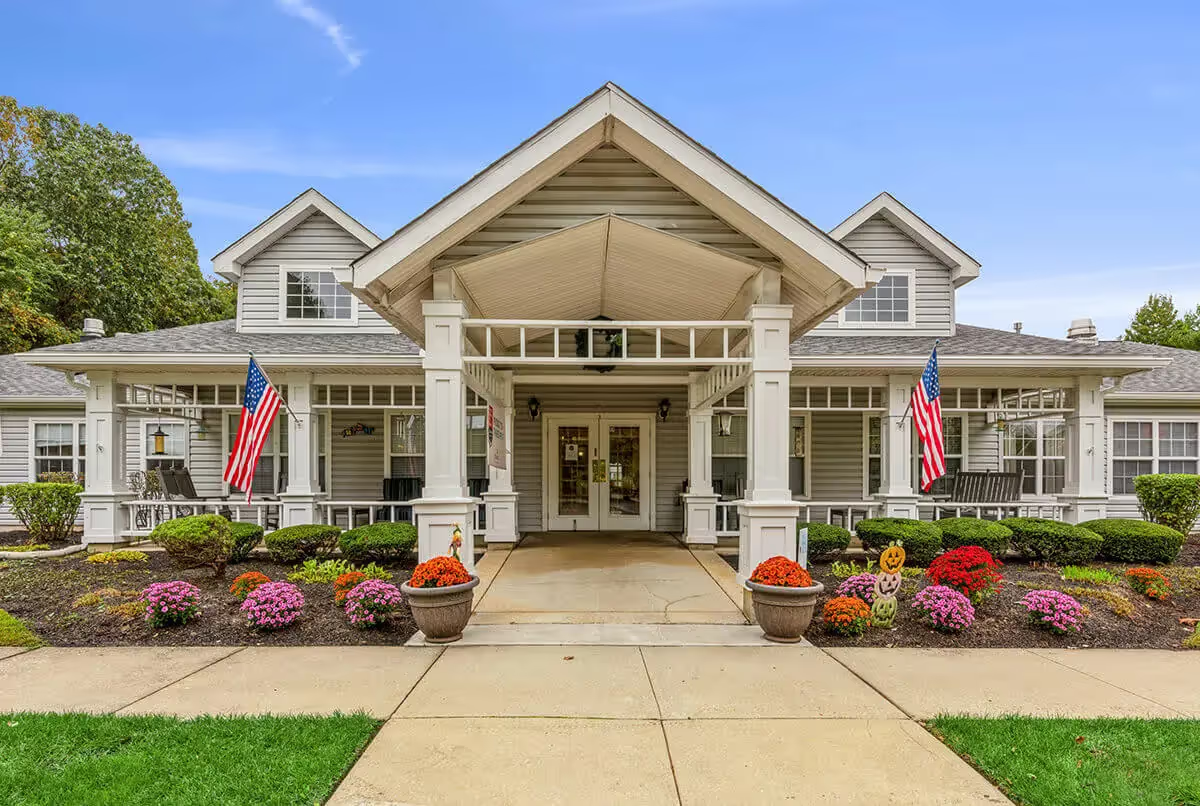
Atlas Post Acute at Woodbury Country Club presents a clear contrast between facility strengths and operational weaknesses. The site is consistently described as clean, bright, and well appointed, with private-suite rooms, modern therapy spaces, and amenities such as a bistro, salon, movie theater, and concierge services. The rehabilitation program is the facility’s strongest asset: physical, occupational, and speech therapy teams, supported by up-to-date equipment, are frequently credited with measurable functional gains and rapid progress toward discharge goals. Activity staff and patient-relations/concierge personnel are also regularly highlighted for creating an engaging, family‑friendly environment.
Care quality beyond rehabilitation is uneven. Many families and residents praised specific nurses, CNAs, and therapy staff for attentive, compassionate care; however, an opposing pattern of inconsistent nursing performance emerges across accounts. Primary themes include staffing shortages, reliance on agency personnel, slow or missed responses to call bells, and variability in medication timing and documentation. Several narratives point to lapses in wound and skin‑care follow‑up and inconsistent approaches to incontinence‑related care and bathing assistance. These operational deficits have, in some cases, resulted in hospital transfers or escalated family advocacy to secure timely attention.
Dining and housekeeping present mixed experiences. Housekeeping and facility maintenance receive numerous positive comments for cleanliness and room upkeep, while dining is described both as accommodating (made‑to‑order options, attentive kitchen staff) and as inconsistent (limited choices, cold or delayed meals, and portioning issues). Activity programming and social services generally receive favorable feedback for frequency and variety, contributing to resident well‑being when staffing levels allow.
Management and communication are recurring areas of concern. Reviewers cite inconsistent discharge planning, conflicting information about discharge dates, gaps in weekend and night physician or supervisory coverage, and slow responses from administrative leadership. Allegations regarding missing personal items and other serious concerns have been raised in individual accounts; these items point to a need for stronger property controls and clearer escalation pathways. There are also occasional mentions of inconsistent infection‑control practices and testing cadence during periods of elevated illness, which prospective families may wish to clarify with the facility.
Bottom line: Atlas Woodbury offers high‑quality, rehabilitation‑focused care in an attractive, well‑equipped environment with many staff who are praised for their compassion and clinical skill. At the same time, prospective residents and families should be aware of operational variability—especially in nursing coverage, responsiveness, medication and wound‑care follow‑through, and weekend/night staffing. When considering this facility, ask specific questions about current staffing levels and ratios, weekend/overnight clinical coverage, medication administration protocols, wound-care procedures, property‑security measures, and how the facility handles escalation and family communication. These inquiries will help align expectations with the facility’s strong therapy capabilities and the variable experience reported around routine nursing care and management responsiveness.