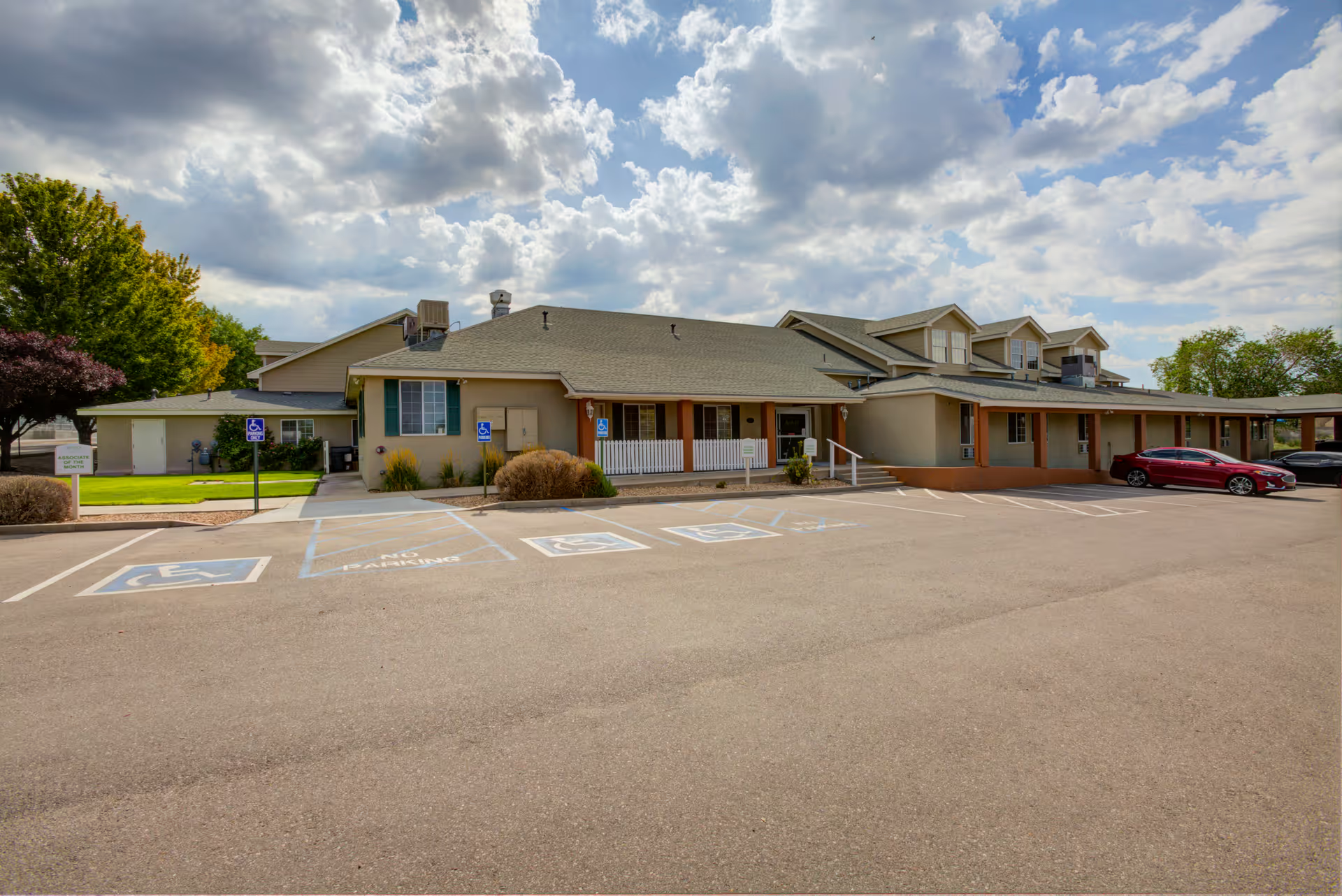
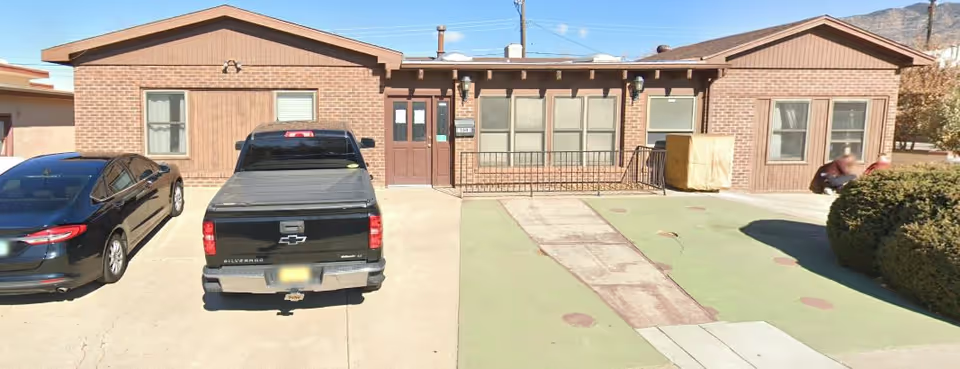
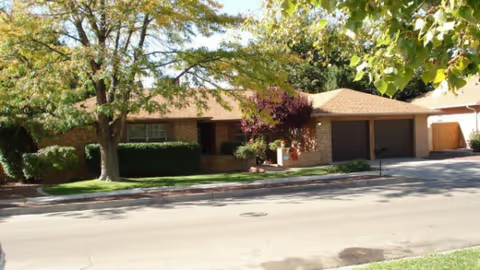
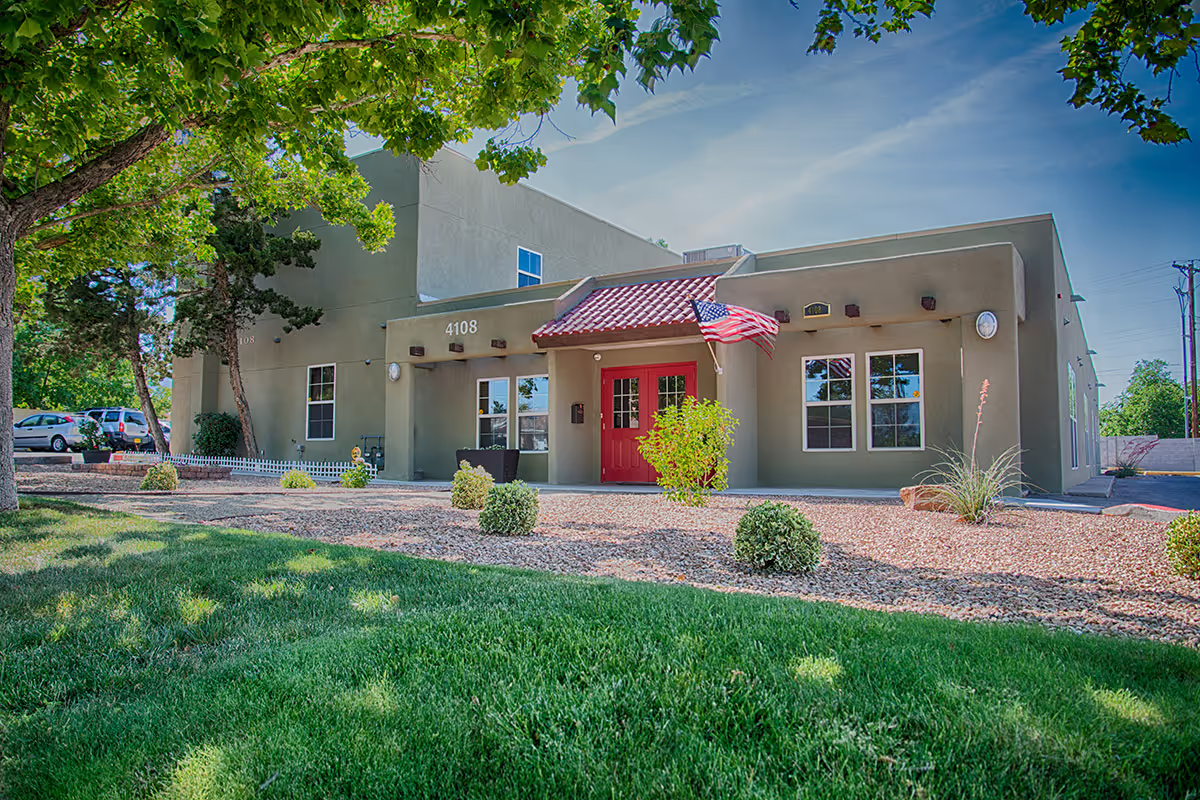
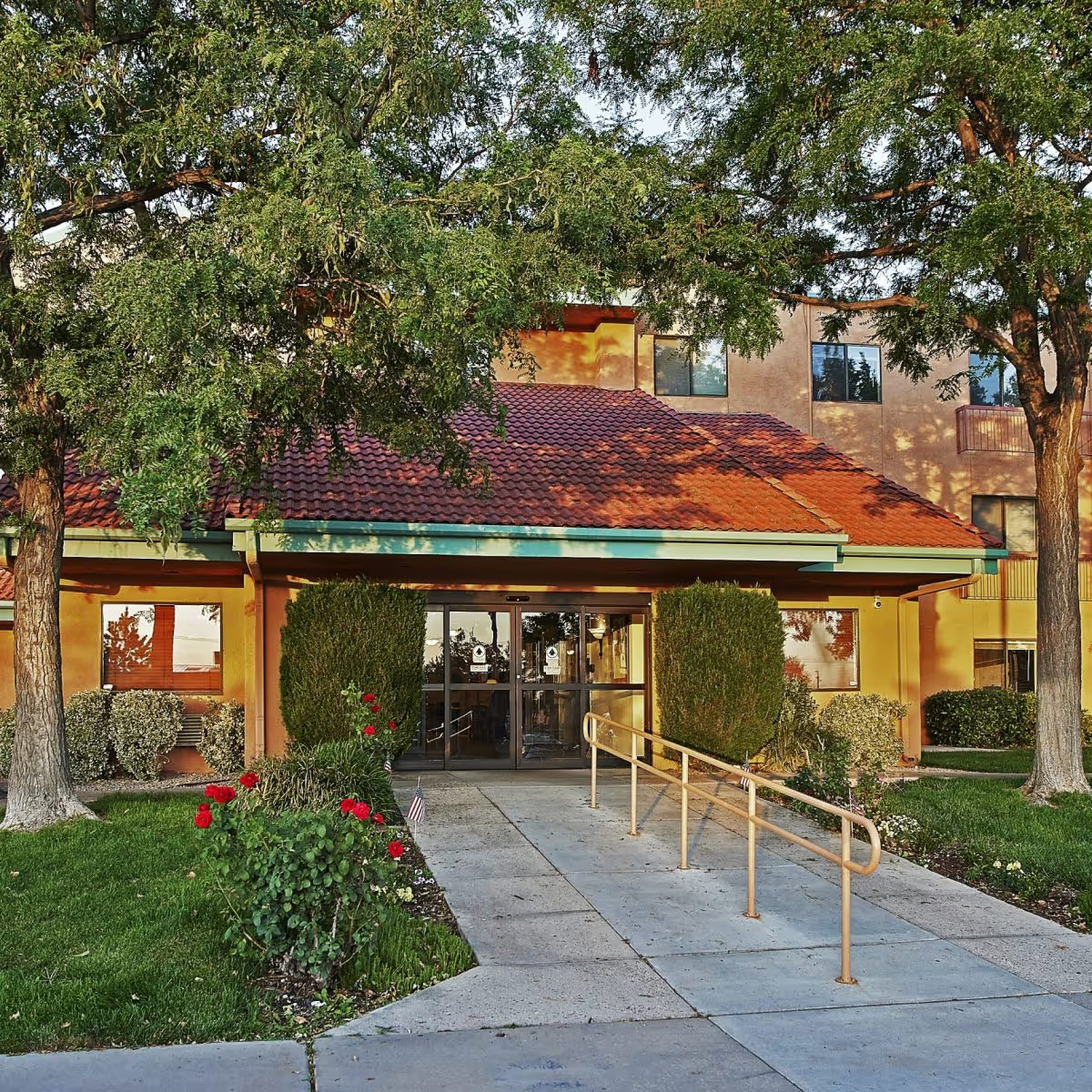
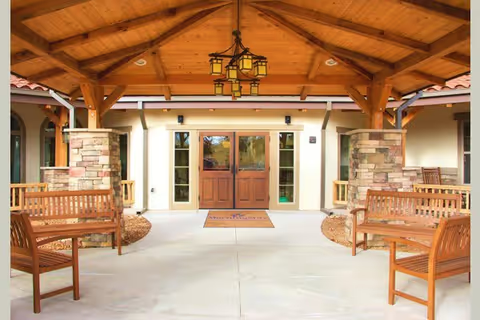
Care Free Living elicits a polarized set of impressions. Positive accounts emphasize a home-like atmosphere, visible owner involvement, a high staff-to-resident ratio, and staff who become familiar with residents and families. Many describe a clean, well-maintained building with large private and semi-private rooms, a pleasant outdoor patio/arbor, window-visit arrangements, and on-site conveniences such as laundry and an in-house hairstylist. The programmatic offerings include religious services, music and arts activities, bingo, holiday celebrations, and some individualized attention; end-of-life/hospice and mental-health supports are also noted positively.
At the same time, a subset of experiences points to operational weaknesses that prospective families should evaluate. The most serious themes are inconsistent medication-management and delays or gaps in clinical incident response, as well as deficiencies in dementia and memory-care practices. Several accounts imply variability in how staff respond to personal-care needs and in how resident privacy and personal property are handled. There are recurring concerns about uneven meal quality and kitchen oversight, including accounts of food that family members found unacceptable, suggesting a need to verify current kitchen management and menus.
Programming and amenities show similar variability: while some residents benefit from active engagement and visiting groups, others experienced limited activities or a perceived decline in offerings. The building is generally clean and well kept, but its scale and configuration lead some visitors to describe an institutional atmosphere rather than a small assisted-living feel. Administrative issues also appear as a theme — families cite inconsistencies around admission and retention decisions, communication shortfalls, and limited transportation or shopping-trip services. These items point to policy and process gaps more than isolated incidents.
Taken together, the reviews suggest that Care Free Living can provide attentive, family-oriented care with strong cleanliness and a range of services, but that the resident experience may depend substantially on clinical protocols, unit assignment, and staff on duty. Prospective residents and families would be advised to tour multiple times, observe meal service and activity periods, request written policies on medication administration and memory-care programming, review admission and discharge/retention terms, and speak with current families about recent experiences to assess consistency of care over time.