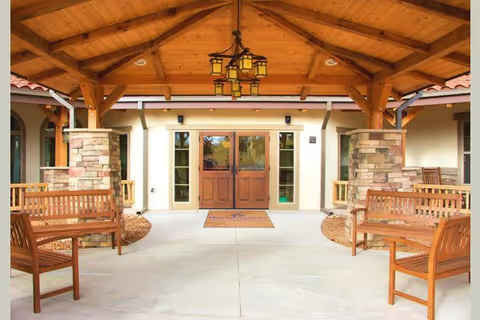
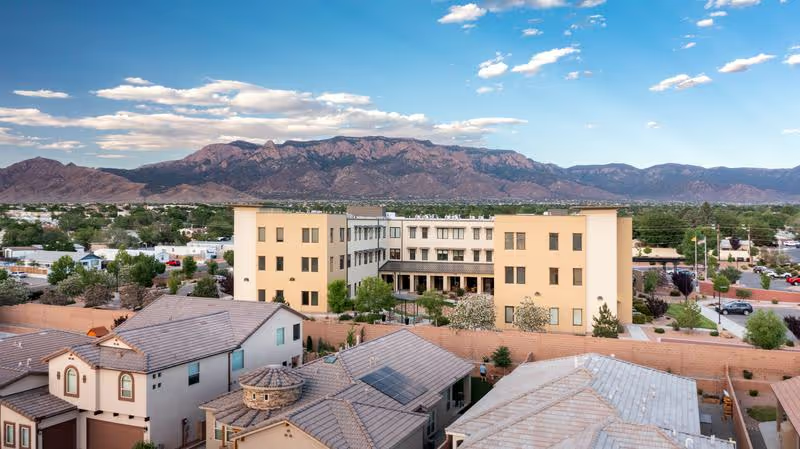
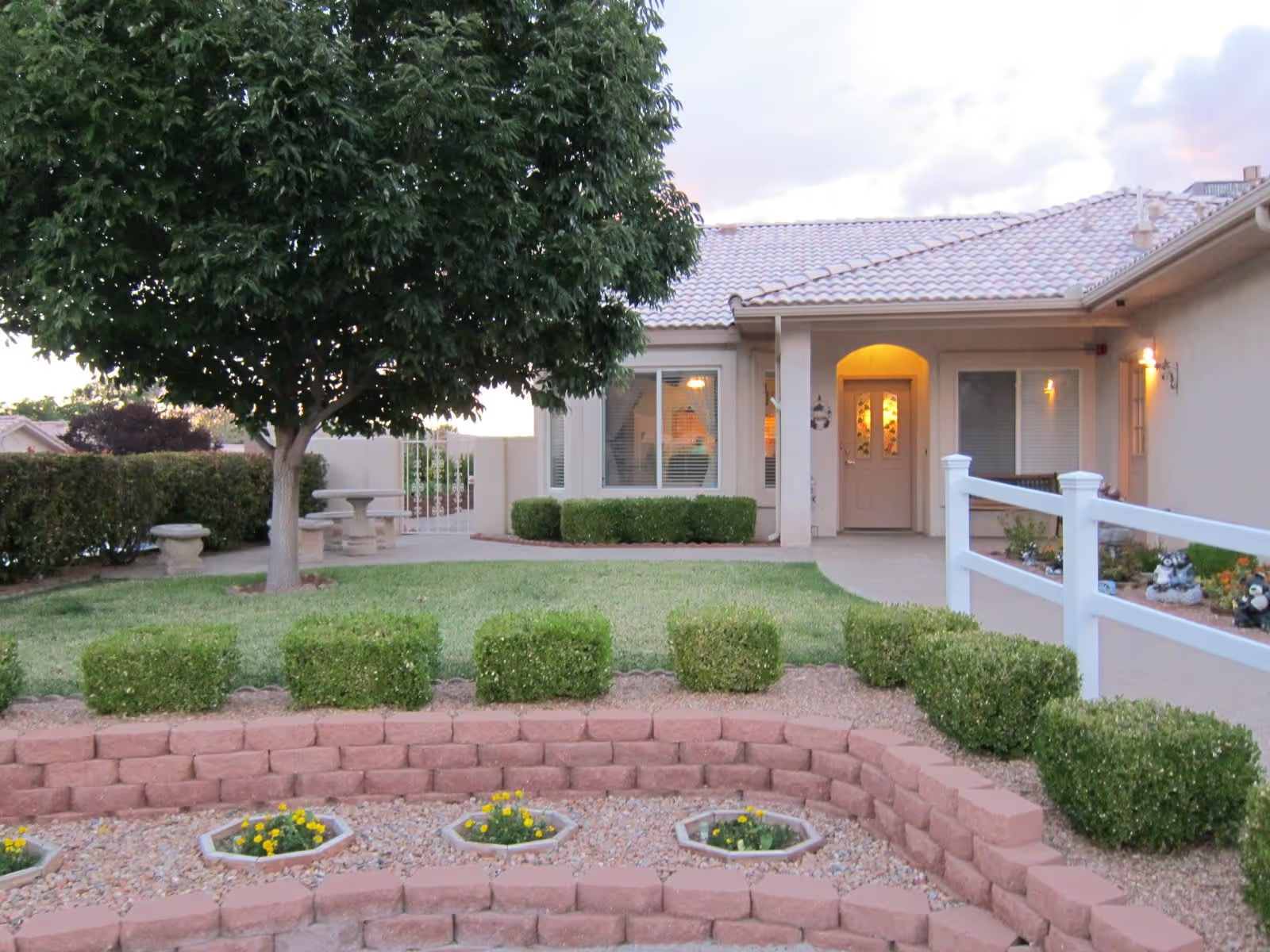
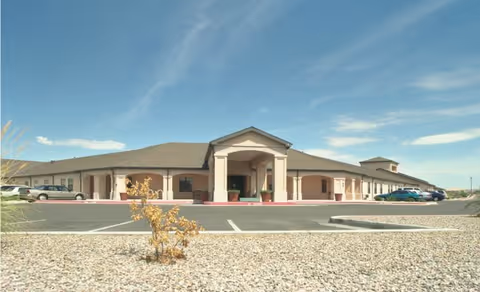
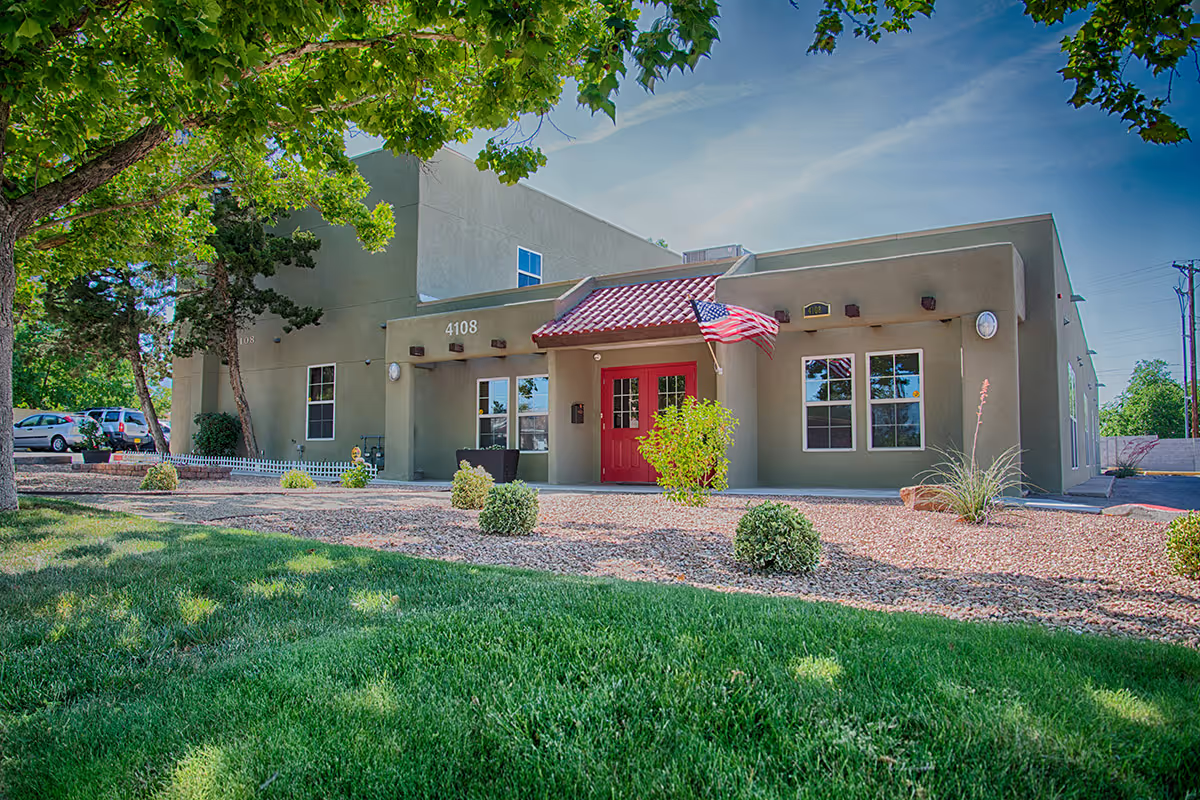
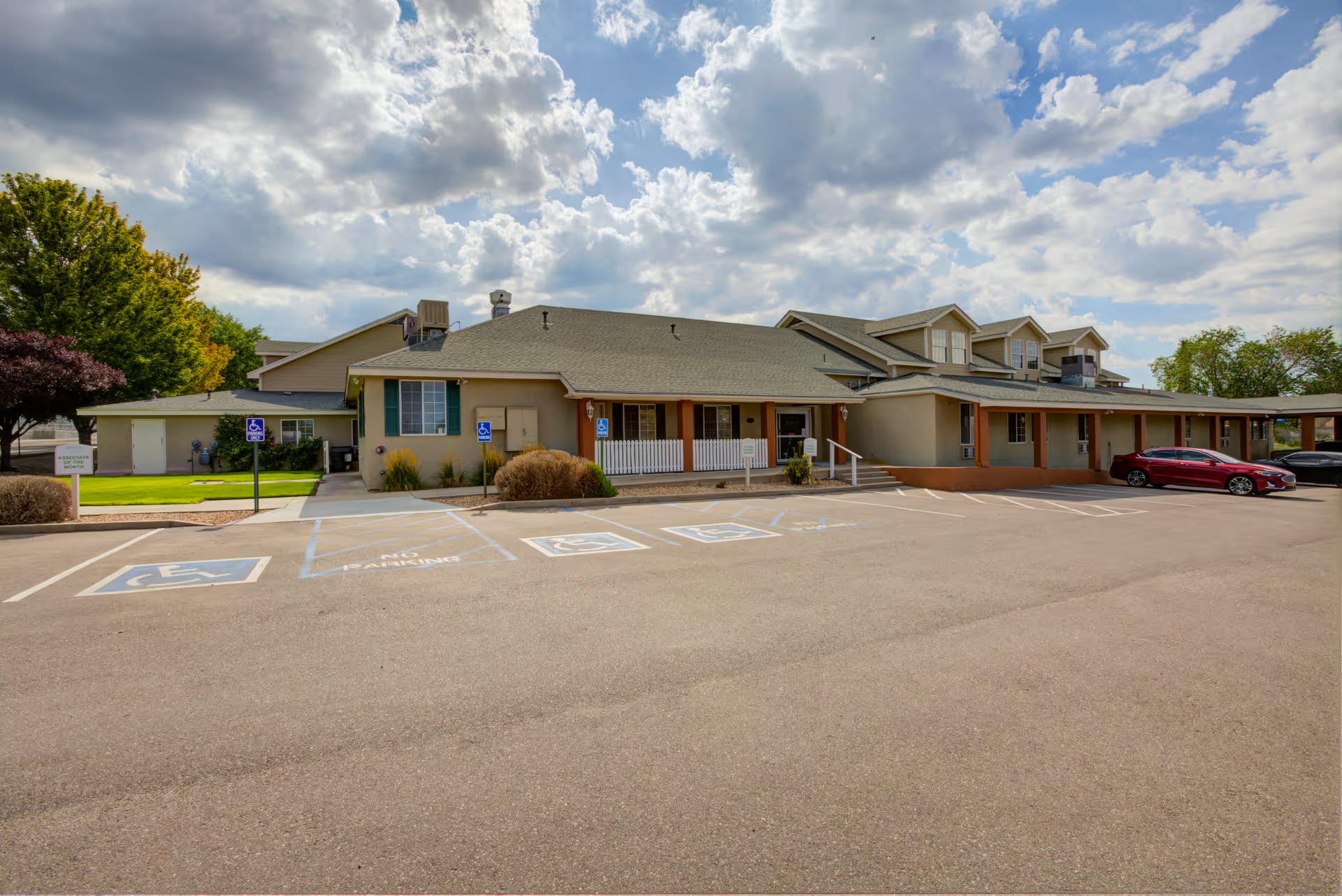
Paloma Landing is consistently described as a modern, hotel-like independent living community with strong amenities and a lively social program. Reviewers frequently praise the dining room and culinary team for restaurant-quality meals, three-times-daily table service, and frequent special dinners; the facility itself is repeatedly characterized as clean, bright, and well maintained, with attractive common spaces and select apartments offering balconies and kitchenettes. On-site conveniences such as a library, chapel, salon, fitness options, guest suites, and scheduled transportation contribute to an active, restaurant-style independent-living experience.
Staffing and day-to-day care receive largely positive remarks: many families and residents cite warm, attentive servers, housekeeping, maintenance, and front-line caregivers. The activities director is often singled out as proactive and engaging, and programming is broad (exercise classes, games, arts, outings), promoting social connection among residents. Weekly housekeeping and linens, personal assistance for move-ins or furniture shifts, and personalized attention from visible management teams are additional strengths that support independent residents' quality of life.
At the same time, reviewers identify several operational patterns that prospective residents and families should evaluate. The community is primarily configured for independent living rather than assisted care; clinical services are limited, and the site is not optimized for residents who require dementia care or ongoing skilled nursing. Several comments point to staffing constraints and leadership turnover that can affect consistency of service and response times. Relatedly, there are recurring notes about variable staff conduct—while many staff members are described as gracious and helpful, some families reported episodes of unhelpful or brusque behavior and uneven complaint handling.
Dining impressions are mixed: although food quality is often praised, others describe inconsistencies in portion sizes, preparation quality, seasonal produce availability, and menu changes tied to corporate directives. The community also has operational limitations that affect accessibility and lifestyle choices: most units lack full kitchens, some apartments are compact or located farther from elevators, and the transport van does not have a lift which can restrict mobility options for residents using larger mobility devices.
A small number of reviews raise serious administrative concerns, including billing and financial questions; those comments are singular but severe enough that families should ask for documentation, billing policies, and oversight procedures during a tour. Prospective residents should also assess management stability and the facility’s processes for conflict resolution and incident follow-up.
Overall, Paloma Landing appears well suited to independent seniors seeking an upscale, social living environment with robust activities and strong culinary focus. For families needing on-site assisted living, consistent clinical nursing, or guaranteed accessibility accommodations (e.g., vehicle lifts, full kitchens), additional due diligence and direct questioning of management about services, staffing levels, and financial safeguards are recommended before committing.