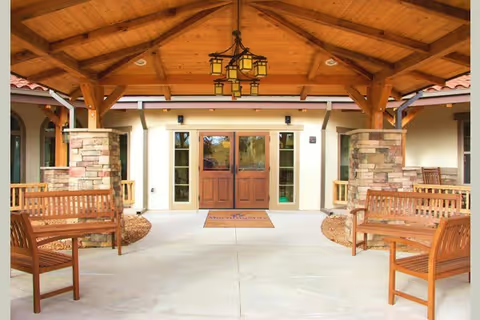
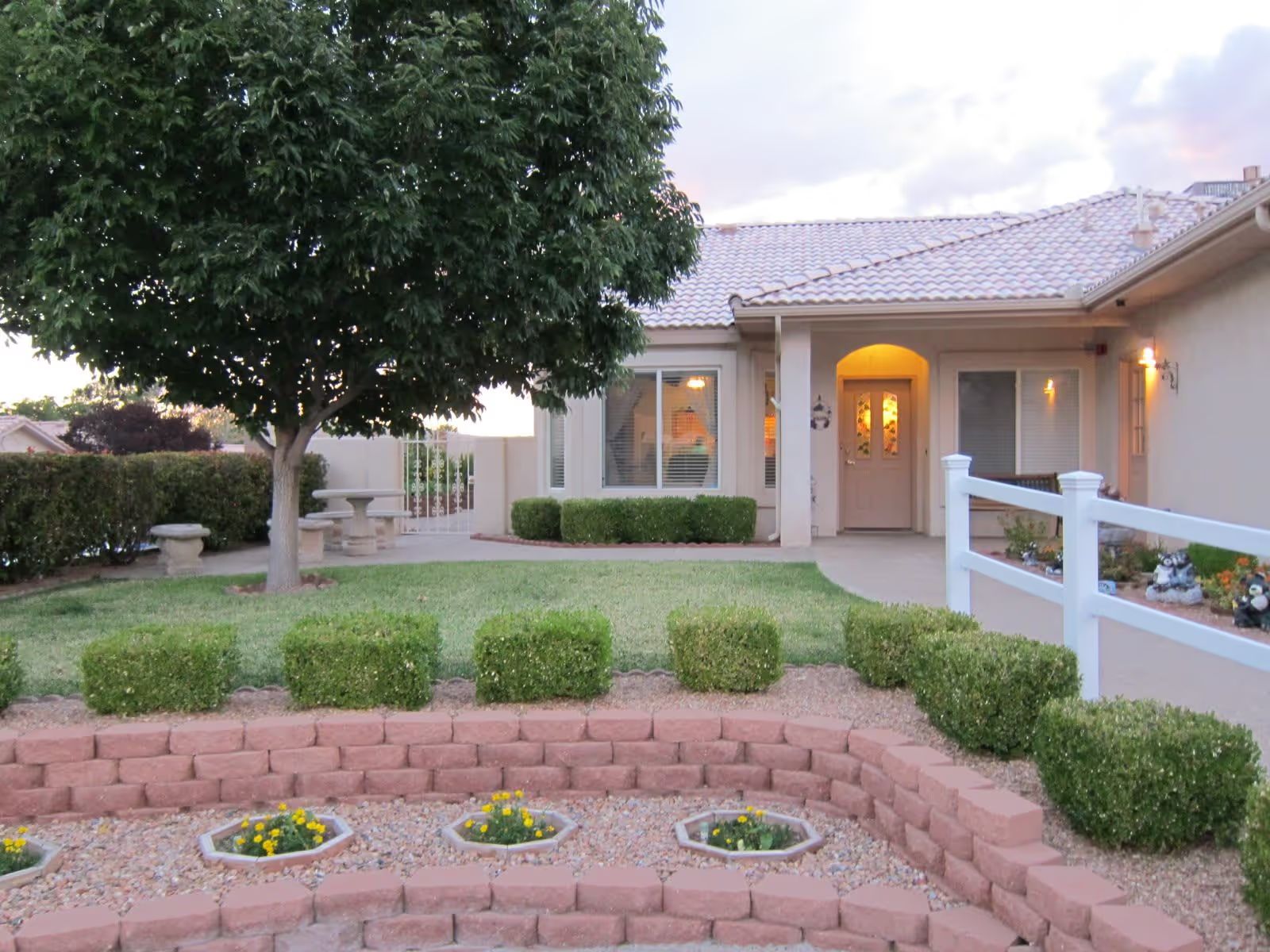
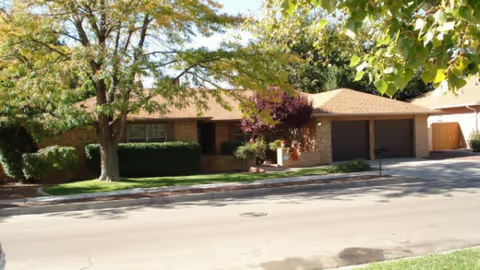
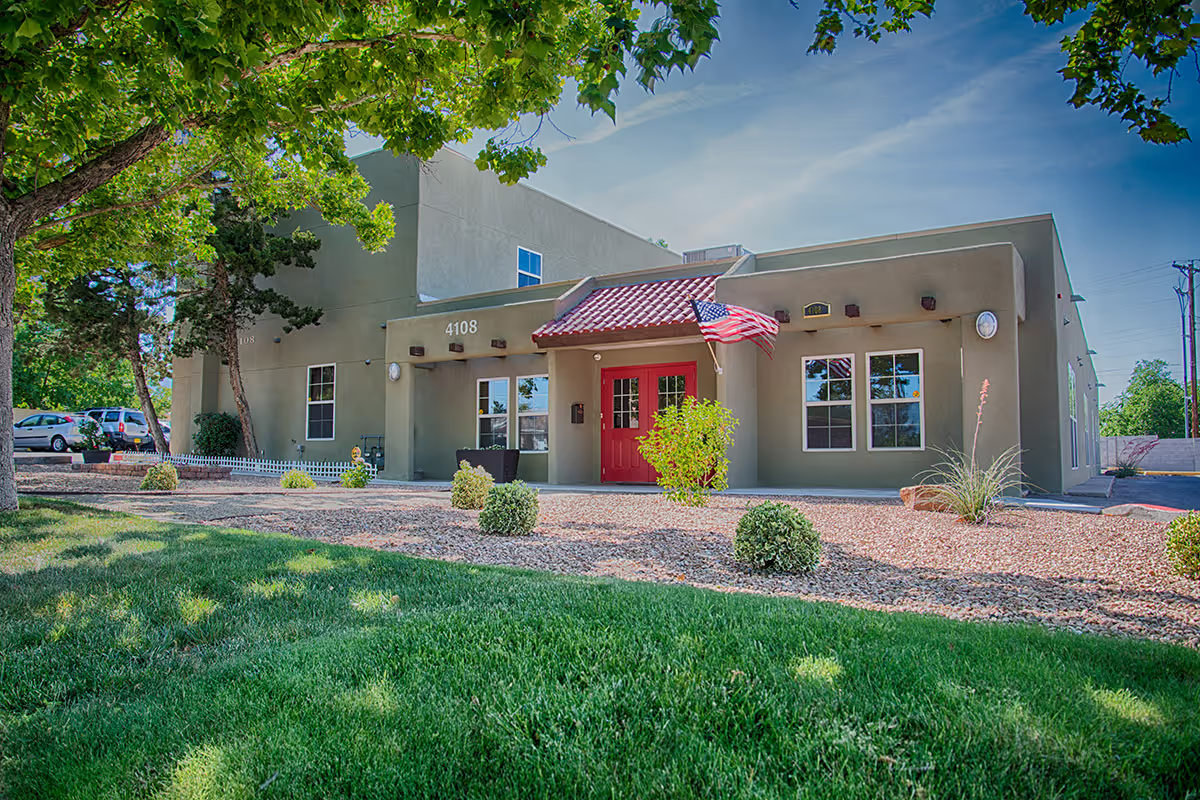
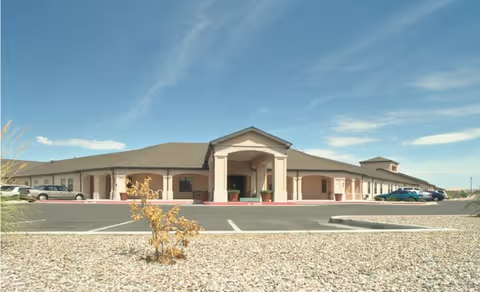
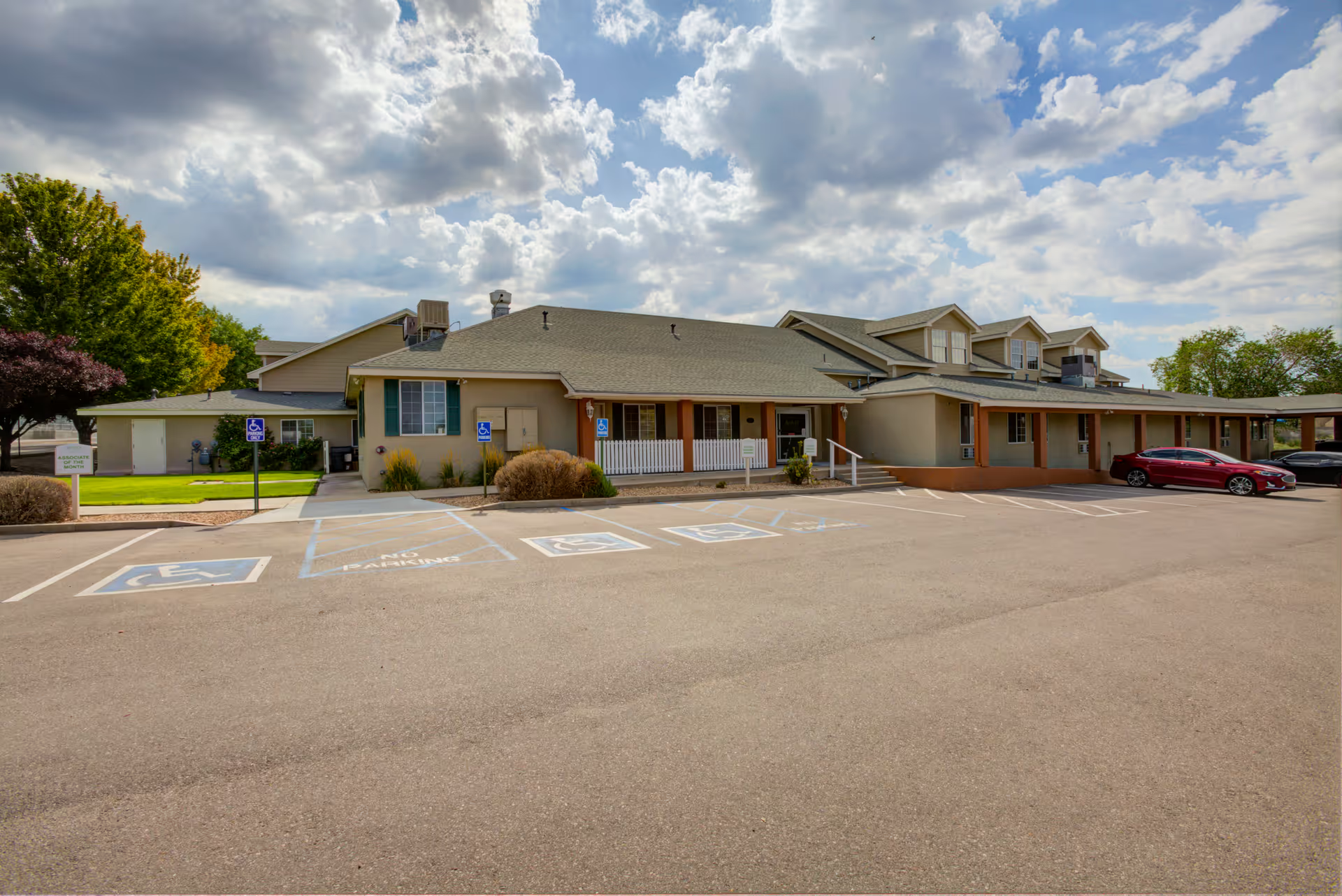
The Watermark at Cherry Hills presents as a modern, hospitality-oriented community with substantial strengths in staff–resident rapport, social programming, and facility amenities. Many families describe warm, personalized interactions from frontline employees and point-of-contact staff; the site offers a broad activity calendar, regular entertainment and outings, and numerous common-area amenities (movie theater, salon, fitness area) that support an active social environment. Apartment-style units with kitchenettes, bright interiors, and well-maintained grounds are frequently cited as attractive aspects of the community.
Care quality evokes a mixed but consistent theme. Positive accounts describe attentive nurses, coordinated memory-care transitions, and productive hospice partnerships that deliver comfort and continuity for some residents. At the same time, a notable set of reviews raises operational concerns about clinical consistency: staffing shortages and turnover, uneven nurse training, and failures to maintain promised observation/check routines. Several families described delays and errors related to medication administration and pharmacy coordination; these item-level issues suggest the facility would benefit from strengthened clinical protocols and quality oversight to ensure reliable medication delivery and timely responses to changing health needs.
Dining and activities are generally strong points but exhibit variability. Numerous families praise the food, thoughtful dining options, and accommodating staff for special diets; others describe long waits, inconsistent meal service, and variable food quality. The activity program is a clear strength — residents and families frequently praise the variety, from educational lectures and classes to live music and themed events — though pandemic-era restrictions and periodic staffing fluctuations have affected program delivery at times.
Facility amenities and layout are widely appreciated: new construction, clean common spaces, and a resort-like ambiance are recurring positives. However, reviewers identified some room-level maintenance and pest-control concerns, and memory-care units were described as more compact with limited storage and common gathering space compared with other parts of the community. These observations point to differences between the assisted-living and memory-care environments that prospective residents should evaluate in person.
Management and administrative practices show divergent experiences. Many families highlight responsive leadership, helpful move-in assistance, and clear points of contact; others report inconsistent responses from clinical leadership, problems with billing and refunds, and frustration with rate increases and invoice handling. There are also recurring notes about gaps in incident reporting and family communication following adverse events or clinical changes; these process-oriented concerns, combined with some billing and operational complaints, indicate areas where administrative improvements would materially affect family confidence.
Overall pattern: Watermark at Cherry Hills is a facility with strong hospitality, robust activities, and attractive physical amenities, supported by many caring staff members. Prospective residents and families should weigh those strengths against documented operational weaknesses in clinical consistency, medication-handling processes, billing practices, and certain maintenance areas. For families considering this community, an in-person visit that includes conversations about nursing coverage patterns, medication protocols, incident reporting procedures, and written billing/refund policies is advisable to confirm alignment with expectations and care needs.