Touched by A White Dove is presented by families as a small, home-style care setting that emphasizes individualized, family-like attention and spiritual support. Many accounts highlight hands-on, compassionate caregiving — including dementia-competent approaches, end-of-life care at home, medication adjustments or weaning, and active hospice coordination. Reviewers commonly describe improvements in appetite and skin integrity, regular personal attention, and daily updates to families that include photos and status reports.
Staff-related strengths include a stable, familiar caregiver team and 24/7 coverage. Several descriptions emphasize long-tenured caregivers who provide emotionally supportive, faith-informed interactions and treat residents as family. Therapeutic animals, singing, prayers, and personalized celebrations (birthdays, outings, in-home rituals) are recurring elements that contribute to a home-like atmosphere and family inclusion. Communication to families is generally described as frequent and detailed, and staff are credited with coordinating hospice services and offering moral or spiritual support during transitions and end-of-life.
Dining and activities are oriented to a homestyle model: home-cooked meals, improved nourishment for residents who had been poorly eating elsewhere, and individualized activities such as outings, prayers, and small-group social time. The setting supports companionship with peers and visiting family members and emphasizes celebratory, personalized events rather than institutional routines.
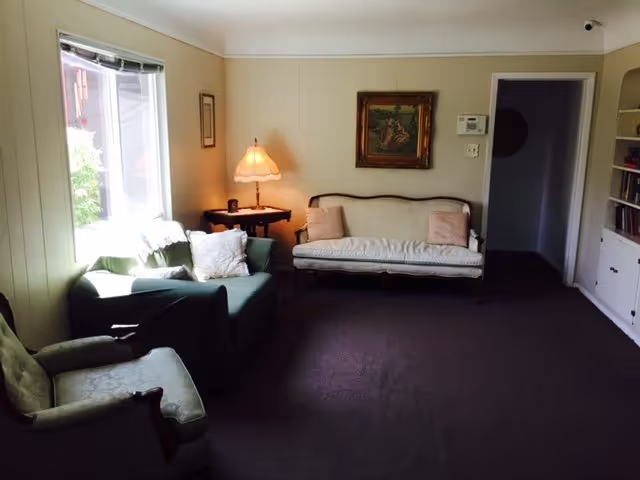
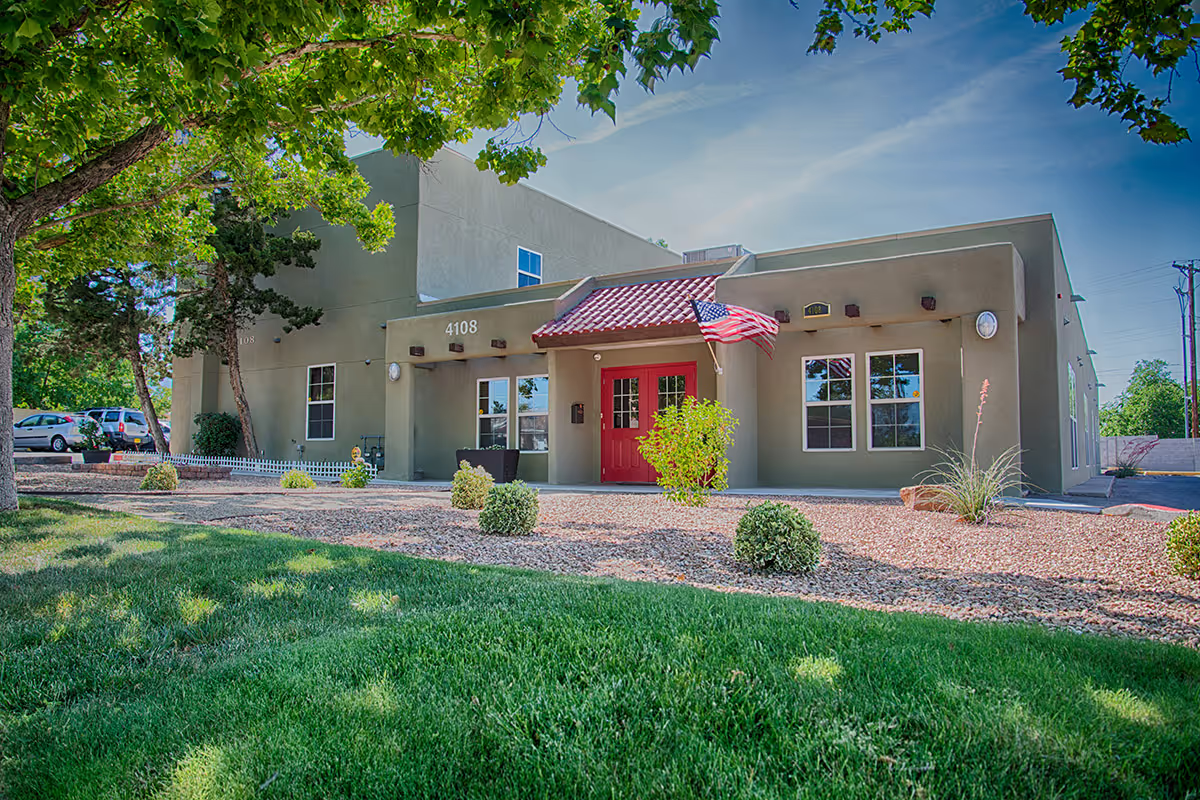
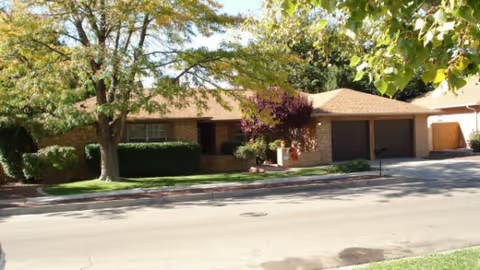
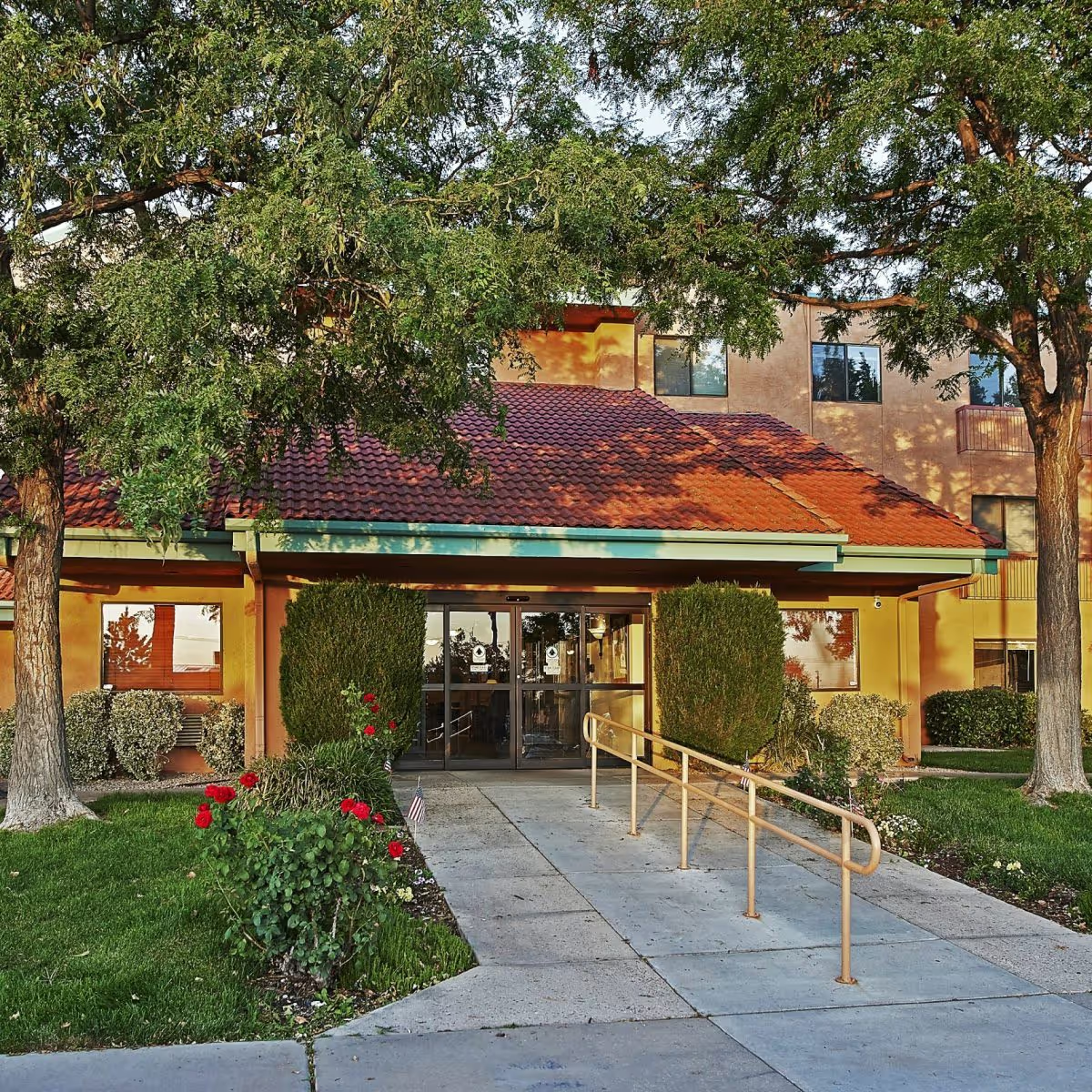
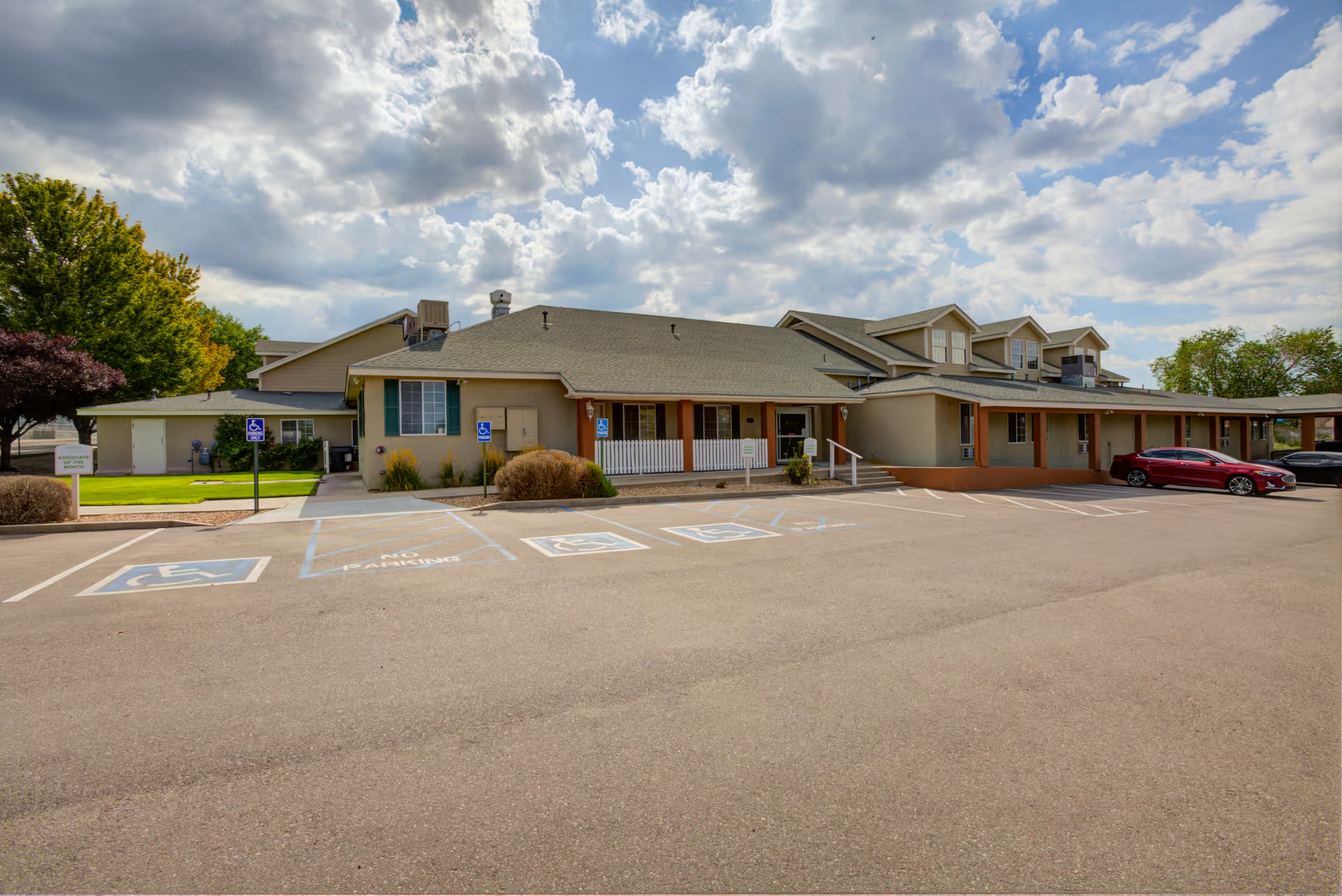
Facility and operational notes reflect trade-offs inherent in a small residential model. The property and main living areas are portrayed as home-like and comfortable, with outdoor space and pet visits; however, reviewers also identified sanitation and maintenance inconsistencies in some auxiliary or back-of-house areas. Room sizes are small, which some families find intimate and comforting while others see as constraining for residents who need more space or quiet.
Management and policy patterns are mixed. Strong points include proactive family communication and clear coordination with outside providers. Areas of concern include restrictive visitation practices in certain circumstances, dependence on a limited caregiver team that can create operational vulnerability, and occasional lapses in clinical monitoring or timely attention to changes in condition. Some families expressed unease about the intensity of religious decor and programming and about how resident information is handled. A few comments also noted fee increases or unclear cost escalation.
Overall, the facility is described as a highly personalized, spiritually oriented small-house model that offers high-touch care, strong family communication, and hospice collaboration. Prospective families should weigh the benefits of individualized, faith-informed caregiving and consistent staffing against operational limitations of small-scale housing: limited private space, the potential for variability in dementia-programming and cleaning/maintenance in peripheral areas, and policy or privacy practices that may not fit every family’s preferences.