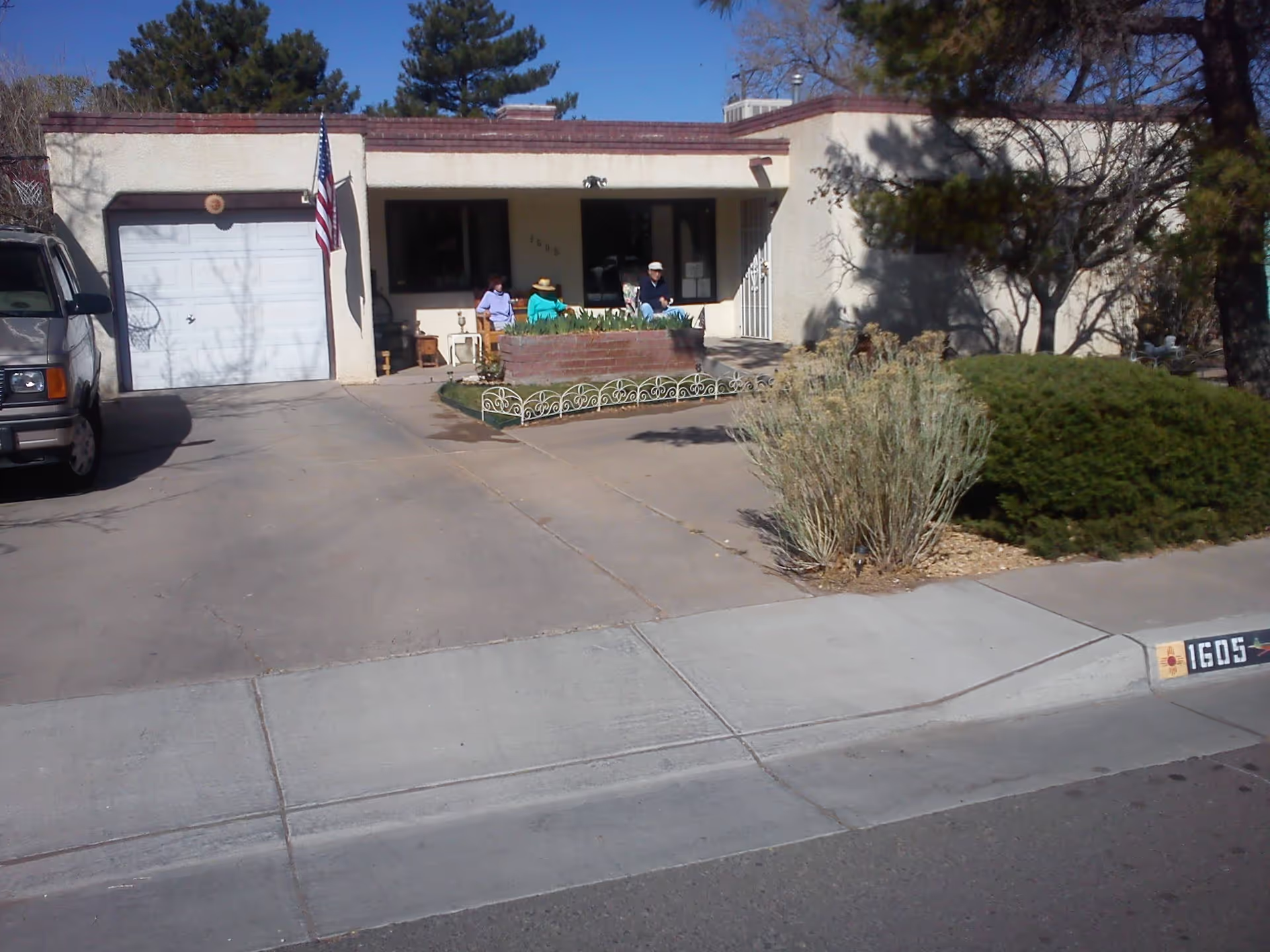
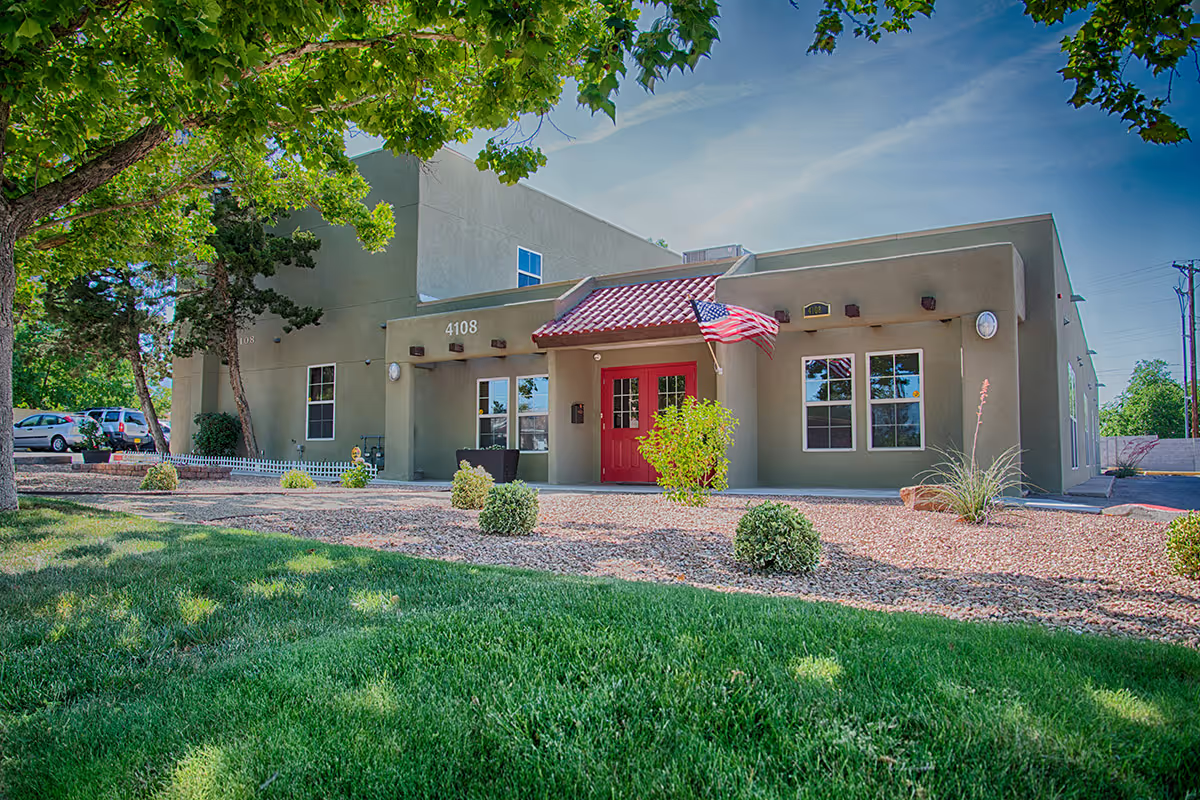
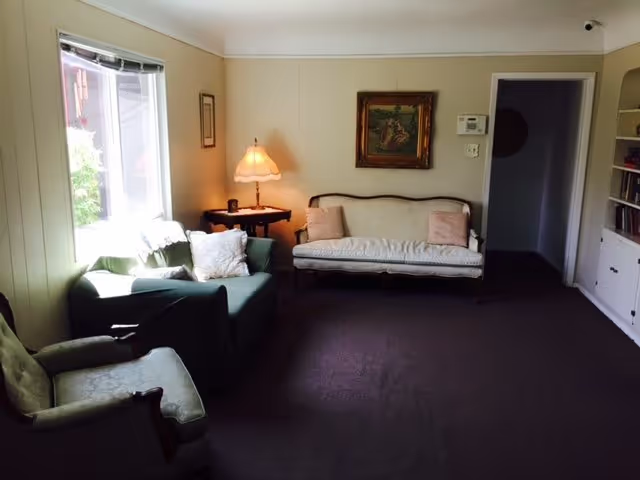
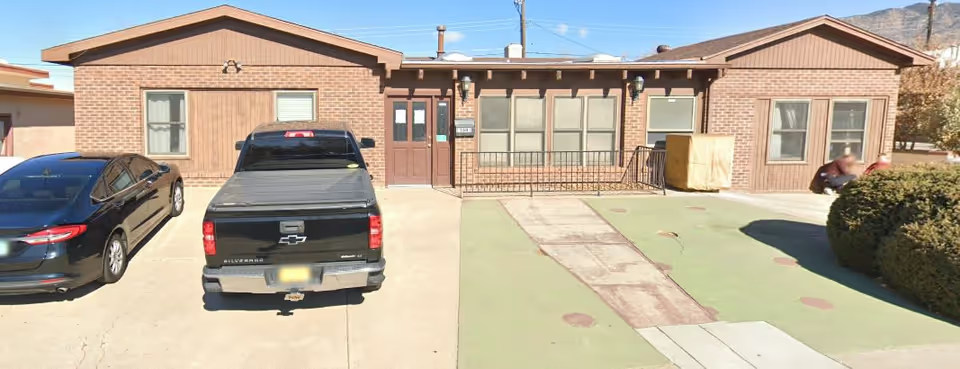
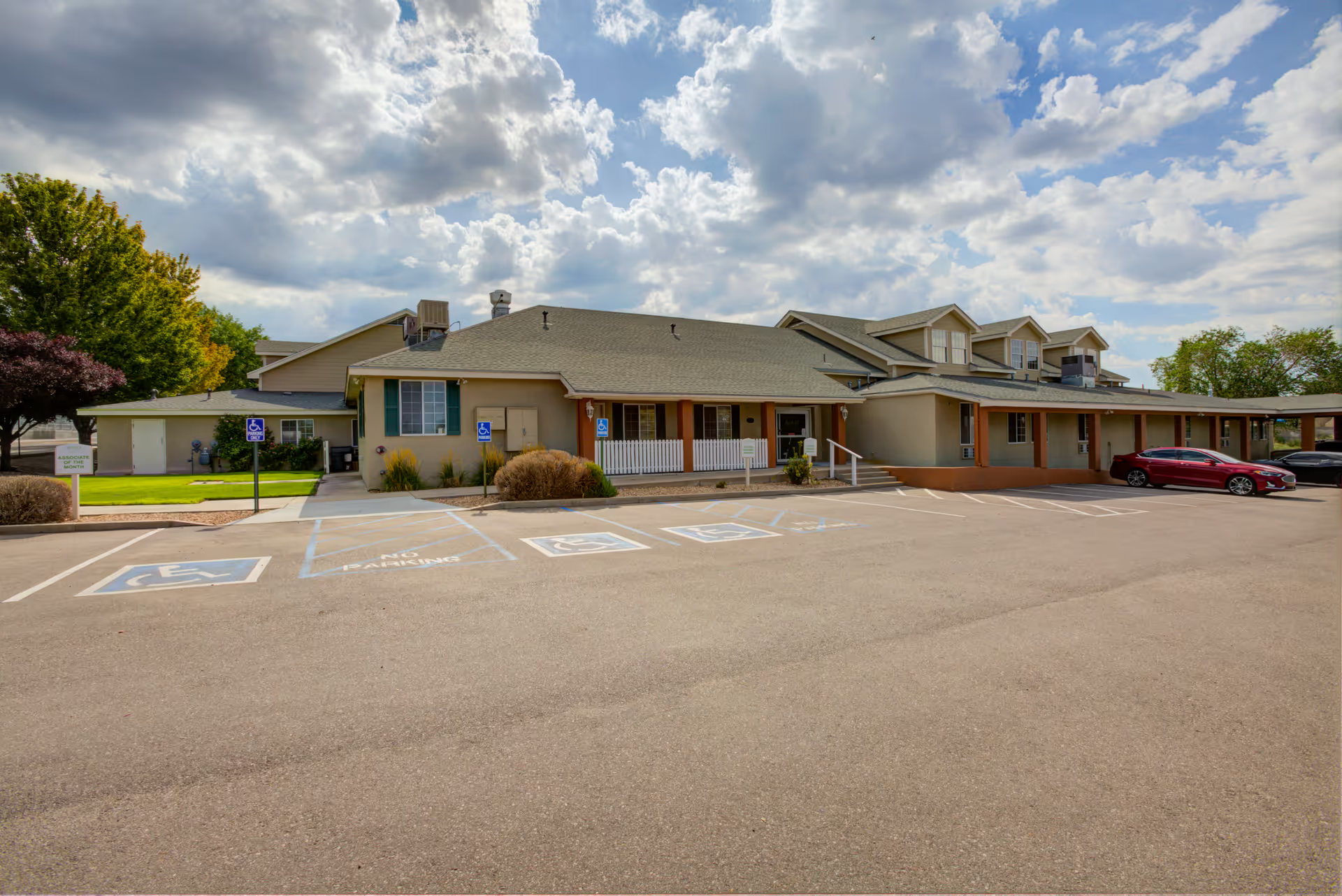
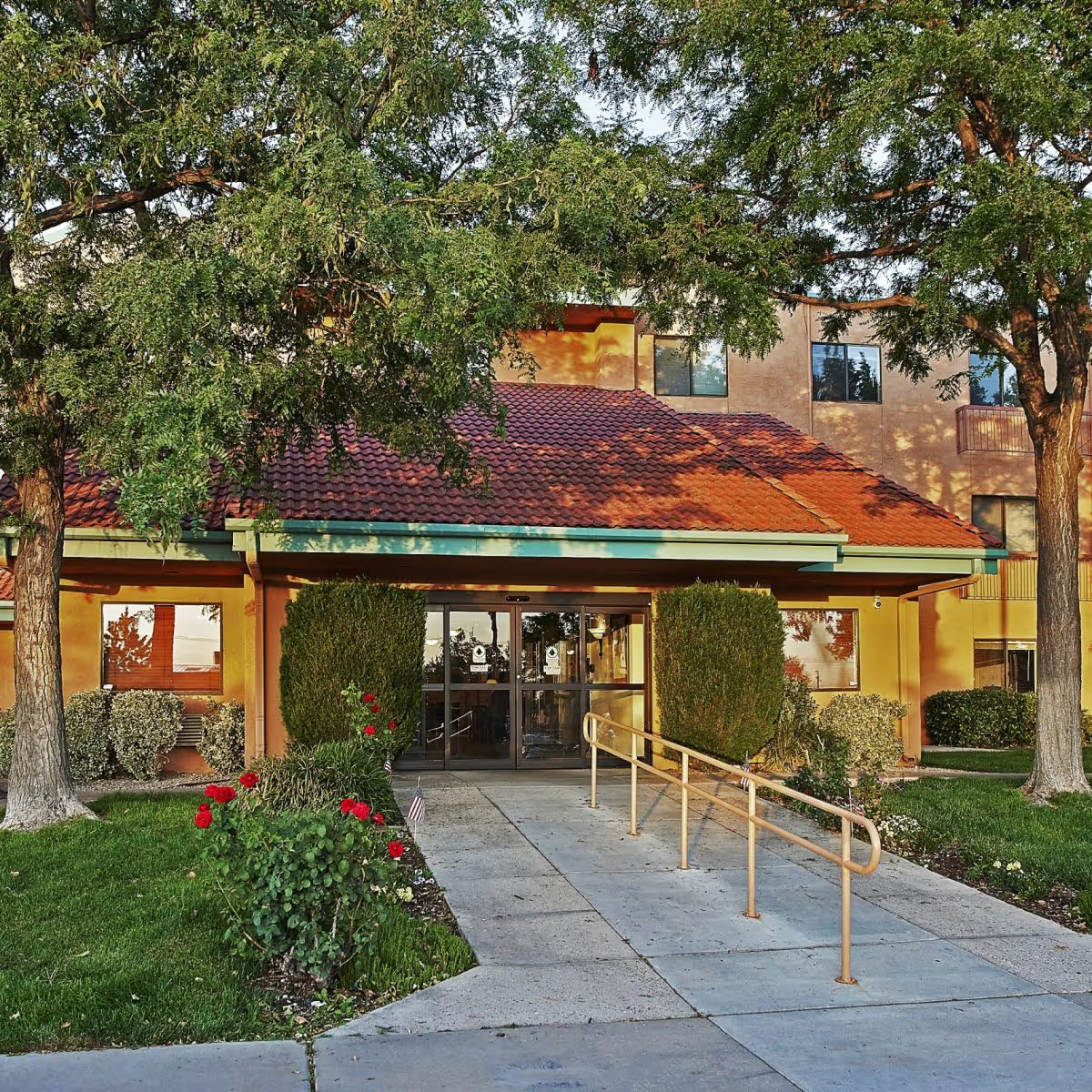
The Woodmark at Uptown presents as a well‑appointed, long‑established senior living community with a hotel‑like atmosphere and a broad suite of services. Reviewers consistently highlight a warm, family‑oriented culture, extensive activities (live music, themed galas, exercise classes, arts and outings), and a facility that is generally clean and well maintained. The community offers apartment‑style units, dining room service with chef flexibility, housekeeping and weekly laundry, transportation for appointments and outings, an on‑site salon, and safety elements such as locked access and emergency pendants. Memory‑care programming is a visible focus and many families report positive transitions for residents with cognitive impairment.
Care and staffing are a mixed picture. Many families and visitors praise compassionate caregivers, med‑techs and nurses who build relationships with residents and provide attentive daily support; several reviewers emphasized that staff know residents by name and go beyond routine duties. At the same time, there are recurrent operational concerns: staffing instability and turnover, occasional shortages during nights and weekends in the memory unit, and uneven clinical coordination. Reviewers described gaps in medication administration and communication around clinical tasks; families should confirm the facility’s scope of clinical services (for example, policies about in‑house administration of certain injections) and ask about nurse/clinician coverage during off hours.
Dining and food service generate polarized feedback. Positive comments note a varied menu, restaurant‑style presentation, holiday and special‑event dining, and willingness of kitchen staff to customize meals. Contrasting accounts cite inconsistent food quality, small or fatty portions, issues with grill availability and reheated meals, and limited after‑hours dining options. Prospective families should sample meals, ask about menu rotation, allergy handling procedures, portioning, and any limits on kitchen operations (weekend or evening offerings).
Activities and amenities are strong relative to typical assisted‑living offers: the activity team runs frequent social events, live entertainers, transportation trips, and regular exercise programs. Residents and families often described a lively calendar and engaged staff. Still, activity participation and program consistency vary by unit and by day, and some visitors found the facility’s scale and layout overwhelming for residents who prefer smaller settings. Physical‑layout considerations were raised for residents using larger motorized wheelchairs (narrow corridors in parts of the building); assess apartment and circulation accessibility in person with the intended mobility device.
Operational and management patterns merit scrutiny during touring and contracting. Positive management attributes cited include long‑tenured team members, responsive maintenance, and coordinated hospice/medical support. Negative operational patterns described include leadership turnover, billing and bookkeeping inconsistencies, nonrefundable or opaque fees, delayed repairs in some cases, and concerns about valuables security and oversight. There are also isolated allegations of theft and missing personal items; prospective residents and families should review the community’s valuables policy, insurance/ liability clauses, and procedures for reporting and investigating losses. Ask for a written fee schedule, sample month‑end statements, staffing ratios by shift, and a clear description of what services trigger extra charges.
Bottom line: The Woodmark at Uptown offers many attributes families seek — a social, activity‑rich community with attentive caregivers and hotel‑style amenities — but it also displays operational variability that affects the resident experience for some households. When evaluating placement, confirm clinical capabilities, medication policies, staffing patterns for nights/weekends, detailed pricing and extra‑charge practices, security policies for personal belongings, and observe meal service. A focused tour that includes evening or weekend availability (if possible), a sample meal, and discussions with current families can help determine whether the community’s strengths align with an individual resident’s clinical and social needs.