Reviewer experiences at Aztec Healthcare range widely, from strong endorsements for long-term care and rehabilitation to accounts describing significant operational and clinical shortfalls. Several families praised sustained, attentive care over years, effective therapy programs, and staff who provided emotional and practical support during recovery. Conversely, a subset of reviews described interruptions in clinical follow-up, delays in medication and pain control, and situations in which resident condition deteriorated before care issues were addressed.
Care quality shows a bifurcated pattern. Rehabilitation and therapy services receive consistent positive comments: families report measurable functional gains and staff invested in recovery. At the same time, a number of reviews raise concerns about medication administration timing, pain-management delays, and gaps in routine clinical monitoring. Reviews also reference pressure-injury and weight-loss concerns as indicators of inconsistent clinical oversight in some cases. These patterns suggest that clinical performance may vary across units or shifts.
Staffing and staff conduct are likewise mixed. Many reviews highlight compassionate, professional nurses, CNAs and activities staff who create a welcoming, family-like atmosphere and communicate effectively with families. Specific praise was given to activity coordinators and to staff who facilitated smooth admissions and transitions. However, other accounts describe slow response times, difficulty reaching staff, and instances of inattentive or unprofessional behavior. Staffing shortages and workload pressures were frequently invoked as contributing factors to delayed assistance.
Dining and activities offer both strengths and weaknesses. Several families noted enjoyable meals, special treats and an active calendar that supports social engagement and spiritual activities. At the same time, there are repeated comments about inconsistent meal delivery, occasional missed meals, and variability in food quality. Activity programming and scheduling receive positive mentions overall, but families considering placement should confirm current meal-service and activity schedules.
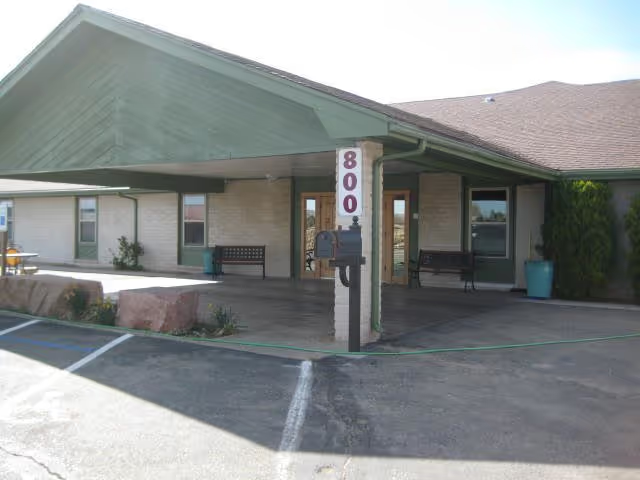
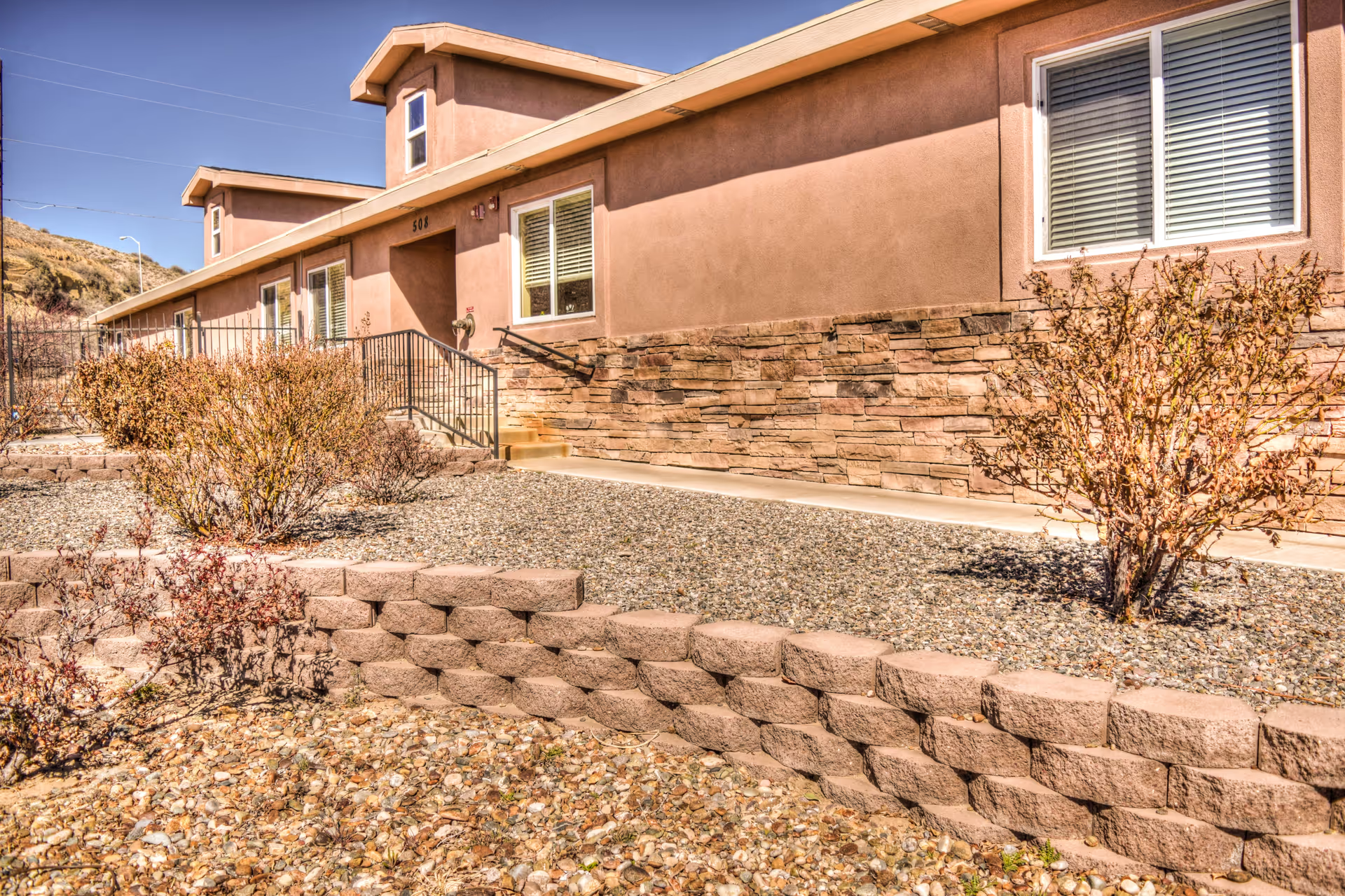
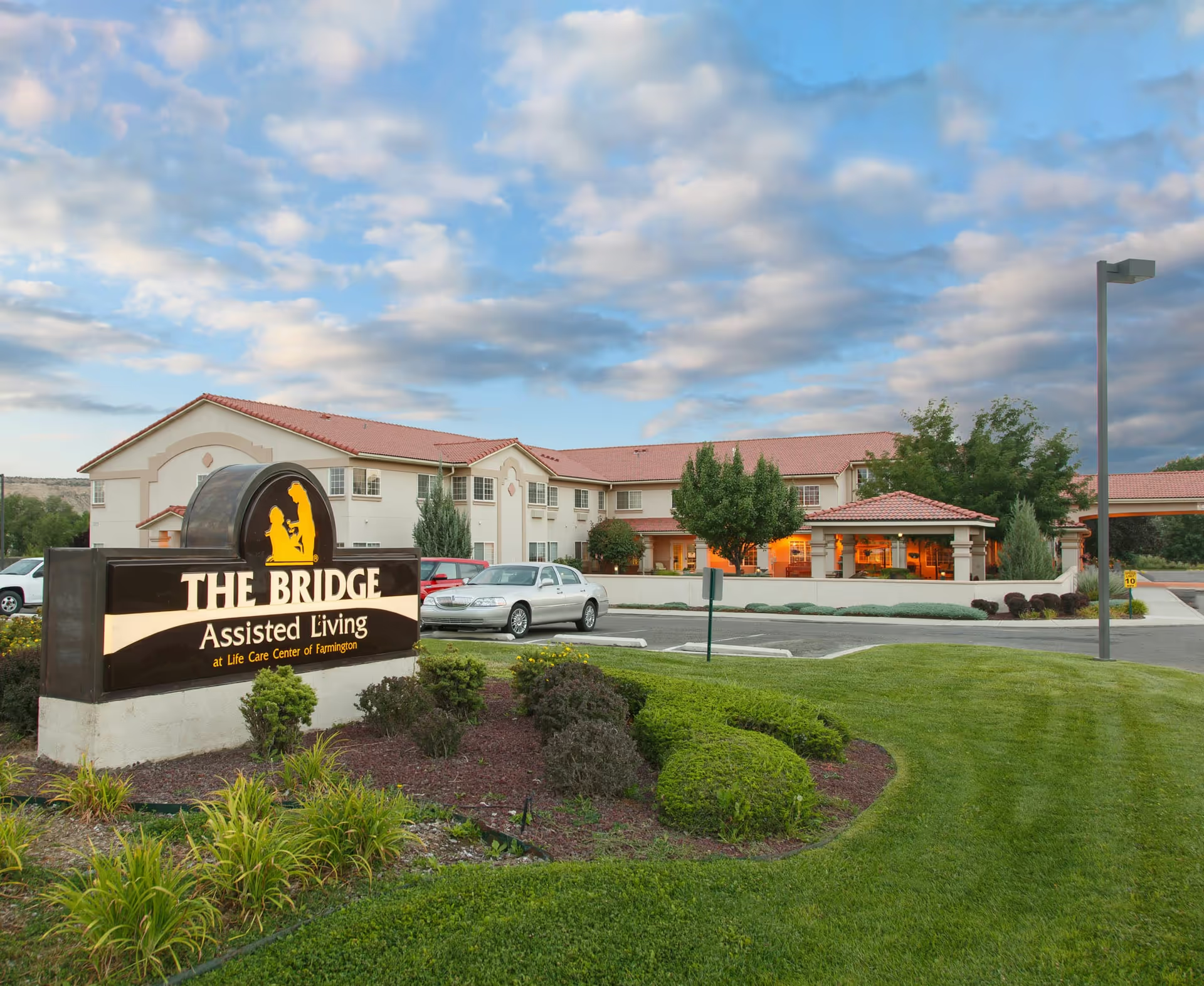
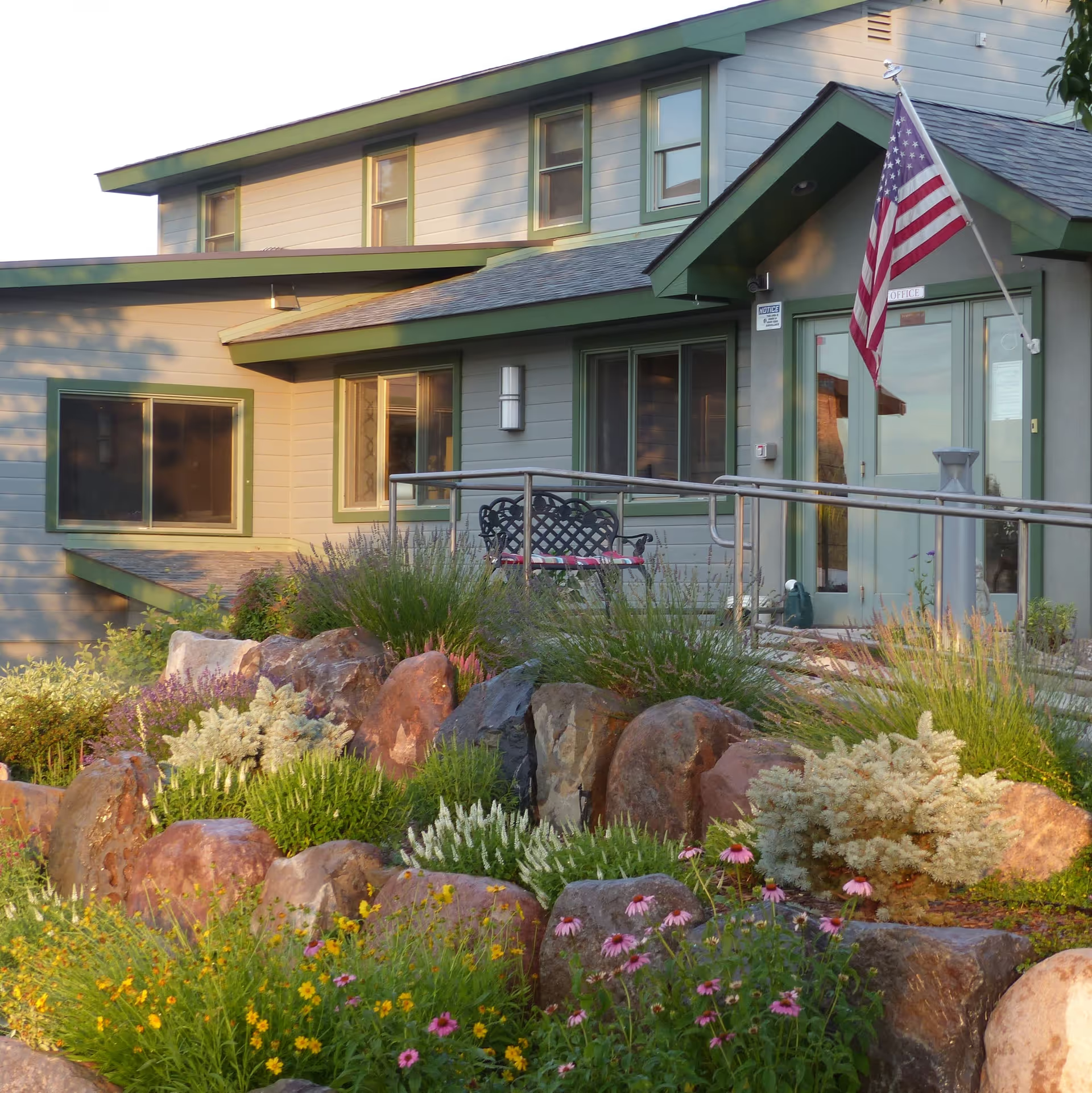
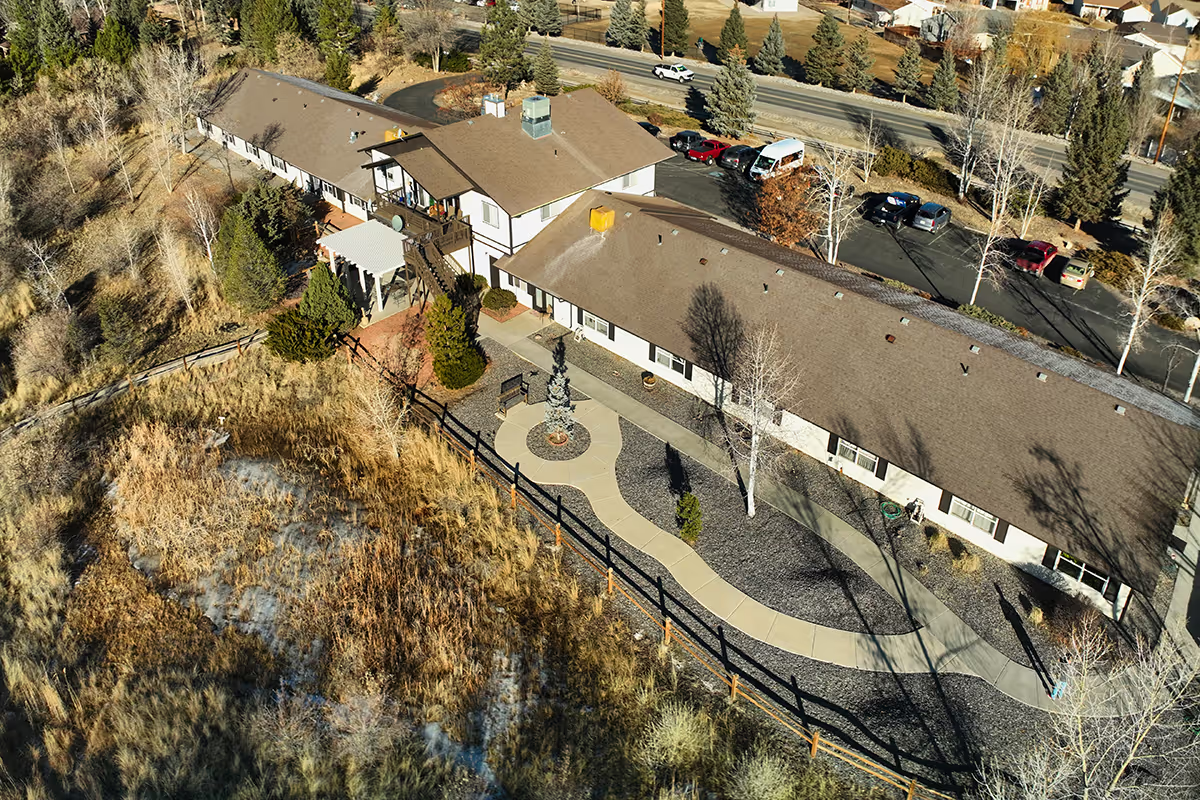
Facility condition and maintenance comments are similarly variable. Many visitors praised cleanliness in public areas, well-kept patios and a generally pleasant environment. Other reviews point to sanitation concerns in particular areas (for example, bathroom and personal-belongings storage zones), odor concerns, and small or crowded shared rooms. These observations indicate uneven maintenance and housekeeping performance across the campus.
Management and administrative practices present mixed impressions. Positive notes include helpful intake staff and clear admission processes. Criticisms focus on communication and coordination failures—examples include medication-administration documentation gaps, billing/payment concerns, and problems in handling residents' personal property following a death. These are operational areas families may want to address directly with administrators during a tour or intake meeting.
Overall pattern and guidance: the facility generates many strongly positive experiences but also a number of serious concerns that appear operational rather than isolated. Prospective residents and families should perform an in-person visit at different times of day, ask specific questions about medication administration protocols, staffing levels and call-button response times, housekeeping schedules, and procedures for personal-belonging management and end-of-life transitions. Requesting recent inspection reports, speaking with current families, and clarifying grievance and escalation pathways will help assess whether the facility’s strengths align with the resident’s care needs and risk profile.