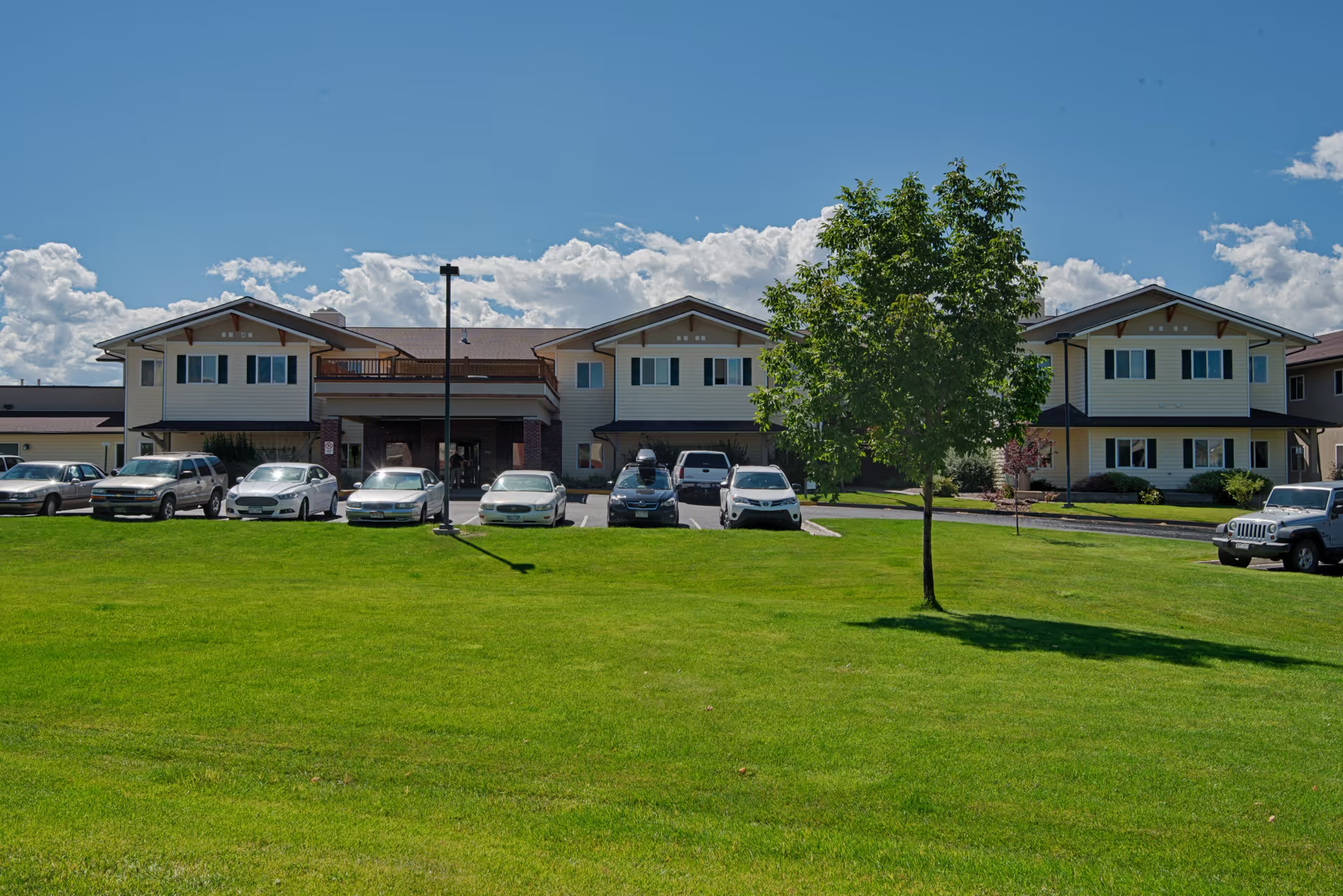
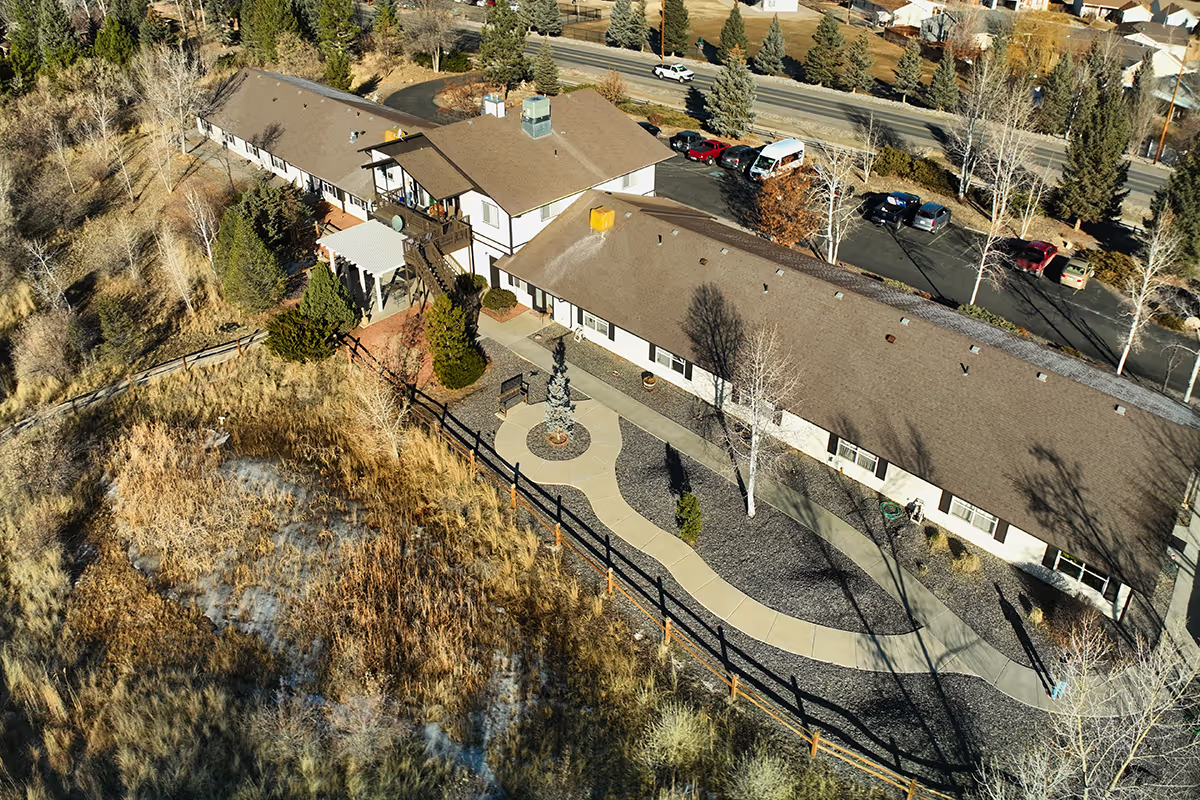
Reviewer feedback for Cedar Ridge is mixed, with clear strengths in clinical rehabilitation, direct-care staff behavior, and facility upkeep alongside recurring operational concerns that prospective residents and families should evaluate. Many families praised the bedside care: nursing staff are frequently described as caring and hardworking, therapists are characterized as skilled and focused on recovery, and on-site physicians are viewed as engaged and qualified. Several reviewers credited the facility with positive rehab outcomes and a sense of safety and comfort during stays. Housekeeping and sanitation practices are commonly described as consistent, and the building and rooms are generally seen as clean and well maintained.
Dining and activity offerings present a variable picture. Some families found the food acceptable and the kitchen staff friendly; others noted inconsistent meal quality and portioning. The activity program and activity director received positive comments for event planning and family engagement, and family involvement is described as a strength that complements resident wellbeing.
Operational patterns that recur across reviews center on management, communication, and continuity of care. Multiple accounts describe uneven communication from administration and business-office staff, delays or failures in returning calls, and concerns about admissions follow-up. Inter-staff coordination issues were noted, including disagreements between staff and treating physicians and inconsistent cooperation across shifts, which can affect care continuity. Staffing levels and responsiveness were flagged at times — families reported short staffing, delayed assistance, and variability in personal-care follow-through (for example, routine grooming and timely help requests).
More serious procedural concerns appear in several reviews and should be explored directly with the facility: infection-control continuity (including COVID-related outbreaks), questions about discharge planning and care transitions, and specific allegations related to billing or personal-property handling. Conversely, some reviewers commended end-of-life care and compassionate handling during difficult transitions. A few accounts indicate recent leadership changes and improvement under new management, suggesting that performance may be evolving.
For prospective residents and families: observe current staffing levels and their responsiveness, ask for details on infection-prevention protocols and recent infection history, review discharge-planning procedures and therapy scheduling, request written billing and property-handling policies, and meet both clinical and administrative leadership before placement. Visiting during different shifts, speaking with the therapy team, and checking recent inspection or quality reports can help clarify whether the facility’s operational practices align with your expectations and care needs.